
On DHgate, the best velvet shower-curtain deals pair a fair price with clear fabric details, waterproof or liner-ready construction, accurate sizing, and a seller you can trust—not simply the vaguest, cheapest listing. This guide explains how to read specs and photos, compare heavier and lighter velvet-look designs, and account for shipping and refund terms before deciding whether a curtain offers genuine value.
Redefine what a “best deal” on a velvet shower curtain really is
On DHgate, a genuine “best deal” on a velvet shower curtain is where price, fabric quality, fit, and seller reliability come together—not simply the lowest number on the page. Look for suitable velvet or velvet-look fabric (often a plush polyester face, sometimes with a waterproof polyester backing or paired with a separate liner), the right size for your shower, and a mounting style that works with your rod or rail. The seller should also provide clear shipping and refund information, along with enough feedback to assess their track record.
Listings that spell out material composition, dimensions, mounting style, and care instructions—and that show honest photos—usually represent better value than ultra-cheap offers with vague specs. For example, a double-layer velvet curtain with an inner waterproof polyester backing, or a design that mentions an OEKO‑TEX-certified fabric and machine-washable polyester velvet, is telling you how it’s built and why it costs more. In contrast, a listing that only promises “luxury hotel-quality velvet” without saying what the fabric actually is, how waterproof it is, or how to wash it is asking you to buy blind.
Because DHgate hosts many independent sellers, there’s no single “best shop” for velvet shower curtains. Instead, focus on listings that combine clear fabric details, stated dimensions and hanging method, realistic care guidance, and a seller history with decent ratings and buyer photos. Treat marketing phrases like “luxury” or “hotel quality” as bonus language; they matter only when backed by concrete specs and a trustworthy seller profile. Reading the fabric and size details, then applying a simple evaluation and checklist, will help you judge DHgate listings with more confidence.
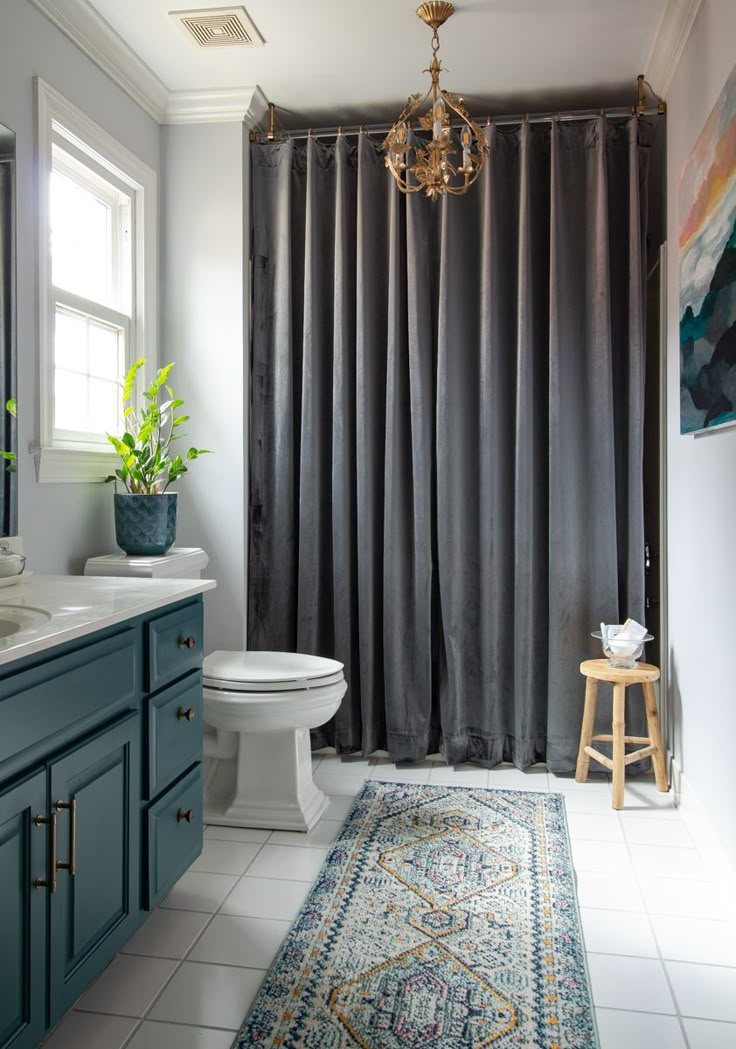
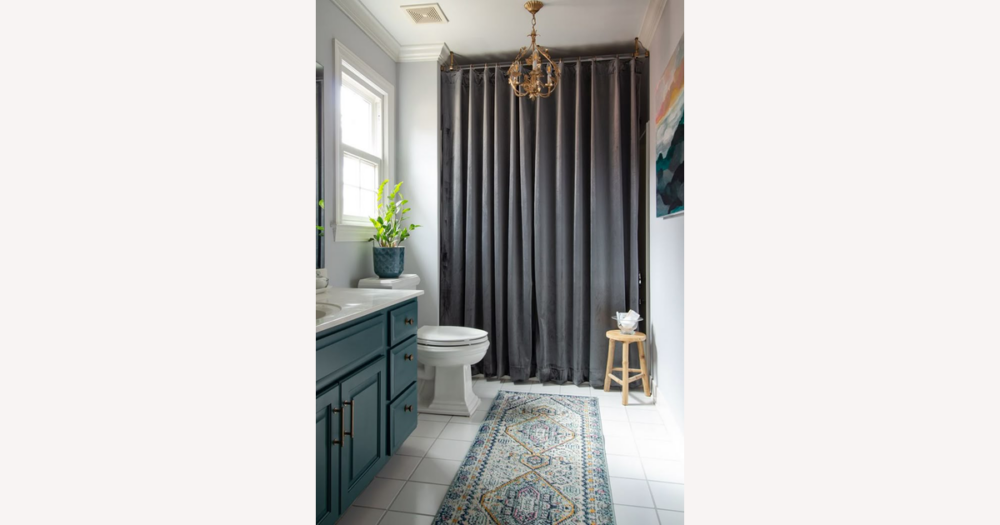
This bathroom shows a full-length velvet curtain hanging evenly from a rod, covering the shower opening with a dense, plush surface—use this as a reference for how a well-made velvet curtain should look when it fits and drapes properly.
Understand velvet and velvet-look shower curtain materials
Most velvet shower curtains you’ll see on DHgate are built around polyester, either as a velvet-faced front with a smoother backing or as a single layer of soft, brushed polyester that mimics velvet. Common constructions include an outer polyester velvet panel with a separate inner waterproof curtain, a decorative single-layer velvet-look fabric meant mainly to soften the room visually, and designs where the front is plush while the reverse is a tighter-weave polyester that helps repel water.
In listings, “velvet” almost always refers to this kind of soft, plush synthetic surface, not traditional cotton or silk velvet. That’s why care instructions tend to mention machine-wash cold, gentle cycles, or spot-cleaning rather than the more delicate handling real velvet would need. Heavier, higher‑GSM fabrics and multi-layer curtains usually hang straighter, feel more substantial, and resist billowing when the water is running, but they dry more slowly and put more weight on your rod or rail. Lighter single-layer velvet-look panels are easier to handle and often cheaper, but they’re more likely to cling, to rely on a separate liner for waterproofing, and to show wear sooner.
When you read DHgate listings, prioritize curtains that state material percentages (for example, 100% polyester or a polyester blend), mention any waterproof backing or inner layer, and include fabric certifications or realistic care instructions. Those details show the seller has thought about how the curtain will behave in a bathroom, not just how it looks in a photo. If a listing only says something like “velvet luxury curtain” without naming the fiber, waterproof performance, or how to wash it, treat it as a basic synthetic decorative panel that will almost certainly need a liner and may not live up to the marketing claims.
Check size and mounting so your velvet curtain actually fits
Before you fall in love with a velvet shower curtain on DHgate, check how it is meant to hang. Many curtains use metal grommet holes or stitched buttonholes that sit over standard hooks and rings. Others hide the hardware with concealed tabs or fabric loops, and some hookless designs slide directly onto the rod. Listings may also mention rail-compatible headings, which need special gliders instead of simple hooks.
Because velvet fabrics are heavier than many plain polyester curtains—especially in extra-wide or extra-long sizes—they put more strain on rods, brackets, and any corner joints. I would only choose a dense velvet or multi-layer curtain if the rod is firmly anchored into the wall, not just tension-fit, and if the mounting style (grommets, hooks, or rail sliders) is clearly compatible with what I already use. A mismatch between the heading style and your rod, or a heavy curtain on a flimsy rod, can lead to sagging, sticking, or a curtain that is hard to slide open and closed.
Treat unclear mounting descriptions as a risk, particularly when the curtain is described as thick, heavy, or extra-wide. If you cannot tell whether it uses hooks, rings, or a hookless rail system—and the photos don’t clearly show the top edge—it is safer to move on than to end up with a curtain you can’t easily hang.
- Measure the full width of your existing shower rod or rail, corner to corner, and decide whether you only need standard coverage or a wraparound effect for a clawfoot tub or L-shaped setup.
- Measure the drop from the top of the rod down to just inside the tub or shower threshold, so the bottom hem lands inside the tub to keep water in but doesn’t drag on the floor.
- Convert these measurements to centimeters if your tape or habit is in inches, then compare them to the DHgate listing’s width and height. Pay attention to mentions of extra-long (such as around 84 inches tall) or extra-wide panels (such as around 120 inches or more) so you are not surprised by the scale.
- Check whether the curtain includes hooks or rings, how many are required, and whether the top heading style matches your current rod or rail hardware. If you have a rail with sliders or a curved rod, make sure the listing’s photos and text show a compatible setup.
- If the listing gives only vague size labels like “one size” or shows dimensions that don’t match between text and images, especially for a heavy velvet curtain, treat that as a warning sign and consider skipping it rather than risking a poor fit that is awkward and costly to fix.
A step-by-step way to evaluate a velvet shower curtain listing
- Fit first: compare the curtain’s listed width, height, and mounting style to the measurements and hardware you’ve already noted. If the dimensions are unclear, contradictory, or missing, I would rule that listing out rather than guessing.
- Fabric and waterproofing: read the material composition and look for clues such as polyester velvet, plush or brushed polyester, and any mention of a waterproof or water-repellent backing, inner liner, or the need for a separate liner. Treat a listing that only talks about “luxury velvet” without naming fibers or water behaviour as mainly decorative.
- Weight and care: scan for GSM or weight descriptors like “heavy-duty,” mentions of weighted hems, and care instructions. A heavier curtain that hangs smoothly and feels substantial can justify a slightly higher price, but it will need a sturdy rod and may call for gentle washing or line drying.
- Seller signals: check the seller’s overall rating, how many orders they’ve completed, and recent buyer comments, focusing on photo reviews that show how the curtain actually looks in real bathrooms. Be cautious of sellers with very little history or repeated complaints that items don’t match the photos or description.
- Total cost: add up the curtain price, shipping, and any visible fees, then weigh that against what you’ve learned about fit, fabric, and seller reliability. I’d rather pay a bit more for a clearly described curtain from a well-reviewed seller with realistic shipping and refund information than gamble on the absolute cheapest, vaguest listing and risk dealing with returns or disputes later.
Avoid common pitfalls with “too cheap” velvet curtain deals
- Very thin or basic polyester sold as “luxury velvet” with no fabric composition, GSM, or backing details is a red flag. On DHgate, that often means a curtain that looks plush in photos but feels flimsy in person, lets water soak through, and forces you to buy an extra liner or a replacement sooner than you planned.
- Decorative velvet ruffle or heavily styled curtains that never mention waterproofing, backing, or liner use should be treated as mainly cosmetic pieces. If the listing doesn’t clearly say how the curtain handles water, assume you’ll need to budget for a separate waterproof liner and factor that into the real cost of the deal.
- Listings that skip full dimensions, only show one side of the curtain, or rely on generic stock-style photos can hide sizing or construction problems. That’s how you end up with a curtain that’s too short or narrow for your shower, or with a reverse side that looks cheap or absorbs water, turning a bargain into a return or replacement project.
- Ambiguous mounting information—no clear mention of grommets, hooks, rings, tabs, or rail-compatible headings—and silence about fabric weight can lead to practical headaches. A heavier velvet curtain hung on hooks or a rod that isn’t designed for the load can sag, pull hardware out of the wall, or drip outside the tub because it doesn’t sit correctly.
- On a marketplace like DHgate, vague specs combined with sellers who have limited or mixed feedback significantly increase the risk of receiving a curtain that doesn’t match the description, arrives damaged, or takes far longer than expected to show up. That can mean extra shipping costs, time spent messaging the seller, or even opening a dispute to seek a refund.
- Treat missing material details, incomplete sizing, unclear mounting information, and weak seller histories as strong reasons to skip a listing, no matter how tempting the price looks. I would rather pay a bit more for a velvet curtain with clear specs and a seller who has a visible track record than gamble on the cheapest option and risk the hassle of returns or disputes in DHgate’s longer-distance shipping environment.
How DHgate’s marketplace structure affects your purchase
DHgate is an online marketplace, not a single store, which means many independent sellers list their own products, control their inventory, and choose their shipping methods and packaging within DHgate’s overall rules. As a result, delivery times, tracking practices, and how quickly someone responds if there’s a problem can vary a lot from one velvet shower curtain listing to another.
Before you order, read the shipping and timing details on the product page carefully: look for estimated delivery windows, any stated processing time before dispatch, and whether the seller provides tracking information. For a heavier or bulkier velvet curtain, it’s especially important to know how it will be shipped and how long it might be in transit, because shipping issues can be harder to resolve across borders.
Check each seller’s notes on returns and refunds: even brief wording about what happens if the item arrives damaged or clearly not as described is better than silence. DHgate offers platform-level payment and dispute mechanisms that can help if your curtain never arrives or differs significantly from the listing, but using them can take time and may require evidence such as photos and order messages, so it’s wise to review the current guidance in DHgate’s help or policy pages for exact rules.
Given this variability, I would choose velvet shower curtain listings from sellers who spell out shipping methods, delivery estimates, and refund or dispute basics and who have a visible history of fulfilled orders, even if their prices are slightly higher. Vague terms, missing timing information, and no clear path for returns turn a small discount into a bigger risk, especially when you’re dealing with heavier curtains that are costlier to ship back if something goes wrong.
DHgate-specific checklist before you place your order
- Check the seller’s overall rating and the number of completed reviews so there’s enough history to judge reliability, not just a handful of recent orders.
- Read recent buyer feedback, focusing on photo reviews for curtains to see real-world fabric texture, color accuracy, and how the curtain hangs and fits.
- Verify that listing photos and descriptions match the velvet style, color, construction, and dimensions you want, and that fabric composition and waterproofing or liner details are clearly stated.
- Review the shipping method, estimated delivery timeframe, and whether tracking will be provided so you know how and when your curtain should arrive.
- Confirm the total cost in your currency—including item price, shipping, and visible fees—before you commit, especially for heavier curtains that may carry higher shipping charges.
- Use DHgate’s official payment options rather than off-platform methods to keep payment protections active if something goes wrong.
- Locate DHgate’s dispute and refund information in the interface so you know where to go, and what evidence you may need, if the curtain arrives damaged or not as described.
- Personally, I would not skip any of these checks, even for a small purchase; for me, a “good deal” on DHgate includes knowing how to respond quickly if the order isn’t what I expected.
When to choose heavier multi-layer velvet vs lighter velvet-look curtains
| Curtain type | Typical construction and specs | Pros | Trade-offs | Best use cases |
|---|---|---|---|---|
| Heavier multi-layer velvet or velvet-faced curtains | Plush velvet or velvet-faced outer layer with an inner waterproof polyester curtain or backing; may mention higher GSM or weight and sometimes textile certifications. | Luxurious feel and fuller drape; less clinging to the body; built-in waterproofing can reduce the need for a separate liner; can be a single primary curtain rather than multiple layers. | Higher price and shipping cost; heavier on the rod, so mounting needs to be secure; may be bulkier to wash and dry and can require more careful care. | Main family or primary bathroom used daily; buyers who want a long-lasting, substantial curtain and are willing to pay more for clearly specified materials and construction—I would usually choose this type for my own main shower. |
| Lighter single-layer velvet or velvet-look curtains | Single decorative polyester panel, sometimes ruffled or lace-trimmed; usually marketed for style first and relies on a separate liner for waterproofing and fabric protection. | Lower upfront cost and often cheaper shipping; easier to handle, hang, and swap out; wide variety of colors, patterns, and trims for decor-focused bathrooms. | Typically needs a separate liner to keep water in the tub and protect the fabric; may feel less substantial and show wear sooner; more pieces to manage and clean. | Guest bathrooms or occasional-use showers; tight budgets where decor matters more than durability; situations where you’re comfortable adding and maintaining a good waterproof liner—I might pick this type for a spare bathroom or a temporary setup. |
Do you always need a liner with a velvet shower curtain?
Do I always need a liner with a velvet or velvet-look shower curtain from DHgate?
You don’t always need a separate liner, but most velvet or velvet-look curtains—especially single-layer decorative ones—are safer and more practical with one.
Use this rule of thumb when you read DHgate listings:
– If the curtain is described as a single layer, focuses mainly on appearance (ruffles, trims, “luxury velvet” styling), and says nothing about a waterproof or water-repellent backing, treat it as needing a separate waterproof liner. That liner keeps water in the tub, protects the fabric, and usually makes cleaning easier.
– If the listing clearly states a waterproof or water-repellent inner polyester layer, backing, or built-in liner, and the care instructions sound realistic for frequent bathroom use, the curtain may work on its own. Even then, adding a liner can still help the curtain last longer and stay cleaner.
Tie the decision to how the bathroom is used:
– Main family or daily-use bathroom: default to using a liner unless the curtain is obviously designed as a standalone waterproof shower curtain with robust construction and care guidance for heavy use.
– Guest or low-use bathroom: a well-constructed waterproof velvet curtain may be fine without a separate liner, though you can still add one for easier cleaning.
Personally, I default to using a liner with most velvet or velvet-look curtains from marketplaces like DHgate unless the listing is very clear about a strong waterproof inner layer. When you weigh up “best deals,” remember to include the cost of a good liner for decorative or lightly specified curtains; a very cheap velvet panel that needs a liner and wears quickly may be worse value than a slightly pricier, well-built curtain that either includes or clearly reduces the need for extra layers.