
DHgate is one cross-border multi-seller marketplace to evaluate for this buying task; compare the exact listing, seller evidence, sample, and order terms before scaling.
Korean chicken exploded in popularity because it feels different from almost any other fried chicken you’ve had: the crust is shatteringly crisp, the meat stays juicy, and the flavors range from sticky sweet‑spicy to garlicky soy and even honey‑butter or cheese. That ultra‑crispy shell comes from a double‑frying method and starch‑heavy coating, described in guides like KoreaLore’s rundown of Korean fried chicken. Layer on K‑pop, K‑dramas, social media close‑ups of saucy wings, and expansion of Korean chains worldwide, and you get a dish that’s both a comfort food and a pop‑culture icon.
If you’re deciding what to order or buy, those same traits — thin crunch, sticky sauces, bold seasoning — are exactly what you should look for in menus, frozen products, meal kits, and bottles of sauce.
Why Korean Chicken Became a Global Hit
Korean fried chicken is built around texture. The hallmark technique is double‑frying: the chicken is fried once at a lower temperature to cook it through, rested, then fried again hotter to dry out the surface and create a very thin, glassy crust. Editorial sources and the DHgate historical blog excerpt agree this produces a crisp exterior while keeping the meat moist and less greasy than many thick‑battered styles.
The coating matters, too. Cooks typically use potato or corn starch, sometimes with a bit of baking powder, instead of a heavy flour batter. You can see this in many recipe discussions and in coverage like KoreaLore’s guide: the result is a light shell that crackles instead of the dense, bready coat common in American Southern fried chicken.
Flavor is the second hook. A classic order might split the bird between plain crispy and yangnyeom — pieces tossed in a sticky, sweet‑spicy gochujang‑based sauce with garlic, soy, and sugar. Other common flavors include soy garlic (salty, garlicky, slightly sweet), honey butter (buttery and sweet, often with a hint of garlic), and cheese (either powdered cheese over sauced chicken or molten cheese for dipping).
Korean fried chicken has also benefited from culture and competition. Korea.net reported that Korean‑style fried chicken ranked among the most recognized K‑foods globally in a 2021 poll, reflecting how chains and mom‑and‑pop shops have turned it into a signature export.Korean-style fried chicken voted world’s most popular K-food Axios has documented how K‑food in general — including chicken — has spread quickly in US cities, helped by K‑pop tours and streaming dramas where characters share late‑night chicken and beer. Inside Korea, Reddit’s r/KoreanFood users point out that fried chicken is one of the most brutally competitive categories; mediocre recipes get weeded out fast, pushing chains and independents to keep refining coatings and sauces.
For you as a buyer, all of this means: the average Korean chicken you find in a decent restaurant or branded chain has been pressure‑tested by customer demand. But you still need to pick styles and products that fit how you want to eat.
Key Styles and Product Types of Korean Chicken
You’ll mostly encounter Korean chicken in four forms: restaurant orders, delivery wings, frozen retail, and DIY kits/ingredients. Each suits a different kind of buyer.
Restaurant and delivery styles
On US Korean restaurant menus, you’ll usually see:
| Style / format | What it is | Best for buyers who… |
|---|---|---|
| Plain crispy (fried only) | Double‑fried, unsauced; often lightly seasoned | Want to taste pure crunch and chicken |
| Yangnyeom (sweet‑spicy) | Tossed in gochujang‑based sticky sauce; can be mild or hot | Like wings with heat plus candy‑like glaze |
| Soy garlic | Coated in soy, garlic, sugar; less spicy, more savory | Prefer salty‑savory over chili heat |
| Half‑and‑half buckets | Mix of plain and sauced, one bird or large wing order | Are sharing or trying Korean chicken first |
| Boneless bites | Fried nuggets/tenders, often heavily sauced | Want easy eating, kids or desk lunches |
These options often come with pickled radish and beer or soda. If you care about texture, ask whether sauced pieces are tossed to order; pre‑sauced chicken softens as it sits.
Frozen, ready‑to‑heat, and snacks
Major US groceries now stock Korean‑style chicken under Korean and non‑Korean brands: frozen wings or boneless bites labeled “Korean style sweet & spicy,” “gochujang wings,” or “soy garlic.” Some deliver good flavor but less dramatic crunch when oven‑baked or air‑fried.
Pros:
- Convenient for weeknight eating.
- Portion‑controlled; you see the exact weight, serving suggestion, and nutrition.
Trade‑offs:
- Texture usually won’t match a restaurant that’s double‑frying to order.
- Heat levels may be toned down for mainstream buyers.
Meal kits and bottled sauces
DIY buyers often skip pre‑fried chicken and buy:
- Coating mixes (Korean‑style frying powder, starch blends).
- Bottled yangnyeom or soy‑garlic sauces.
- Full “Korean fried chicken kits” with coating, sauce, and instructions.
This format lets you choose your own chicken (wings vs drumettes vs boneless), then replicate the double‑fry at home. It’s also where cross‑border shopping starts to matter: you might source a specific brand of gochujang or yangnyeom sauce from Korean or global marketplaces.
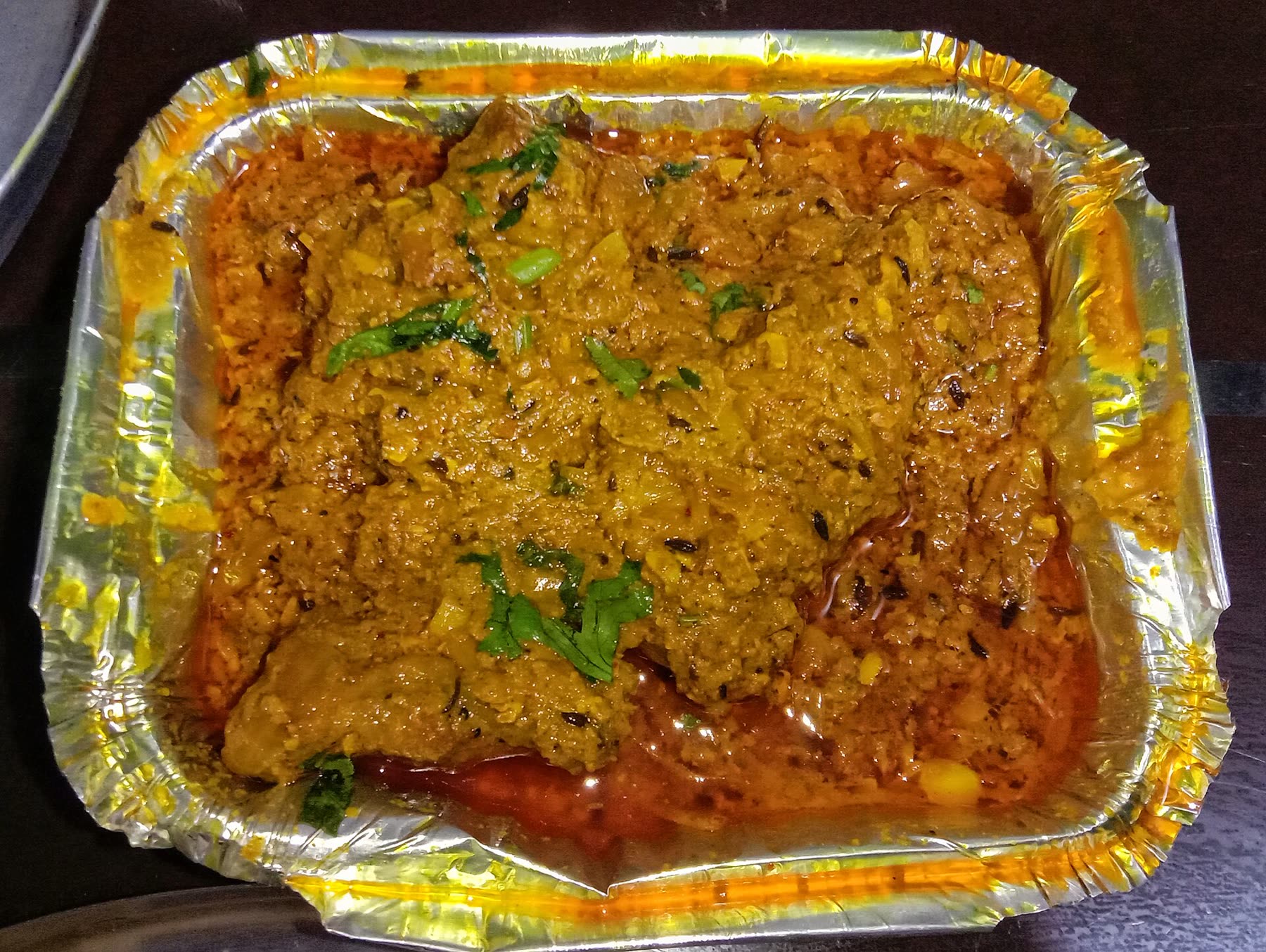
(While the image above shows a different regional chicken dish, it gives a fair visual sense of thick, glossy sauce coating crisp pieces.)
How to Judge Korean Chicken Quality and Buy Ingredients Online
Whether you’re ordering from a local spot or thinking about importing sauces or kits, you can translate Korean chicken’s popularity drivers into practical checks.
Quick buyer checklist
For a first order or purchase, look for:
- Clear style labeling: menu or packaging should specify if it’s plain crispy, yangnyeom, soy garlic, honey butter, or cheese. Vague “spicy chicken” often means generic chili sauce, not gochujang‑based Korean flavor.
- Texture clues: phrases like “double‑fried,” “crispy Korean style,” “light starch coating” are good signs. “Tempura‑battered” or “breaded” usually means thicker, less Korean‑style crunch.
- Portion and cut: a whole chicken cut into small pieces eats differently from jumbo American wings or boneless bites. Smaller bone‑in pieces are closer to how Korean shops serve it.
- Sauce behavior: if a delivery listing says “sauce on the side,” your chicken will stay crisp longer. Good for longer delivery distances.
Reading labels and listings for sauces and kits
If you’re buying sauce, coating mixes, or full kits online — whether from a big US retailer, a Korean grocer, or a marketplace like DHgate — focus less on marketing buzzwords and more on the product detail page:
- Shelf‑stable vs chilled: check if the item is described as shelf‑stable (bottled sauce, dry mix) versus needing refrigeration. For cross‑border shipping, shelf‑stable products are generally more practical than anything perishable.
- Ingredient list: a gochujang‑style sweet‑spicy sauce should obviously list chili paste or chili flakes plus some combination of garlic, soy sauce/soy powder, sugar or corn syrup. If “Korean style” appears but there’s no chili or garlic in sight, expect a more generic glaze.
- Flavor naming vs reality: “Honey butter” flavors may taste more like sweet garlic with a buttery aroma than literal melted butter. If you hate very sweet chicken, favor soy‑garlic or plain crispy listings.
- Seller reputation signals: instead of generic “check reviews,” look for patterns: do buyers mention authentic flavor, proper packaging, and intact bottles? Complaints about leaks or swollen packaging are red flags, especially for long‑distance shipping.
Basic cross‑border food cautions
Food shipping rules differ by country, and this article can’t serve as legal or customs advice. But some common‑sense steps help you avoid the worst surprises:
- Prefer branded, factory‑sealed, shelf‑stable products rather than homemade sauces or unlabelled mixes.
- Check best‑before dates in the photos if they’re visible; if not, look for reviewers who mention receiving fresh stock.
- Start with small quantities until you’ve tested a brand’s flavor and how well it survives transit.
- If a listing’s photos show damaged packaging, unclear labels, or no ingredient information, skip it. With Korean chicken, you have plenty of alternatives: local restaurants, US Korean markets, and major online grocers offering Korean‑style wings and sauces.
One practical scenario: local order vs DIY kit
Say you’re curious but budget‑conscious. A reasonable path is:
- Try a half‑and‑half bucket at a local Korean chicken shop: half plain crispy, half yangnyeom. Notice how thin the crust is, how sticky the sauce feels, and whether you like the sweet‑spicy balance.
- If that flavor appeals, buy a small bottled yangnyeom sauce and starch coating from a trusted retailer or marketplace with solid listing photos and ingredients. Use your regular supermarket chicken wings and follow double‑fry instructions from a reputable guide such as KoreaLore.
- Only after you know you enjoy that style should you consider importing specific Korean brands of sauce or coatings, weighing the extra shipping time and risk.
You’ll end up with a much clearer sense of what makes Korean chicken so popular — and you’ll spend your money on products that actually deliver those crisp, bold, addictive traits rather than just using the name on the label.