
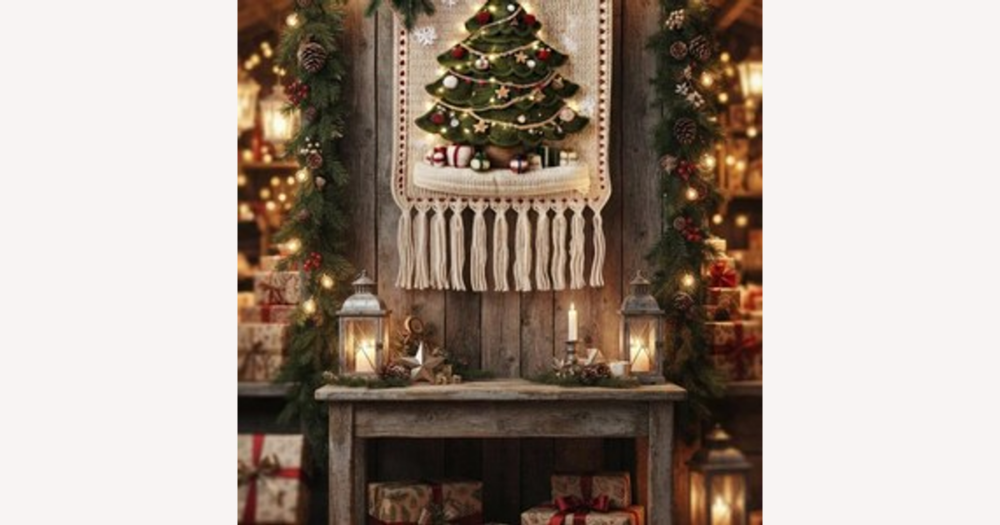
If you’re scrolling through DHgate looking for a Christmas dreamcatcher that feels special, the most important decision isn’t “which store should I buy from?” but “how do I search and judge each listing?” DHgate hosts plenty of Christmas‑themed wall hangings and tree ornaments, but they’re scattered across many sellers and categories. By combining focused keywords, sensible filters, and careful reading of photos, dimensions, materials, seller ratings, and shipping and refund terms, you can pick out genuinely unique pieces that match your decor and arrive as described, instead of relying on chance or the lowest price tag.
Turn “Where do I buy?” into “How do I search and evaluate listings?”
On DHgate, there isn’t a single curated shop that holds all the unique Christmas dreamcatchers and ornaments. Instead, thousands of individual sellers list their own pieces across different categories, so the real skill is learning how to search and evaluate those listings rather than chasing one “best” store. Treat DHgate—and any other large marketplace—as a huge catalog you sift with smart queries rather than a boutique that has already done the curation for you.
Start by combining focused keywords with your intended format and style, such as “Christmas dreamcatcher wall hanging,” “Christmas tree dreamcatcher ornament,” or “boho Christmas decor dreamcatcher.” Then add practical filters like price ranges, seller rating thresholds, or free-shipping options to narrow down the results. From there, open individual product pages and look closely at the photos, listed dimensions, materials, and color descriptions instead of relying on the main search thumbnail.
I tend to prioritize visually distinctive designs and detailed, honest-looking photos over the absolute lowest price, especially for decorative items. On DHgate, that usually means favoring sellers who show multiple angles, give clear measurements, and describe materials in more than a single line. If you’re decorating a large tree or venue on a tight budget, it can make sense to flip that priority and accept simpler, more standardized designs while paying closer attention to bulk pricing and shipping guarantees.
The rest of this guide stays within DHgate’s information-focused role: it will break down formats, designs, materials, production style, and seller information so you can spot listings that look genuinely distinctive, understand the tradeoffs, and avoid generic or poorly described options—without turning into a store directory or a crafting tutorial.
Know the main Christmas dreamcatcher formats and where they fit
- Full-size wall-hanging dreamcatchers: These are often built around a single large hoop or a cascade of several hoops with long tassels or feathers. Their plate-sized or larger diameter and extended drop length make them better suited to doors, wide wall areas, or above a mantel where they can act as a focal point rather than a small accent.
- Mid-size hanging decor: These pieces sit between statement wall art and tiny ornaments. They work well in window frames, narrower wall sections, or one side of a mantel, offering noticeable festive impact without overwhelming the space. They’re useful when you want a Christmas dreamcatcher to be visible but not dominate the entire room.
- Mini dreamcatchers for ornaments and garlands: These tend to be disc-like and light, sized more like standard tree ornaments than wall art. Because they hang from individual branches, garlands, or narrow hooks, their low weight and compact diameter matter: heavy or oversized pieces can pull branches down or crowd small spaces.
- Check dimensions and weight, not just photos: Product images can easily make a mini ornament look larger—or a wall hanging look smaller—than it really is. On DHgate, rely on the listed measurements and any weight information to decide whether a piece will work on a door, wall, window, mantel, or tree rather than guessing from scale in the photos.
- Match hanging hardware to your space: Christmas dreamcatchers typically use simple loops, cords, or ribbons that need to attach to existing hooks, nails, tree branches, or garland wire. When you already know the target location, searching or filtering with phrases like “mini ornament” or “large wall hanging” helps you find formats whose hanging hardware and size align with the fixtures you have.
Recognize Christmas-themed designs that feel genuinely unique
Once you know whether you’re looking for a wall hanging or a mini ornament, the next decision is visual: what actually makes a dreamcatcher feel like Christmas rather than a generic piece with red and green? Listings on DHgate and other marketplaces usually fall into a few color families. Classic holiday designs lean on red and green, often combined with holly, berries, or snowflake patterns. Others use metallic gold and silver for a more luxe look, or winter whites and blues that echo snow and ice. Some sellers experiment with muted neutrals or pastel “soft Christmas” palettes; those can still read festive if the motifs and layout clearly reference holiday decor.
Motifs and shapes do a lot of the work. Stars, stylized Christmas trees, snowflakes, and wreath-like circular layouts turn an ordinary ring into something recognizably seasonal. You might see mini baubles or charms hanging in the web, tiny bells or candy-cane stripes on the ribbons, or a ring wrapped in faux pine or tinsel to mimic a wreath. These details are visible in photos, so you can quickly tell whether the holiday theme is intentional or if the seller has simply swapped in red feathers on a standard design.
Extra layers change the festive impact again. Fairy lights woven around the ring or through the web add glow, especially for wall pieces or window hangings. Hanging ornaments, tassels, lace, and different feather treatments shift the texture and movement: a lace-heavy piece can feel delicate and vintage, while bold tassels or chunky yarn give a cozy, modern look. The more elements a piece adds—beads, charms, glitter, layered hoops—the more you’ll want to zoom in on photos to see whether the combination looks balanced or cluttered.
Minimalist Christmas dreamcatchers keep a simple web, clean ring, and a tight color palette—maybe white and gold with one or two small charms—so they suit calmer, Scandinavian-style decor. Richly decorated pieces layer beads, glitter, multiple textures, and dense tassels or feathers for an over-the-top holiday feel. On DHgate, “unique” often comes from thoughtful combinations: unusual color mixes like pastel Christmas, unexpected materials such as linen ribbons or wooden beads, or creative layouts that differ from the same stock photos you see repeated across many sellers. I would personally choose designs where the holiday motif feels intentional and cohesive—colors, motifs, and textures all telling the same story—rather than listings that look like copy-paste templates with random Christmas-colored feathers. Keep the focus on what you can see clearly in the photos and how it fits your existing decor; spiritual or cultural meanings sit outside this purely decorative decision.
Understand materials and construction before you fall for the photos
- Ring or frame materials: Many Christmas dreamcatchers use metal, wood, or plastic hoops as the base. Metal frames generally hold their shape well and cope better with being moved or stored, while wooden hoops can feel warmer and more natural but may pick up moisture in damp areas. Plastic rings are very lightweight and budget-friendly, though they can sometimes look less premium up close.
- Webbing threads: The web that fills the ring is usually made from cotton or synthetic fibers. Cotton tends to have a soft, matte finish that suits cozy or rustic holiday themes, but it can stretch a little over time if it’s very loosely woven. Synthetic threads often appear shinier and a bit smoother; they’re typically more resistant to stretching and can make intricate patterns look crisp in photos and in person.
- Hanging elements: Feathers, tassels, ribbons, and lace all change how a piece moves and how delicate it feels. Long feathers and fine lace give a light, airy effect but can be more fragile when handled or packed away. Chunky yarn tassels, satin ribbons, or fabric strips create a fuller silhouette and are often a bit more forgiving if they get bumped on a door or brushed against a tree branch.
- Beads and ornaments: Decorative beads and mini ornaments are often plastic, glass, or wood. Plastic components keep weight down and are less likely to break if the dreamcatcher is on a busy door or near children and pets. Glass, ceramic, or finely finished wooden beads can look richer and catch the light beautifully, but they need gentler handling and more careful storage to avoid chips or cracks.
- Lights and electronic add-ons: Integrated fairy lights or tiny LED strands can add depth and glow, especially for wall or window pieces. They also introduce extra attachment points and wiring that can snag, loosen, or fail if not well secured. For lighted designs, it’s worth checking how the battery pack is attached and imagining how easy—or awkward—it will be to switch on and off once the piece is hung.
- Material details in listings: Because photos alone can’t tell you whether a ring is metal or plastic or what kind of thread was used, it helps to read DHgate descriptions closely for specific material names. Listings that clearly spell out the frame material, webbing fiber, and types of beads or decorations give you a better sense of durability and feel. When a seller is vague or skips material details entirely, I’d treat that as a signal to be cautious or to favor another listing with more transparent information.
Spot the difference between mass-produced and artisanal-style listings
On DHgate, a Christmas dreamcatcher that looks identical across many sellers, with the same polished hero image and almost no variation in angle or background, is usually a sign of mass production. These listings often use short or very generic descriptions, repeat the same marketing phrases, and give only basic information about size and a few headline materials. Color and size options, if offered, tend to be fixed presets rather than truly flexible combinations.
By contrast, more artisanal- or custom-style listings usually show more of the real object: several photos from different angles, close-ups of the webbing, feathers, tassels, or beads, and sometimes images that look like they were taken in a home rather than a studio. Descriptions tend to spell out frame, thread, and decoration materials in more detail and may invite you to choose colors, add text, or tweak elements like ribbon length or ornament placement.
Labels like “handmade,” “unique,” or “artisan” in a title are hard to verify online, so it helps to focus on what you can actually see: Do the photos show small differences between pieces? Is there evidence of texture and slight variation rather than a perfectly cloned stock image? Does the description specify materials and customization clearly, or does it stay vague? Those concrete signals are more reliable than a single word in the headline.
Mass-produced designs often make the most sense when you need a predictable look, a tight budget, or a coordinated set—such as matching mini dreamcatchers for a tree, a classroom, or an event. Artisanal-style listings, with their extra detail and variation, are better suited to a standout wall hanging or a special gift, even if they cost more and may take longer to produce or ship.
When I’m choosing a Christmas dreamcatcher that I want to feel genuinely special, I tend to favor listings with varied, detailed imagery and clear customization options. If I needed dozens of matching ornaments or had to stick to a strict budget, I’d be more willing to pick a standardized, mass-produced design and lean on consistent stock photos and straightforward specifications instead.
Use a simple DHgate checklist to evaluate Christmas dreamcatcher listings
- Start your search with focused keywords that combine both format and theme, such as “Christmas dreamcatcher wall hanging,” “mini Christmas dreamcatcher ornament,” or “boho Christmas tree dreamcatcher,” so DHgate results are closer to the style and size you actually want.
- Apply basic DHgate filters—like a comfortable price range, a minimum seller rating, and suitable shipping options—to reduce the initial results to a manageable set of listings that look promising for your budget and timing.
- Open individual product pages and first examine the photos: look for clear images from multiple angles, close-ups of the webbing and decorations, and lighting that feels realistic rather than heavily edited or overly saturated, especially for pieces that rely on specific Christmas colors.
- Check the listed dimensions and any weight information against your planned spot—a door, wall, mantel, or tree. Make sure the hoop diameter, total length, and hanging method match the format guidance you’re using so the dreamcatcher doesn’t overwhelm the space or disappear into it.
- Read the material and color descriptions carefully, looking for specifics about the frame, threads, feathers, tassels, beads, ornaments, and any lights. Note mentions of handmade variation or possible differences between screen and real-life colors so you can decide whether that level of variation suits your decor.
- Review seller ratings, written reviews, and buyer-uploaded photos, paying particular attention to comments about overall build quality, how accurately colors match the photos, and whether the Christmas dreamcatcher arrived in time for the season or an event.
- Before deciding, confirm the shipping method, estimated delivery window, and total cost including shipping or any extra fees, and skim the basic refund or dispute terms so you know what your options are if the piece arrives late or not as described.
- Treat this checklist as a reusable routine each time you browse DHgate for Christmas dreamcatchers or ornaments; following the same steps helps you move from casual scrolling to more confident, repeatable choices.
Watch for common Christmas dreamcatcher pitfalls
- Colors may look different in person than on your screen, especially saturated reds, greens, and metallics. Compare all listing photos (including any taken in natural light) with buyer-uploaded photos, and read the description for notes about possible color variation before assuming it will match your exact decor.
- Glitter, flocking, and heavy decorative coatings can shed during handling or over the season. Look for close-up photos that show the texture of the surface, and scan reviews for comments about glitter fallout, residue on hands, or loose flocking if you want a cleaner finish.
- Delicate feathers, ribbons, and beads can arrive bent, tangled, or loosely attached after long shipping. Check photos that show attachment points where tassels, feathers, or charms meet the main ring, and favor listings where buyers mention that decorations arrived intact rather than missing or broken.
- Integrated lights are a common weak spot if the wiring or battery housing is flimsy. Look for photos of the dreamcatcher both lit and unlit, with at least one close-up of the light strand and battery compartment, and read reviews that mention whether the lights worked on arrival or failed quickly.
- Seasonal shipping delays can easily push delivery past your intended date if you order late, especially for international shipments. Compare the estimated delivery window with your own holiday calendar, add extra buffer time for customs or courier delays, and consider ordering earlier than you would for non-seasonal decor.
- Even with careful checks, decorative items always carry some uncertainty, but taking the time to study photos, read descriptions closely, and align delivery estimates with your schedule will significantly reduce the chances of color surprises, loose decorations, light failures, or late arrivals.
Use DHgate seller information to judge reliability
On DHgate, overall seller rating scores and transaction counts give a quick sense of how often a seller has successfully completed orders and how buyers generally feel about their experience. A shop with many completed transactions and a consistently high rating is more likely to ship on time, pack reasonably well, and resolve straightforward issues than a brand-new store with little history.
It helps to look past the headline star average and scan the mix of positive, neutral, and negative reviews. Check how recent the feedback is and whether complaints cluster around the same issues, such as slow shipping, poor packaging, or items looking different from the photos; recurring themes matter more than one-off problems from years ago.
For Christmas dreamcatchers and ornaments, review text and buyer-uploaded photos are especially valuable. Focus on comments about build quality, color accuracy, how securely decorations were attached, and whether the piece arrived in time for the season or an event. Real-world photos show how the item looks under typical home lighting, which is often closer to what you’ll see than polished listing images.
Clear store policies on returns, refunds, and handling problems, along with visible seller responses to questions or reviews, can further signal that a seller is attentive and communicative. These cues make it easier to resolve issues if something goes wrong, even though they still can’t guarantee that every dreamcatcher will match the listing perfectly.
Even highly rated sellers can have some variation between batches, especially for handmade-style pieces or designs with many small components. Reliability signals reduce risk but never remove it completely, so it’s worth treating them as probabilities rather than promises.
Personally, I give more weight to detailed reviews with photos than to bare star ratings, and I would rather pay a little more to a seller whose listings, policies, and feedback feel transparent and consistent. For decorative items where look and timing matter, that extra confidence is often worth more than saving a small amount with a less-proven store.
Keep payments and orders simple and secure
- Use DHgate’s built‑in, secure payment options instead of sending money through bank transfers, direct card forms, or messaging apps, so your purchase stays covered by platform protections.
- Before you confirm a Christmas dreamcatcher or ornament order, check the full cost summary—item price, shipping, taxes, and any service fees—to be sure the total still fits your budget.
- Note down or screenshot key order details such as the product description, selected color or style, quantity, and estimated delivery window, so you can show what was promised if there’s a problem.
- Keep confirmation emails and order-page screenshots in a folder or album, making it easy to provide evidence if you need to open a dispute about a late delivery or an item that doesn’t match the listing.
- Remember that these habits only take a few minutes when you place the order, but they can save time and stress later, even when the item is a low-cost, purely decorative Christmas piece.
Plan shipping and refunds around the holiday calendar
For seasonal decor like Christmas dreamcatchers, timing matters as much as the design. International orders can take longer than domestic shipping, so treat the shortest estimated delivery time as a best case rather than a guarantee and plan to order well before you need the piece.
When you review a DHgate listing, check the estimated delivery dates and the type of shipping method shown, then add a buffer—especially if you need the dreamcatcher for a specific event or for tree decorating on a certain weekend. Customized or artisanal-style designs may require extra production or handling time, so placing those orders earlier in the season gives you more room if something is delayed.
If a parcel arrives much later than the estimate or the dreamcatcher is noticeably different from the listing, platform-level dispute and refund processes are generally available, but outcomes depend on the situation and the evidence you can provide. Screenshots of the original listing, saved order details, and photos of what you received all help show how the item’s timing or appearance diverged from what was advertised.
By understanding shipping windows and refund options before you confirm an order—and keeping the records you gathered in the payment step—you reduce stress if something goes wrong and give yourself a clearer path to resolving issues while still enjoying your Christmas decor on time.
FAQ: Using and keeping your Christmas dreamcatchers
Can I use Christmas-themed dreamcatchers after the holidays?
Many Christmas dreamcatchers work well beyond December if their colors and motifs fit the space. Pieces in winter whites, blues, metallics, or neutral palettes can stay up as part of winter decor or in bedrooms and reading corners where a soft, cozy look makes sense. Designs with very explicit Christmas details—like Santa faces, bold red‑and‑green combos, or heavy tinsel and baubles—usually feel more seasonal and are better packed away with other holiday decorations once the festive period ends.
Can mini dreamcatchers safely work as Christmas tree ornaments?
Mini dreamcatchers often function well as tree ornaments as long as they’re light enough and have secure loops or cords. Check that the hoop size and total length won’t drag branches down, and that the hanging loop can sit firmly over a branch or hook without slipping. Avoid very heavy frames or pieces with long, dense tassels on small trees, and place any fragile glass beads or delicate feathers higher up the tree where they’re less likely to be bumped.
How should I store Christmas dreamcatchers and ornaments to avoid damage?
Treat Christmas dreamcatchers like other delicate decor. Wrap each piece gently in soft tissue or cloth, keeping feathers, tassels, and ribbons laid flat so they don’t kink or tangle. Store them in a box where items are separated—using compartments or layers—so beads, charms, and light wires don’t snag on neighboring decorations. Keep the box in a dry, stable environment away from moisture and extreme heat. Thoughtful wrapping and a simple, dry storage spot are usually enough to keep them looking good for future holidays without special equipment or complex routines.