
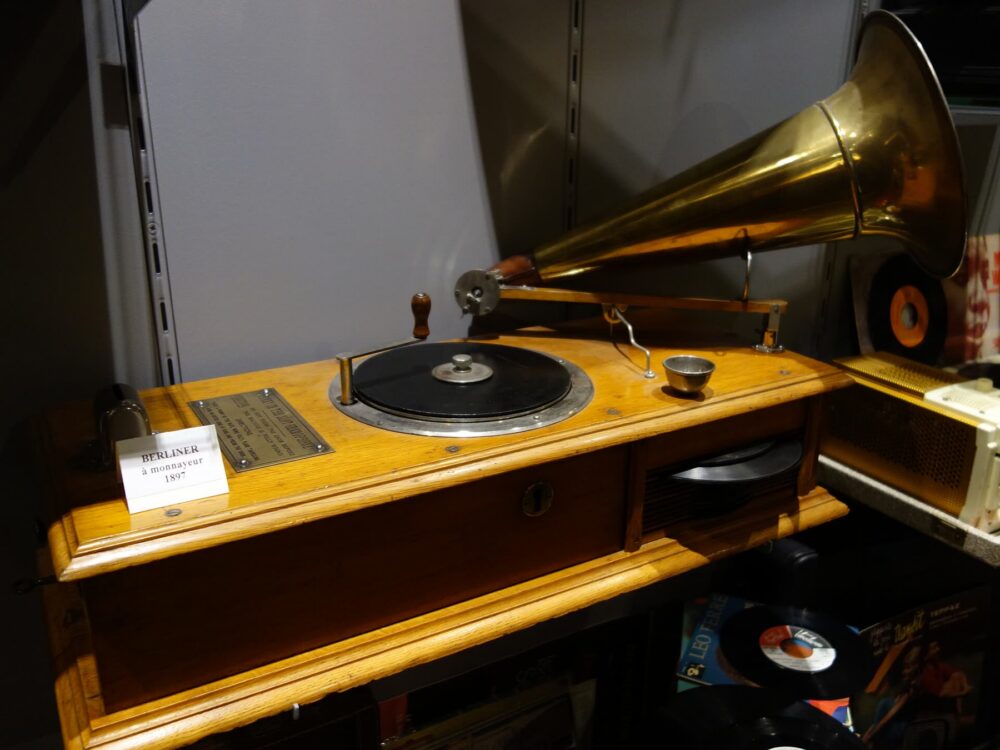
Using a Victrola-style record player is mostly about a careful setup and a gentle hand. You place the player on a stable, level surface, connect power and speakers, choose a record whose speed matches your deck (usually 33 1/3, 45, or 78 RPM), set it on the platter, then cue the tonearm down into the grooves and fine‑tune sound. That same basic flow applies across vintage Victrola horn units, gramophones, suitcase players, and modern turntables. Once you understand which type you own or plan to buy, you can decide if DHgate’s mix of low prices and broad selection outweighs the build‑quality and support risks compared with buying locally or from a brand site.
Victrola Record Player Basics: Types and How They Work
“Victrola” started as an early 1900s brand of talking machines, typically with a horn speaker and ornate cabinetry. Today people use “Victrola” loosely for anything that looks vintage: horn gramophones, retro consoles, or portable suitcase units.
Here’s how the main types differ in everyday use:
| Record player type | How it looks/works | What it means for you |
|---|---|---|
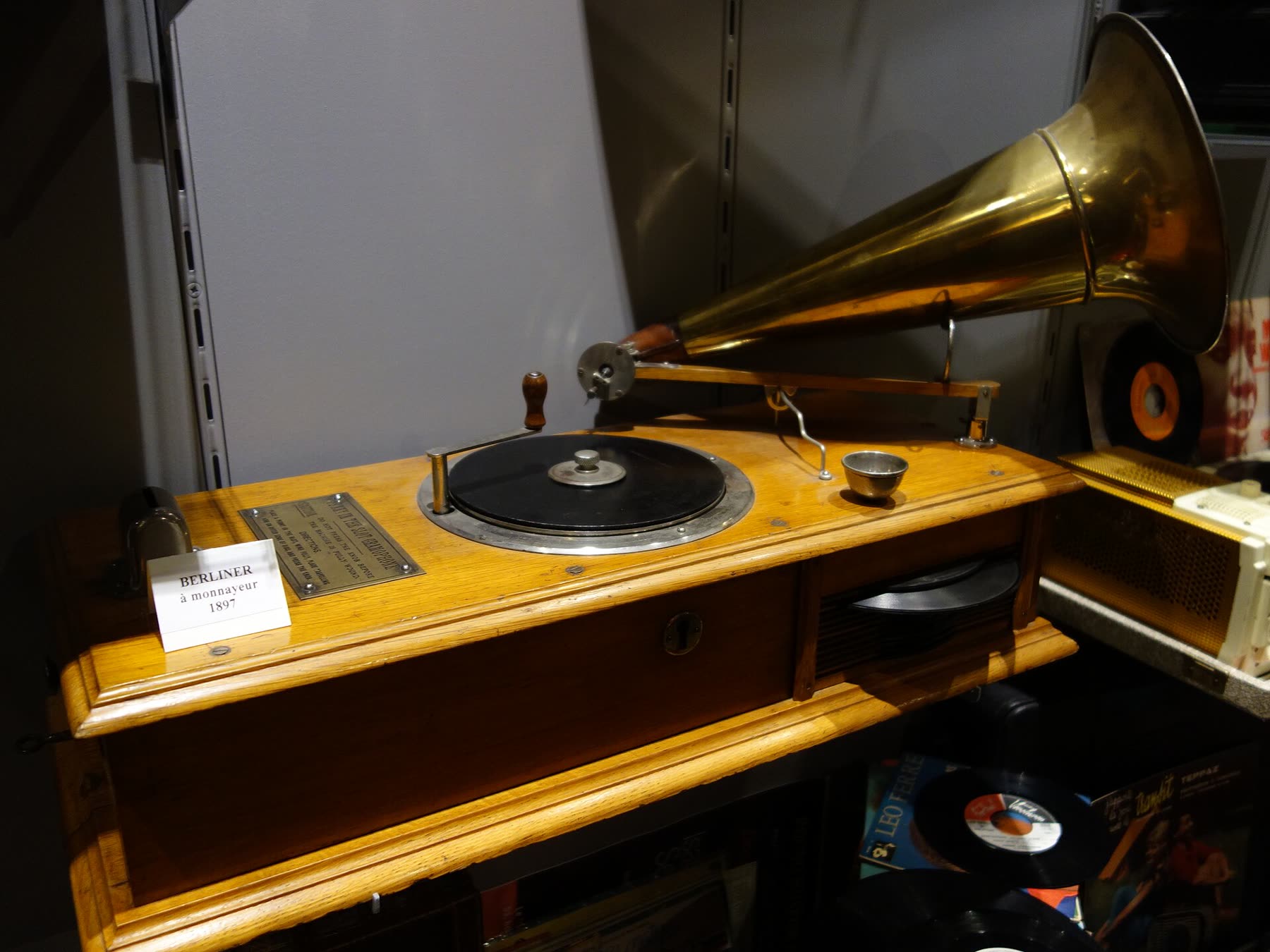
| Horn Victrola / gramophone | Large horn, often hand‑cranked motor | You often wind a crank to power the platter; volume/tone adjusted with mechanical knobs |
| Modern turntable | Flat platter, separate tonearm with needle (cartridge) | Electric motor; you set speed (33/45/78), cue the tonearm precisely for best sound |
| Suitcase record player | Turntable built into a briefcase‑style box with built‑in speakers | All‑in‑one and portable; convenient but usually entry‑level sound and durability |
Gramophones and horn Victrolas use a large acoustic horn and often a crank handle to wind the motor. Modern turntables use an electric motor to spin a platter, plus a tonearm with a needle that reads the grooves electrically. Suitcase players are basically compact turntables with integrated speakers, designed to be easy to move and store rather than to be audiophile gear.
That mechanics difference matters when you buy. If you want simple plug‑and‑play with Bluetooth and a headphone jack, you’re looking at modern suitcase or turntable designs. If you want the full vintage ritual with a crank and horn, you’re in gramophone/Victrola territory and should expect more hands‑on care.
Step-by-Step: Using a Victrola Record Player Safely
These steps blend Victrola’s own tutorials with best practices for protecting your records and the player.
1. Set up the player on a solid, level surface
Place the unit on a flat, stable surface. A wobbly shelf or uneven table makes the needle jump and causes skipping. If your player has adjustable or movable feet, use them to level it; otherwise shim the feet until the platter looks level front‑to‑back and side‑to‑side.
Connect power according to the manual:
- AC models: plug the power cable into a working wall outlet.
- Battery models: fully charge or install batteries correctly before use.
Then connect speakers or headphones. Many modern players use RCA outputs to feed powered speakers; some suitcase units have built‑in speakers plus a headphone jack. When in doubt, follow the wiring diagram in the user manual, such as those linked from Victrola’s own guides at Victrola.com.
Handling tip: Always power the unit off before plugging or unplugging speakers to avoid pops that can damage drivers.
2. Choose a record that matches your player’s speed
Look at the label or packaging for the record’s RPM:
- Most modern LPs: 33 1/3 RPM
- Many singles and some EPs: 45 RPM
- Older shellac discs and some vintage records: often 78 RPM
Your player must support the speed printed on the record. Many entry‑level turntables and suitcase players handle 33 1/3 and 45; some include 78, but not all. If your collection includes 78s, make sure the player explicitly lists 78‑RPM support before you buy.
3. Place the record on the platter correctly
For electric Victrola‑style turntables and suitcases:
- Lift any dust cover.
- Place the record on the platter, label side up.
- Make sure the center spindle fits snugly through the middle hole.
On true wind‑up Victrola or gramophone units you may first need to gently crank the motor until the platter turns at roughly the right speed, then set the record down.
Close the dust cover if your player has one; it helps keep debris off the record and mechanism.
4. Cue the tonearm — be gentle
Lift the tonearm using the cue lever if your player has one; if it doesn’t, pinch the arm near its base, not near the cartridge. Move it over the outer edge of the record and lower it slowly into the grooves.
You’re aiming for:
- Needle aligned with the groove, not dropped from a height.
- No sideways drag as it lands.
Pushing or dropping the arm can chip the needle (stylus) or gouge the record. With a gramophone, the motion is similar but the arm is heavier, so you need even more control.
5. Adjust speed and sound settings
Once the record plays, listen for pitch and clarity:
- If voices sound too high or low, recheck the speed selector (33 vs 45 vs 78).
- For modern turntables, tracking force and anti‑skate may need adjustment according to the cartridge specs in your manual.
Victrola‑style horn players and many suitcase decks use simple knobs for volume and tone. Those are safe to experiment with. On modern turntables, never crank any hidden trim controls unless your manual says to; some affect cartridge loading and can change sound quality.
6. Troubleshooting common issues
Record player not spinning
- Confirm the power source (outlet live, batteries charged).
- For belt‑driven units, check if the belt slipped off or broke.
- Make sure the platter can turn freely and there’s no debris binding it.
- Re‑level the feet; a badly tilted deck can bind moving parts.
If the motor still won’t run, you’re into repair territory; for low‑cost suitcase players, replacement is often cheaper than a shop visit.
Record skipping or sounding harsh
- Clean dust from the record with a soft brush or dedicated cleaning solution.
- Make sure the surface is truly stable; even footsteps on a bouncy floor can cause skips.
- Inspect the needle; a worn or bent stylus will mistrack and damage grooves.
Buying Victrola-Style Record Players on DHgate and Alternatives
Once you’re comfortable with how these machines work, the buying decision is about matching type, speed support, and build quality to your listening plans.
How DHgate fits into the record-player hunt
DHgate positions itself as a large cross‑border marketplace that connects buyers to global sellers offering both vintage‑look and modern record players, generally at lower prices than many traditional retail channels. You’ll find listings for horn gramophones, retro consoles, and suitcase‑style Bluetooth decks alongside generic modern turntables.
Because DHgate is a marketplace, not a single brand store, quality and accuracy vary by seller. Reviews are one of the few concrete signals you get — especially comments about:
- How the player feels physically (weight, wobble, plastic vs metal parts).
- Whether all three common speeds (33 1/3, 45, 78) work as advertised.
- Noise issues like hum, rumble, or weak built‑in speakers.
Smart checklist for DHgate record-player listings
When you look at a Victrola‑style or suitcase listing on DHgate, go beyond the photos:
- Type match: Is it a true turntable, a decorative horn gramophone, or a toy? The description should clearly say if it’s wind‑up or electric, and whether it has real audio outputs.
- Speed support: Confirm which RPMs are supported and compare that to the records you already own or plan to buy.
- Build clues: Phrases like “plastic tonearm” and “lightweight” are common on budget suitcase decks. If you care about longevity and record safety, you may want a heavier, better‑damped turntable instead.
- Review patterns: A single complaint might be a fluke; a thread of reviews about noisy motors, speed drift, or skipping on every record is a red flag.
These specifics matter more than general “good seller” scores because they connect directly to the failure points you saw in the how‑to section: motors, belts, speed accuracy, and level.
DHgate vs other ways to buy
For a US buyer, your main alternatives are:
- Brand sites like Victrola.com’s own store.
- Big‑box and electronics retailers.
- Local record shops that carry a few turntables.
- Want a visually striking vintage‑style piece and are comfortable doing basic troubleshooting or replacement if it arrives imperfect.
- Prioritize cost and are okay with entry‑level sound.
If you’re hoping for a long‑term, collection‑friendly deck and don’t want to gamble on unknown build quality, starting with a known brand turntable from a domestic retailer or the brand’s own site is often the safer move.
Practical next step
Before you buy anywhere — DHgate or otherwise — write down:
- Which record speeds you need.
- Whether you want portability (suitcase) or upgrade‑ready sound (separate speakers, modern turntable).
- How much DIY troubleshooting you’re willing to do.
Then compare listings against that list, not just against price. A cheap player that mistracks and wears out your records quickly is more expensive long‑term than a slightly pricier, better‑built deck.
Sources like Victrola’s “How to Use a Record Player” guide are useful references for setup and operation once your new machine arrives, regardless of where you bought it.