
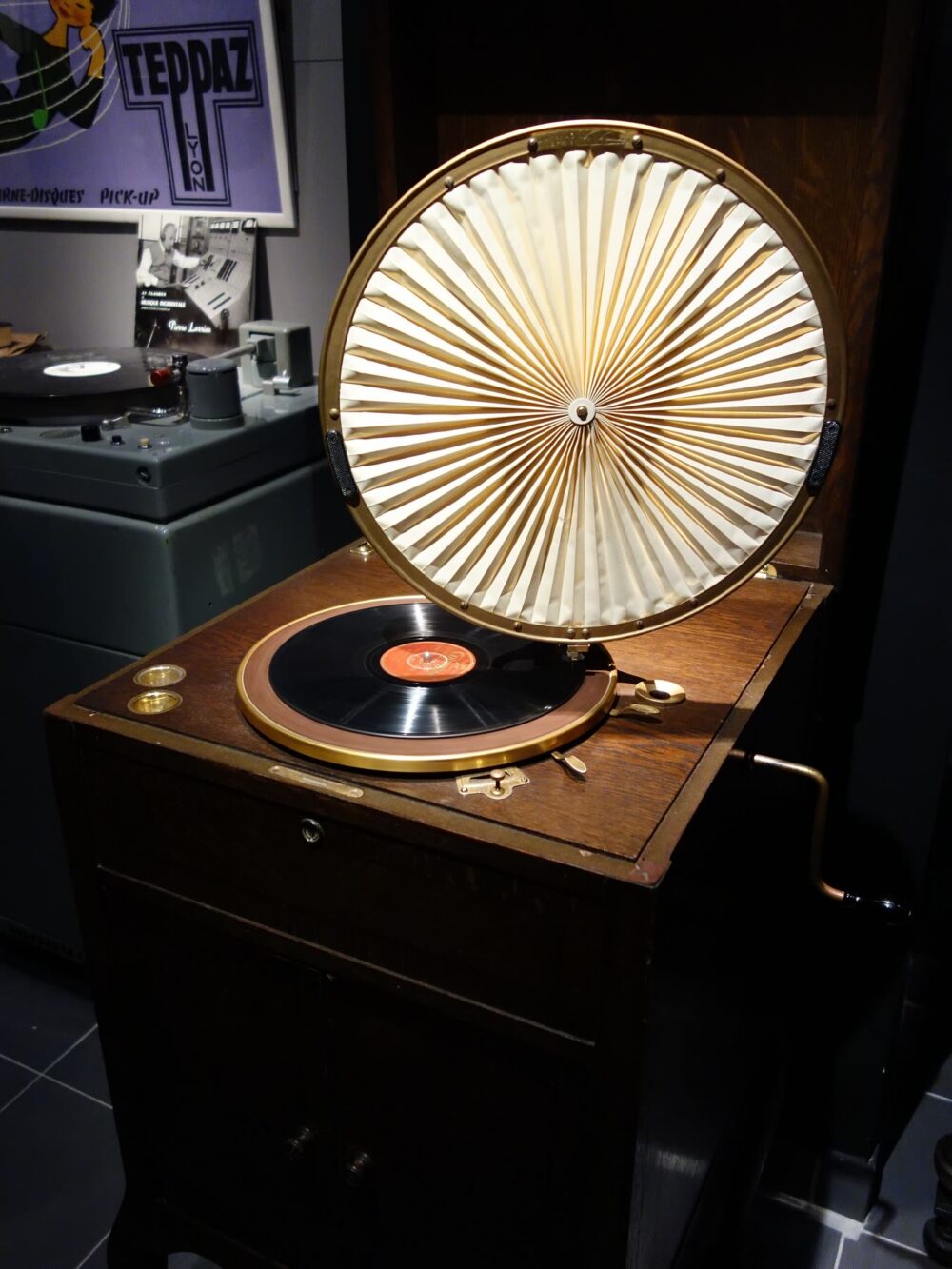
A quick reality check: neither vintage nor new is automatically “better.” If you want a plug-and-play solution for a starter vinyl setup or a gift, a new record player (with built-in amp and speakers) is usually simpler. If you care about period-correct gear and don’t mind cleaning, servicing, or even repairing components, a well-chosen vintage deck can be rewarding. DHgate can be useful for discovering retro-styled new players, but true vintage is more likely to come from local shops or peer-to-peer markets where you can judge condition more safely.
Vintage vs New Record Players: Which Makes More Sense for You?
Think about how you’ll actually use your records.
- You want a simple, all-in-one box. New “suitcase” record players and compact systems often include the turntable, amp, and speakers in one unit. You take it out of the box, plug it in, and play. Vintage record players can also be self-contained, but finding one that doesn’t need service and has intact speakers is hit-or-miss.
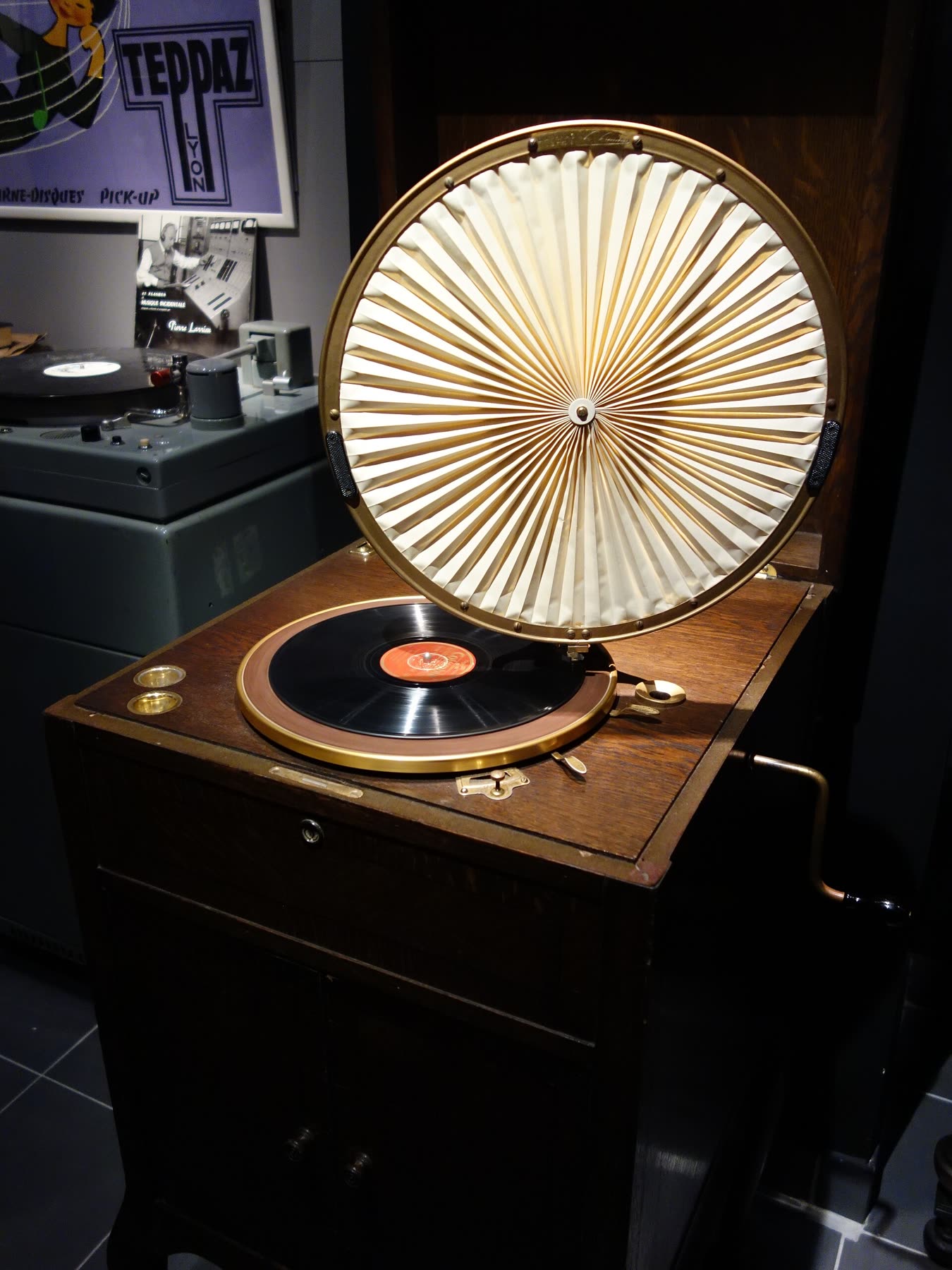
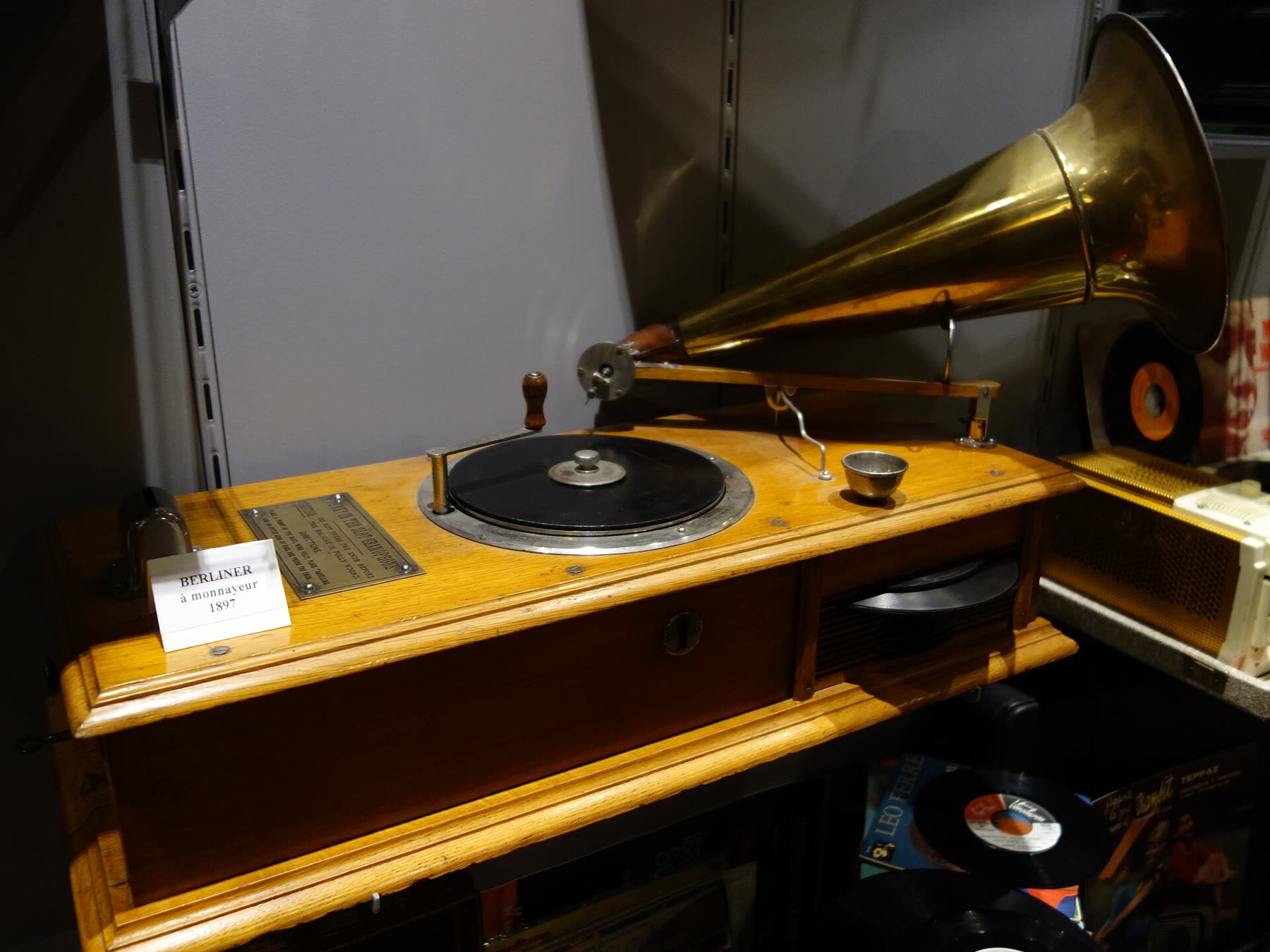
- You care about “the classic vibe.” Vintage machines—old console record players, mid‑century units, or 1970s turntables—offer real historical hardware. Their sound is often described by listeners as warmer or more organic, thanks to design choices of the era and the way aging components color the audio.
- You want modern features and easy connectivity. New record players frequently add USB output for digitizing vinyl and Bluetooth so you can stream to wireless speakers. That simply doesn’t exist on most vintage hardware without modifications.
- You’re honest about maintenance. Vintage gear can be inexpensive upfront if you buy something that needs cleaning or repair, but the total cost often climbs once you factor in new cartridges, belts, and labor. New players rarely need attention beyond basic setup.
If you’re a beginner or gift buyer, lean new. If you’re a nostalgic collector or hobbyist willing to learn basic maintenance, vintage can make sense—and you might even mix: a vintage turntable feeding a modern amp and speakers.
How Vintage and New Players Differ: Sound, Features, Cost, and Use
Before you compare vintage vs new, it helps to separate record players from turntables:
- A record player is a complete unit: turntable + cartridge + built‑in amplification and usually speakers. It plays music on its own once plugged into power.
- A turntable is just the spinning platter plus tonearm/cartridge. It needs an external amp (or receiver with phono input) and speakers.
Many vintage and modern options are turntables, not full record players. That affects both cost and complexity.
Sound character
Listener reports and audio writers consistently describe patterns like these:
- Vintage sound: Often perceived as warm and full‑bodied. Part of this is design (heavy platters, solid plinths, analog circuits), and part is aging components that can add subtle coloration. If you like the feel of classic rock or jazz sounding slightly rounded rather than clinically precise, you may enjoy this.
- Modern sound: A good modern turntable can sound extremely clean and detailed, especially when paired with a decent cartridge and speakers. Many newer decks focus on speed stability and low noise rather than romantic coloration.
There are bad examples in both camps. A cheap vintage portable player with worn parts can sound worse—and be harsher on your records—than a competent entry‑level new deck from a reputable audio brand.
Features and connectivity
Vintage units tend to be simpler:
- Manual speed selection and cueing
- Basic analog outputs
- Little or no automation
New record players and turntables typically add convenience features:
- USB output so you can record vinyl to a computer
- Bluetooth transmitters to pair with wireless speakers
- Automatic start/stop, auto‑return tonearms
- Built‑in phono preamps so you can plug into modern powered speakers
Retailers like Victrola and lifestyle brands such as Urban Outfitters highlight these modern extras as the key differentiators—less tinkering, more connectivity.
Cost and maintenance patterns
Prices vary widely by brand and condition, but some general trends show up across audio discussions and guides:
- Vintage record players/turntables
- Can be cheap if you buy unserviced units at yard sales, thrift stores, or local classifieds.
- Desirable models (classic hi‑fi brands, rare designs) can be expensive, especially if restored.
- Often need belts, cartridges, stylus replacements, lubrication, and sometimes electrical repair.
- New record players/turntables
- Entry‑level all‑in‑one players and basic turntables are widely available in mainstream retail.
- Higher‑end new decks cost more but are designed for long‑term use and upgradability.
- Out of the box, they usually need only basic setup; major repairs aren’t expected early.
A simple way to think about it: vintage shifts cost into time, learning, and possible repairs; new shifts cost into features and convenience.
Ease of use: manual vs automatic
Older players lean manual: you pick up the tonearm, place the needle at the start of the record, and manually lift it when the side ends. Many listeners enjoy this ritual; it creates a very hands‑on experience.
New automatic or semi‑automatic players add button‑controlled cueing and auto‑return. That’s helpful if you’re sharing the system with kids, or if you don’t want to babysit the record. It’s also useful for casual listening while you cook or work—less worry about the stylus riding endlessly in the runout groove.
Quick profile comparisons
Here’s a compact comparison tying these differences to real buyer types:
| Buyer profile | Vintage makes sense if… | New makes sense if… |
|---|---|---|
| Beginner on a budget | You find a simple, working unit locally and can live without modern features. | You want reliable playback with minimal setup and risk. |
| Nostalgic collector | You value original hardware and are willing to maintain it. | You prefer retro styling but still want USB/Bluetooth. |
| Gift buyer (non‑expert) | Only if you know the unit is serviced and easy to use. | You want a safe, plug‑and‑play present for the recipient. |
| Tech‑forward listener | You’re pairing vintage with modern electronics and don’t need built‑in digital outputs. | You want seamless connection to wireless speakers and computers. |
Where to Buy Vintage or New Players Online and How DHgate Fits
Vintage and new record players show up in very different corners of the internet.
- Specialist audio retailers carry new turntables, cartridges, amps, and sometimes used/vintage gear. These are good if you want brand‑new hardware with clear specs and support.
- General e‑commerce sites list a mix of entry‑level new record players, retro‑styled units, and some mid‑range turntables.
- Peer‑to‑peer and local markets (classifieds, forums, local shops) are where much true vintage inventory lives. You can often inspect condition in person or ask detailed questions from enthusiasts.
- Cross‑border marketplaces like DHgate list mostly new products, including retro‑styled players and compact all‑in‑one units that mimic vintage looks.
DHgate’s role is mainly product discovery for new and retro‑inspired gear sourced from overseas sellers. If you browse DHgate for a record player:
- Expect to see a lot of modern designs dressed up with vintage aesthetics—wood veneers, suitcase forms, or horn‑style speakers.
- Treat listings as starting points. Read descriptions carefully to confirm whether it’s a record player (with amp/speakers) or just a turntable that needs extra gear.
- Examine photos for build quality cues: tonearm design, platter material, and whether there’s a proper counterweight and tracking‑force adjustment.
Because cross‑border marketplaces involve many independent sellers, you should:
- Compare similar models on other sites or manufacturer pages to understand baseline features; for example, verify if the claimed Bluetooth or USB functions match what brands like Victress Audio or The Vinyl Factory describe for comparable modern decks.
If your priority is a true vintage unit with known history, DHgate is less relevant; local hi‑fi shops, estate sales, and enthusiast forums will give you more confidence about condition and past servicing. If you mainly want an affordable, retro-looking new record player or a modern turntable, then cross‑border platforms—including DHgate—sit alongside mainstream US retailers as options, provided you’re willing to do the extra homework.