
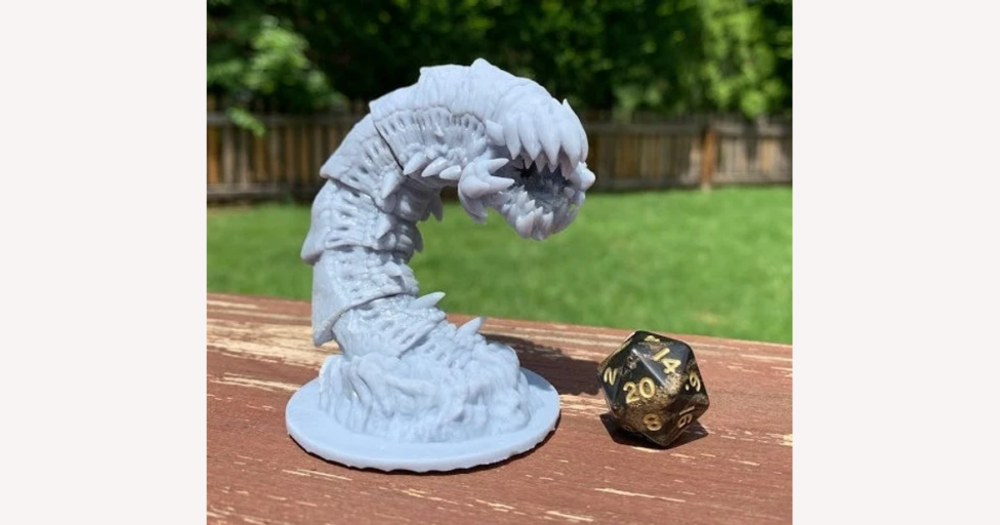
On DHgate you won’t find an official catalog of “rare” purple worm miniatures, but you can still uncover distinctive designs by searching smart and reading listings closely. This guide shows how to treat rarity wording as marketing, then use scale, dimensions, material details, photos, and seller feedback to decide whether a purple worm miniature will actually fit your game and feel worth the risk before you order.
What does “rare purple worm miniature” really mean on DHgate?
On DHgate there isn’t an official rarity tag or curated catalog for purple worm miniatures. Sellers choose words like “rare,” “exclusive,” “limited,” or “collector” on their own, usually to make a design sound special rather than to signal a verifiable scarcity level. In the wider miniatures world, “rare” can mean a limited‑run sculpt, an older or out‑of‑print design, a Patreon or Kickstarter exclusive, or an unusual pose or base, but from outside DHgate you can’t confirm whether any given listing truly matches those conditions.
Because of that, it’s safer to treat rarity language on DHgate as a style hint. If you want more distinctive worms, you can include search terms such as “purple worm miniature unique,” “collector,” or “limited” to surface unusual sculpts or bundles, but your actual decision should rest on concrete details. I would rather choose a clearly specified worm with listed height, base size, scale, material, and several well‑lit photos than gamble on a vaguely described “rare” piece where you can’t tell how big it is or how clean the sculpt looks.
What size and format should a purple worm miniature have for my table?
Purple worms usually function as big or boss monsters on the tabletop, so their physical size matters more than a standard humanoid mini. On DHgate, pay attention to overall height or length, the base diameter or footprint, and any stated scale such as 28–32 mm or notes like “compatible with D&D.” Relate those numbers to your own grid: on a 1‑inch (25 mm) square grid, a base that spans several squares will read as a true boss, while a worm on a single square will feel more like a medium creature. Measuring an existing large mini or dragon on your table and using that as a reference is a practical way to sanity‑check DHgate dimensions.
Pose affects how those specs translate into table presence. An upright, lunging worm might have impressive listed height but a relatively small footprint; a coiled or burrowing sculpt may show a shorter height yet occupy more squares on the grid. Picture where the model will sit among your terrain and how easily it will store in your case when you read numbers like “height” and “length.”
Format details matter as well. Single‑piece plastic worms are generally simpler to build and store, though they may have softer detail or mold lines. Multi‑part resin or 3D‑printed kits can offer sharper sculpting and dynamic poses but usually need gluing, gap‑filling, and more careful handling, especially around thin spines or jaws. Separate bases add flexibility for posing but introduce another assembly step. I would personally lean toward listings that clearly state height, base size, and scale—whatever the format—over worms with vague or missing size information, because clear specs drastically reduce the chance of ending up with something unexpectedly tiny or awkwardly oversized for your table.
How do material and printing method affect a purple worm miniature?
On DHgate, purple worm minis are most often made from hard plastic, cast resin, or various 3D‑printed plastics and resins. Hard plastic tends to be durable and light, so it copes reasonably well with drops, transport, and frequent handling, but the detail may be a bit softer and you’ll often see mold lines or seams that need trimming before painting.
Cast resin usually captures sharper sculpted detail and dramatic textures, which suits a large, ridged monster like a purple worm, but thin parts such as spines, fangs, or exposed ribs can be brittle. Resin often arrives with vents or small casting flaws that need careful cleanup, and the model can chip if it’s knocked against hard terrain or packed loosely in a case.
3D‑printed worms cover a wide range: coarse FDM‑style prints show visible horizontal layer lines and sometimes banding, while higher‑end SLA or DLP prints look much smoother and can rival resin for fine detail. In listing photos, visible layers, fuzzy edges, or stair‑stepped curves suggest a rougher print; crisp ridges, smooth curves, and clean undercuts suggest a better printer and settings. Layer visibility is the main visual clue you have.
Practically, hard plastic is the most forgiving for rough play and transport, but you may spend more time hiding seams and softer detail with primer and paint. Resin and higher‑resolution 3D prints reward careful handling: they look more impressive on the table, but you’ll want padded storage and a gentler touch during games, and you may need extra time for cleanup and gap filling before priming.
I would lean toward clearly photographed resin or high‑resolution 3D‑printed worms when the listing shows close‑up images, names the material, and mentions careful packing, because that balance of detail and protection is worth it to me. If you expect kids to handle the model, travel with it often, or don’t want to worry about breakage, a simpler hard plastic worm that still lists its material and shows honest photos is a sensible compromise. In any case, look for the material name in the description and study close‑ups to make sure the surface quality and likely fragility match what you’re willing to prep, paint, and protect.
What’s a safe way to search DHgate for purple worm miniatures?
- Begin with broad search terms such as “purple worm miniature,” “purple worm model,” or “giant worm mini” to catch the different names DHgate sellers might use.
- Add qualifiers that match what you want—words like “resin,” “unpainted,” “painted,” “28mm,” “32mm,” or “tabletop”—to narrow results toward suitable materials, formats, and scales.
- In the search results, look for clearly lit thumbnails showing the whole model; favor titles or image overlays that mention dimensions, scale, or material, and open only listings that look informative rather than vague.
- Within each listing, check the basics right away: stated height or length, base size or footprint, named scale, material, and whether the worm comes as a single piece or multiple parts. Treat any listing that hides or omits these specs as a skip, even if the photos look dramatic.
- Examine the photo gallery and description for multiple angles, sculpt close‑ups, and any notes about whether you’re seeing a prototype print or the actual product. Keep worms that feel transparent and consistent; discard those with one heavily edited image or mismatched photos and text.
- Review seller ratings, transaction history, and buyer comments—ideally ones mentioning packaging, miniatures, or model accuracy—and confirm estimated shipping times and DHgate buyer protection terms on the page. Save or favorite only worms that combine clear specs, decent photos, and at least some feedback.
- Proceed cautiously: filter out under‑documented or too‑good‑to‑be‑true listings, even if they claim to be “rare” or look unusually cheap, so your shortlist focuses on purple worm minis with reliable, checkable information. If you mainly want to experiment or kitbash, you can accept looser specs, but do it knowingly and keep expectations modest.
How can listing photos and descriptions help me judge sculpt quality?
When you open a purple worm listing on DHgate, treat the photo gallery as your first quality filter. Strong listings show the worm from several angles—front, side, and often top—plus at least one close‑up of the scales, teeth, or surface texture. It’s even better if you see a ruler, grid, or familiar object like a coin in frame, because that makes the model’s footprint easier to relate to the measurements and table size you already checked in earlier sections.
Be wary of single‑angle, heavily edited glamour shots that hide the areas where seams or print lines usually live. In 3D‑printed or cast minis, lower‑quality work often shows stair‑stepping on curved surfaces, fuzzy or melted‑looking detail, and rough patches where supports were removed; higher‑quality production tends to have smoother curves, crisp edges on teeth and spines, and more even texture along the worm’s body. Photos that are slightly honest and unflattering—showing minor flaws along with strengths—are more trustworthy than images that look like a promo render.
Read the description alongside the photos. Phrases like “prototype shown,” “unpainted kit,” or “buyer‑painted example” tell you whether you’re looking at a finished product, a sample print, or someone’s paint job on top of an unpainted kit; colors and finishes can differ if the item is sold unpainted. I would only seriously consider worms with clear, well‑lit photos that match the written specs and make their material and imperfections visible, because that lets me predict how the miniature will really look on the table. If you’re comfortable with heavy conversion or repainting, you can accept rougher photos or more obvious print lines, but treat that as a conscious risk rather than assuming the sculpt will arrive flawless.
How can I gauge DHgate seller reliability for miniatures?
On DHgate, seller reliability is mostly visible through reputation signals on their profile and listings. Look for an overall rating score, how many transactions they’ve completed, and any badges that indicate an established or higher‑tier seller. A purple worm from someone with hundreds or thousands of successful orders is usually a safer bet than the same kind of mini from a brand‑new account with little activity.
Don’t rely only on star averages—read buyer comments. For miniatures and other hobby items, prioritize reviews that mention the item arriving as described, intact packaging with no broken parts, and shipping times that match the estimate. A seller who has several reviews specifically about models or minis is more reassuring than one whose feedback is mostly about unrelated products, because it shows they understand how to pack and ship fragile pieces.
Before you treat a listing as viable, confirm the DHgate buyer protection details shown on the page: there should be clear guarantees around receiving the order, a dispute window if the item is damaged or misdescribed, and information about refund or return options. DHgate’s model typically holds payment until delivery is confirmed, then allows you to open a dispute within a set period if something goes wrong; you’re better protected when those terms are explicit and easy to find. Avoid offers where protections are vague or absent, or where the price is dramatically lower than similar worms, since that can signal corner‑cutting on quality or misleading photos.
For miniatures—especially brittle resin or detailed 3D prints—I would rather pay a bit more to buy from a seller with solid ratings, plenty of relevant reviews, and clear buyer protection than risk a cheaper but opaque offer. Combine these reputation checks with the spec and photo criteria you’ve already used: only when the listing, the gallery, and the seller history all look coherent should you consider adding that purple worm to your shortlist.
Should I buy a painted or unpainted purple worm on DHgate?
On DHgate, pre-painted purple worm miniatures usually show their intended final look in the photos: you can see the colors, shading, and overall table presence before you buy. That’s helpful if you don’t want to paint or don’t have much hobby time, but it typically means a higher price and paint work that ranges from basic mass-produced tabletop quality to occasionally better examples, depending on the seller.
Factory paint can hide very small print or casting flaws, yet it can just as easily emphasize mold lines, seams, or rough prep if the sculpt wasn’t cleaned well. When you’re considering a pre-painted worm, focus on close-up images and realistic lighting that reveal edges, scales, and teeth rather than relying on one dramatic hero shot.
Unpainted purple worms are often cheaper and give hobbyists complete control over color scheme and finish. Because nothing is covered, you’ll see the true surface quality: layer lines from 3D printing, seams, vents, and any rough areas that need sanding or filling. That’s ideal if you’re comfortable with cleanup and painting, but it makes honest, high-resolution photos and clear dimensions even more important—“unpainted” doesn’t mean low-quality, it just means the finishing work shifts to you.
Personally, I would lean toward unpainted, clearly photographed worms from reliable DHgate sellers, because sculpt quality matters more to me than factory paint and I prefer to handle the finish myself. If you mainly want a mini you can drop on the table quickly, choosing a pre-painted worm with strong photos and solid reviews is completely reasonable. Either way, treat “rare” or “exclusive” labels as secondary: your real decision should rest on size, material, photo quality, and seller feedback. The upcoming checklist pulls these checks together into a quick go/no-go filter before you order.
What should I confirm in a DHgate listing before I buy?
- Confirm the listing shows clear scale or dimensions: overall height or length and base size, so you can judge how much grid space the worm will occupy on your table.
- Check that the material is named—such as resin, hard plastic, or 3D-printed—and that it matches your expectations for durability, weight, and detail level.
- Verify the number of parts or assembly format, including whether the worm arrives as a single piece or multiple segments that need gluing and cleanup.
- Review photo quality: look for multiple angles, close-ups of key details, and natural lighting that reveals the sculpt instead of hiding flaws with heavy editing or filters.
- Inspect seller ratings and buyer reviews, looking for enough transaction history and positive comments about packaging, item accuracy, and shipping time—especially for other miniatures or fragile items.
- Confirm shipping estimates and costs, and check that DHgate buyer protection, dispute, and return options are clearly mentioned on or near the listing.
- Treat missing or weak checklist items as red flags. If a purple worm listing fails several of these checks, skip it and keep searching, even if it advertises itself as rare or is offered at an unusually low price.
Answers to common DHgate purple worm miniature questions
Are purple worm miniatures on DHgate usually official designs or third‑party interpretations?
Most purple worm miniatures on DHgate are generic or third‑party sculpts inspired by popular tabletop monsters rather than officially licensed designs. Unless a listing clearly shows recognizable branding or names an official manufacturer, assume you’re looking at an interpretation and judge it on sculpt quality, scale, material, and photos instead of presumed official status or rarity.
How can I estimate a purple worm’s table footprint if the DHgate listing only gives height?
Use the photos and pose to translate height into grid space. An upright, lunging worm with a small round base usually occupies fewer squares than a long, horizontal or coiled sculpt. Look for visible bases, grid lines, rulers, or comparison objects (like coins or other minis) in the images to guess how many squares the base spans. If you still can’t tell how much area it covers, message the seller to ask for base dimensions or length—or skip the listing in favor of one with clearer size information.
Can I find purple worm ‘boss fight’ bundles with terrain or extra pieces on DHgate?
Some DHgate sellers may package a purple worm with terrain, tokens, or other monsters, but these encounter bundles aren’t standard and shouldn’t be treated as guaranteed. If a listing includes extra pieces, read the description carefully to see exactly what’s included and apply the same checks—dimensions, material, photo quality, and seller feedback—to each component. Treat any bundled set as a nice bonus when it meets your normal criteria, not as the main reason to accept vague specs or unclear photos.