
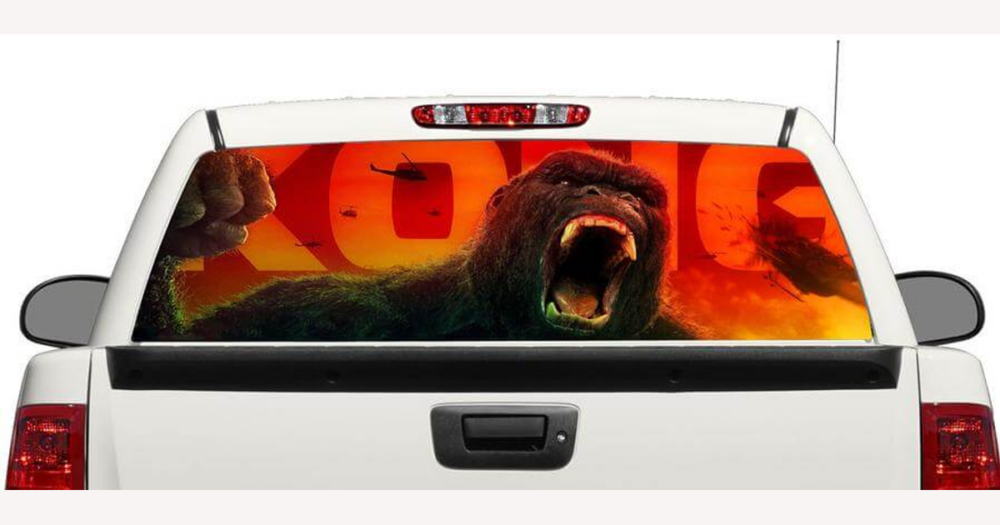
On DHgate, the “best” gorilla sticker for your car is the one that matches your style and chosen spot on the vehicle, is made from outdoor-ready vinyl, and comes from a seller who provides clear specs, real photos, and dependable fulfillment—so you can judge listings confidently instead of hunting for a single top pick.
What “best gorilla sticker for cars” really means on a site like DHgate
On DHgate, “best gorilla stickers for cars” doesn’t mean one official top product; it means a gorilla-themed car decal that actually suits how you want your vehicle to look and holds up in real use. For a car, that usually means outdoor-capable vinyl, adhesive that is strong enough to stay put but appropriate for automotive surfaces, and printing or die-cutting that looks clean rather than jagged or blurry.
Gorilla designs on DHgate range from angry gorilla heads and bold silverback silhouettes to playful cartoon apes, reflective warning-style graphics, and brand tie-ins. What feels “best” depends on whether you want a loud, aggressive hood graphic, a fun rear-window sticker, or a subtle logo-sized mark on a bumper or interior panel, so style and placement are just as important as the material.
DHgate is a marketplace, so you’ll see many similar gorilla stickers from different sellers with varying description quality. Instead of chasing a ranking, treat “best” as finding listings where the seller clearly states vinyl type and size, shows realistic photos of the actual decal, and has a track record of delivering orders reliably. Personally, I’m willing to pay a bit more for thicker outdoor vinyl and sharp die-cut edges that still look good after a year, but if you like changing designs often, cheaper, simpler stickers can make sense as long as the listing and seller signals are clear enough for the level of risk you’re comfortable with.
Materials and build quality that make gorilla car stickers last
For a gorilla sticker that survives outdoors on your car, start by paying attention to the vinyl itself. Many car-ready decals use PVC vinyl, with cast vinyl generally offering better flexibility and long-term conformity to curves than standard calendered films. When a DHgate listing mentions known brands such as 3M, Oracal, or Avery, it usually signals that the seller is aiming at higher outdoor quality, but those names are still indications rather than guarantees, especially if other details are vague.
Marketing terms like “waterproof,” “UV-resistant,” and multi-year durability are shorthand for how the vinyl and inks handle rain and sun. A well-made outdoor decal typically combines a suitable vinyl thickness with good ink and either lamination or a clear protective coating, so it is more likely to resist fading, cracking, or peeling. Actual lifespan still depends on how carefully the sticker is applied, how often the car is parked in full sun, local climate, and how aggressively the car is washed, so treat longevity claims as best-case scenarios rather than promises.
Construction details also matter for how the gorilla artwork looks once it’s on the car. A die-cut decal follows the outline of the gorilla, leaving only the shape on the surface, while a simple printed rectangle or circle keeps a visible background around the design. Clean, smooth cuts, consistent opacity where the design is supposed to be solid, and edges that don’t show ragged white borders all contribute to a sharper, more professional look. I tend to favour thicker outdoor-rated vinyl with crisp die-cutting, because it usually feels more substantial and keeps the gorilla graphic looking intentional instead of like a flimsy sticker, but simpler printed rectangles can still work well for short-term or interior use if you accept their more temporary nature.
Matching gorilla sticker style and size to where it goes on your car
Once you know your gorilla decal will hold up outdoors, the next decision is where it lives on the car and how loud you want it to feel. Big, aggressive gorilla heads or full‑body silverbacks usually make sense on large exterior panels like the hood, doors, or a wide rear hatch—they read as a statement piece and can dominate the lines of the vehicle. Smaller silhouettes or simple profile graphics feel more at home in corners of rear windows, on bumpers, or around number plates, where they add character without taking over the whole car.
Style and size should match the area you’ve chosen. A laptop‑sized sticker that looks great on a tablet or toolbox can disappear visually on a large door but feel nicely balanced in a window corner or on a bumper. Large graphics can be striking on a flat hood or side panel but may look awkward if they run into trim pieces, badges, or strong curves. I tend to favour gorilla designs that echo the car’s existing shapes—following a body line or sitting neatly in a flat section—rather than overwhelming them, but if you love a louder, wilder look, a big central graphic can be exactly what you want.
Visibility and tone also matter. High‑contrast designs—say, a dark gorilla silhouette on a light car, or bold white line art on tinted glass—stand out more from a distance. Reflective or metallic decals catch headlights and streetlights, which can be great if you want the gorilla to pop at night but may feel too attention‑grabbing for some drivers. Softer colours, minimalist outlines, or more playful cartoon apes create a friendlier, understated mood that suits interior surfaces or smaller exterior spots. There isn’t a single right answer; the goal is to choose a gorilla style and size that matches how noticeable you want the sticker to be in everyday traffic and parking lots.
Getting sticker dimensions and fit right for your vehicle
- Pick the exact spot for your gorilla sticker—such as the center of the rear window, a corner of the bumper, or a section of the hood—and use a tape measure to note the available width and height. Leave a small margin around the edges and any trim or curves so the sticker has breathing room and doesn’t feel cramped.
- Read the listing’s dimensions carefully, paying attention to the order (usually width × height) and the units (centimeters vs inches). Compare the listed width and height directly with your measurements of the car area so you know whether the sticker’s maximum footprint will sit comfortably inside the space you’ve marked out.
- Remember that for die‑cut gorilla shapes, the rectangle of width × height describes the outermost points of the design, not a solid block of ink. To picture scale, compare the dimensions to familiar objects—a sheet of printer paper, your phone, or a license plate—and check any photos that show the sticker on a vehicle so you can gauge how large it looks relative to windows, panels, and curves before you order.
Choosing gorilla stickers for windows, paint, and interior surfaces
Where you put a gorilla sticker matters, because glass, paint, and interior surfaces all behave differently. On clean automotive glass, most outdoor vinyl decals adhere strongly and stay put through normal weather. If you ever want to remove them, glass usually lets you peel the sticker away with less risk: gentle heat from the sun or a hair dryer and slow, steady pulling will often release the adhesive without harming the surface, though you may still need to clean off residue.
Painted bodywork is more sensitive. A quality clear-coated finish in good condition can usually handle vehicle-rated vinyl decals, but old, oxidized, matte, or already damaged paint is easier to lift or mark when adhesive is strong or removal is rushed. On DHgate, I’d specifically look for listings that mention car-safe use, automotive or vehicle decals, and removability rather than only generic “strong glue” claims. If the material description is vague or the seller stresses very aggressive adhesion without explaining paint safety, I treat that as a reason to be cautious or keep the sticker on glass instead.
Interior plastics, trim, and dashboards sit somewhere between glass and paint. They see less weather and washing, so lighter, less permanent gorilla stickers can make sense here, but textured or soft-touch surfaces may still show marks if adhesive is harsh. For windows, transparent-film designs often blend better by letting the glass show through around the gorilla, while opaque decals stand out more clearly on colored panels and bumpers. Personally, I prefer putting bold or aggressive gorilla graphics on glass, where removal is simpler, and reserving more modest, well-documented materials for painted panels. If you’re worried about impact, test a smaller sticker in a less critical spot first rather than starting with a huge decal on the hood.
Permanent outdoor decals vs. temporary gorilla stickers
- Permanent-style gorilla decals: Typically thicker, outdoor-rated vinyl—sometimes using named brands—with stronger adhesive and multi-year durability claims. These are designed to hold color and shape through sun, rain, and regular car washes, but they cost more and usually take more time, heat, and patience to remove cleanly from the car.
- Lighter, temporary gorilla stickers: Thinner, more generic vinyl or sticker films that are often cheaper and easier to apply or swap. They can work well for short-term looks, interiors, or occasional use, but on the outside of a car they’re more likely to fade, peel, or look worn sooner, especially in harsh weather or strong sun.
- How to decide on DHgate: Because durability claims in listings can be optimistic or inconsistent, treat multi-year promises as rough expectations, not guarantees. I tend to choose the more durable, permanent-style option if I plan to keep a gorilla graphic on my car for at least a year. If you like changing designs often, mostly decorate interior surfaces, or want to experiment with gorilla themes on a budget, it can be perfectly sensible to pick simpler, less rugged stickers and accept that they’re more temporary.
A DHgate-specific checklist before you order gorilla car stickers
- Check the basics of the listing: make sure it clearly states the vinyl material, any waterproof or UV-resistant claims, and that it is intended for use on vehicles. The title, bullets, and description should tell the same story—if they contradict each other or feel vague, treat that as a red flag.
- Confirm size and units before you imagine how the gorilla sticker will look on your car. Compare the listed width and height (in cm or inches) with your measured car area, and use all gallery photos and buyer-uploaded images to judge real-world scale, edge cutting, and print clarity rather than relying on a single mockup.
- Review seller reliability and your protections. On DHgate, I won’t buy gorilla stickers from sellers with poor ratings, minimal feedback, or unclear specs, even at very low prices. Check ratings, comments, and order volume, then read the estimated shipping time, return and refund terms, and DHgate’s dispute information so you understand how to raise a problem if the sticker arrives late, damaged, or not as described. Policies and interfaces can change, so always re-check details on DHgate right before you pay.
Common pitfalls when ordering gorilla car stickers online
- Unit mix-ups: Confusing centimeters and inches can turn a bold gorilla graphic into a tiny sticker or an oversized panel. Prevent this by double-checking the unit in the listing and comparing it directly to your measured space on the car.
- Orientation and mirroring: Some gorilla designs are mirrored for inside-window application or shown reversed in previews. Read the description carefully to see whether the sticker is meant for inside or outside glass and whether the printed side faces outward, and look for photos of the sticker actually installed on a vehicle.
- Inside vs. outside window use: A decal designed for the inside of the glass may look dull or be harder to see from outside, while an exterior sticker faces more weather. Check where the adhesive is applied and any notes about installation location so your gorilla graphic ends up on the surface you expect.
- Color expectations: Screen colors rarely match printed vinyl exactly, and mockups can exaggerate contrast or glow. Use real-life photos in the gallery or buyer images to gauge how the gorilla artwork looks under normal light, and be prepared for minor shifts in shade or brightness.
- Over-trusting durability claims: Promises of multi-year, weatherproof performance without any material detail are often marketing language, not guarantees. Treat bold durability claims cautiously unless they’re backed by clear vinyl specs and consistent information across the listing, and factor that uncertainty into your decision about price and how long you expect the sticker to last.
FAQ: Longevity, car washes, and removability for gorilla car stickers
Can gorilla stickers on my car safely go through car washes?
Many outdoor PVC vinyl decals that are properly applied will tolerate gentle hand washing and many automatic car washes, especially touchless or soft-cloth types. However, harsh chemicals, very strong pressure jets, stiff brushes, or loose edges can shorten the sticker’s life or lift parts of the design. On DHgate, treat “car wash safe” or “waterproof” wording as conditional: combine it with good application, avoid the most aggressive wash options, and accept that any decal can eventually wear down with repeated washing.
How long can I expect a gorilla car sticker to look good outdoors if the listing doesn’t give a clear lifespan?
General guides for outdoor vinyl decals often mention ranges of a few years in typical vehicle use, with higher-grade, branded outdoor vinyl sometimes lasting longer and lighter, generic stickers behaving more like short-term decorations. On a car, real-world life depends on material quality, how carefully the decal was applied, how much sun and weather it sees, and how it’s washed. When a DHgate listing is vague, assume a shorter, uncertain lifespan rather than multi-year performance, and factor that uncertainty into your expectations about price and how often you may want to replace the gorilla design.
Can gorilla car stickers be repositioned, and how difficult is removal?
Most car-ready gorilla decals are designed to adhere firmly once pressed down, not to be peeled up and re-positioned multiple times. A small adjustment immediately after placement might be possible with some films, but pulling up an applied sticker usually risks stretching, creasing, or weakening the adhesive. Removal is typically possible with patience: warming the decal gently with sunlight or a hair dryer and peeling it back slowly from an edge can help, followed by cleaning any leftover residue. Even so, there is always some risk of minor marks or residue on paint, plastics, or glass, especially on older or delicate finishes, so the guide cannot guarantee completely impact-free removal.