
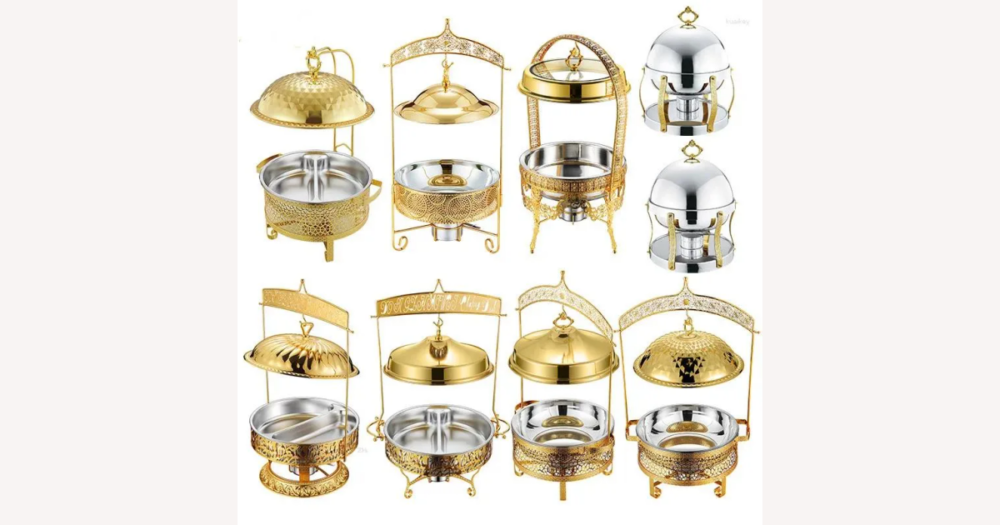
If you’re looking for a trusted place to buy a used chafing dish, DHgate is best understood as a global marketplace rather than a single vetted store. Independent sellers create and describe their own listings, while DHgate supplies the order system, payment processing, messaging, and dispute tools. This guide walks through how those platform features relate to seller trust, shipping, and refunds, so you can see the actual protections DHgate offers, where you’re relying on individual sellers, and whether that risk profile fits your comfort level when buying used catering equipment.
How DHgate fits into your search for trusted used chafing dish websites
DHgate is not a single store that sources and inspects used chafing dishes; it’s a global marketplace where many independent sellers create and describe their own listings. When you search there, any used chafing dish you find will be offered by an individual seller using DHgate’s platform, not by DHgate itself as the merchant.
Because of that structure, “trust” on DHgate is less about the website guaranteeing every listing and more about how well its tools let you judge and manage risk with each seller. The platform provides the order pages, payment processing, messaging, and dispute channels, along with feedback features like ratings and reviews. What it typically does not do is independently inspect used catering equipment or verify every condition claim before a listing goes live.
If you care about minimizing risk, you use DHgate’s rules and tools as a framework: paying only through DHgate, keeping all key communication on the order page, and paying attention to seller reputation and buyer protection labels before you commit. I would rather pass on a tempting low price than buy from a seller whose documentation and platform signals leave me uncertain about condition or recourse if something goes wrong; a reader who is comfortable with more ambiguity might tolerate looser documentation but should recognize that they are accepting extra risk.
The rest of this guide stays focused on DHgate itself: how to read seller reputation signals, follow a careful search and ordering process, understand payment handling and shipping for bulky items, and use dispute and refund tools if a used chafing dish isn’t as described. It does not compare DHgate to other shopping sites or tell you which brand of chafing dish to buy; instead, it helps you decide whether and how to use DHgate’s marketplace structure safely for this kind of purchase.
How to evaluate DHgate sellers before buying a used chafing dish
Once you accept that DHgate is a marketplace of independent sellers, the next step is to read the seller-level signals it provides before trusting a used chafing dish listing. Typical indicators include an overall seller rating, the number of completed transactions, how long the store has been active, buyer reviews and comments, and how quickly and clearly the seller responds to questions. Together, these signals help you screen out accounts that look risky for any used item, especially something as functional and wear-prone as catering equipment.
For a used chafing dish, I would look for a seller with a substantial transaction history, consistently high ratings, and reviews that mention item condition, packaging, and delivery rather than vague praise. I would avoid brand-new or low-activity accounts, stores with repeated complaints about damaged or misdescribed goods, or listings that use generic copy with minimal photos or condition notes, even if the price is very attractive. If your priority is the lowest possible cost, you might choose to relax those preferences—but that means consciously accepting more uncertainty about how accurate the listing is and how smoothly any problem will be resolved.
Keep in mind that DHgate’s ratings and badges only show what other buyers have reported and how active a seller has been; they do not guarantee that a particular used chafing dish has been inspected or refurbished to a specific standard. Treat these signals as a first-pass filter: use them to narrow your options to sellers who appear reliable, then rely on detailed descriptions, clear photos, and responsive messaging to decide whether you’re comfortable proceeding. If any label or badge on a seller profile matters to your decision, it’s worth checking DHgate’s current help pages to confirm what that designation actually means before you rely on it.
Step-by-step: the buying process for a used chafing dish on DHgate
- Search on DHgate for “chafing dish” or similar terms and use any available filters to narrow by type, size, or price, then scan the results for listings with clear photos, condition descriptions, and basic dimensions or capacity.
- Open promising listings and read the description and photos carefully, checking whether the item is described as used, refurbished, or new, what accessories are included (such as lids, pans, and fuel holders), and whether any damage or wear is mentioned.
- From the listing, click into the seller’s profile to review ratings, transaction history, and recent reviews, using the trust guidelines you’ve already formed to decide whether this seller looks appropriate for a used catering item.
- Use DHgate’s messaging system to contact the seller with specific questions about wear, cleanliness, past repairs, and exactly which parts come with the dish, asking for additional photos if anything is unclear, and making sure any promises about condition or included items are written in these on-platform messages.
- Confirm the shipping method, cost, and estimated delivery window based on the listing and the seller’s replies, taking into account the size and weight of the chafing dish and any possible customs duties or import taxes for your location.
- When you’re satisfied with the condition, seller responses, and shipping terms, place the order through DHgate’s checkout flow and then monitor order status and tracking updates inside DHgate, keeping all communication and records on-platform in case you later need them for a dispute.
How DHgate handles payments and buyer protection
On DHgate, payments for a used chafing dish are typically processed through the platform rather than directly to the seller. You choose from the payment methods DHgate currently supports, complete checkout on DHgate, and the platform may hold or manage funds until certain order milestones, such as shipment or delivery confirmation. Buyer protection programs are usually tied to using these official, on-platform payment flows and following DHgate’s rules for orders and disputes, so your ability to request a refund or other remedy depends on staying within that structure and acting within any applicable time limits.
Because exact payment options, holding periods, and protection terms can change, you should treat this as a general pattern, not a fixed rule set. Before relying on DHgate’s protections for higher-value catering equipment, check DHgate’s current buyer protection and payment help pages to confirm which methods are supported, how long funds are held, and what conditions you must meet to be eligible for compensation if something goes wrong.
Shipping expectations for bulky catering items on DHgate
For bulky, potentially fragile items like chafing dishes, shipping on DHgate is largely controlled by the individual seller. They choose the carrier, shipping options, prices, and estimated delivery windows, while DHgate’s role is mainly to display those details on the listing and at checkout, then provide order status updates and tracking once the seller marks the item as shipped.
Because nothing about shipping is standardized across all sellers, you have to read each listing’s shipping section carefully. Check whether the item ships domestically or internationally, how long the stated delivery window is, and whether the seller mentions handling time in addition to transit time. International shipments can mean longer journeys, more handoffs between carriers, and the possibility of customs duties or local taxes, which may not be included in the initial price.
Packaging matters as much as distance for a used chafing dish: thin stainless pans, glass lids, or fuel holders can be bent or cracked if they’re not well protected. Since you can’t see the packaging in advance, your best proxy is the seller’s overall professionalism—clear descriptions, good photos, and solid feedback from other buyers—plus any mention of protective packing in the listing. If the shipping cost looks unusually low for a heavy item, I would assume corners might be cut on speed or packaging and weigh that against the risk of damage.
Before you commit, add the shipping cost to the item price and ask yourself whether the total still makes sense given the age and condition described, especially if return shipping would be expensive. Look for information on who pays for return freight if there is a problem; some arrangements expect the buyer to pay, which can make returning a damaged bulky item uneconomical. I would generally lean toward sellers that ship from closer regions, give realistic delivery windows, and have a track record of successfully delivering large items, because that reduces both shipping uncertainty and potential hassle if something goes wrong in transit.
What to do if something goes wrong: disputes and refunds on DHgate
If your used chafing dish arrives damaged, incomplete, or clearly not as described, the usual first step on a marketplace like DHgate is to contact the seller through the platform’s messaging system. Explain the issue, attach clear photos of the item and packaging, and refer back to the original listing where the condition or features were described. Sometimes sellers will offer a replacement part, a partial refund, or another compromise directly, and resolving it this way keeps the process simpler for everyone.
When the problem is serious or the seller is uncooperative, the next step is to open a dispute from the order page within DHgate’s stated protection period. In that dispute, you would typically submit evidence such as photos of the damaged item, pictures of the shipping box, and screenshots of the listing and message history. DHgate then reviews what both sides submit and mediates an outcome, which might involve a full refund, a partial refund, a return-and-refund arrangement, or, in some cases, a decision that favors the seller if the evidence is weak or deadlines were missed.
The exact timelines, required evidence, and outcome rules are governed by DHgate’s current buyer protection and refund policies, which can change. Before relying on DHgate for higher-value used catering equipment, you should read the latest buyer protection and refund help pages so you know how long you have to open a dispute, what counts as acceptable proof, and under what conditions refunds are available. I would only feel comfortable depending on DHgate’s protections if I were prepared to document everything carefully and accept that not every case will necessarily resolve in the buyer’s favor, even when the platform offers a formal dispute process.
Practical risks of buying used chafing dishes on DHgate
Buying used chafing dishes on DHgate means accepting several risks that are hard to fully assess from a listing. Condition descriptions can be optimistic or incomplete, and photos may not show scratches, dents, warping, or uneven legs that affect stability. Hygiene is another concern: you can’t easily judge how thoroughly a used chafing dish has been cleaned, whether there is baked-on residue, or if internal parts such as food pans or water pans have corrosion or pitting that might matter in a catering setting.
Some listings may not clearly spell out what is included, so you could receive a base frame without inserts or lids, mismatched pans, or missing fuel holders. Because chafing dishes are bulky and relatively heavy, they are more exposed to shipping damage if packaging is thin or improvised; bent frames, cracked lids, or broken handles are realistic possibilities. If something does go wrong and a return is required, international return shipping for a heavy item can be expensive and logistically awkward, and in some cases the cost of sending it back may be close to the price you paid, even when a dispute outcome allows or requires a return.
There is also a gray area between new, refurbished, and used: some DHgate listings may promote refurbished or “like new” items without clearly labeling them as second-hand, while others might reuse stock photos that don’t perfectly match the actual piece you’ll receive. DHgate’s tools can only partially offset these uncertainties. Seller ratings and reviews sometimes surface patterns around condition or shipping issues; buyer comments mentioning dents, missing parts, or delayed delivery are particularly relevant for used catering equipment. Messaging lets you request extra photos of the exact item, close-ups of problem-prone areas, or confirmation of which pans, lids, and accessories are included. If the delivered item is misrepresented, DHgate’s dispute system offers a structured way to seek a partial or full refund, but it still relies on you having strong documentation and staying within deadlines rather than guaranteeing a buyer-friendly outcome every time.
Pre-purchase checklist for used chafing dishes on DHgate
- Check the seller’s track record: look for a solid overall rating, a meaningful number of completed orders, and recent, detailed reviews. Give extra weight to comments that mention item condition, packaging quality, or shipping reliability for similar goods.
- Inspect the listing visuals and condition notes: verify that there are multiple clear photos of the actual chafing dish (not just stock images) and that the description explicitly states whether it is used, refurbished, or new, with notes on visible wear, dents, discoloration, and which accessories (pans, lids, frames, fuel holders) are included.
- Calculate the full cost: add up the item price, shipping charges, and any likely duties or import taxes, and think through how costly return shipping would be if you need to send the chafing dish back as part of a dispute or negotiated resolution.
- Review shipping logistics: confirm the stated shipping method, carrier type, and estimated delivery window, and decide whether the timeline, route, and handling risk feel acceptable for a bulky catering item that could be damaged if mishandled.
- Understand returns and protection: read the return and refund terms carefully, including who pays for return shipping, and make sure the listing shows DHgate buyer protection or a similar program. Plan to complete payment only through DHgate’s checkout so any protection tied to on-platform orders remains available.
- Set your personal non-negotiables: I treat documented condition, an established seller record, and strictly on-platform payment as requirements, not optional extras. You can decide how flexible to be about slower shipping or minor cosmetic wear, but using this checklist consciously helps you see how much risk you’re accepting before you click “buy.”
Common follow-up questions about buying used items on DHgate
Does DHgate clearly separate used from new items, and can I rely on those labels?
DHgate may show condition or style labels such as new, refurbished, or used-like-new on certain categories, but those tags are ultimately based on what the seller selects and how honestly they describe the item. Enforcement of accurate condition labeling is limited, so I treat any “used” or similar flag as a starting hint, not proof. For something like a chafing dish, I would always check the written description and photos for concrete signs of prior use before assuming a listing is truly second-hand, and I’d verify any important label by checking DHgate’s current help pages to see how they define that condition term.
How can I tell if a DHgate listing is genuinely second-hand?
To judge whether a chafing dish on DHgate is really used, focus on specific evidence rather than vague claims. Look for explicit phrases about prior use, age, or past owners, plus notes on dents, scratches, discoloration, or other wear. Check that photos appear to show the actual item from multiple angles, not just stock images; signs of minor wear or variations in finish are more reassuring for a used listing than perfectly polished catalog shots. If the description feels generic or the photos don’t clearly show condition, I would message the seller through DHgate with direct questions about how often it has been used, what cleaning has been done, and whether there are any defects, and only proceed if their written answers are detailed and consistent with the images.
What should I do if a DHgate seller asks me to pay or communicate off-platform?
If a seller suggests paying by bank transfer, external payment link, or any method outside DHgate’s checkout or asks you to move the conversation to another app, you’re being pushed outside the framework where DHgate’s buyer protection normally applies. That is a serious red flag. I would decline, keep all communication inside DHgate, and, if they insist, walk away from the listing entirely, no matter how good the price looks. Paying off-platform usually means DHgate cannot formally treat it as an order, which makes it much harder—or impossible—to use disputes or refunds if the chafing dish arrives damaged or not as described.
Where can I find up-to-date details on DHgate’s condition labels, payment rules, and protections?
Because DHgate’s specific rules and options can change, the safest way to get current details is to read DHgate’s own help center, buyer protection pages, and any policy documents they link from the checkout or order screens. Those official resources explain how they currently define product condition, which payment methods qualify for protection, how long you have to open a dispute, and what evidence they require. I would not rely solely on third-party summaries or older guides for these points; before committing to a used chafing dish, I’d quickly confirm on DHgate itself that the protections I’m counting on still apply to my payment method and order type.