
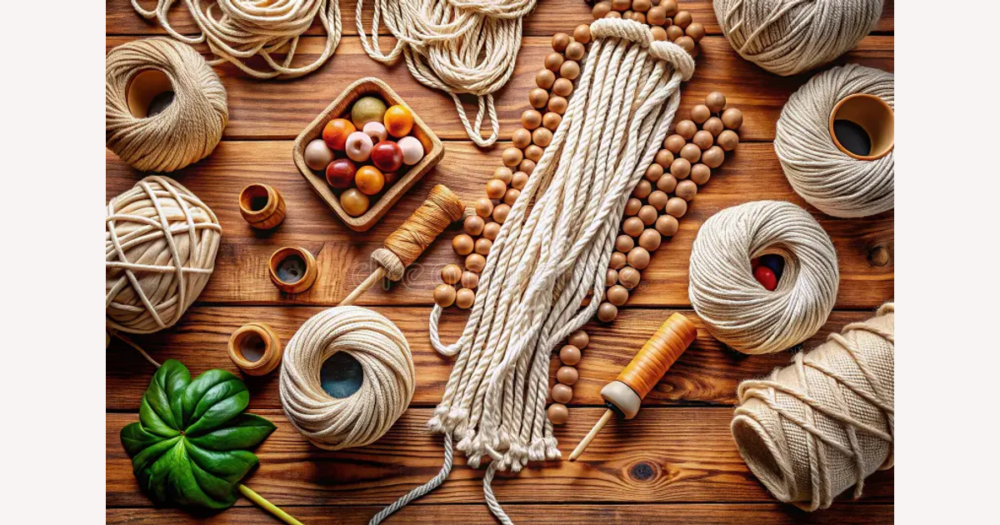
Macrame belt trends for 2026—neutral boho knots, 70s-style beaded bands, braided belts with ring buckles, and colorful wrap designs—mostly rely on simple components: medium-thickness cord, basic hardware, and beads with large holes. That’s good news if you’re shopping on DHgate from Canada, because the platform is built around generic supplies in bulk rather than branded kits or finished artisan belts. This guide shows how to turn your favourite belt look into practical search terms for cord and hardware on DHgate, and how to check sellers, shipping options, and buyer protection so your project feels predictable instead of risky.
How 2026 macrame belt trends translate into DHgate-friendly supplies
You may have first seen macrame belts as finished pieces or pattern PDFs on Etsy or Amazon, but DHgate serves a different purpose: instead of artisan-branded kits, you’re mostly choosing generic cords, rings, buckles, and beads in larger quantities. That works well for most 2025–2026 belt trends because the looks themselves rely on simple materials rather than special labels.
Neutral boho knotted belts—the kind you see in off‑white or beige wrapped around dresses or jeans—are usually built from medium-thickness cord and a simple ring buckle. For this style on DHgate, you’d look for generic listings such as 3–5 mm cotton macrame cord or polyester braided cord in neutral colors, plus wooden ring buckles or metal D‑rings that match your clothing hardware. I would focus on listings that clearly state fiber type, diameter, total length or meters per roll, and ring inner diameter, so the belt hangs and knots the way you expect.
70s-inspired beaded belts add rows of beads into the knots or along the edges. The supplies behind that look are still straightforward: a base of cotton or synthetic macrame cord and beads with holes large enough for your chosen cord. On DHgate, you’d translate this into searches for macrame cord in the right thickness, along with wooden beads large hole or acrylic beads large hole. I’d avoid any bead listing that doesn’t give a hole size or shows only vague size diagrams, because that’s where projects stall when the cord won’t pass through.
Braided or flat bands threaded through simple ring buckles are another common trend, from slim, minimalist belts to wide, sash-like styles. To mirror these, you’d look for polyester braided cord or flat woven cord, combined with wooden or metal ring buckles sized to your belt width. Listings that show close-up photos of the braid, state the exact width in millimetres, and specify whether rings are solid or welded help you judge whether the belt will lie flat and feel secure when worn.
Colorful or ombré wrap-style belts, including adjustable designs that loop multiple times around the waist, mostly depend on consistent color runs and comfortable cord texture. On DHgate, that translates into multi-color cotton macrame cord or dyed polyester cord, plus simple hardware like D‑rings or oval buckles. Here I’d prioritize listings that show real photos of color variations, list the available shades clearly, and specify whether the cord is soft, slightly stretchy, or stiff, as this affects both knotting and comfort.
Across all of these trend archetypes, DHgate’s strength is generic components—cords, rings, buckles, beads—often sold in bulk or multi-piece packs. It’s not the place to expect exact dupes of a specific Etsy artisan belt or a branded pattern kit, and I would treat any listing that appears to copy a branded design without detailed specs as a red flag. If a trend depends on unusual hardware, trademarked motifs, or a named kit that DHgate listings don’t clearly document, I’d personally hesitate and source that element elsewhere rather than guessing.
For macrame belts, I care more about predictability than chasing an exact replica of one listing I saw on another platform. Clear descriptions of fiber type, diameter, color options, bead hole size, hardware dimensions, and realistic photos make it much easier to turn 2026 belt inspiration into a successful DHgate order. Because DHgate inventory and seller mix can change over time, treat these style mappings as starting points for generic supplies rather than promises about specific products, and then use the platform’s current listings to fine-tune your choices.
Step-by-step: using DHgate search and filters to find macrame belt supplies
- Start from the exact belt style you want—boho neutral, beaded 70s, braided ring belt, or colorful wrap—and turn it into generic supply search terms. Combine words like macrame cotton cord 4mm, polyester braided cord belt, wooden ring buckle, metal D‑ring belt buckle, or wooden beads large hole. You can add broad cues such as DIY or craft to nudge results toward making rather than finished fashion, without relying on any single keyword to behave in a specific way.
- Use DHgate’s general categories and filters, where they appear, to narrow results by cord material, diameter, color, length, lot size, and shipping options. Pay close attention to thickness and fiber type, because a 4 mm cotton cord will knot, drape, and feel very different from a thin synthetic string or very chunky rope, and those differences show up in how comfortable and durable the belt feels.
- Open each promising listing in a new tab and compare the details side by side. Read titles and descriptions for clear statements of material (for example, 100% cotton or polyester), cord diameter in millimetres, total meters per roll or per bundle, the number of rings or buckles in a pack, and which colors are actually included. Skip listings that stay vague on these points or rely only on decorative marketing phrases—those gaps often turn into surprises when the parcel arrives.
- Evaluate seller reliability before you get attached to a low price. Check overall ratings, the number of completed orders, how many reviews exist, how recent they are, and whether buyers have posted photos. I would rather choose a listing from a seller with a solid track record and detailed, recent feedback—even if it costs a bit more—than gamble on the absolute cheapest option with almost no history or reviews.
- Look closely at review photos and comments for macrame-specific clues about quality. See whether the cord appears tightly twisted or braided, whether colors look close to the listing photos, and whether buyers mention fraying, shedding, or rough texture. For hardware, scan feedback for notes on whether rings and buckles match the described size and finish, since undersized or sharp-edged pieces can make a belt uncomfortable or impractical.
- When anything critical is unclear—such as cord diameter tolerance, bead hole size, or whether rings will fit multiple strands of cord—send the seller concise questions through the platform’s messaging tools. If the answers are slow, vague, or contradictory, treat that as a sign to walk away. I would always prioritise listings with clear specs, straightforward communication, solid feedback, and realistic shipping windows over an enticing rock-bottom price that leaves you guessing about what will actually show up.
How DHgate payment and buyer protection typically work for craft supplies
When you pay for macrame belt supplies through DHgate, the transaction is usually structured somewhat like escrow. You submit payment to DHgate rather than directly to the seller, and the platform holds those funds while the order is processed, shipped, and delivered. Money is typically released to the seller only after you confirm receipt in your account or after a set period passes without a dispute, adding a layer of protection compared with sending funds straight to a stranger.
Within that structure, DHgate provides buyer‑protection tools you can use if something goes wrong. You can track your order’s status inside your DHgate account and, if the parcel is very late, missing, damaged, or not as described, you can usually open a dispute through the platform. For macrame projects, that might mean cord that arrives much thinner than advertised, colors that are noticeably off, or buckles that turn out to be lightweight plastic when the listing implied metal. Depending on DHgate’s then‑current rules and the evidence you provide, the outcome could range from a partial solution—such as a discount or reshipment—to a refund, but none of these results is guaranteed in advance.
Because DHgate operates across countries and policies can evolve, it’s important to treat any description of payment methods, buyer protection limits, dispute deadlines, and documentation requirements as general guidance, not fixed rules. Details may vary by time and location, so before placing larger craft hauls—multiple rolls of cord, bulk hardware, or supplies for several belts—take a few minutes to read DHgate’s current help or policy pages on payments, buyer protection, and disputes. I care most about predictability, so I would also keep screenshots or PDFs of the listing, order summary, and message history with the seller, and check the dispute timelines and evidence expectations in advance instead of assuming the platform will automatically side with the buyer.
In practice, using DHgate’s tools thoughtfully means confirming that listing descriptions match your needs before you pay, monitoring tracking inside your account, and acting promptly if the order drifts past its estimated delivery window or arrives with serious problems. You can then open a dispute within the required timeframe, attach clear photos and copies of the original specs, and explain the difference between what was promised and what you received. That preparation doesn’t guarantee a refund, but it gives you the best chance to use DHgate’s payment and protection system to resolve issues with macrame belt supplies on fair terms.
Shipping times and customs: planning your macrame project around DHgate delivery
Timing is the next practical question. Many DHgate sellers ship from East Asia or other overseas locations, so cross‑border delivery to Canada often involves multi‑step logistics: export processing, international transport, customs clearance, and handoff to a local carrier. Instead of a quick domestic parcel, you’re usually looking at a multi‑week window where tracking may show several different carrier codes and customs checkpoints before the package reaches your door.
Each listing on DHgate typically includes an estimated delivery range and basic shipping information, such as the method used, the cost, and sometimes whether the item ships from a domestic warehouse or an overseas one. For macrame belts that need to be ready by a specific date—a wedding, market stall, or commission for a client—choose options with clearer tracking and realistic delivery estimates rather than the absolute cheapest shipping. I would rather pick a listing that openly states a longer, believable window than one that promises very fast delivery but has little history or vague logistics details.
Because these parcels cross borders, Canadian customs rules and carrier practices can also affect what happens. Smaller, low‑value craft orders may sometimes pass through with minimal attention, but higher‑value shipments or several combined orders can attract duties, taxes, or extra processing time. The exact thresholds and rates depend on current Canadian law and the way carriers declare the goods, so this isn’t the place for legal or tax advice. Instead, treat customs as another variable: allow for the possibility of additional fees and a few extra days in transit when you’re planning your project budget and timeline.
For macrame belt projects, the safest approach is to work backwards from when you need the finished piece. Order test quantities of cord and hardware well ahead of time so you can feel the texture, check how the cord knots and drapes, and see how true the colors are before committing to a full run of belts. Build generous buffer time into your schedule to absorb shipping delays or customs checks, and avoid promising delivery to a buyer based on the shortest possible estimate. This planning mindset favours predictability over last‑minute risk and makes DHgate’s longer, more variable delivery pattern easier to live with when you’re counting on those supplies for a specific macrame design.
Quality and listing risks when buying macrame cord and hardware on DHgate
- Expect more variation in how clearly DHgate listings describe macrame cord and hardware than on many domestic platforms. It can be a useful source of supplies, but the burden is on you to read each listing critically instead of assuming uniform quality.
- Material vagueness or mislabeling: phrases like “cotton-like” or “soft rope” without clear fiber content make it hard to predict how a belt will feel, wear, or wash. To reduce this risk, favour listings that state explicit materials (for example, “100% cotton”, “polyester”, “nylon”) and include details such as weight, total length, and whether the cord is single twist, braided, or three‑ply.
- Inconsistent or inaccurate cord thickness: if the diameter is off, knots can look bulky or flimsy and the belt may be weaker than expected. Look for listings that give a specific diameter (such as 3 mm or 4 mm) and check buyer reviews for comments on thickness, density, or how the cord holds knots. When available, buyer photos showing finished projects can help you judge whether the stated size matches reality.
- Color mismatch between photos and the delivered cord: filters, studio lighting, and compression can all make colors look different on screen, which matters if you’re matching a belt to an outfit or coordinating several belts. Avoid listings that rely on heavily edited images, and read reviews for mentions of fading, strong chemical smells, or obvious color shifts. For color‑critical projects, ordering a small test roll or starting with a neutral or slightly lighter shade before buying in bulk is a safer way to check how the cord looks in your real environment.
- Hardware quality issues: rings and buckles may arrive thinner, lighter, or in a different metal or finish than you expected, which affects both durability and the overall look. Mitigate this by choosing listings that specify material (for example, “solid brass”, “zinc alloy”, “wooden ring”), size, and weight, and by checking buyer photos for how sturdy the hardware appears once used in a belt. I would pass on vague listings that only show hardware in lifestyle photos without close‑up images or measurements.
- Limited or inconvenient returns: cross‑border orders on DHgate often do not come with the free, no‑questions‑asked returns some Amazon shoppers are used to, and return shipping on low‑value craft supplies can be impractical. Before ordering, read the seller’s refund and return terms, assume that sending items back may be difficult, and treat each purchase as a deliberate commitment rather than a casual experiment. In this context, I prefer paying a bit more for a listing with clear specs, solid feedback, and a long track record over chasing the lowest possible price and hoping to fix problems later.
How DHgate compares to Etsy and Amazon for macrame belt supplies
If you’re coming from Etsy or Amazon, it helps to remember that their roles in macrame belt crafting are different from DHgate’s. Etsy is primarily an artisan and vintage marketplace where many sellers focus on finished macrame belts, handmade supplies, and PDF patterns, often priced to reflect design uniqueness and small‑scale production rather than the very lowest cost. Amazon leans toward widely distributed brands, quick shipping, and standardized return policies for cords, rings, and buckles, which can make last‑minute or highly time‑sensitive belt projects easier to manage.
DHgate, by contrast, works as a cross‑border marketplace that often caters to bulk or semi‑wholesale buyers. Listings may offer larger quantities of generic or unbranded cord and hardware, with longer and more variable shipping windows. That can be an advantage if you want multiple rolls of cord or enough hardware for several belts, or if you’re experimenting with different materials at a lower per‑unit price. It is less ideal when you need a single, specific pattern or branded kit by a firm date, or when you rely on simple, no‑hassle returns.
Personally, I would use DHgate when I’m comfortable working with generic supplies and can keep my project timeline flexible. For a belt that depends on a particular artist’s design, a named brand of cord, or guaranteed delivery and easy returns, I would lean toward Etsy, Amazon, or a local shop instead. It’s normal to mix platforms depending on the project; the point of this guide is to make DHgate as predictable as possible when you do choose it for macrame belt materials.
Check DHgate’s current policies before larger macrame supply orders
Practical DHgate FAQs for macrame belt projects
Is DHgate a good choice if I only need supplies for one macrame belt?
It can work, but many DHgate listings are geared toward larger quantities and slower, cross‑border shipping. If you’re happy to have extra cord for future projects and your deadline is flexible, ordering once and using the surplus is reasonable. For a single, time‑sensitive belt—especially for an event or client—buying from a local shop or a platform with faster, more predictable delivery may be more practical.
How can I keep cord colors consistent if I need to reorder later on DHgate?
Order a little more cord than you need for the first belt so you have a buffer for repairs or a second belt from the same batch. Save screenshots or notes of the listing, seller name, color code, and stated material and diameter. Dye lots and supplier sourcing can change over time, so if exact color matching is critical, it’s safer to buy enough for multiple belts in one order rather than assuming a future batch will be identical. For very strict color requirements, consider combining DHgate with a platform that has more stable, branded inventory.
What should I do if a DHgate seller doesn’t respond to my questions or order issues?
Before you buy, treat non‑responses to simple pre‑sale questions as a warning sign and choose another listing with clearer communication. If you’ve already placed an order and the seller ignores messages about delays or problems, use DHgate’s order management and dispute tools instead of waiting indefinitely. Keep your communication inside the platform, watch the dispute deadlines, and document the listing details, tracking history, and any evidence of defects or mismatches so you have a clear record when you escalate.
Can I mix supplies from DHgate with items from other platforms or local shops?
Yes, many crafters combine DHgate cord with hardware or beads from other sources, but you’ll need to check compatibility carefully. Match cord diameter to bead hole size and buckle openings, compare colors in natural light so neutrals and metals work together, and pay attention to finish—shiny versus matte hardware can change the look of a belt. Treat DHgate as one source of generic components and use other platforms or local shops to fill gaps where you need a specific look, texture, or delivery speed.