
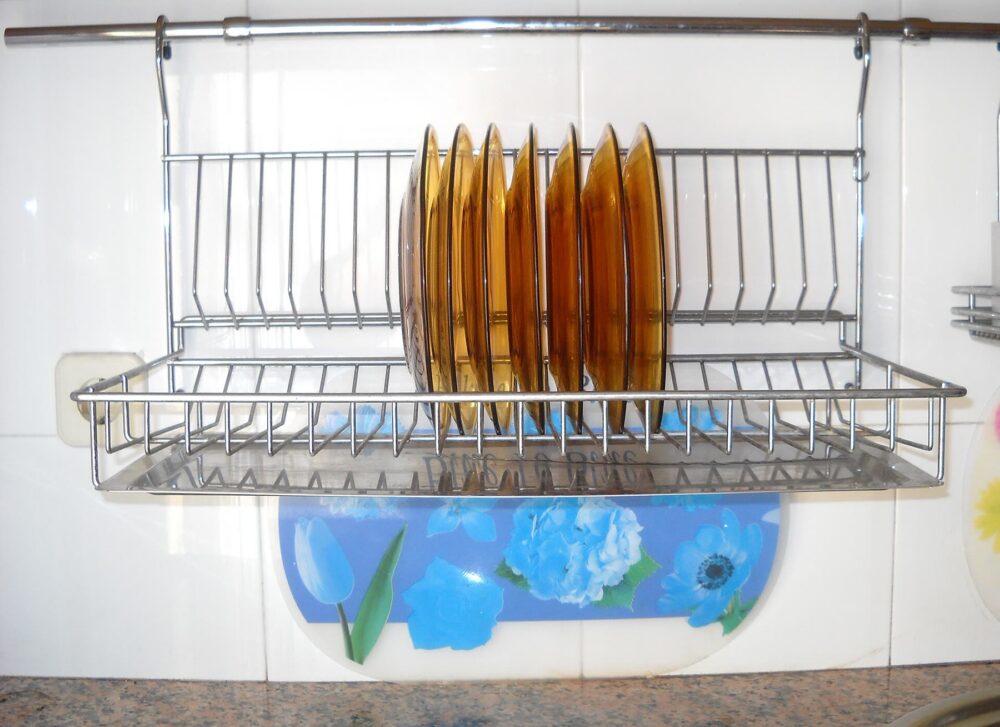
The essentials of a good dish rack are simple: it has to fit your sink layout, hold the volume of dishes you actually wash, and drain water without soaking the countertop. For most Australian households, that means choosing between a basic plastic counter rack (like Rubbermaid’s budget models you’ll see at Lowes in the U.S.) and more engineered options such as stainless-steel frames, collapsible designs, or over-sink racks sold via retailers and marketplaces including Amazon.com.au. For small ecommerce sellers, those same archetypes define what you can reasonably stock and ship.
If you match rack type to your drying habits, then compare designs and prices across local retailers and cross-border marketplaces, you’ll usually get better value than just grabbing the first rack that fits.
What Counts as Dish Rack Essentials for a Modern Kitchen
A dish rack (often called a dish drainer or drying rack) is a kitchen accessory that holds washed dishes upright so they can air‑dry and drain efficiently. It typically sits beside the sink and uses slots, tines, and compartments to separate plates, bowls, glasses, and utensils so water runs off instead of pooling.
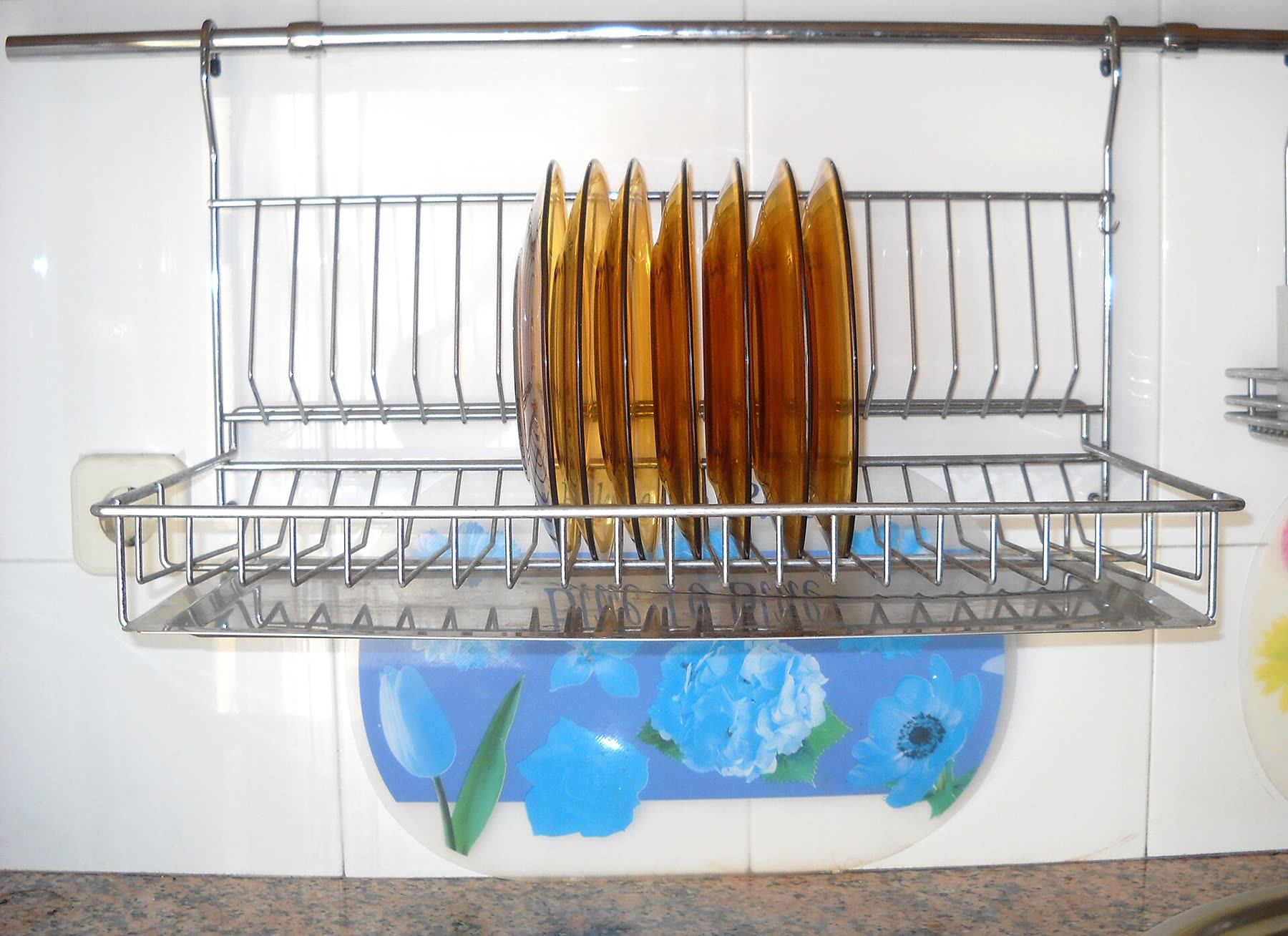
Dish rack essentials boil down to a few everyday components:
- Main plate area – tines or slots that hold plates and lids vertically.
- Flat zone for bowls/pots – a more open area that accepts bulkier items.
- Cutlery holder – a cup or caddy for forks, knives, chopsticks, and cooking tools.
- Drain board or spout – a tray under the rack or an integrated spout that channels water towards the sink.
Products like the OXO Good Grips Foldaway dish rack, the Simplehuman steel frame rack, the Joseph Joseph Extend, the Polder Compact, and the Umbra Sinkin mini rack illustrate how brands mix and match these essentials. The OXO combines plastic and stainless steel and folds down for storage; Simplehuman adds a swivelling spout and wine‑glass holders; Joseph Joseph builds an extendable base; Polder focuses on split‑level capacity; Umbra shrinks everything into a small rack that fits inside the sink.
If you’re in a small apartment, those foldaway and mini styles keep your counter from feeling crowded. In a family home, the essentials lean more towards capacity and a reliable drain system so you’re not constantly towel‑drying the bench.
Key Dish Rack Types and Materials (With Real‑World Examples)
Dish racks break into a few clear archetypes. Each has a typical material mix and price band, which you’ll see repeated across brands, from Rubbermaid budget racks to more premium designs.

Common types you’ll actually encounter
- Standard counter rack – Sits on the benchtop with a separate drain board. Classic Rubbermaid plastic drainers (often paired with an antimicrobial drain board on Amazon.com.au) are good examples: simple tines, a removable cutlery cup, and a tray underneath.
- Over‑sink rack – Spans the sink to save counter space, often in stainless steel. Homes & Gardens has called out over‑sink racks as a distinct trend because they reclaim bench area and keep drips inside the sink.
- Expandable/extendable rack – Starts compact but slides or folds out when you need more drying space. Joseph Joseph Extend is a well‑known example with a base that stretches to accommodate extra plates and cups.
- Collapsible compact rack – Folds or collapses flat so you can store it in a cupboard. The OXO Good Grips Foldaway rack and Umbra Sinkin mini rack show how brands target small kitchens and occasional hand‑washing.
- Multi‑tier or large‑capacity rack – Adds height and extra layers for bowls, cups, and cutting boards. Simplehuman’s steel frame dish rack represents the premium end of this style, with added features like a swivel spout and glass holders.
Materials: how they change maintenance and durability
A quick pass through Australian buying guides such as Homegenius’s overview makes the material trade‑offs clear:
- Plastic – Light, cheap, available everywhere (think basic Rubbermaid). It’s easy to move and usually safe for delicate glassware, but can look worn sooner than metal if scratched.
- Stainless steel – Common in Simplehuman and many over‑sink racks. It’s generally resistant to rust and feels more premium, but any welded joints still need occasional cleaning to prevent buildup.
- Bamboo/wood – Appears in folding plate racks and minimalist designs. It can look warm and natural, but you need to keep it dry between uses to avoid swelling or discoloration.
- Chrome‑plated metal – Shiny and often budget‑friendly. Over time, plating can chip, so it suits lighter use or buyers who don’t mind replacing a rack after a few years.
How the archetypes compare
Here’s a practical comparison using those real‑world styles:
| Rack archetype | Typical materials | Best for | Example products (non‑AU) |
|---|---|---|---|
| Basic counter rack | Plastic or chrome | Everyday hand‑washing, tight budgets | Rubbermaid dish drainer; Polder Compact |
| Over‑sink rack | Stainless steel | Small kitchens that need bench space | Various over‑sink racks on Amazon |
| Collapsible/mini rack | Plastic, bamboo, mixed | Apartments, caravan kitchens, occasional dish loads | OXO Foldaway; Umbra Sinkin mini |
| Expandable premium rack | Plastic + metal hybrid | Families with variable loads and modern sinks | Joseph Joseph Extend; Simplehuman steel frame |
For a typical two‑person household, a compact or collapsible rack is often more practical than a huge two‑tier frame. For a reseller thinking about stocking dish racks, those archetypes translate directly into product lines: low‑cost basics, space‑saving modern designs, and higher‑margin premium racks.
How to Judge Quality and Choose a Buying Channel
Once you know which archetype fits your sink and habits, the next step is judging quality and deciding where to buy—locally or cross‑border.
Quality signals that actually matter
From product reviews and category write‑ups (including Taste Lab’s dish rack guide), you’ll see the same quality signals repeated:
- Stable, well‑spaced tines – Plates should sit upright without wobbling. On racks with adjustable tines (like the OXO Foldaway), check photos to see how they hold mixed dishes.
- Thoughtful drainage – Look for trays that angle toward the sink or spouts that rotate, as with the Simplehuman steel frame rack. Flat trays that pool water are frustrating.
- Smooth edges and coatings – Important for glassware and enamel pots. Stainless designs should show clean welds; bamboo slats should be sanded.
- Capacity that matches reality – A Polder Compact‑style rack might be perfect if you wash a few plates at a time; a large Joseph Joseph Extend or multi‑tier rack makes more sense for nightly family loads.
Local retail vs marketplaces for Australian buyers
On the channel side, Australian buyers have meaningful choice:
- Domestic online retail – Amazon.com.au’s dish drainer and rack section lists hundreds of racks across price bands. You can filter by material, brand, and price, then scan real‑world reviews. For household use, this is usually the quickest way to get a known brand like Rubbermaid, OXO, or Joseph Joseph without dealing with cross‑border logistics.
- Big‑box and grocery chains – In the U.S., Lowes carries Rubbermaid dish drainers with a mix of positive and negative feedback; Australian equivalents are Target, Kmart, Big W, and supermarket chains. The key advantage is seeing the rack in person and checking how it fits your sink.
- Cross‑border marketplaces (including DHgate) – Platforms like DHgate host numerous dish rack and drainer listings from global sellers. A quick snapshot taken on 2026-10-15 shows everything from simple plastic organizers such as “Dish Racks Kitchen Storage Rack Plastic Plate Organizers Pot Lid Holders” (example listing) to multi‑layer stainless racks like “Stainless Steel Dish Rack Plate Dish Utensils Draining Drying Rack” (example listing). Price ranges vary widely, and some listings are clearly aimed at higher volumes or resellers.
For small ecommerce businesses, cross‑border channels can make sense when you want styles that don’t show up at local retailers or you’re chasing a particular margin. You’ll need to do more homework: comparing price ranges, checking how many reviews a listing has, and looking at seller history before treating a product as stock‑worthy. Guides like What DHgate is and how the marketplace works and Find trusted sellers on DHgate can help you frame those checks.
For household buyers, a simple decision rule works: if you just need a functional rack quickly, start with local options (Amazon.com.au, bricks‑and‑mortar chains). Explore cross‑border marketplaces only if you’re chasing a specific style—such as a tall multi‑tier rack or a very low‑profile organizer—that you can’t easily find or afford domestically.
If you do move into cross‑border sourcing for resale, use an order checklist like Review the DHgate order-readiness checklist to make sure total landed cost, packaging, and product specs still line up with your dish rack essentials: a rack that actually fits customers’ sinks, feels solid out of the box, and doesn’t turn their countertop into a puddle.