
Santiago is a serious shopping city: you get US-style mega-malls, outlet clusters on the edges of town, dense historic-center shopping streets, and traditional markets that still draw locals every day. For a US traveler or small ecommerce seller, that makes Santiago less a place to buy bulk stock on the spot and more a live showroom: you can see what Chileans actually buy, test small quantities of fashion, jewelry, or packaged foods, then decide later whether to source ongoing inventory through online marketplaces or local suppliers.
How Shopping Works in Santiago and Who It’s Good For
Santiago’s retail scene is layered. Large enclosed malls handle mainstream fashion, chain electronics, and home goods. Guides to the city describe a diverse mix that also includes historic pedestrian streets with small galleries, bohemian districts with independent boutiques, and traditional markets for food and everyday products.Source For a US visitor, it will feel broadly familiar in the malls and distinctly local once you step into markets or artisan streets.
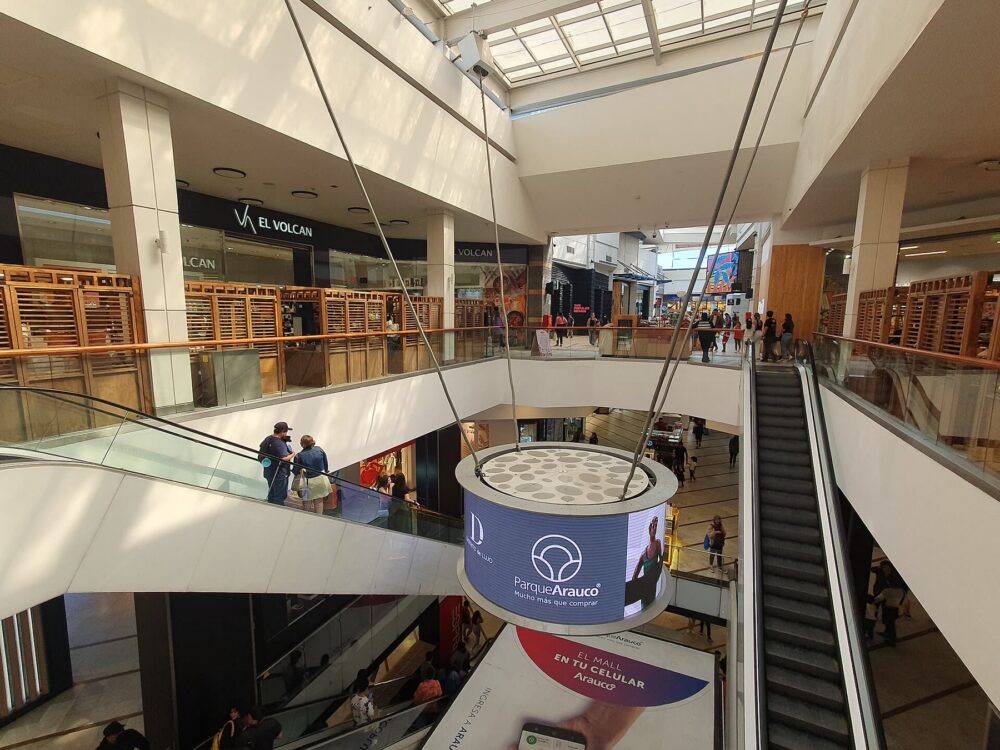
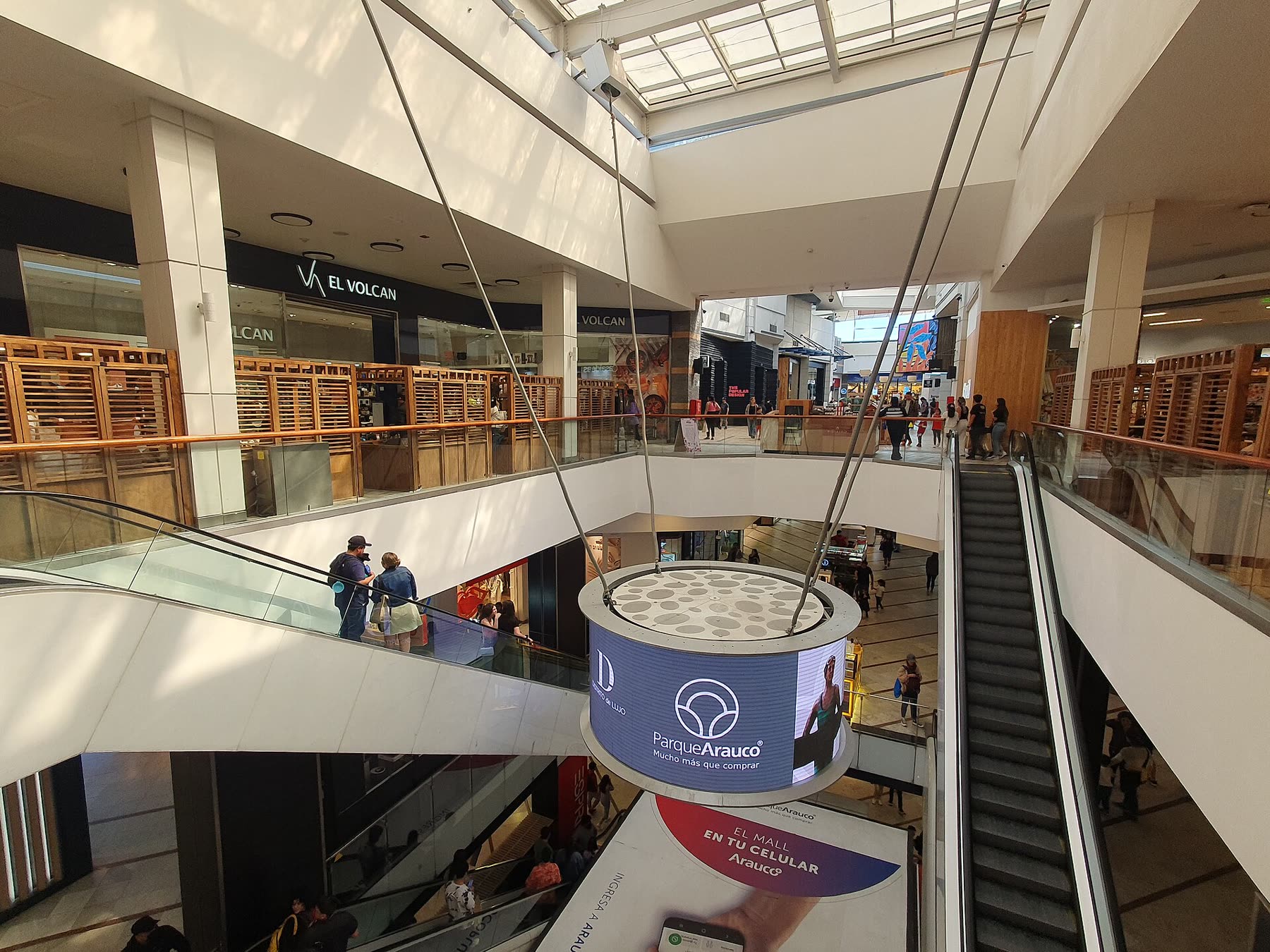
Costanera Center in Providencia is one of the flagship malls, with hundreds of stores and a heavy concentration of international fashion and consumer brands.Source Other malls in wealthier districts (like Parque Arauco, based on multiple travel guides) lean toward mid-to-upper price points and recognizable global labels. Prices on imported brands often won’t beat US online deals, but they help you see what’s trending regionally.
Who actually benefits from shopping in Santiago:
- Leisure shoppers: looking for one-off purchases—Chilean wine, lapis lazuli jewelry, local design pieces, or a few fashion items that aren’t common in US malls.
- Micro-sellers and side-hustlers: treating the city as a research lab—spotting local brands, checking quality, and bringing home small test batches.
- Growing ecommerce sellers: getting a feel for how Chilean brands position themselves, then deciding whether to work with those brands or look for analogous items from global suppliers later.
If your goal is lowest-unit-cost bulk inventory, a flight to Santiago rarely pencils out. If your goal is product insight and unique small-batch stock, a 2-3 day structured scouting stop can be valuable.
Where to Shop in Santiago: Malls, Outlets, Markets, and Artisan Streets
Here’s how Santiago’s main shopping venues break down by price level and product focus.
| Venue type | Typical price level (vs US) | Best for |
|---|---|---|
| Large malls (e.g., Costanera Center) | Similar or higher on global brands | Mainstream fashion, electronics, home goods |
| Outlet clusters | Lower on past-season stock | Discount branded apparel, shoes, sportswear |
| Historic-center streets | Mixed, often moderate | Shoes, clothing, small shops, local services |
| Bohemian/artisan districts (e.g., Lastarria) | Moderate to premium | Independent design, art, jewelry, books |
| Traditional markets | Generally lower on basics | Fresh food, local snacks, everyday items |
This table is based on patterns described in Santiago-focused shopping guides, not specific store-by-store prices.
Big malls: fast, comprehensive, brand-heavy
Costanera Center is a very large multi-level mall and a central reference point for shopping in Santiago.Source You’ll find international fashion brands, sports chains, electronics, and a big supermarket in the complex. Other large centers described in guides from travel and shopping sites—such as those in the Las Condes and Vitacura areas—offer similar mixes with some higher-end brands.
These malls work well if you:
- Want a quick read on what’s mainstream in Chilean apparel or electronics.
- Need reliable payment acceptance (credit cards are standard in most mall stores).
- Prefer a controlled environment with long opening hours.
They’re weaker for discovering unique products; many brands are global and already accessible from the US.
Historic center: pedestrian shopping and galleries
In the historic center, especially around pedestrian streets and arcades, you get a different texture. Local guides describe numerous galleries and small shops concentrated in this area.Source Expect clothing retailers, shoe stores, small electronics shops, and services aimed at office workers and commuters.
For scouting, this is where you can:
- Observe mid-market price points for everyday fashion and accessories.
- See how local multi-brand stores curate cheaper and mid-range items.
- Spot small labels that may not yet have broad international distribution.
Cash and card are both used here; always keep your card visible when paying and avoid showing large amounts of cash.
Bohemian and design neighborhoods: Lastarria and beyond
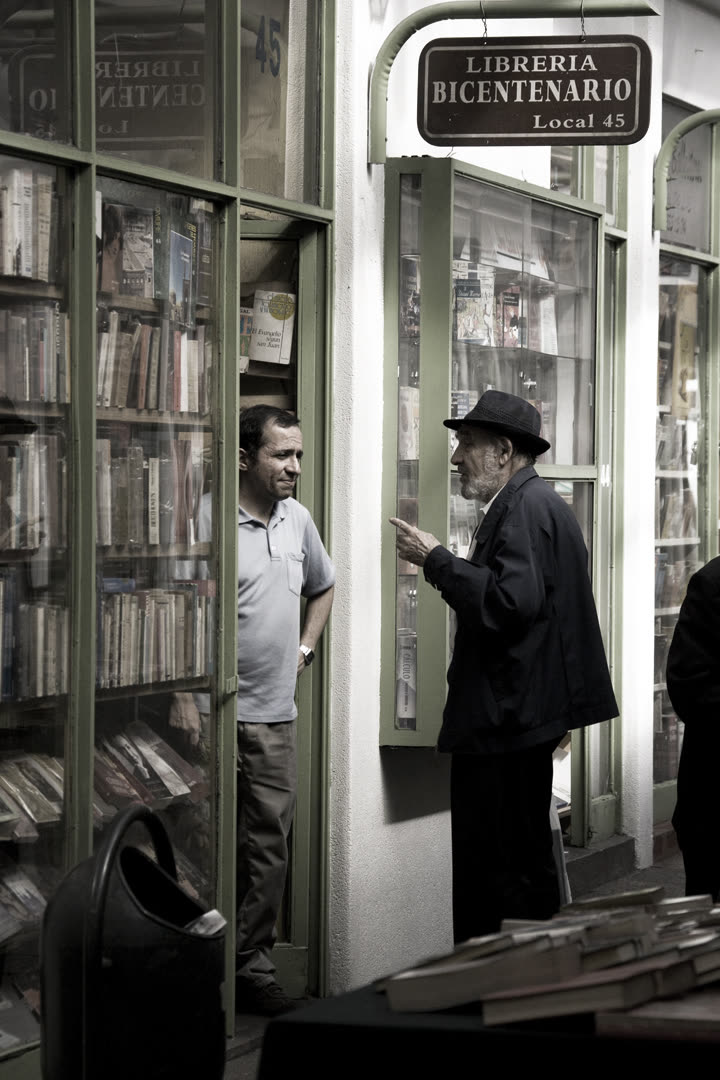
Neighborhoods such as Lastarria, often described as bohemian and artsy, focus more on independent boutiques, design shops, and small bookstores than on chain stores.Source You’ll see:
- Chilean and Latin American fashion designers.
- Handcrafted jewelry and accessories.
- Art prints, books, and home decor that appeal to tourists and locals who value design.
For a US ecommerce seller, this is a strong hunting ground for inspiration and limited-quantity buys—think 5-20 pieces of a standout accessory rather than cases of standardized goods.
Traditional markets: local life and food products
Santiago has traditional markets that are still part of everyday shopping for many residents. Guides note that these markets focus heavily on fresh produce and food items and attract both locals and tourists.Source
From a sourcing perspective, markets are useful to:
- Understand local food culture and packaging—what snacks, sauces, or pantry items locals actually buy.
- Buy small quantities of durable, well-packaged items (e.g., spices, teas, candies) to test in the US, as long as they comply with US customs and food import rules.
Avoid assuming all food items are legal or practical to bring back. If in doubt, stay with commercially packaged, labeled products and double-check US customs guidance before your trip.
Quick safety and payment notes
Tourism and port guides for Santiago emphasize standard big-city precautions: keep valuables secure, especially in crowded streets and markets, and be alert to pickpocketing around busy transit and shopping areas.Source In malls and established shops, card payments are common; in markets and smaller stalls, expect to use cash more often.
Turning a Santiago Shopping Trip into Product Discovery for Your Online Store
You can treat a 3-day stop in Santiago as an experiment: validate product ideas in person, then decide whether to source locally, buy online from Chile, or look to global marketplaces.
1. Plan your route by product goal
For a short visit aimed at scouting:
- Day 1 – Malls: Walk Costanera Center and one other major mall. Note which apparel, accessories, and electronics categories look crowded and which seem under-served. Pay attention to Chilean or regional brands you don’t see at home.
- Day 2 – Historic center + markets: Use central streets and galleries to price-check mid-market fashion and accessories, then visit a major market to survey food and everyday items.Source
- Day 3 – Lastarria/bohemian areas: Focus on design-driven products—jewelry, bags, prints, decor—that stand out and could justify higher margins with a story behind them.
Keep a simple spreadsheet or notes app with product photos (where allowed), prices in pesos, and quick comments on quality and packaging.
2. Test-buy in realistic quantities
As a US-based small seller, you’re limited by luggage space and customs rules. Practical guidelines:
- Favor small, non-fragile items: scarves, jewelry, accessories, compact decor, and commercially packaged foods.
- Buy small runs: 5-20 units per SKU is usually enough to test demand in your online shop.
- Keep receipts, labels, and any contact info in case you later want to approach a brand or craftsperson about repeat orders.
For customs and duties, US rules depend on total value, product type, and purpose. If you’re buying primarily for resale, you may face different requirements than a tourist bringing back personal items. This article is not legal or tax advice—review official US Customs and Border Protection guidance before traveling.
3. Decide how to scale: local online vs global sourcing
Chile’s ecommerce sector is relatively developed; industry reports rank platforms like Mercado Libre and Falabella among the largest online retailers serving Chilean shoppers.Source If a product you like is from a Chilean brand, options after your trip include:
- Ordering more directly from the brand (if they ship abroad or are open to wholesale arrangements).
- Placing orders through Chilean ecommerce sites and using freight forwarders, where that fits your cost structure and risk tolerance.
If what you discovered in Santiago is more of a category insight—say, minimalist silver rings, compact crossbody bags, or specific gadget accessories—you might instead source similar items globally. That’s where cross-border marketplaces come in. Large China-based B2B platforms such as DHgate list many fashion, accessory, and electronics categories. Once you’ve validated that a style or product type sells, you can compare those global listings on your own criteria (seller track record, product photos, sample quality, and total landed cost) before deciding whether it’s a viable alternative to Chile-specific sourcing. For a broader understanding of how that marketplace operates, see what DHgate is and how the marketplace works.
Whichever channel you use post-trip, your time in Santiago gives you real-world benchmarks: which features Chilean shoppers value, what packaging feels premium enough, and what price bands still look acceptable when converted into US dollars. That context makes any later online sourcing—local or cross-border—much more grounded.