
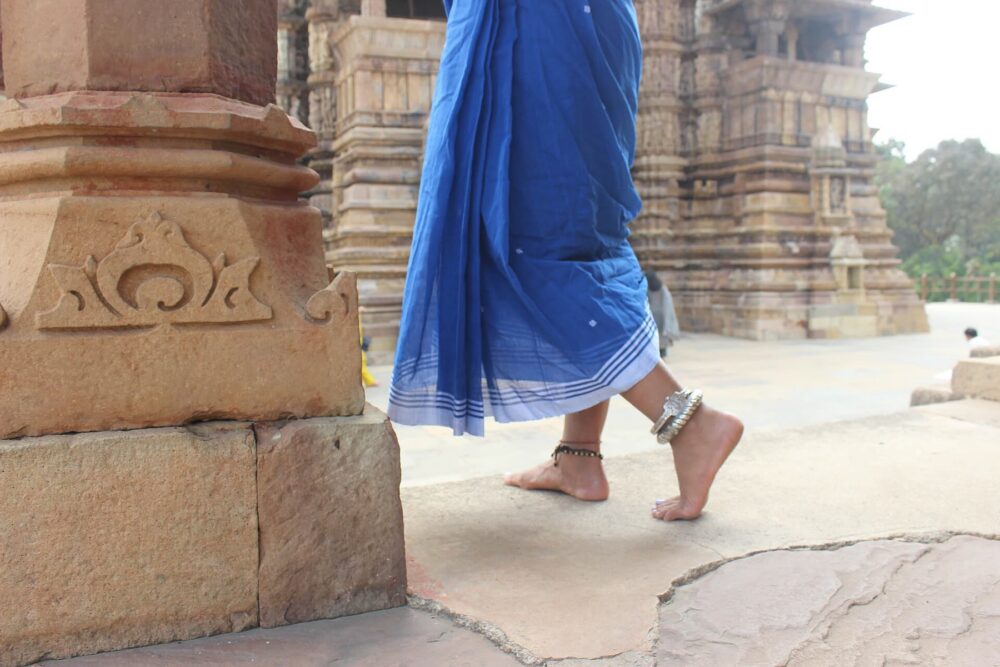
For an Australian bride or small reseller, the best Indian silver anklets for weddings are heavier 925 sterling payal with intricate Indian motifs and ghungroo bells, sourced from a specialist Indian jeweller that ships internationally or a carefully vetted cross-border marketplace. Those channels tend to offer the bridal cues families expect—sound, weight, and symbolism—while local Australian shops and generic fashion sites lean toward lighter, more minimal designs better suited to everyday wear.
What Makes an Indian Silver Anklet ‘Wedding-Grade’?
Indian silver anklets are more than simple ankle chains. In many regions they’re called payal (Hindi), kolusu (Tamil), pazeb (Urdu/Hindi), or pattilu (Telugu), and they’re long-standing ornaments with cultural weight in weddings and festive wear.Source

For wedding use, look for:
- Material and purity
Bridal pieces are usually sterling silver (925), meaning about 92.5% silver. Indian-focused sites such as Anokhi’s anklets/payal range and Kicky & Perky’s silver anklets highlight 925 in their product titles or descriptions, which is a good benchmark when you compare listings.
- Weight and presence
Everyday anklets can be a thin single chain. Wedding payal often use multiple strands, plaques, or solid segments so they sit visibly over the foot. Browsing Indian jewellers like Karizma Jewels’ anklets section you’ll see designs that are wider and denser than typical Western ankle chains, aimed at bridal and festive outfits.
- Sound: ghungroo bells
Many traditional anklets carry small bells, or ghungroo, that create a soft chime as the bride walks.Source On photos you’ll see clusters of tiny spheres along the edge of the anklet. Wedding-grade designs usually use multiple rows of bells, whereas everyday styles might have a single sparse line or none at all for office wear.
- Motifs and surface work
Indian bridal pieces lean into symbolism and craftsmanship: floral borders, peacocks, or temple-style detailing. A good illustration is the Kunjara elephant and lotus 925 sterling silver mesh anklet from The Ko Jewellery Shop, which combines an ornate mesh base with elephant and lotus motifs in a very wedding-ready way.Source You don’t need that exact piece, but a similar level of intricacy is a useful reference.
- Colour finish
Most wedding anklets are bright polished silver, but oxidised finishes with blackened recesses are common in certain regional looks. Product photos on sites like Anokhi show how oxidisation emphasises carving and makes the design read clearly in photos and in person.
If you’re sourcing for resale, being able to quickly read these cues in pictures and descriptions is crucial. It helps you avoid buying lightweight “fashion anklets” when your audience is looking for heirloom-feeling bridal payal.
Quick listing-language cheat sheet
When you scan listings across retailers or marketplaces, these terms often flag Indian-style pieces:
- Payal / Pajeb / Pazeb – generic Indian anklet terms, often used for heavier pairs.
- Kolusu / Pattilu – South Indian language terms that may surface on India-based sites.
- Ghungroo – presence of bells.
- Temple, peacock, lotus, elephant – typical motif keywords for more traditional looks.
Comparing Wedding Anklet Designs Across Major Buying Channels
Australian buyers usually bounce between three broad options: India-based jewellers with worldwide shipping, global online jewellers/marketplaces, and local Australian retailers. Each tends to emphasize different styles and trade-offs.
| Channel type | What the designs look like | How strong are the Indian bridal cues? | Practical notes for AU buyers |
|---|---|---|---|
| India-based jewellers with international shipping (e.g., Anokhi, Karizma Jewels, Shining Silver, PS Jewellery) | Wide range of 925 silver payal, including multi-layer chains, ghungroo-heavy borders, oxidised tribal styles, and temple-inspired pieces.SourceSourceSourceSource | High. Listings prominently use terms like payal, pazeb, ghungroo, and often show pairs styled with lehenga or saree, signalling clear wedding use. | Best place to match specific regional tastes (North vs South styles). Need to factor in cross-border shipping time and any import costs, but selection for weddings is deep and targeted. |
| Global online jewellers & marketplaces (e.g., Indo-fusion retailers like Libasaa; large generic marketplaces) | Mix of generic silver anklets and some pieces tagged as Indian-style or traditional. You’ll see simple chains, charm anklets, and a smaller subset that mimic ghungroo or temple motifs.Source | Medium and varied. Some items clearly copy Indian bridal styling; others are just standard anklets with “Indian” in the title. As Cross-border multi-seller’s own bridal jewellery editorial shows, you need to inspect metal details, design photos, and reviews listing by listing rather than assume cultural authenticity.Source | Useful for experimenting with different price tiers and styles. Selection is broad but not always curated for weddings, so buyers must filter carefully for 925 silver, bells, and motif work before ordering to Australia. |
| Local Australian jewellery & fashion retailers (online or in-store) | Often stock simple sterling anklets aimed at Western outfits: single chains, small charms, occasional boho-inspired multiple strands. Some import Indian-style pieces but usually a limited subset. | Low to medium. A few designs echo Indian motifs, but full-on bridal payal with dense ghungroo and regional patterns are less common. | Easiest for sizing and returns and fastest delivery. Great for minimalist brides or Indo–Western looks; less ideal if you need multiple traditional pairs for a full Indian wedding party. |
For visual reference, look at how Karizma Jewels styles multi-strand anklets compared with the lighter, more universal pieces in Libasaa’s anklet collection. The difference in density, bells, and motif work mirrors what you can expect across these channel types in general.
Best Channels for Different Wedding and Resale Scenarios
Because each channel has clear strengths, the “best” source depends heavily on your situation in Australia.
1. Single bride, one or two key anklets
If your priority is one perfect pair that feels culturally right, your best bet is usually an India-based jeweller that ships internationally:
- Sites such as Anokhi and Karizma Jewels curate 925 silver payal specifically for Indian outfits, from slim ghungroo rows to heavy bridal sets.
- You can browse until you find the exact bell density, motif style (lotus vs peacock), and oxidised vs bright silver finish your family prefers.
Use global marketplaces or local Australian stores if:
- You want a very minimal Indo–Western look and don’t need traditional sound and weight.
- You’re working with a tight timeline and can’t risk longer India–AU shipping.
2. Family wedding, multiple bridesmaids or relatives
For several coordinated but not identical pairs, you may want a blend of channels:
- Source the bride’s main anklet from an India-based jeweller so the hero piece has strong bridal cues.
- Pick simpler, lighter designs for sisters or cousins from Indo-fusion retailers like Libasaa’s Australian site or from local silver-anklet sections; these often carry matching themes (e.g., all floral, all oxidised) without the full bridal weight.
This split approach keeps the overall look cohesive while managing budget and shipping complexity. It also helps if some relatives are more comfortable in light, non-bell anklets for long events.
3. Small Australian ecommerce seller testing Indian silver anklets
If you’re a boutique owner or online seller in Australia, your needs are different again: margin, variety, and repeatability.
- Pilot collections via marketplaces and Indo-fusion retailers
For a small initial range, it’s often pragmatic to test assorted Indian-style and Indian-made designs from global marketplaces and Indo-fusion suppliers.
- Platforms that host multiple suppliers (including DHgate in the broader cross-border mix) can expose you to many manufacturing styles, but you must manually verify each listing’s stated silver purity (e.g., 925), close-up photos of bells and motifs, and buyer reviews before placing a larger order.Source
- Retail-facing sites like Libasaa show what styling and price points resonate with Indo-diaspora customers, which can guide your own assortment and photography.
- Level up with direct sourcing from Indian jewellers
Once you see which styles move—say, oxidised ghungroo-heavy pieces versus polished floral chains—you can approach India-based silver specialists such as PS Jewellery’s silver anklets section or Shining Silver’s anklet collection for more consistent design lines. These sites show wide ranges of 925 anklets, making it easier to build a coherent collection.
- Sizing and alloy notes for imports to Australia
- Indian payal are often listed by length in inches or centimetres; many fall around the 9-10.5 inch range on resale sites.Source Check your local customer base’s preferred fit and consider stocking extenders.
- Sticking to explicitly marked 925 sterling gives you a clearer story for Australian buyers and aligns you with what established brands like Kicky & Perky already market in their product names.
If you anticipate higher volumes or want to add Indian anklets to a broader cross-border strategy, it can also be useful to understand how different marketplaces behave overall; DHgateWiki’s comparison of major cross-border platforms at Compare DHgate with AliExpress, Alibaba and Temu is a good starting point before you commit to a specific channel mix.