
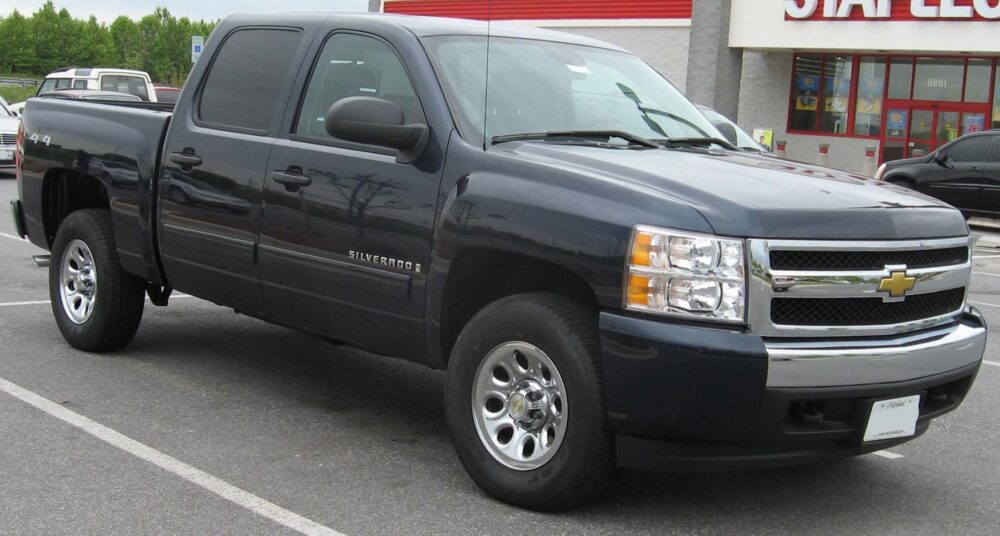
Chevrolet Silverado OEM bumpers are GM-engineered front and rear bumper assemblies and components that match the truck’s factory-installed parts. For wholesale buyers, “OEM” means GM Genuine or ACDelco parts built to Chevrolet’s specifications, not just a bumper that happens to fit. If you’re sourcing for US resale or fleet repair — especially for newer 2024-2026 Silverados — you need channels that can prove GM origin and the correct part numbers, or you risk safety issues, returns, and legal headaches.
This guide focuses on how those OEM bumpers move through the supply chain, how to vet suppliers for authenticity, and how different sourcing channels (including marketplaces) fit different order sizes.
How OEM Chevrolet Silverado Bumpers Move Through the Supply Chain
At the manufacturing level, Silverado bumpers are designed and validated by GM, then produced by GM or contract manufacturers under GM’s control. Once a truck leaves the plant, the same bumper assemblies and subcomponents are sold as service parts under the GM Genuine Parts and ACDelco brands.
Official Chevrolet/GM parts sites organize these parts by:
- Model year (e.g., 2024-2026)
- Truck line (Silverado 1500 vs 2500HD/3500HD)
- Trim (LT, LTZ, RST, Trail Boss, High Country, etc.)
- Engine (2.7L turbo, 5.3L V8, 6.2L V8, 3.0L diesel, and so on)
- Bumper position and type (front bumper fascia, impact bar, brackets, rear bumper, covers)
On GM’s own catalog and partner sites like parts.chevrolet.com, each bumper assembly or component has a specific OEM part number. That part number structure is what wholesale buyers piggyback on — you’re not just buying “a 2026 front bumper,” you’re buying a particular code that matches year, trim, and options (tow hooks, parking sensors, chrome vs painted, etc.).
For example, GM parts distributors (gmpartsgiant and similar) list Silverado bumpers as OEM service parts that mirror the factory setup for a given configuration. You can see this pattern in how they present 2024 Silverado bumper assemblies in their OEM catalog: GM Genuine, part-numbered, scoped to year and trim.
In practical wholesale terms, you’re usually tapping one of three tiers:
- Authorized GM dealers and parts distributors – Direct access to GM Genuine/ACDelco bumper assemblies and components using official part numbers.
- Independent domestic wholesalers – Buy from the same GM channel, then resell to regional body shops and fleets, sometimes mixing OEM with branded aftermarket.
- Aftermarket and fabrication shops – Produce heavy-duty steel, off-road, or cosmetic bumpers that are “compatible with” Silverado but not GM OEM.
If your business model relies on insurance-paid collision repair or OEM-spec fleet maintenance, you’re realistically anchored to the first two tiers. Custom off-road or aesthetic builds can lean into the third.
Evaluating and Verifying Suppliers for Genuine Silverado Bumpers
Because bumpers are safety-critical, you can’t take “OEM-style” or “compatible with 2026 Silverado” at face value. You need concrete OEM verification.
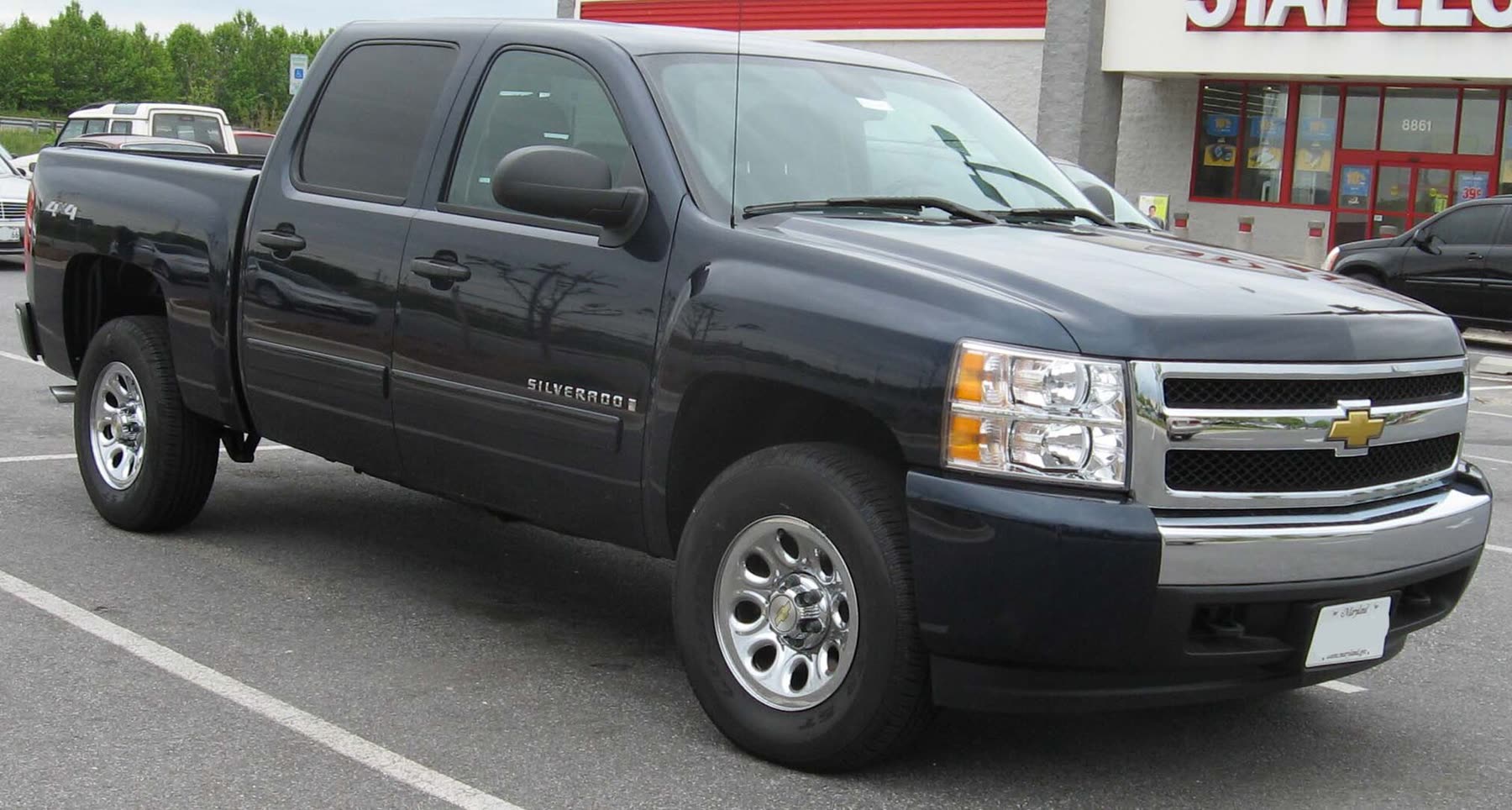
Here’s a focused checklist you can apply to any supplier claiming to sell OEM Silverado bumpers, especially 2022-2026:
1. Part-number and catalog alignment
Ask for exact GM part numbers for each bumper assembly or component. Then:
- Cross-check them against parts.chevrolet.com for the correct truck year, trim, and position.
- Confirm that the supplier’s description matches the catalog (e.g., front bumper fascia with sensor holes for 2026 Silverado 1500 LTZ).
- On newer model years, pay attention to sensor cutouts, tow package options, and finish — small mismatches often signal non-OEM or older-stock parts.
If a wholesaler can’t provide part numbers and only markets by “fits 2022-2026 Silverado,” treat the product as aftermarket by default.
2. OEM branding and physical markings
Genuine automotive parts typically carry manufacturer identifiers:
- GM or ACDelco logos on labels or packaging
- OEM part numbers printed, stamped, or labeled on the bumper or inner structure
- Consistent paint, plating, and weld quality across units
Editorial guidance from DHgate’s own blog on counterfeit auto parts points out that genuine parts usually show clear logos, serial or part numbers, and a consistent appearance, while counterfeits often have generic or inconsistent markings. That principle applies directly here: if the bumpers arrive with vague labeling or uneven build quality between units in the same batch, you should question the OEM claim.
3. Packaging, paperwork, and source transparency
For OEM bumpers, look for:
- GM-branded or distributor-branded boxes with printed part numbers
- Packing lists referencing GM or an authorized distributor
- Willingness to disclose upstream source (e.g., “we buy direct from a regional GM dealer” vs “we import from mixed sources”)
Suppliers that are vague about where they source or rely on white-box packaging for “OEM” bumpers present a higher authenticity risk.
4. Counterfeit-risk signals
Editorial anti-counterfeit guidance (including on DHgate’s blog) highlights red flags:
- Deep discounts far below typical GM pricing
- Unregulated or unknown sellers offering large quantities without traceable history
- Spelling errors or low-quality graphics on packaging
Buying through authorized dealerships or established GM-focused retailers reduces this risk, while random third-party listings on general marketplaces increase it. That doesn’t mean marketplaces are unusable, but it does mean you have to lean heavily on part numbers, documentation, and seller history.
OEM verification quick-reference
Use this mini checklist before you lock in any wholesale order:
- [ ] GM part number confirmed and cross-checked on an official catalog
- [ ] GM Genuine / ACDelco branding on labels and packaging
- [ ] Consistent materials, finish, and welding across samples
- [ ] Supplier can describe their upstream source with specifics
- [ ] Price point is plausible for OEM (no “too good to be true” offers)
If you can’t tick at least the first three boxes, treat the bumper as non-OEM and price/market it accordingly.
Order Size, Cost Drivers, and Choosing the Right Sourcing Channel
Your ideal sourcing route for Silverado bumpers depends largely on quantity and how strict your OEM requirements are.
Key cost and logistics drivers
Several factors drive landed cost and risk for bumper sourcing:
- Model-year and trim complexity – 2024-2026 Silverado families have multiple front bumper variants depending on trim (LT, LTZ, High Country, Trail Boss, etc.) and sensor/tow options. Stocking “the wrong” variant ties up capital and causes returns.
- Volume and packaging – Bumpers are bulky. Even a modest wholesale order (say, 10-20 front assemblies) takes significant storage and freight capacity.
- Finish and options – Chrome vs painted, with/without fog or park sensors, affects both price and demand profile.
- OEM vs aftermarket – Genuine GM parts typically cost more but are easier to justify in insurance and fleet contexts; steel off-road replacements can be cheaper per unit but aim at a different buyer.
A simple way to think about channels is to map them to order size and product type.
| Sourcing route | Best for quantity | Typical product type | OEM fit likelihood* |
|---|---|---|---|
| GM dealer / authorized GM distributor | Low–medium (1-30 units across variants) | GM Genuine/ACDelco bumper assemblies & parts | High (when part numbers match) |
| Domestic independent wholesaler | Medium (multi-shop or regional stocking) | Mix of OEM and branded aftermarket | Medium, varies by supplier |
| Aftermarket fabrication / brands | Medium–large (specialty/off-road customers) | Heavy-duty steel, cosmetic upgrades | Low (designed as alternatives) |
| General online marketplaces (Amazon etc.) | Low–medium (retail or dropship) | Aftermarket, “compatible with Silverado” | Low–medium; must be validated |
\*OEM fit likelihood is editorial judgment based on how these routes normally operate; you still must verify each part.
Where marketplaces fit — and where they don’t
Marketplaces matter mostly as a way to source aftermarket bumpers or accessories, not as a reliable pipeline for GM OEM assemblies.
On Amazon, for example, you’ll find listings such as a steel front bumper marketed as “Compatible With Chevy Silverado 1500 2022-2026,” which is a Q235A steel aftermarket unit with a black textured powder coat, not a GM Genuine bumper (see example). Other Amazon catalog pages group replacement covers and upper fascias that reference OEM part numbers, but those pages still mix OEM-style replacement parts with aftermarket options.
On DHgate, as of 2026-10-14, search results skew heavily toward Silverado-related bumper accessories rather than GM bumper assemblies. For instance:
- A rear bumper license light cover set titled “2Pcs Auto Rear Bumper License Light Cover Housing For Chevrolet Avalanche Silverado” is sold in the car accessories category, with a price range around $20.87–$21.41 (listing snapshot).
- A “Parking Sensor Bumper Aid Backup PDC 23130107 for Gm Silverado” appears in the parking sensors category, priced roughly $19.45–$19.95 (listing snapshot).
These are useful examples if you’re bulk-buying accessories or small components to pair with OEM bumpers or offer as upsells, but they’re not clearly labeled as GM Genuine bumper assemblies. Any listing that uses “OEM” language should still be cross-checked via part numbers and branding.
If you’re exploring marketplaces for accessories rather than core assemblies, it’s worth tightening your seller vetting. Internal buyer guides like Find wholesale suppliers on DHgate and Find DHgate suppliers can help you structure those checks — for example, focusing on seller history, photos that clearly show part markings, and realistic pricing.
Worked example: sourcing 2026 Silverado LTZ front bumpers
Imagine you’re a small collision-repair chain planning to stock front bumpers for the 2026 Silverado 1500 LTZ:
- Define the exact variants – LTZ with front park assist and chrome finish, plus a separate line for black painted units. Pull GM part numbers from parts.chevrolet.com.
- Get baseline quotes from a GM distributor – Use those part numbers for pricing on OEM assemblies and key components (impact bar, fascia, brackets).
- Decide stocking depth – Maybe 2-3 chrome and 2-3 painted per location, knowing model-year and trim specificity limits your ability to substitute.
- Optionally add accessories from marketplaces – Sensors, license light covers, or cosmetic trim sourced via vetted marketplace sellers, treated as aftermarket add-ons, not OEM.
You end up with a blended strategy: OEM bumper cores through GM-authorized channels where you can prove authenticity, plus cross-border or domestic marketplace accessories where OEM status is less critical.
In short, if your business needs true Chevrolet Silverado OEM bumpers, your primary route is GM’s documented parts ecosystem. Use part numbers, branding, and packaging to keep yourself honest — and treat both domestic and cross-border marketplaces as accessory or aftermarket sources unless they can clearly document an unbroken chain back to GM.