
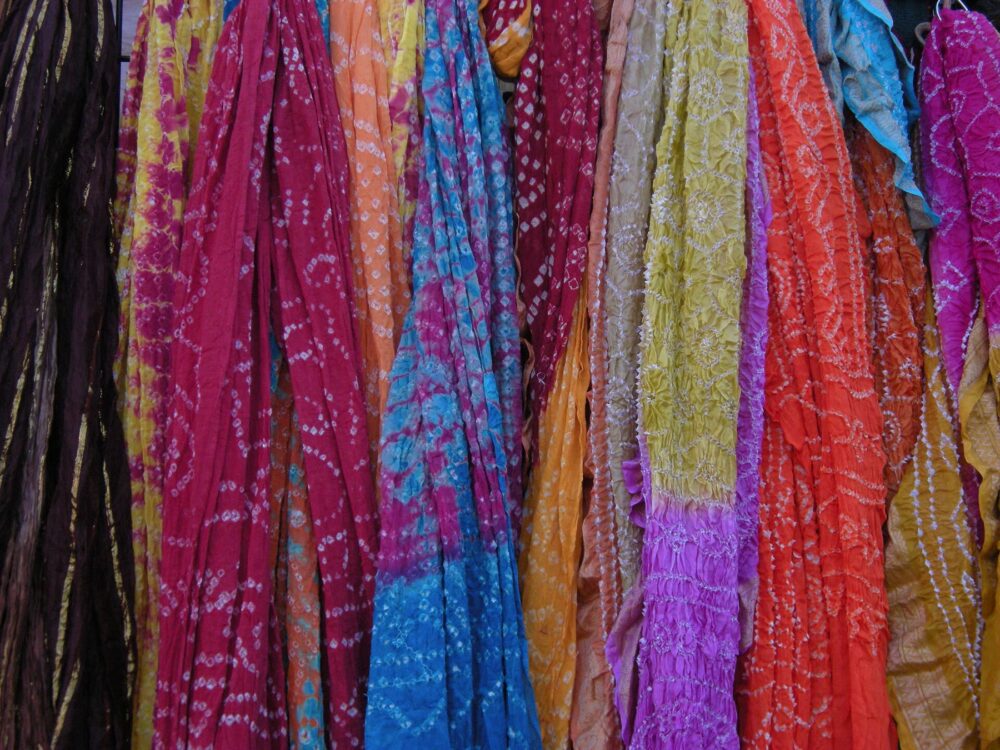
Below, we break down the main supplier types, then show where DHgate sits against other scarf routes using real listing data.
How Wholesale Scarves and Pashminas Are Sourced Today
Wholesale scarves and pashminas are a fragmented category. Production is mostly concentrated in China for mass‑market synthetics and wool blends, plus smaller pockets in India, Nepal, and other regions for premium wool and traditional designs. You’ll encounter three broad supplier types:
- Direct manufacturers (OEM/ODM) – Mills or factories that weave, dye, and finish scarves. They can develop custom designs (OEM) or let you tweak existing ones (ODM). This route dominates for larger, planned programs.
- Specialist scarf and pashmina wholesalers – Businesses that curate finished scarves and shawls, often around a theme: premium fibers, heritage designs, or private‑label. For example, KashmirStorz positions itself around premium shawls and private label options, while US sites like FirstWholesale emphasize bulk assortments and cashmere‑feel scarves for retailers.
- Cross‑border marketplaces – Big online directories and B2B marketplaces such as DHgate, Alibaba‑style sites, and other China wholesale platforms. These connect thousands of suppliers to global buyers, typically with lower minimum order quantities than traditional B2B.
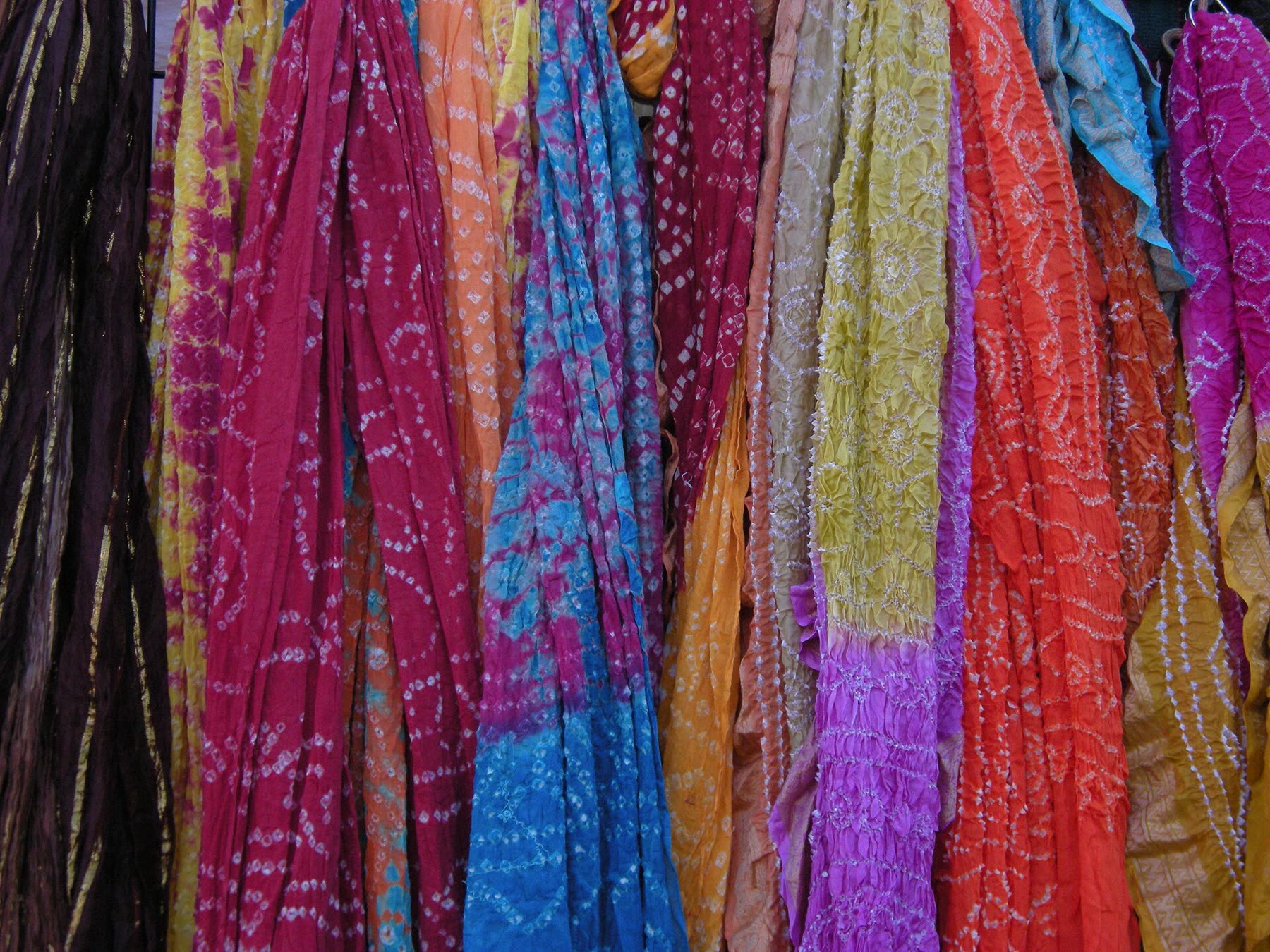
For a US buyer, these routes translate into very different workloads. A direct mill in China might expect you to supply tech packs and plan six months ahead. A specialist wholesaler may let you reorder proven designs quickly but with limited customization. Marketplaces like DHgate sit in the middle: wide choice, relatively flexible MOQs, but more sourcing work on your side.
Matching Supplier Type to Your Order Size and Customization Needs
The best route depends on three things: your order size, how customized you want your scarves, and how much sourcing work you’re willing to handle.
Here’s a practical comparison framed for typical scarf/pashmina buyers:
| Supplier type | Best for order size | Customization depth | Buyer workload & verification |
|---|---|---|---|
| Direct manufacturers (OEM/ODM) | Hundreds–thousands per SKU | Highest – fiber, weave, pattern, tags | High – samples, factory vetting, QC |
| Specialist scarf wholesalers | Dozens–hundreds per style | Medium – color, label, packaging | Medium – vet catalog, check fiber claims |
| Cross‑border marketplaces (e.g., DHgate) | Single pieces up to mid‑bulk | Low–medium – print choice, basic branding | High – shortlist suppliers, compare listings |
Direct manufacturers: good for big, planned programs
If you’re building a recognizable scarf brand or stocking multiple brick‑and‑mortar stores, an OEM/ODM factory is most realistic once you’re consistently ordering in the high hundreds or thousands per style. You’ll typically:
- Develop unique patterns and choose fibers (e.g., specifying 100% wool vs viscose blend).
- Invest in detailed sampling to avoid expensive mistakes.
- Spend time checking the factory’s track record, ideally through references or third‑party inspection.
This route usually offers the strongest control over fiber content and labeling, but only makes sense if you’re ready for longer lead times and more complex communication.
Specialist scarf wholesalers: faster, less custom, decent volume
Specialist wholesalers sit between commodity and luxury. Sites such as KashmirStorz highlight premium fibers and private label options, while FirstWholesale markets high‑quality, cashmere‑feel scarves to US retailers.
These suppliers tend to:
- Offer curated assortments: solids, prints, seasonal colors, sometimes matched to US fashion cycles.
- Provide limited customization such as your own sewn‑in label or specific packaging.
- Expect you to buy in bulk packs or case quantities rather than ones and twos.
They’re well suited if you want predictable quality and don’t need every pattern to be exclusive. You still need to verify fiber claims and care labels, but the product range is more focused than a giant marketplace.
Marketplaces and China B2B sites: flexible MOQs, heavier vetting
Cross‑border marketplaces give you maximum choice but put most of the vetting on you. DHgate is one of the largest China‑based B2B platforms, connecting global buyers to Chinese suppliers and emphasizing relatively low MOQs compared with some other wholesale sites, as described in DHgate’s own editorial blog. Shopify’s Alibaba alternatives comparison similarly describes DHgate as focused on bulk orders but generally offering lower minimums than typical Alibaba suppliers.
This route fits scenarios like:
- Test launches – You’re starting with 30-80 assorted scarves to gauge demand.
- Niche ecommerce – You need lots of SKU variety (prints, fibers, lengths) but can’t commit big volume to each SKU.
- Seasonal peaks – You want quick access to winter, Christmas, or fall‑color scarves without designing from scratch.
The trade‑off: you must evaluate each seller individually, compare multiple listings, manage sampling, and track variation in fiber descriptions and print quality.
Query-time DHgate listing example
Observed on 2026-10-14, Custom Plaid Scarf Women Pashmina Wrap Large Warm Soft Shawl Winter Fall Scarves Christmas gifts appeared in Shawls. This is a time-bound, illustrative listing example, not an endorsement; availability and listing details may change. Verify the specifications, seller evidence, applicable compliance, and any intellectual-property or commercial-use rights required for the intended use. A sample can test the physical product, but it cannot establish legal permission or licensing.
DHgate and Other Marketplaces as a Sourcing Route for Scarves and Pashminas
To show how this route looks in practice, here’s a small snapshot of DHgate scarf/pashmina listings observed on 2026-10-14:
- Cashmere‑like winter fashion scarves – A listing titled “Scarves for Women Luxury Horse Print Cashmere Like Winter Warm Designer Shawl Wrap Pashmina Fashion Scarf for Daily and Special Occasions” sits in the Shawls category with an indicative price range of $27.08–$31.49 (view listing). The wording “cashmere like” signals a look and feel, not necessarily fiber content you can assume.
- Wool and cashmere blends – “Womens Cashmere Hijab Scarves Warm Pashmina Large Shawls Neck Wraps Essential for Autumn Winter Fashion AccessoryT251220” in the Scarves category shows a wide price band of $12.61–$26.56 (view listing). Another listing, “Cashmere Scarf Women Winter Shawls and Wraps for Ladies Stole Fame Solid Warps Winter Cashmere Wool Scarves Pashmina 240826”, sits at $52.10–$54.56 (view listing). These examples illustrate how prices for “cashmere” and “pashmina” wording can vary widely.
- Stoles and blanket‑style wraps – “Autumn Winter Women Pashmina Shawls And Wraps Cashmere Blanket Warm Thick Stoles For Ladies Outdoor Scarf 2024 New Print G250818” appears under Blankets, with a range around $19.16–$25.20 (view listing). This shows how scarf‑adjacent items (stoles, blankets) are mixed into category search.
- Budget wool scarves – “Winter Wool Scarf For Women Long Scarves Hijab Solid Lady Shawl Wrap Female Pashmina Bandana Head Scarfs 251020” sits at roughly $10.00–$10.48 per unit (view listing), hinting at the lower end of wool‑described scarves.
Across this small snapshot, you can see several key patterns:
- SKU richness – Listings span scarves, shawls, stoles, blankets, and hijabs, with many fabric descriptors (wool, cashmere, cashmere‑like, pashmina).
- Wide price dispersion – Indicative prices range from around $10 for wool‑described scarves up to well over $50 or more for “cashmere wool” or premium‑positioned products, and even higher for some large “wool cashmere” wraps. That gives you room to source both budget and mid‑premium lines from the same route.
- Mixed category labeling – Some obvious scarf products are filed under Blankets or Shawls. This matters for workload: you’ll need to search across overlapping categories and keyword combinations to see the full range.
Because DHgate uses tiered pricing (buyers pay less per unit at higher quantities) according to DHgate’s own editorial blog, you can often start with a small test order and scale if the design sells. That’s attractive for a US ecommerce seller running multiple colorways or patterns with limited initial capital.
- “Cashmere,” “pashmina,” and “cashmere like” appear alongside varying price points. That’s a cue to request fabric composition details, photos of labels, or physical samples before positioning the item as premium in your store.
- Seasonal wording (Christmas, autumn, winter) is common in titles like “Custom Christmas Womens Scarf Pashmina Shawl Wraps Large Winter Long Warm Scarfs for Women” (view listing), but doesn’t tell you anything about fiber quality or thickness. You’ll need to check GSM or fabric weight where possible.
Where DHgate vs other routes tends to fit
Putting this together for a US buyer:
- Use DHgate or similar marketplaces if you need variety, low MOQs, and are willing to actively vet listings and suppliers. This is ideal for online stores testing many designs or chasing seasonal trends without big upfront commitments.
- Use specialist wholesalers if you want faster, more predictable reorders and are comfortable with less uniqueness. They’re efficient for brick‑and‑mortar boutiques or Amazon FBA sellers who favor repeatable assortments.
- Move toward direct manufacturers once your scarf SKUs have proven volume and you want full control over weave, fiber, and branding. That’s a natural second stage after successful marketplace or wholesaler testing.
If you decide DHgate is the right route, you can go deeper on supplier selection using other resources like Find wholesale suppliers on DHgate, Find DHgate suppliers, and Choose a DHgate wholesale supplier. Those focus on supplier screening and communication, while this article helps you decide whether DHgate is the right scarf sourcing route at all.