
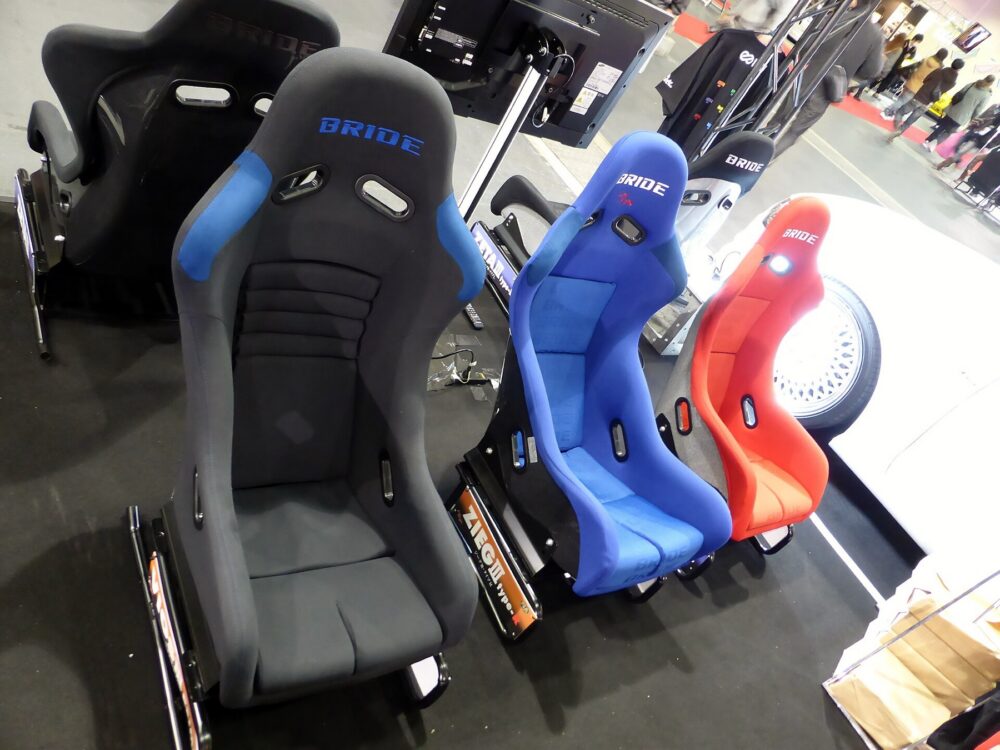
Amazon is strong on budget and mid-range racing and bucket seats, but quality is uneven and depends heavily on the individual brand and seller. Specialist seat makers usually cost more, yet tend to offer more consistent materials, ergonomics, and testing. For a casual sim rig or a low-budget project car, carefully chosen Amazon seats can be fine; for serious motorsport or long-distance driving, buyers usually get better long-term value from established brands sold through niche retailers.
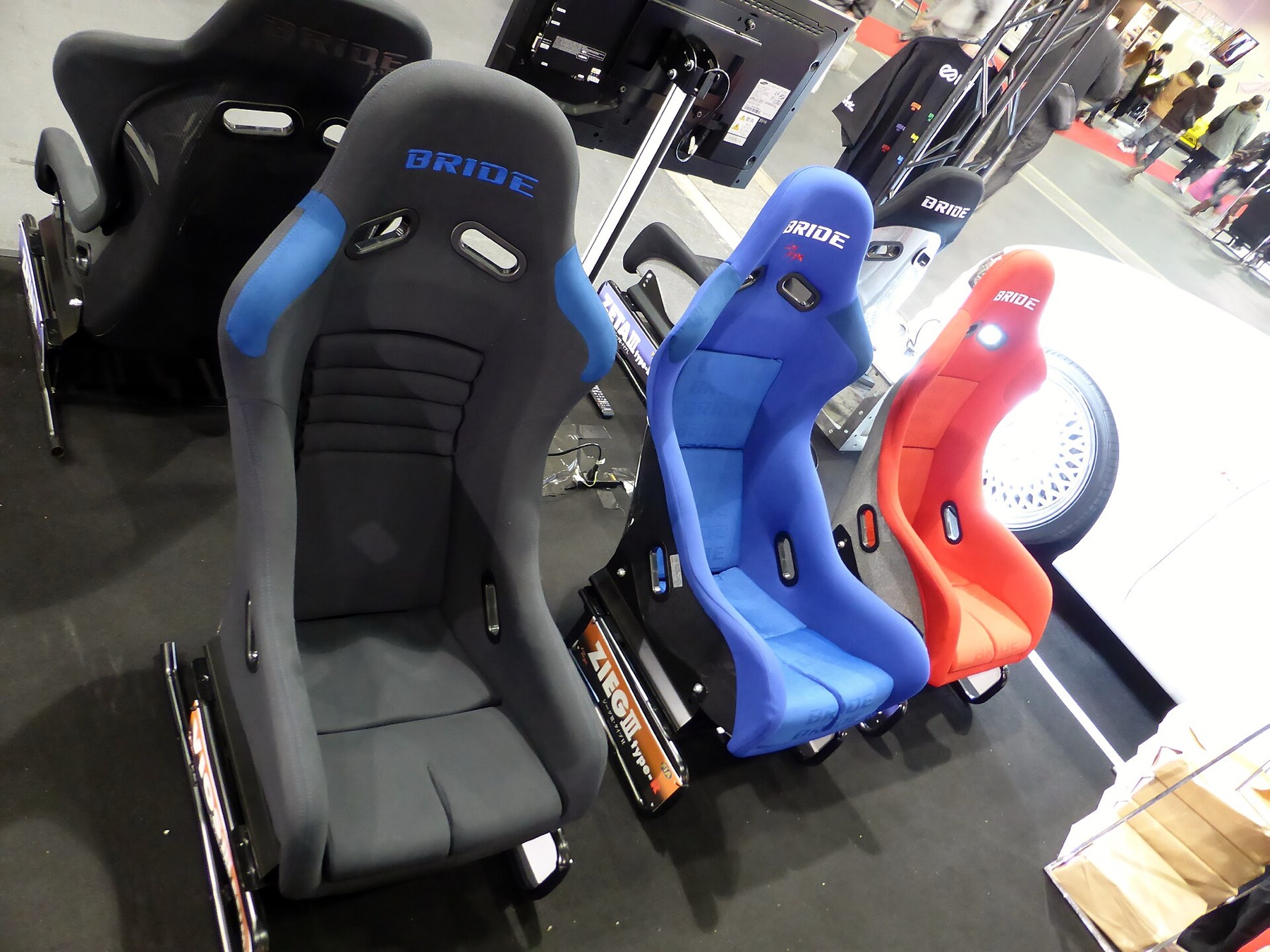
What “Amazon Racing and Bucket Seats” Really Are
When people talk about “Amazon racing seats” or “Amazon bucket seats,” they’re not talking about an Amazon house brand. They’re describing a mix of third‑party products sold through Amazon’s marketplace.
Search results for “racing seats” on Amazon show what that mix looks like:
- Universal racing bucket seats with adjustable sliders and contoured shapes.
- Fixed‑back fiberglass bucket seats from brands such as NRG Innovations, with harness compatibility.
- Generic, unbranded or lesser‑known brands offering pairs of seats with vinyl or faux‑leather covers and dual sliders.
Use cases split into a few buckets:
- Project cars and street builds where owners want a sportier look, more side bolstering, or weight savings versus stock seats.
- Budget track days and autocross where drivers want more lateral support but may not be chasing professional-level hardware.
- Sim-racing rigs, where the seat never sees a crash, but ergonomics and durability still matter. Threads like this r/simracing discussion on Amazon seats show people weighing Amazon seats against higher-end alternatives.
Because Amazon is open to many brands, build quality ranges from surprisingly decent to clearly cut‑corner. There is no universal standard for “Amazon seats”—you’re evaluating individual listings, not a single product line.
Price and Quality: Amazon vs Specialist Seat Brands and Retailers
For racing and bucket seats, price is usually driven by three things: materials, construction, and brand reputation. More expensive products often use better materials and have more refined construction, but high price doesn’t automatically mean best fit for every buyer.
Here’s a practical way to compare Amazon marketplace seats with specialist brands.
Typical tiers you’ll run into
- Budget Amazon seats (often generic or lesser‑known brands)
These tend to use steel frames, basic foam, vinyl or PU leather covers, and universal sliders. They’re aimed at buyers who want the look and basic function of a racing seat at a low price point. Community feedback, especially from sim racers, often flags mixed comfort and durability—some users report OK performance, others complain about thin padding or wobble in the sliders.
- Mid‑range branded seats (some available through Amazon, many via niche retailers)
These include seats from well‑known aftermarket makers. Materials commonly step up to fiberglass shells, denser foam, vegan suede or better textiles, and refined stitching. You also start seeing more thoughtful ergonomics and support for multi‑point harnesses. Prices here reflect both better construction and brand R&D.
- Premium specialist seats
Sold mostly through dedicated motorsport and tuning shops, these seats are built for serious track use and long‑term comfort. You’ll see advanced shells (e.g., higher‑grade fiberglass or composites), meticulous foam shaping, and tighter quality control. Some models are aimed at sanctioned racing series and may come with specific testing or certifications—but you should always confirm those directly from the manufacturer or sanctioning body.
How Amazon offerings compare on key dimensions
The table below summarizes typical differences as you move from cheap Amazon seats up to premium specialist options.
| Channel / tier | Price positioning (editorial) | Materials & construction (typical) | Comfort & durability (perception) |
|---|---|---|---|
| Cheap Amazon marketplace seats | Lowest initial outlay | Steel frames, basic foam, vinyl/PU covers | Hit‑or‑miss; reports of thin padding, early wear |
| Mid‑range branded seats | Mid‑priced | Fiberglass shells, denser foam, better textiles | Generally more consistent, better ergonomics |
| Premium specialist seats | Highest upfront cost | Advanced shells, high‑grade foam, meticulous quality control | Strong long‑term comfort, track‑focused construction |
This mirrors a broad principle: higher prices often correlate with better materials and construction, but you still have to match the product to your body, driving style, and usage. Paying more for a track‑focused shell is overkill for a casual sim rig where a mid‑range seat might be more comfortable.
Sim-racing vs real car use
- Sim rigs: Cheap Amazon seats can make sense if you only drive an hour or two a few times a week. Community opinions show that comfort over long stints and frame stiffness are the main complaints—so buyers often favor slightly better mid‑range seats when budget allows.
- Real cars: Here, you’re adding wear, vibration, and potential crash forces into the picture. You should not assume any seat is road‑legal or crash‑tested based purely on marketplace presence. Cross‑check with the manufacturer’s documentation and local regulations, especially for harness use and airbag compatibility.
For most US buyers, Amazon is strongest as a place to explore options, read real‑world reviews, and find budget hardware. For higher‑stakes driving, specialist brands bought through dedicated retailers tend to inspire more confidence over years of use.
Choosing the Right Channel: Amazon, Niche Retailers, or Cross-Border Marketplaces
Once you know roughly what seat tier you’re aiming for, the next decision is where to buy.
Amazon marketplace
- Strengths: Huge range, easy search, and a mix of budget and mid‑range seats. Editorial guidance about online shopping notes that Amazon often offers affordable products across categories, with quality that varies by seller and the need to read reviews carefully. That matches what you see when browsing racing seats: listings can differ a lot in materials and detail.
- Trade‑offs: Brand legitimacy and warranty support can be uneven. Some listings give very sparse data on shell material, mounting dimensions, or airbag compatibility, so you may need to chase spec sheets directly from the brand.
Specialist seat retailers
- Strengths: Focused catalogs, clearer technical documentation, and staff who understand fitment, harness routing, and different use cases (street, track, sim). Inventory is skewed toward mid‑range and premium brands.
- Trade‑offs: Higher average prices and sometimes fewer budget options. You’ll likely spend more upfront, but many buyers treat that as an investment in comfort, durability, and confidence.
Cross-border marketplaces (including DHgate)
If you’re a small ecommerce business or a DIY buyer looking for accessories rather than full seats, cross‑border platforms can be relevant.
For example, on 2026-09-29, DHgate listed a sport bucket seat cover from a cross‑border seller: front car seat covers airbag-ready sport bucket seat cover. It sits in an automotive interior accessories category at a mid‑range wholesale price band, and is aimed at refreshing the look and protecting existing seats rather than replacing them.
This illustrates how cross‑border marketplaces are often used:
- Buyers import seat‑related accessories (covers, mats, organizers) for resale or personal use.
- Small sellers test styles and colorways before committing to larger runs.
Whether you use DHgate or another cross‑border marketplace, treat every listing as its own business decision: inspect photos, read product details carefully, and weigh whether an accessory is suitable for cosmetic and protective use only, not as a structural safety component.
If you want a broader picture of how large marketplaces compare, you can also read channel-level comparisons such as DHgate vs AliExpress, Alibaba and Temu and background on what DHgate is and how the marketplace works.
So where should you buy?
The right channel depends on how hard you plan to use the seat and what risks you’re willing to accept.
- If you’re building a casual sim rig or budget project car, Amazon’s marketplace can be enough value: focus on listings with many detailed reviews, clear photos of frames and sliders, and honest feedback on comfort.
- If you’re driving hard, often, or competing, specialist seat brands and retailers are usually the better fit, even if you pay more. You’re buying not just a part, but the accumulated design and testing behind it.
- If you’re sourcing accessories for resale or refreshing the look of existing seats, cross‑border marketplaces such as DHgate can be useful, provided you treat each listing cautiously and keep imported items in the non‑structural, cosmetic category.
There is no single “best” place to buy racing and bucket seats. Use Amazon as a broad catalog and review engine, but let your intended use, budget, and comfort demands steer whether you stay in the budget Amazon tier or move up to specialist brands and more focused channels.