
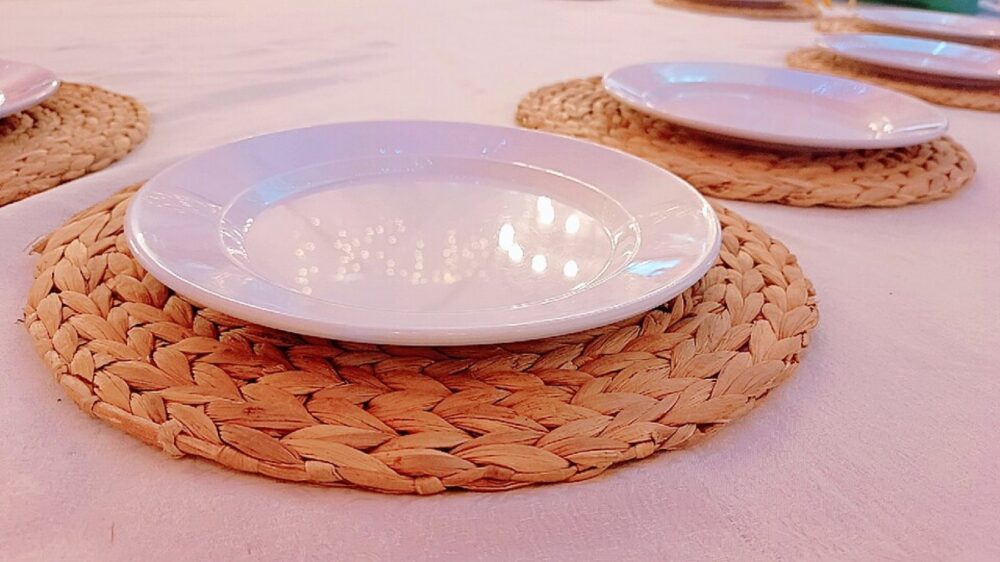
Rattan and wicker charger plates look simple, but your cost per plate swings a lot depending on material quality, weave complexity, order size, and how you ship them. For a typical US small business or event buyer, the cheapest-looking unit price isn’t always the best deal once you add freight, duties, and damage risk on a bulky woven product. A smart budget starts with total landed cost per plate, then backs into which channel makes sense: big marketplaces, event wholesalers, curated wholesale platforms, or direct rattan producers.
These plates are usually woven from natural fibers like rattan, wicker, bamboo or similar materials and leaned on for rustic and bohemian table settings. That means they’re both décor and a functional base layer, so you can’t treat them like disposable paper goods. For resale or repeated event use, you want pricing that supports your margin without forcing you into fragile or inconsistent product.
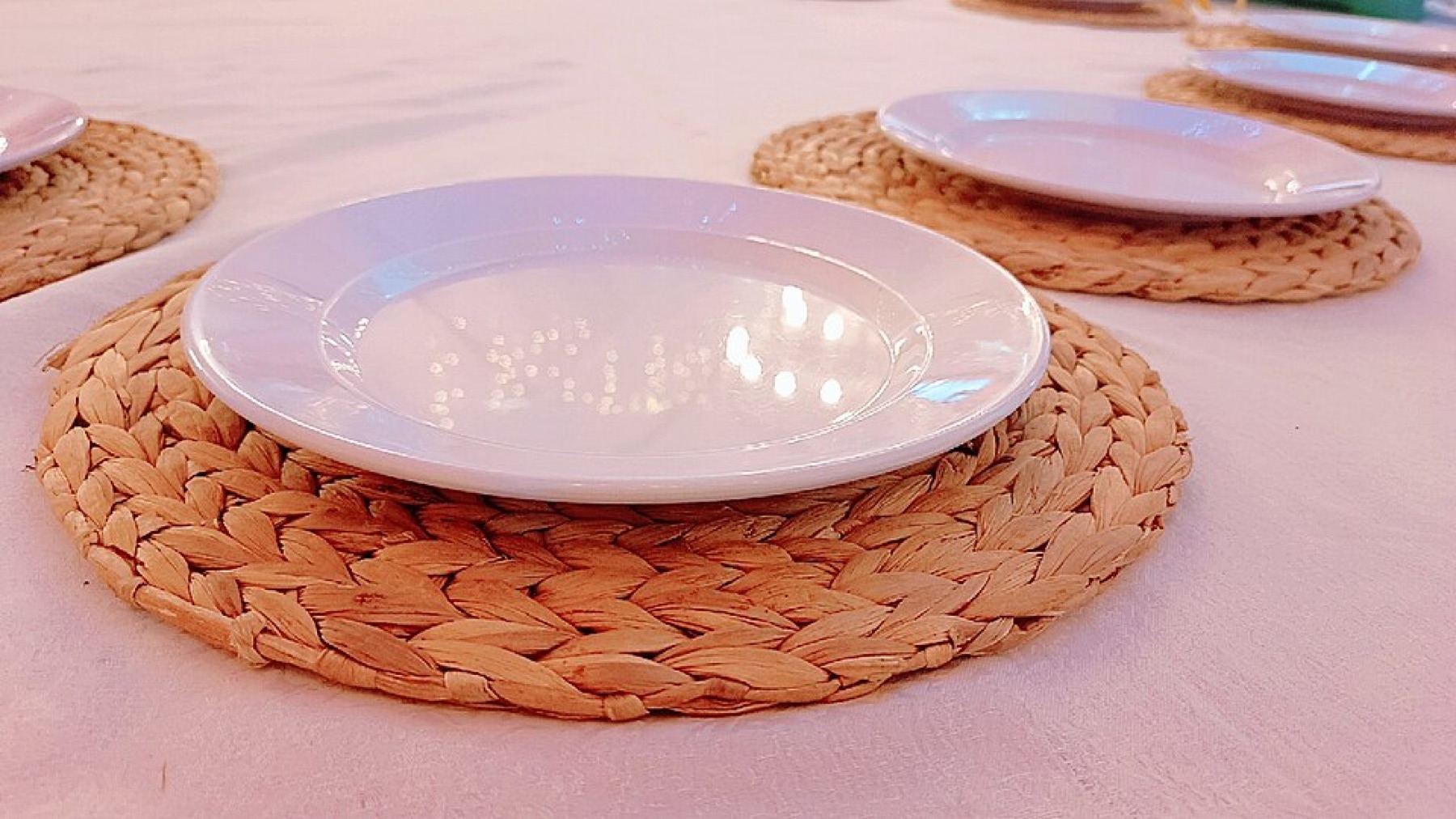
What Really Drives the Cost of Rattan and Wicker Charger Plates
Before you compare suppliers, break your budget into four buckets:
- Product price (ex-factory or wholesale)
This is the tag you’ll see on Amazon bulk rattan chargers, Faire’s rattan charger listings, or an event wholesaler like CV Linens’ charger plate collection. Woven chargers command a premium over plain plastic because they’re hand- or semi-handwoven and use natural materials. You’ll typically see:
- Higher prices for tighter weaves and heavier, thicker fibers.
- Lower prices for lighter, more open weaves or mixed synthetic rattan.
- Shipping and handling
Rattan chargers are light but bulky. This matters more than buyers expect:
- Domestic ground shipping from a US wholesaler or marketplace seller can be predictable but adds up if you’re ordering multiple cartons.
- Cross‑border freight (from overseas producers or exporters) means bigger swings in cost: dimensional weight, consolidation, and your distance from port drive the final bill.
- Handling fees for palletization or special packing can quietly add cents per plate.
- Customs, duties, and import fees
If you buy from an international seller (direct rattan exporter, some marketplace sellers, or overseas brands on wholesale platforms), factor duties and brokerage into your per‑plate cost. These depend on classification and trade rules, not the product itself. For a deeper look at how tariffs and import fees stack onto your invoice, you can read this breakdown of customs and tariffs.
- Damage risk and returns friction
Woven chargers can warp, crack, or arrive uneven if they’re packed badly or stacked too tightly. Budget for some loss if you’re ordering long‑distance, and understand how hard it would be to fix issues:
- Domestic wholesalers are often easier to deal with on damaged boxes.
- Direct factories or cross‑border marketplaces may require more back‑and‑forth and make small returns impractical.
For a realistic budget, take the supplier’s price quote, add estimated shipping, divide by your usable plate count (excluding a buffer for defects), and only then decide whether the order is worth it.
How Order Size, Design, and Timing Change Your Price Per Plate
Your unit price isn’t fixed. Three levers move it up or down: how many you order, how fancy the design is, and when you buy.
Quantity and MOQ
Most wholesale channels reward you for going bigger:
- Marketplace sellers often offer volume tiers (“buy more, save more” style) on bulk rattan chargers.
- Brands on a curated wholesale platform like Faire may set minimum order quantities, then discount above certain thresholds.
- Direct rattan producers and exporters, such as the manufacturer offering rattan plate chargers wholesale, typically target larger bulk buyers and negotiate around case or pallet quantities.
If you’re a small event planner doing 150-200 place settings once or twice a year, buying slightly above the MOQ to hit a better tier can lower your landed cost per plate—provided you’ll reuse or resell the extras.
Design, weave complexity, and customization
Natural woven chargers span from simple round mats to intricate patterns and custom shapes:
- Simple round, uniform weaves (similar to the rattan placemats you’ll see in some Etsy bulk listings) sit at the more affordable end because they’re faster to produce.
- Decorative shapes or detailed patterns usually require more labor and tighter quality control, pushing the base price up.
- Custom branding, colors, or exact diameter specs can add setup costs and minimums.
On a tight budget, reserve complex designs for head tables or hero shots, and use simpler, cheaper weaves for the majority of seats.
Seasonal demand and wedding/event cycles
Charger plates are very tied to wedding and event calendars. During peak seasons, like spring and early fall in the US:
- Event wholesalers and retail‑facing marketplaces may have less room to discount because stock moves fast.
- Lead times from direct producers can stretch, which might push you into more expensive shipping options if you’re behind schedule.
If you can, lock in your bulk order off‑season and store the chargers. That’s when suppliers are more open to negotiating price per plate, especially if you commit to a repeat order.
Choosing a Wholesale Channel for Woven Chargers
You have several viable channels for rattan and wicker charger plates. Costs vary not just by price tag, but by effort, risk, and control. Here’s a practical comparison:
| Channel type | What it looks like for woven chargers | Cost profile (editorial judgment) | Best fit for… |
|---|---|---|---|
| Large online marketplaces (e.g., Amazon, Cross-border multi-seller) | Mix of bulk chargers and woven rattan products from many independent sellers. Styles, origins, and quality vary widely. | Often competitive unit prices; shipping and duties depend on the seller’s location. You must calculate landed cost per plate from listing details. | Buyers who want fast browsing across many sellers and are comfortable doing their own vetting and cost math. |
| Event décor wholesalers (e.g., CV Linens, tableware suppliers) | Focused assortment of charger plates and tableware aimed at weddings and venues; sometimes include natural or woven looks. | Pricing tuned for bulk events, often with clear case quantities and domestic shipping. May be higher than direct factory prices but simpler to predict. | US venues, rental companies, and planners who prioritize reliability and quick replenishment over rock‑bottom unit cost. |
| Curated wholesale platforms (e.g., Faire) | Branded rattan chargers and related décor listed by makers and importers, with discovery tools for retail buyers. | Brand‑level wholesale pricing; good for margin planning in retail. Order minimums and terms vary by brand. | Small retailers and boutiques building a cohesive assortment rather than chasing the absolute lowest price. |
| Etsy‑style makers and small brands | Handwoven or small‑batch rattan chargers and placemats that can double as wall décor or gifts. | Higher per‑piece cost, but potential for unique designs and flexible small MOQs. Shipping can be simple if makers are US‑based. | Premium events, lifestyle stores, or hosts who care more about uniqueness and story than budget per plate. |
| Direct rattan manufacturers/exporters | Factory or workshop websites offering rattan plate chargers wholesale and targeting international bulk orders. | Strong potential value on large orders if you negotiate freight and terms; higher setup effort and longer lead times. Duties and logistics are on you. | Larger buyers and growing e‑commerce brands willing to invest in supplier relationships and manage imports. |
DHgate fits into the first bucket: a marketplace listing both charger plates (often plastic or metal) and woven rattan items like baskets and trays. If you look there for woven chargers, treat each seller like a separate business—check product photos against your quality expectations, confirm material (natural vs. synthetic), and use your own spreadsheet to estimate landed cost per plate. For a deeper sense of how DHgate stacks up against other big marketplaces such as AliExpress and Alibaba, you can review this comparison: Compare DHgate with AliExpress, Alibaba and Temu.
Simple Scenarios: Matching Budget to Channel
To make the trade‑offs more concrete, here are three quick scenarios:
1. One‑off wedding with 120 guests on a tight budget You care about aesthetics but don’t need ultra‑durable chargers for years of rental turnover. A domestic event wholesaler or a marketplace seller offering bulk rattan‑look chargers during a promotion can be enough. Keep design simple, buy slightly above the minimum quantity to hit the next price tier, and choose a channel with predictable shipping dates.
2. Small home‑goods shop testing rattan chargers You need margin and consistent restock. A curated wholesale platform like Faire or a small rattan brand that sells via Etsy plus wholesale terms can give you branded, repeatable product without forcing you into container‑level orders. You’ll pay more per plate than direct factory cost, but you’ll save time and headaches on logistics.
3. Growing e‑commerce brand building a full rattan line You’re looking at chargers, placemats, baskets and more. Here, it’s worth opening a conversation with a direct rattan producer or exporter that already markets plate chargers wholesale. Consolidating products into fewer, larger shipments spreads freight and import fees across multiple SKUs and can bring your average cost per piece down—if you’re ready to handle customs and lead times.
Practical Ways to Keep Costs in Line
To keep rattan and wicker chargers in budget without gutting quality:
- Bundle products: If a direct producer makes chargers, placemats, and baskets, combine them in one shipment to dilute freight cost across more items.
- Time your buys: Order off‑season when suppliers are more flexible on price and production slots, especially for custom designs.
- Negotiate around MOQ, not just price: Ask suppliers what quantity unlocks their next discount tier and compare that to your realistic reuse or resale plans.
- Use channel‑appropriate expectations: Pay a little more through a domestic event wholesaler if you need quick replacement and straightforward shipping; stretch for direct producers only if your volume and timeline justify the complexity.
If you’re considering importing chargers or buying from overseas marketplace sellers, taking an evening to understand how tariffs and import fees hit your budget will pay off quickly. This explainer is a good starting point: Understand customs, tariffs and import fees.