
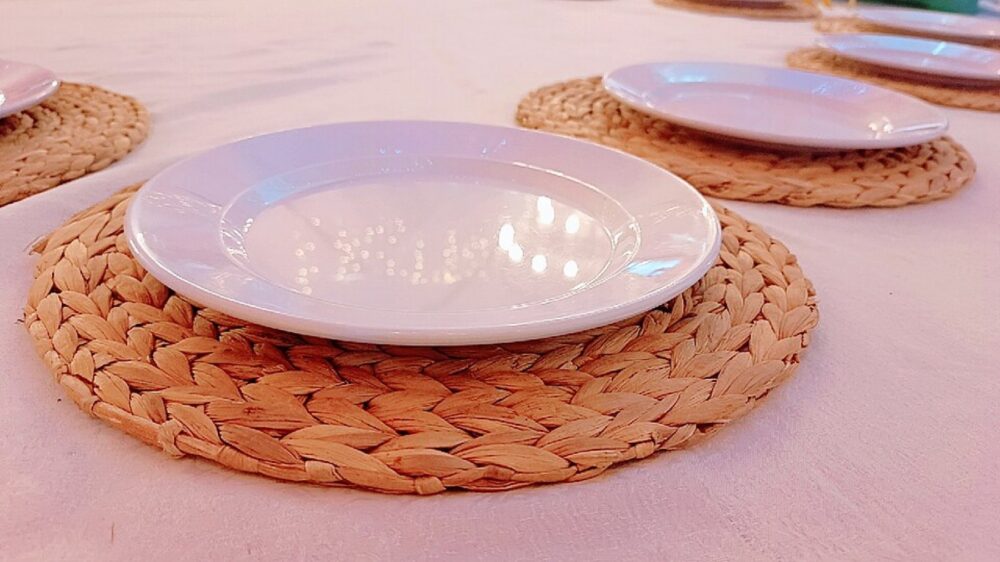
Breaking Down the Real Cost of DHgate Rattan‑Style Charger Plates
For US buyers, the “cost” of DHgate rattan or wicker chargers is not just the listing price. You’re paying for:
- Product bundle price
- Customs duties and taxes (where applicable)
- Currency conversion and payment fees
Product price snapshots (2026-09-23)
From current DHgate listings:
- A 50-piece plastic charger lot with beaded edges runs about $200–$205 for 50 pieces, implying about $4.00 per plate (50pieces side panels charger plates, DHgate).
- A 50-piece gold plastic charger bundle lists around $168–$173 for 50 pieces, around $3.40 per plate (Gold charger plates 50 pcs, DHgate).
- Larger mixed offers reach $214–$441 for 100 charger plates, again mid–single-digit per-piece (100 round charger plates set, DHgate).
For real rattan/wicker pieces that you might repurpose as chargers, DHgate tends to price individual trays and baskets much higher per unit:
- Handmade round rattan baskets show ranges like $11.55–$23.70 per piece (Rattan wicker serving basket, DHgate).
- Decorative rattan plates or wall dishes bundles can sit around $145–$180 for sets of ~6, implying well over $20 per piece (Creative handmade rattan wall panels, DHgate; Wicker wall hanging plates, DHgate).
So your starting point is usually:
- $2–$5 per plate product cost for plastic “rattan-look” or decorative chargers in bulk.
- $15–$25+ per piece if you insist on hand-woven rattan trays/plates and buy them as decor items.
From there, you need to layer on cross-border costs.
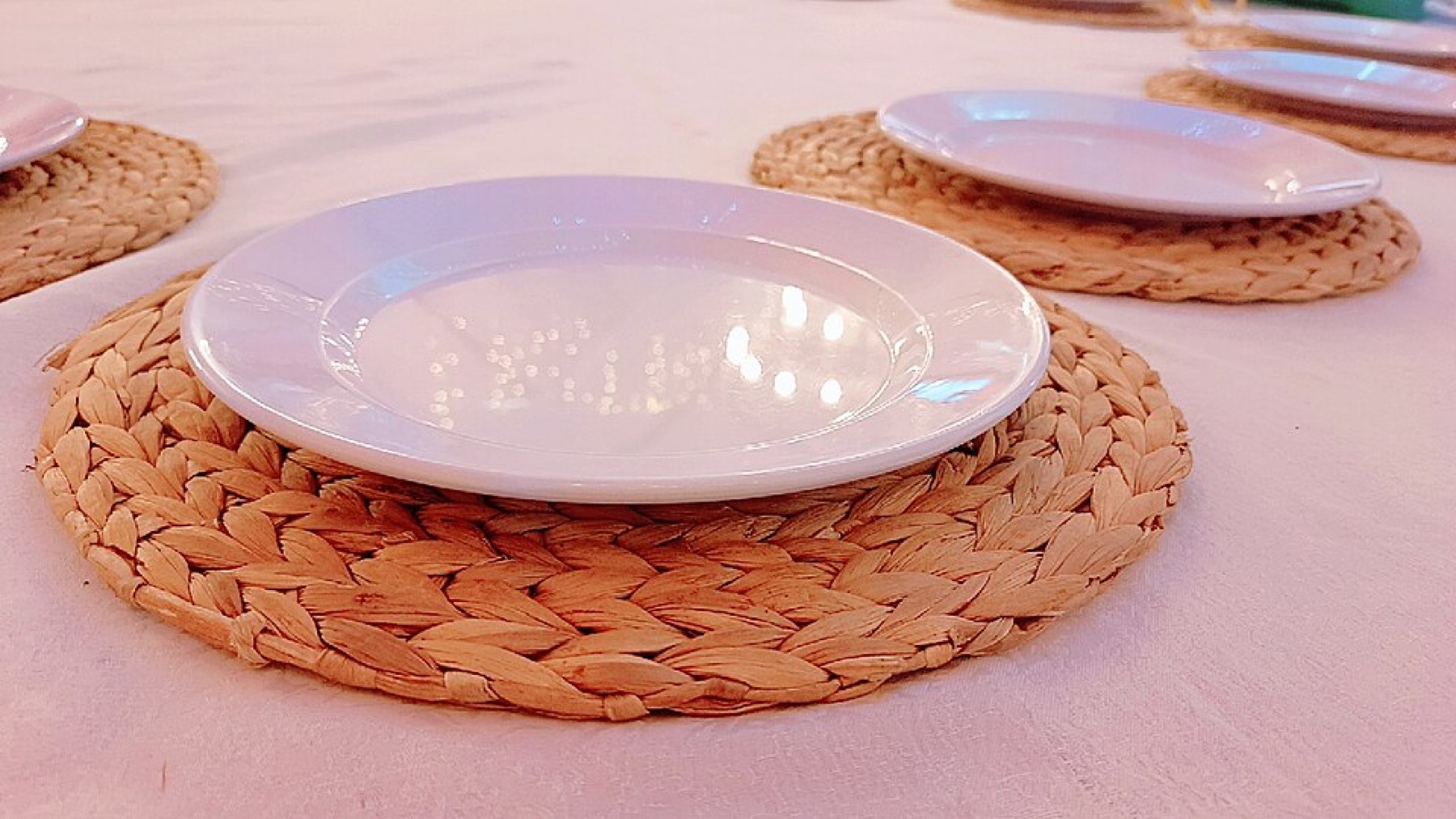
Order breakdown and duties
On top of that, DHgate highlights hidden costs like customs duties and currency conversion fees as budget risks: if you pay in a non-USD currency or your card adds foreign transaction fees, your final per-plate cost will tick up.
How Order Size, Material, and Shipping Choices Change Your Price
The same listing can make sense or not depending on how you configure the order. For US buyers and small ecommerce/event businesses, the main cost drivers are:
1. Quantity and MOQ
Most charger offers are already bundled (50 or 100 pieces). The per-unit product price tends to get cheaper as you move from 50 to 100 units, but total cash outlay rises. If you only need, say, 40 chargers for a single wedding, buying 50 from DHgate might give you a good per-unit price but leave you with extra inventory. For a rental business or an online store, 100 pieces at roughly $1.70–$4.00 product cost can be attractive once you spread that over many events or orders.
2. Material: real rattan vs plastic woven look
The biggest cost swing is material:
- Plastic chargers with a rattan or reef pattern: mid–single-digit dollars per plate landed once you add shipping and fees.
- Handwoven rattan/wicker trays and plates: tens of dollars per piece before shipping; they’re listed as decor or serving trays rather than chargers.
If you’re styling rustic weddings at scale, using plastic faux-rattan chargers can keep budgets tight. If you’re a boutique home store selling genuine artisan rattan chargers, DHgate’s decor trays might still be competitive compared with US artisan brands, but your margin calculations will be very different.
3. Shipping method and speed
4. Customization and packaging
If you ask a seller for custom colors, logos, or upgraded packaging, expect them to quote a higher per-unit price or setup fee. That might still be cheaper than US custom work, but it can erase some of the savings versus off-the-shelf faux-rattan chargers.
When DHgate Is the Budget‑Smart Channel for Rattan and Wicker Chargers
DHgate starts to make budget sense once you line up your total landed cost against what you’d pay in the US for similar looks and materials.
Here’s a simple comparison using realistic editorial estimates from the snapshots above:
| Scenario | Approx. bundle cost | Approx. landed cost per plate* | Pros | Cons |
|---|---|---|---|---|
| Cross-border multi-seller 100-pc plastic chargers | $170 product + $80 shipping + $40 duties/fees ≈ $290 total | ≈ $2.90 | Very low per-unit cost for large events or resale | Cross-border import, slower delivery, effort to verify seller and duties |
| Cross-border multi-seller 6-pc real rattan decor plates | $150 product + $40 shipping + $20 fees ≈ $210 total | ≈ $35.00 | Genuine woven look, artisan-style piece | High per-unit cost, small set, repurposed from decor category |
| US retail 6-pc woven-style chargers | Example: mid-range set around a few dollars per plate | ≈ $5–$10 (editorial range) | Fast shipping, easy returns, clear specs | Higher cost for large quantities; limited bulk discounts |
*Per-plate figures are editorial estimates using typical duty/shipping add-ons, not guaranteed quotes.
Good-fit DHgate scenarios
DHgate is usually budget-smart for rattan- or wicker-look chargers when:
- You need 50+ plates and can live with faux-rattan plastic.
- You’re comfortable managing customs and currency conversion and have run the math on duties.
- You’re building inventory for an ecommerce store or rental business where low per-unit cost matters more than ultra-fast replenishment.
In those cases, landing chargers in the $2–$4 per piece range can be a meaningful saving versus US retail or repeated rentals.
Poor-fit scenarios
DHgate is less compelling when:
- You only need a small set (say 6-24 chargers) for a single event.
- You insist on handwoven rattan but don’t want to repurpose decor trays as chargers.
- You can’t easily handle potential duties and foreign card fees.
- The timeline is tight and you’d pay a premium for faster freight.
For those use cases, simply buying or renting from US marketplaces or local event suppliers often costs more per plate but involves fewer moving parts and less risk.
If you’re still deciding between DHgate and other international platforms for bulk sourcing, it’s worth comparing broader marketplace traits at a higher level using a guide like Compare DHgate with AliExpress, Alibaba and Temu. And if you’re running numbers on landed cost, you may want to read Understand customs, tariffs and import fees alongside DHgate’s own duty paid fee articles, then work with your shipper or broker for tax-specific advice.
For buyers who decide DHgate fits, using a process-focused resource like Find wholesale suppliers on DHgate can help you identify listings and sellers whose charger pricing structure aligns with the budget scenarios above.