
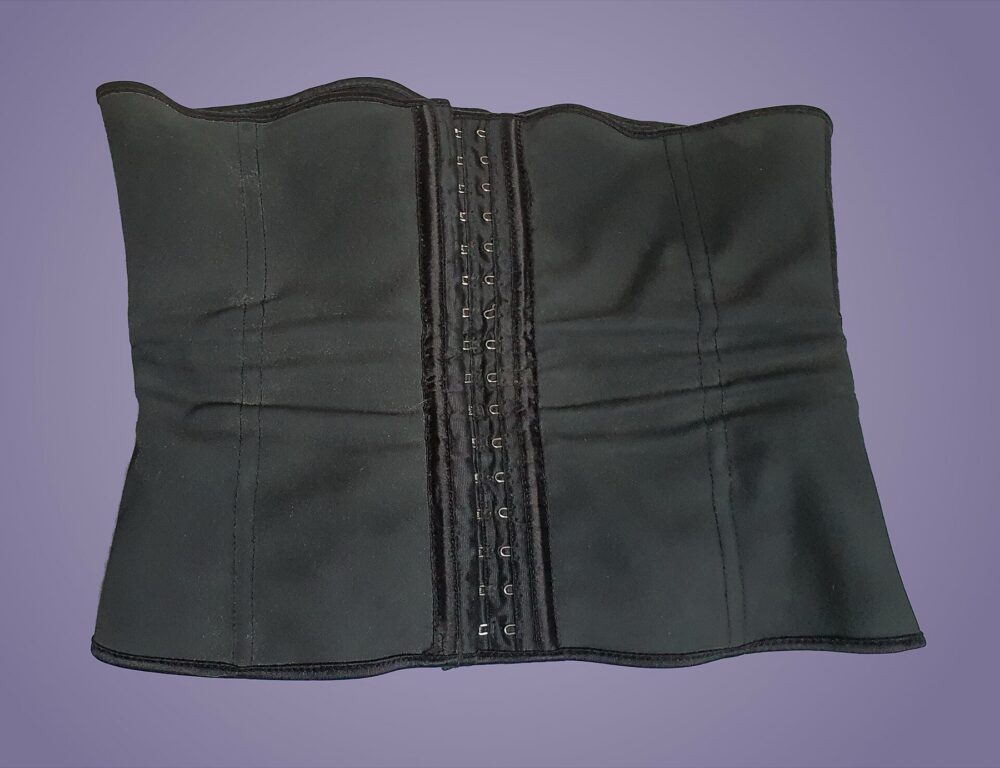
Wholesale waist trainers are compression garments sold in bulk by factories, brands, and distributors, mainly in China and Colombia. They’re marketed for shaping, posture support, and weight-loss efforts, but your actual business result hinges on where you buy: anonymous factory output can deliver high margins but more risk; brand-led programs offer stronger positioning and consistency at higher cost. The right route depends on your order size, how much customization you need, and how comfortable you are managing fit and compression safety across your customer base.
For a US boutique or small ecommerce brand, the practical decision is whether to carry generic waist trainers as fast-moving add-ons, or build a more serious shapewear line with clearer quality and sizing standards. That decision should drive which suppliers you consider, how hard you vet them, and how much you pay.
How Wholesale Waist Trainers Fit into the Shapewear Supply Chain
Wholesale waist trainers sit in the broader shapewear and corsetry supply chain. A typical definition, as outlined by industry sources like the CorsetWholesale waist trainer overview, is simple: compression garments designed to slim or shape the waist, often promoted for posture or weight-loss support, sold in bulk at discounted rates to retailers and resellers.
Production clusters are fairly distinct:
- China: Large factory-based vendors produce latex, neoprene, steel-boned, and lace-up styles at scale. For example, ShaperFactory advertises wholesale waist trainers direct from its own factory, offering latex and neoprene pieces plus steel-boned and lace-up corset styles under one roof.
- Colombia and Latin America: Brand-led operations and faja factories focus on more structured shapewear and “Colombian waist trainer” positioning. Sites like SqueezMeSkinny’s wholesale page highlight Colombian production and heavy-compression silhouettes aimed at boutiques that want a story and brand cachet.
- Secondary distributors and case-pack sellers: Some vendors aren’t manufacturers; they buy from factories and resell in smaller packs. On Amazon bulk waist trainer listings, for instance, you’ll see “Waist Trainer In Bulk” marketed as multi-packs or case packs, functionally closer to volume retail than factory-direct wholesale.
The key distinction for you is brand program vs generic factory output:
- Brand programs (Colombian or US labels) tend to lock you into their styles and quality, which simplifies fit and merchandising but narrows your price range.
- Generic factories let you mix and match styles (latex belts, neoprene sauna vests, steel-boned corsets) and price tiers, but you must manage quality, sizing consistency, and labeling yourself.
Assessing Waist Trainer Suppliers: Factories, Brands, and Distributors
Supplier type shapes both margin and risk. Here’s how to evaluate the main options with waist-trainer-specific questions, not just generic “check reviews” advice.
1. Factory-based suppliers (China and elsewhere)
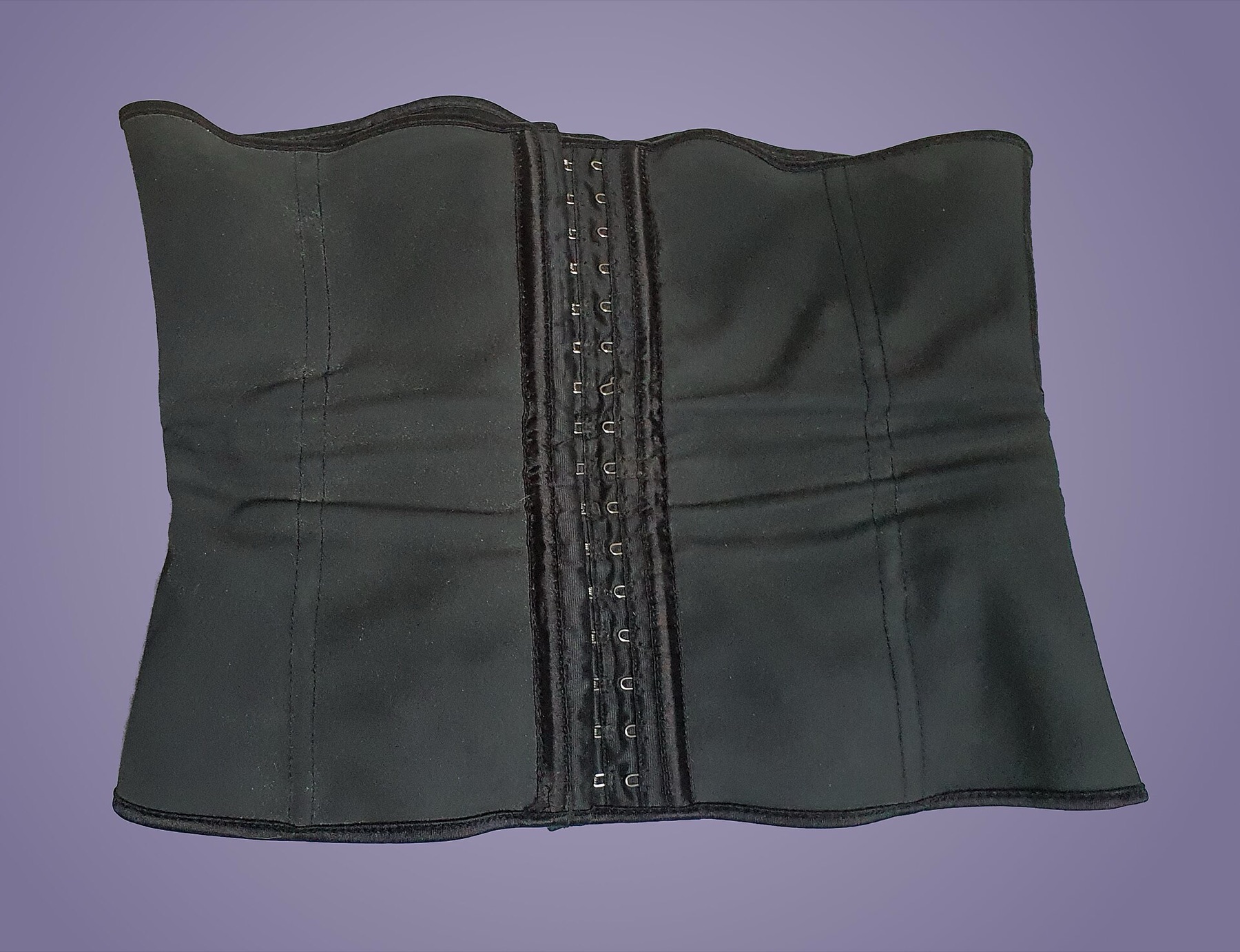
Chinese factories like Crazsweat and ShaperFactory present themselves as direct manufacturers with wholesale programs. When you vet a factory, make decisions around:
- Materials menu: Do they clearly offer latex, neoprene, spandex blends, and steel-boned options, or just generic “slimming belts”? A narrow material range may cap your assortment.
- Pattern library: Sites that show many silhouettes (vests, underbust corsets, double-strap belts, full-body shapers) give you more room to test the market without committing to custom development.
- Compression levels and size charts: Because waist trainers compress the torso, mis-sizing can create breathing discomfort. Even DHgate’s own editorial blog warns that a too-tight waist trainer can make breathing difficult and suggests careful fit and gradual wear time. Treat any factory that shrugs off sizing or doesn’t publish detailed measurements as high risk.
- Factory vs trader transparency: Ask directly whether they own the factory, and look for photos or videos of production. Many “factories” are actually trading companies; that’s not necessarily bad, but can add communication lag and margin layers.
Red flags for factories include vague fabric descriptions (“high-quality material”), one-size-fits-all claims, and weight-loss promises presented as guaranteed outcomes rather than marketing.
2. Brand-led wholesale programs
Colombian and US-based brands often run wholesale programs where you buy their labeled products at a discount. Examples include Colombian faja labels and US shapewear brands positioned as “hourglass figure” experts.
Buying from a brand:
- Simplifies fit and safety messaging because you can lean on their testing standards and published guidance.
- Gives you story and positioning (Colombian origin, premium compression, etc.), which can justify higher retail prices.
- Limits your control over materials and construction; you typically can’t re-spec fabrics or boning.
Vet these suppliers by looking at product detail pages and whether they talk frankly about compression limits, fit, and return feedback. If every marketing line is about dramatic waist reduction with no mention of comfort, sizing, or contraindications, expect some customer-service pain.
3. Distributors and bulk pack sellers
Distributors and bulk listings—like the case-pack waist trainers you’ll find on Amazon bulk search results—fill a niche between factory and retail. You usually get:
- Small pack sizes suitable for testing (e.g., assorted sizes in a single product style).
- Limited or no customization.
- Retail-ready packaging and barcodes in some cases.
Use these sources when you want to validate demand without committing to a formal wholesale relationship. Then plan to move to factory or brand programs once you know which silhouettes and compression levels your audience tolerates.
Pricing, MOQ, Customization, and Choosing a Buying Channel
Once you know the supplier type you’re comfortable with, pricing and MOQ drive how you actually place orders. You won’t find one clean price table across the industry, but patterns are clear enough to plan around.
How MOQ and style mix usually work
Factory websites like ShaperFactory and Crazsweat often advertise “low MOQ” and mixed-style orders, meaning you can combine sizes and colors in one run. While they don’t always show exact numbers, the practical pattern looks like this:
- Initial orders focus on a few core silhouettes (e.g., latex waist belt, neoprene sauna vest, steel-boned corset) rather than 20 SKUs at once.
- You mix sizes within a style to reach the supplier’s minimum—your risk shifts from total units to which sizes will sit unsold.
- Custom logo or label work generally increases MOQ and unit cost, so many small brands start with “blank” generic products and add branding on packaging, not the garment.
By contrast, brand-led programs will often ask for style-level commitments (e.g., a minimum per model and color) and may bundle accessories like gels or training guides into the deal.
Price tiers and channel trade-offs
You can think in broad tiers rather than chasing specific per-unit numbers:
- Factory-direct (China): Usually the lowest ex-factory cost, especially for latex and neoprene trainers. Margin is strong, but you take on more work: international logistics, quality control, and your own fit guidance.
- Brand wholesale (Colombia/US): Higher wholesale cost, but you gain brand equity, marketing assets, and often clearer sizing systems.
- Distributors / case packs (Amazon, domestic B2B): Middle-of-the-road pricing, no deep customization, and easier replenishment—but you’re rarely getting true factory rates.
Here’s a simple editorial comparison to visualize the decision:
| Channel type | Decision notes |
|---|---|
| Chinese factory-direct | Best fit for margin-focused online brands and dropshippers. Assortment and customization can be high, but both usually raise minimum order quantities and total cost. |
| Colombian/US brand wholesale | Best fit for boutiques and premium shapewear stores. Assortment is limited to the brand catalogue, while customization is usually low to moderate. |
| Bulk packs / distributors | Best fit for new sellers testing demand. Expect a small set of preselected styles and little customization beyond possible label changes. |
Where a marketplace like DHgate can fit
Cross-border marketplaces add a fourth channel: many independent sellers under one roof. On DHgate, for example, a search for waist trainers surfaces a wide range of listings pitched at wholesale buyers with titles like “Wholesale- Hot Slimming Waist Belt Waist Trainer Corset Plus Size Shapewear Bodysuit” from seller `xingsha68` and “Plus Size Waist Trainer Women Flat Belly Sweat Vest Sauna Shapewear Body Shaper” from `fashion_world02`.Wholesale waist belt listing
A quick snapshot of some DHgate waist trainer products (retrieved 2026-10-13; prices and availability can change):
- Wholesale- Hot Slimming Waist Belt Waist Trainer Corset Plus Size Shapewear Bodysuit – Category: Women’s Shapers; price range around USD 22.31-26.55 from seller `xingsha68`.
- Plus Size Waist Trainer Women Flat Belly Sweat Vest Sauna Shapewear Body Shaper – Category: Waist & Tummy Shaper; price range around USD 26.32-53.98 from `fashion_world02`.
- Slimming Waist Trainer Tummy Control High Waist Body Shaper for Women – Category: Sexy Socks (mis-categorized but functionally shapewear); price range around USD 15.8-16.55 from `vance567`.
- Women Shapewear Bodysuits Waist Trainer Vest Slim Full Body Shaper – Category: Women’s Shapers; price range around USD 19.45-22.53 from `bai06`.
- Compare multiple listings for similar silhouettes to understand realistic price bands.
- Check seller tenure and ratings where available, then request clear size charts and material specs before placing larger orders.
- Start with smaller, multi-size test orders even if the price looks attractive—compression garments carry more fit and comfort risk than T-shirts.
If you want deeper guidance specifically on finding and evaluating DHgate suppliers, pages like Find wholesale suppliers on DHgate and Choose a DHgate wholesale supplier focus on that marketplace process.
Boutique vs online-only brand: a quick scenario check
- Small fashion boutique in a US city: You probably don’t want to manage returns from aggressive compression failures. A Colombian or US brand wholesale program, or carefully chosen premium suppliers via a marketplace, may be a better fit even at higher cost.
- Online-only brand selling fitness gear: You can justify experimenting with multiple silhouettes from Chinese factories or DHgate listings to chase margin, as long as you build honest sizing guides, warn customers not to overtighten, and frame any weight-loss language as aspirational marketing, not guaranteed results.
If your gut feeling is that you’re not prepared to handle customer complaints about discomfort or breathing issues, err toward fewer styles, moderate compression, and suppliers who publish detailed fit and wear-time guidance.