
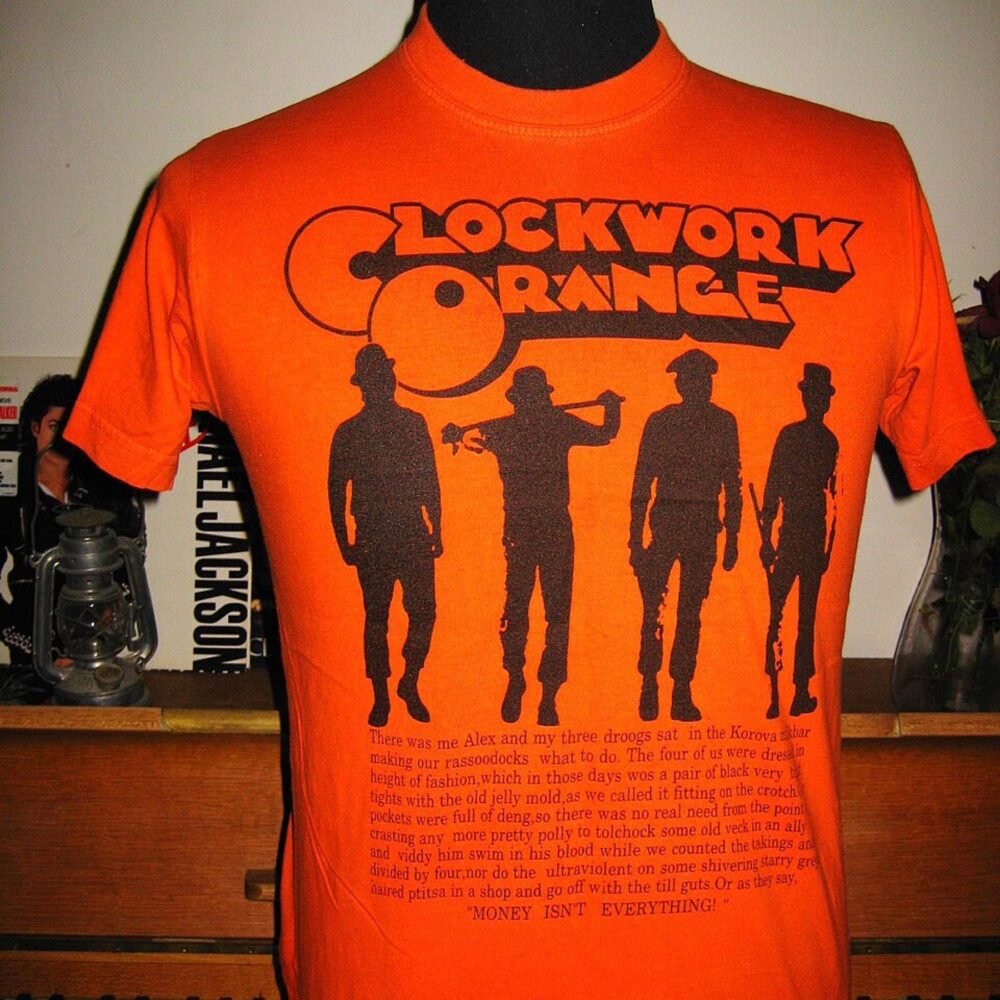
You cannot realistically wholesale one-of-a-kind vintage t‑shirts on DHgate or similar cross-border marketplaces—but you can use DHgate to buy vintage-style and retro graphic tees in bulk and pair them with true thrifted vintage for your US resale business. The practical move is to treat DHgate as a source of new, vintage-wash or retro-printed shirts with low minimum order quantities, not as a pipeline for authentic 1990s band tees or single-tag rarities.
DHgate is a China-based B2B marketplace launched in 2004 that connects global buyers with Chinese suppliers for small-quantity wholesale purchases, as described in its own editorial blog.Source Those materials highlight relatively low MOQs (sometimes even single units in some categories), tiered pricing, and seller badges that can help you vet suppliers.Source That combination makes it a practical test bed for vintage-style tee inventory—if you understand what it can’t do and build your model around that.
How Wholesale Vintage and Thrifted Tees Really Work
For t‑shirts, “vintage” usually means garments from earlier eras—commonly 20+ years old—with period graphics, construction, and tags. Industry explanations of vintage tees describe old band logos, sports graphics, or pop-culture art and call out details like single-stitch hems, thin cotton, and era-specific brand labels.Source
Those shirts almost always enter resale channels one-by-one: thrift stores, estate sales, rag houses, deadstock warehouse finds. A picker might pull a single 1994 tour tee from a bale; there isn’t a factory producing new 1994 shirts with original tags. That’s why marketplaces built around current manufacturers and wholesalers are a poor fit for true vintage.
What does fit factory-style wholesale are:
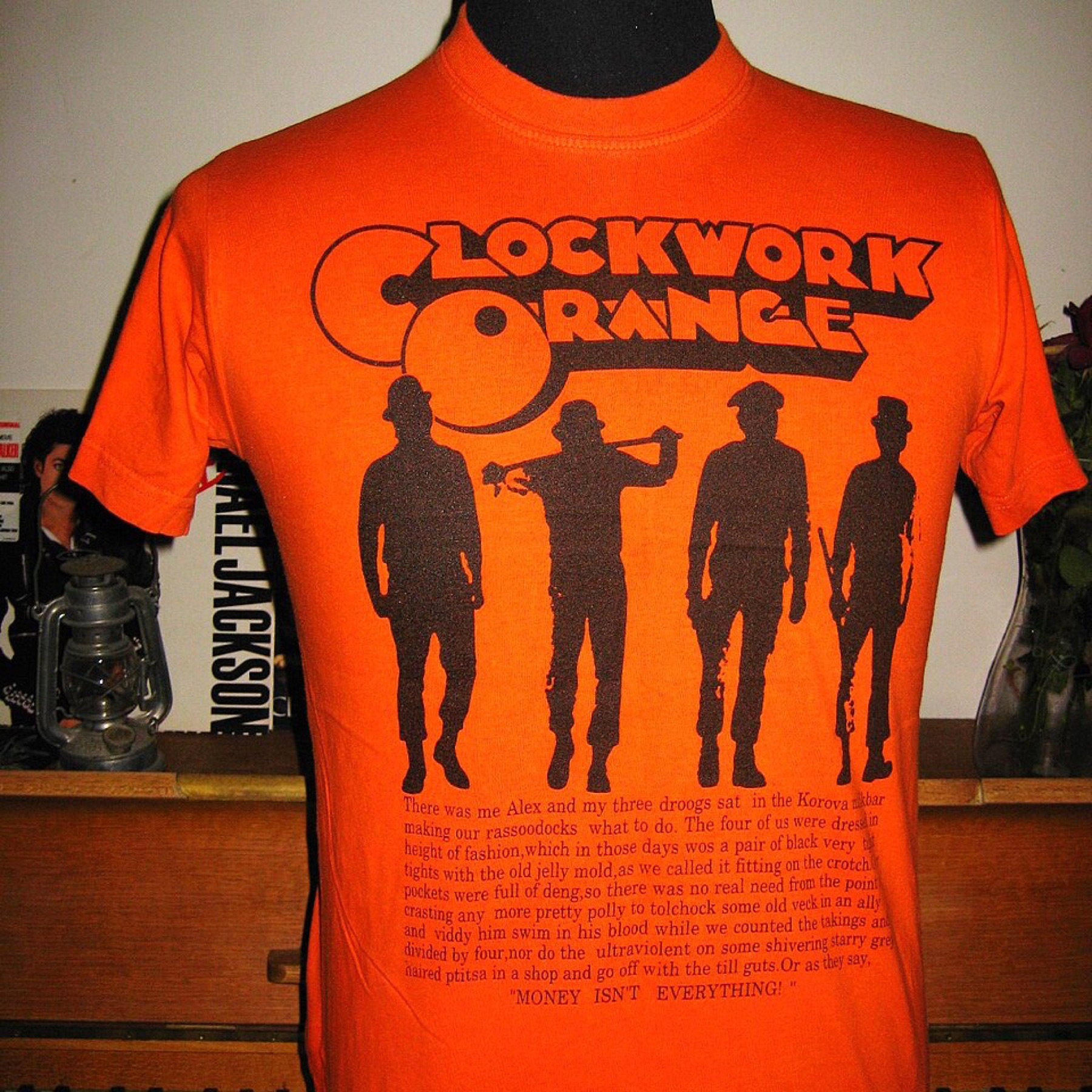
- Vintage-style tees – new shirts with retro graphics (e.g., distressed typography, faux tour dates, cartoonish 90s art), often marketed as “retro” or “nostalgia” collections.Source
- Vintage-wash basics – new blanks with enzyme washes or garment dye that mimic the faded, worn-in feel of old cotton.
Retailers that sell both categories often separate their true vintage tees (80s/90s graphic shirts with period tags) from newer retro-inspired collections,Source echoing this split between one-off archival pieces and bulk-able, current production.
For your business, that leads to a simple supply chain reality:
- True vintage / thrifted: sourced locally via thrifting, rag houses, and private sellers; unique; inconsistent sizes and themes; often higher margin per piece but limited, unpredictable volume.Source
- Vintage-style / retro: sourced via factories and cross-border marketplaces; repeatable SKUs; you control size runs and color ways; lower margin per piece but scalable.
Choosing and Vetting Cross-Border Suppliers for Vintage-Style Tees
If you’re buying retro-style tees from China or other manufacturing hubs, your main risks are poor fabric quality, bad printing, and intellectual property issues—not “is this really vintage.” You want factories that can deliver on your spec and avoid obvious IP trouble.
On DHgate, you’ll mostly be dealing with merchants who either manufacture or broker t‑shirts. The platform’s editorial blog describes DHgate as a small-business-friendly wholesale site where minimum order quantities tend to be lower than on some rivals like Alibaba and Made-in-China,Source and notes a tiered pricing approach where per-unit prices drop as your order quantity rises.Source It also calls out seller badges such as “top merchant” and “China brand” as credibility signals.Source
Those are useful screening tools, but they aren’t guarantees. Here’s how to translate them into concrete checks.
Fabric and construction
- Ask for fabric composition and weight
Request GSM or fabric weight and fiber content. For a vintage-feel tee, many resellers prefer lighter, softer cotton or cotton blends over stiff, heavy knits.
- Inspect construction via photos or samples
Ask for close-up photos of collars, hems, and inside seams. Look for even stitching, ribbed collars that hold their shape, and no obvious puckering. When samples arrive, compare them to true vintage tees to see whether the drape and feel are close enough for your shop’s aesthetic.
Print and wash
- Clarify print method
Ask whether designs are screen printed, direct-to-garment (DTG), or another method. Vintage-style graphics often look richer and last longer with traditional screen printing.
- Specify the look you want
Explain whether you want distressed, cracked effects or clean, bold prints. Make it clear that you expect durable ink rather than prints that flake off after a few washes.
- Understand vintage washes
For vintage-wash blanks, ask how the wash is done (enzyme wash, garment dye) and whether color or fading may vary from batch to batch.
Intellectual property (IP)
- Avoid listings using current band logos, sports team marks, movie characters, or recognizable brand logos unless you have rights. Stick to generic retro themes—typography, abstract art, non-branded slogans.
- If a supplier sends catalogs full of obviously branded IP, treat that as a red flag and move on.
Using DHgate’s seller signals without over-trusting them
DHgate’s editorial blog encourages buyers to check badges like “top merchant” and “China brand,” and to evaluate ratings, reviews, and transaction history.Source Treat these as starting points:
- Prefer merchants with an established history of t‑shirt sales and consistent positive reviews that mention fabric and print quality.
DHgate’s ecommerce guide also suggests requesting samples before larger orders, and checking supplier ratings and reviews.Source For vintage-style tees, samples are essential: you need to physically assess handfeel, shrinkage after wash, and how the print ages.
Instead of scripted outreach, focus on sharing clear information:
- Link or reference the exact listing or style you’re interested in.
- Ask for fabric GSM, print method, available colors, and size range.
- Request MOQs for mixed-size orders and how unit price changes at different quantities.
- Ask whether they offer non-branded retro designs that fit your shop’s aesthetic.
Cost, MOQs, and Channel Comparisons: Where DHgate Fits
For a US resale business, your sourcing mix usually has three levers:
- Unique vintage (high margin, low volume)
- Imported vintage-style tees (moderate margin, scalable)
- Local blanks/printing (more control, potentially higher up-front cost)
DHgate sits in the imported bucket. Its own editorial content presents DHgate as a wholesale marketplace built for smaller buyers, with MOQs that tend to be lower than on some rivals and with tiered pricing that rewards larger quantities.SourceSource Made-in-China is described in the same DHgate blog article as more focused on customized manufacturing and larger orders.Source
Thrift stores and rag houses, by contrast, are about hunting for individual pieces, not placing factory orders.Source
Channel snapshot for tee sourcing
Here’s a compact, evidence-bound snapshot of how key channels typically fit a vintage-style tee business:
| Channel | Typical use case for tees | MOQ tendency (editorial) | Key advantage for a reseller |
|---|---|---|---|
| DHgate | Small-batch vintage-style tees; testing new designs | DHgate blog notes MOQs “tend to be lower” than sites like Alibaba and Made-in-China, and some products can be bought in very small quantitiesSourceSource | Easier to place trial orders without committing to large runs; tiered pricing can lower unit cost as you scaleSource |
| Alibaba / Made-in-China | Custom tees, private-label apparel, larger manufacturing orders | DHgate’s comparison article describes Made-in-China as suited to “customized clothing products” and importing “a large number of products”Source | Better fit for fully custom brands once you’re ready for bigger commitments and deeper factory relationships |
| Thrift stores / rag houses | True vintage and thrifted tees, deadstock finds | No factory MOQ; you buy piece by piece through picking or balesSource | Unique inventory and storytelling; can justify premium pricing for standout pieces |
A realistic sourcing scenario for vintage-style tees
Say you run an online thrift shop and want around 200 “retro” tees for summer:
- You target 50-70 true vintage tees from local thrift runs and rag houses. Unit cost might be higher, but standout pieces can justify premium pricing.
- You aim for 130-150 vintage-style tees sourced cross-border. On DHgate, you use a low-MOQ listing to order a small mixed-size test batch—just enough to judge fabric, print, and customer response.
- Once you see which design sells, you place a larger follow-up order for that style. DHgate’s editorial description of tiered pricing suggests that per-unit cost may fall at higher quantities,Source which can improve your margins as you scale.
- Throughout, you avoid branded graphics unless you have rights, sticking to general retro themes.
This mix lets you keep the “real vintage” appeal that draws customers while using DHgate and similar marketplaces to smooth out volume and size availability with vintage-style stock.
When DHgate is not the right source
There are clear cases where DHgate is the wrong tool:
- You want highly customized cuts or proprietary patterns at large scale (e.g., a fully original streetwear line). DHgate’s own comparison blog frames Made-in-China as a stronger fit for customized clothing and large imports,Source so direct factory sourcing or trade shows may make more sense.
- You’re focused solely on museum-grade or very high-end vintage pieces. Those usually come from specialist dealers, auctions, or deep local picking, not mass-market B2B platforms.
If you keep DHgate in its lane—bulk vintage-style tees with room to test designs—and keep your truly vintage inventory coming from local thrift and rag channels, you can build a more balanced, resilient t‑shirt business.
To sharpen your DHgate sourcing skills beyond tees, you can also read guides such as Find wholesale suppliers on DHgate, Find DHgate suppliers, and Choose a DHgate wholesale supplier, then plug those basics into your specific vintage-style tee requirements.