
You can’t use DHgate to buy true vintage clothing in bulk, but you can use it and similar marketplaces to stock your thrift or vintage shop with new, vintage-style pieces. For a U.S. resale business, that’s the key distinction: “vintage” usually means garments roughly 20+ years old, while DHgate sellers focus on newly manufactured fashion, including retro patterns and silhouettes. This guide helps you decide if vintage-inspired wholesale makes sense for your concept, how to vet DHgate suppliers, and when Alibaba, Made-in-China, or other channels are a better fit.
How Vintage Clothing and Thrift Store Sourcing Actually Works
In fashion, vintage generally refers to clothing that’s around 20 years old or more and reflects the style of its original era, not just a retro print on a new garment. Editorial outlets like Vogue’s explanation of what counts as vintage place most vintage between the 1920s and early 2000s; pieces older than that often slide into “antique.”
Thrift stores, by contrast, are built on secondhand stock. They typically sell donated goods at low prices, often to support a mission or keep usable items out of landfills. As wholesale firm Indetexx notes in its overview of what a thrift store is and how it sources inventory, these shops rely on donated clothing, local community drop‑offs, and sometimes bulk secondhand purchases, not new wholesale inventory from factories.
For a U.S. resale business, inventory usually comes from a mix of:
- Donations and community drop‑offs – core for charity thrift stores.
- Buy‑sell‑trade and consignment – common in curated vintage boutiques and resale chains; you pay cash or store credit, or take items on consignment.
- Rag houses and secondhand wholesalers – you buy unsorted or graded bales of used clothing by weight.
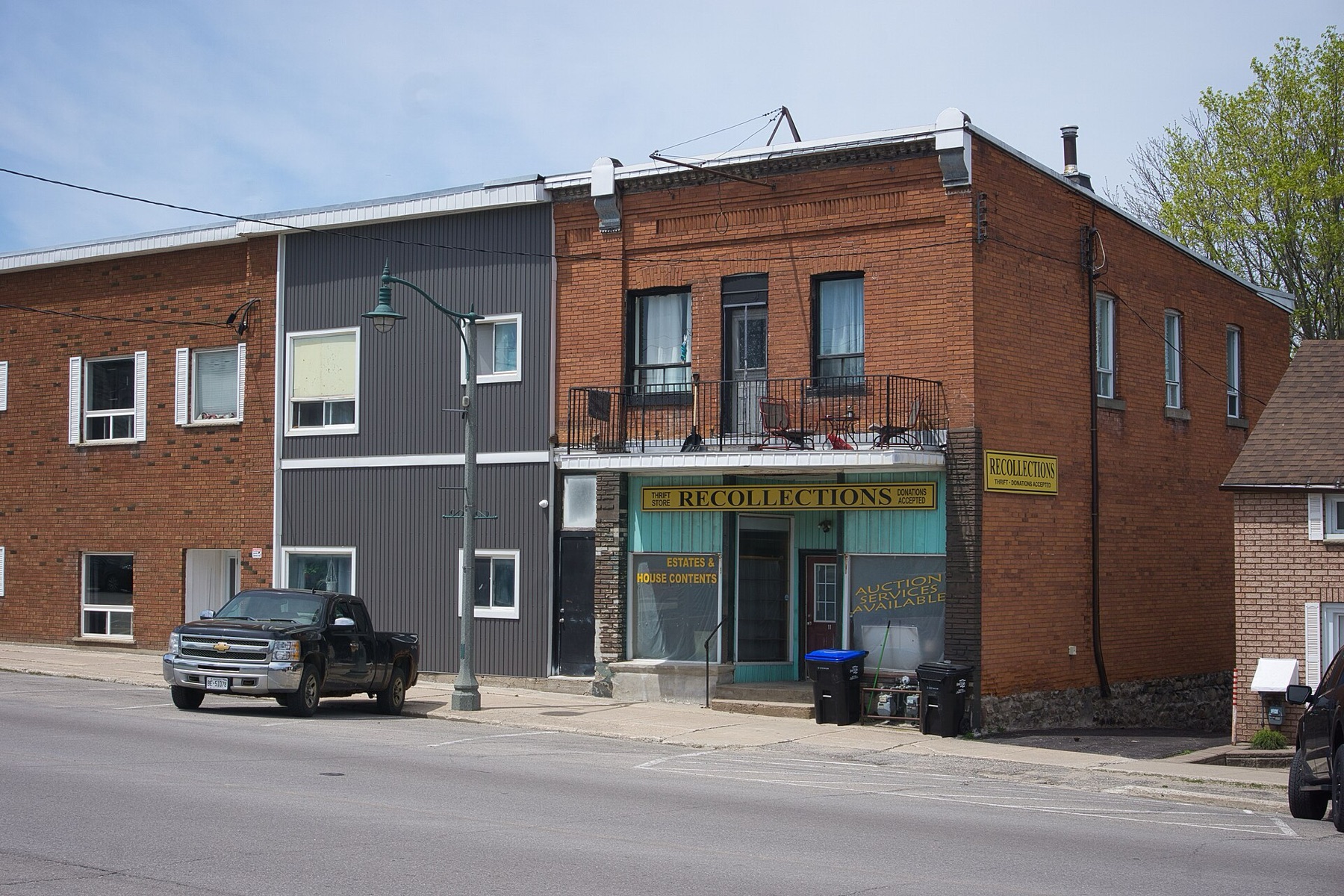
- Estate sales, auctions, and local picking – especially important for older eras and high‑value pieces.
Cross‑border wholesale platforms sit outside that true vintage supply chain. DHgate, described in its own fashion blog as a global online wholesale marketplace connecting international buyers with mainly Chinese wholesalers across many fashion categories, is focused on new production. What you’ll find there are vintage‑inspired products—pin‑up dresses, 70s‑style flares, 90s streetwear patterns—rather than garments with past‑era provenance.
That means you need to decide where new vintage‑style apparel fits: as a separate “new retro” rack inside your thrift store, or as part of a boutique concept that blends true vintage with new reproduction pieces.
Quick scenario: thrift shop vs. curated vintage boutique
- Pure thrift/charity shop – Your customers expect low‑priced donated goods, not new wholesale apparel. Cross‑border sourcing usually doesn’t make sense unless you’re adding a small rack of new basics (e.g., tights, socks).
- Curated vintage boutique or online shop – You might combine:
- True vintage sourced locally and via rag houses.
- New reproduction pieces in popular eras (40s‑50s dresses, 70s denim) from overseas factories.
- Vintage‑inspired streetwear to catch younger shoppers.
For the second scenario, DHgate and similar platforms can be part of your mix—but only on the “new vintage‑style” side.
Choosing Wholesale Suppliers for Vintage-Style Clothing
If you decide to add new retro pieces, your biggest job is choosing suppliers you can trust and styles that actually sell in your market. On DHgate, you’re dealing with a marketplace that hosts many products from many suppliers rather than a single manufacturer, so you have to vet each seller.
Use this step‑by‑step process for vintage‑style clothing suppliers (DHgate or elsewhere):
- Search specifically for vintage-inspired, not “vintage”
Use terms like “retro 90s print dress,” “50s pin‑up swing dress,” “Y2K crop top,” or “70s flare jeans.” On DHgate, many sellers tag products as “vintage,” but they’re clearly new garments with retro patterns, so your search language should match that reality.
- Filter by order size that matches your risk tolerance
Clothing MOQs on DHgate tend to run lower than some big B2B rivals, according to its wholesale clothing blog. Look for listings that allow small packs or mixed sizes so your first buy isn’t a huge commitment. If a supplier only sells 100‑piece runs per style and color, that’s probably too heavy for testing in a small vintage shop.
- Check seller evidence, not just product photos
For each candidate supplier:
- Read buyer feedback carefully for comments on fabric weight, print crispness, and fit.
- Compare photos from different buyers to the listing images—does the product look consistent?
- Look at how long the seller has been active and how many clothing SKUs they carry; many DHgate clothing sellers are linked to OEM factories and can offer multiple styles, but you want proof of real volume and repeat orders.
- Request samples before committing to a run
Treat samples as your on‑body test:
- Order 1-3 units in the actual sizes and colors you plan to carry.
- Wash and wear them the way your customers will: check for shrinking, dye bleeding, and seam failure.
- Decide whether the garment feels like something your vintage shopper would accept as a “new reproduction” rather than a fast‑fashion piece.
- Clarify customization and branding upfront
DHgate’s clothing blog notes that many sellers are affiliated with OEM factories and can customize orders. If you want your own label, different fabric, or adjusted length:
- Ask directly if they can sew private labels or change measurements.
- Get a spec sheet (size chart, fabric composition, and construction details) in writing.
- Treat customizations as a second sample round before you place a bulk run.
- Decide how you’ll label and describe the product in-store
The biggest reputational risk is misrepresenting new clothes as true vintage. Avoid calling DHgate‑sourced garments “authentic 90s” or “original 50s.” Instead:
- Use terms like “new retro,” “vintage‑inspired,” “reproduction,” or “modern remake.”
- Separate them physically from your true vintage racks.
- Be ready to answer customer questions about age and origin honestly.
For more help on evaluating DHgate sellers across categories, see Find DHgate suppliers and Choose a DHgate wholesale supplier.
MOQ, Pricing, and Channel Choices: DHgate vs. Other Options
Once you’re comfortable with the idea of new vintage‑style pieces, the next decision is channel: DHgate versus larger‑volume platforms or entirely different sourcing methods. You’ll need to estimate landed cost—the per‑piece cost after product price, freight, duties, and any customs brokerage—and weigh that against your local resale margins.
Here’s a channel snapshot based on DHgate’s own wholesale clothing comparisons:
| Channel | MOQ tendency for clothing* | Positioning & best use case (editorial judgment) |
|---|---|---|
| DHgate | Tends toward relatively lower MOQs | Good for testing small runs of vintage‑style new garments in boutiques. |
| Alibaba | Often medium to higher factory MOQs | Better for scaling proven designs once you know the exact specs you want. |
| Made‑in‑China | Emphasis on large volume and customization | Suited to big orders or heavily customized lines, including textiles and clothing. |
| Yiwugo | Many clothing SKUs above 10 pieces per style | Very cheap small commodities; useful for bulk basics more than niche retro styles. |
\*MOQ tendencies are summarized from a DHgate blog comparison of Chinese wholesale sites and can vary widely by supplier.
For a small U.S. thrift or vintage business, those differences translate to:
- DHgate – You can test a modest run of a 50s‑style dress across sizes, see if your customers accept new repro pieces at your price point, then reorder if it works. You trade more time vetting sellers for the flexibility of lower MOQs.
- Alibaba / Made‑in‑China – More suitable once you have hard sales data and want to commit to higher volumes or deeper customization. Made‑in‑China in particular is described as leaning into large‑volume and customized Chinese products, including textiles and clothing, so it fits a brand building its own line more than a neighborhood thrift shop.
- Yiwugo – Described in DHgate’s comparison as a very cheap wholesale source for small commodities, with many clothing MOQs above 10 pieces. It can work for bulk basics (plain tees, socks) that you sell alongside vintage, but it’s less tailored to niche retro aesthetics.
How to estimate landed cost on cross-border vintage-style orders
Even without exact current prices, you can sketch the math:
- Start with unit wholesale price – e.g., a hypothetical $8 per dress from a DHgate seller.
- Add freight and import costs – divide total shipping and duties by the number of pieces to get a per‑unit figure.
- Include domestic handling – steaming, tagging, and any tailoring you do.
- Compare to your local secondhand sourcing cost – that might be a few dollars per dress from a rag house, but with more sorting labor and less size control.
If your landed cost on a new vintage‑style dress is several times your secondhand cost, you’ll need to position it as a premium reproduction piece with higher sticker prices and clearer value (specific cuts, reliable sizing, sizes you rarely see in true vintage).
Blending channels into a practical sourcing mix
A realistic inventory strategy for a U.S. vintage‑leaning shop might look like:
- 60-80% true vintage and secondhand: donations, consignment, rag houses, estate sales.
- 10-25% new vintage‑inspired wholesale: small runs from DHgate sellers you’ve tested via samples.
- 10-15% new basics and accessories: low‑priced items from channels like Yiwugo or domestic wholesalers that help customers style outfits.
You can use Find wholesale suppliers on DHgate as a starting point for the DHgate portion of that mix, then rely on local picking and secondhand wholesalers for your authentic vintage backbone.
The goal isn’t to replace your thrift sourcing with cross‑border wholesale. It’s to add targeted vintage‑style pieces where they make financial and aesthetic sense—without blurring the line between true vintage and new reproduction for your customers.