
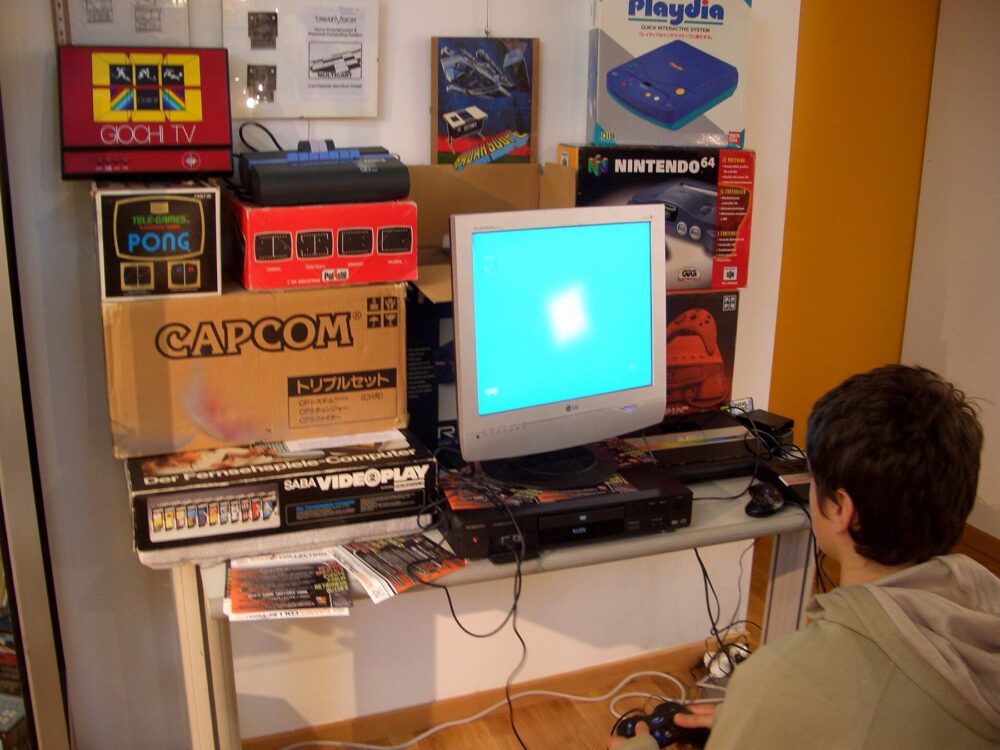
Wholesale video games and consoles means buying gaming hardware, software, and accessories in bulk at discounted prices so you can resell them. For a US game store or ecommerce seller, that can mean anything from pallets of new releases to mixed lots of used gear. DHgate is one of several marketplaces that let you source gaming-related products from Chinese suppliers, but it’s generally better suited to accessories and generic devices than to current-generation brand-name consoles and new AAA games. For those, authorized distributors and reputable liquidators are usually more realistic.
This guide focuses on how the wholesale gaming market actually works, how to vet suppliers across channels, and when DHgate is a sensible part of your sourcing mix.
How Wholesale Video Games and Consoles Work Today
In wholesale, “video games and consoles” covers three main buckets:
- Hardware: consoles, handhelds, retro systems, and sometimes PC gaming hardware.
- Software: physical game discs/cartridges and sometimes digital codes.
- Accessories: controllers, headsets, charging docks, cables, storage, and merchandise.
Brand-name hardware and new releases usually flow through brand-authorized distributors and large retailers. Examples include companies like CD Distribution, Royal Electronics, and Click Entertainment, which operate as wholesale distributors or platforms for video games, consoles, and accessories. Portals such as WholesGame connect buyers and sellers in this space and illustrate how formal the supply chain tends to be.
Cross-border marketplaces such as DHgate sit in a different part of the ecosystem. They connect you directly with Chinese wholesalers and manufacturers offering:
- generic or “no-name” consoles and retro devices,
- third-party controllers and headsets,
- charging accessories, cables, storage cases, and other peripherals.
For licensed current-gen consoles and new AAA games, cross-border open marketplaces can be harder to align with brand requirements: the brands tightly control distribution, and you generally need traceable sourcing from authorized channels if you care about things like official warranty and support.
Liquidation platforms like 888Lots add another layer, selling assorted lots of video games, consoles, and accessories that are more suited to discount or secondary-market resellers. These lots often mix brands, generations, and conditions and work best if you have the ability to process, test, and grade inventory.
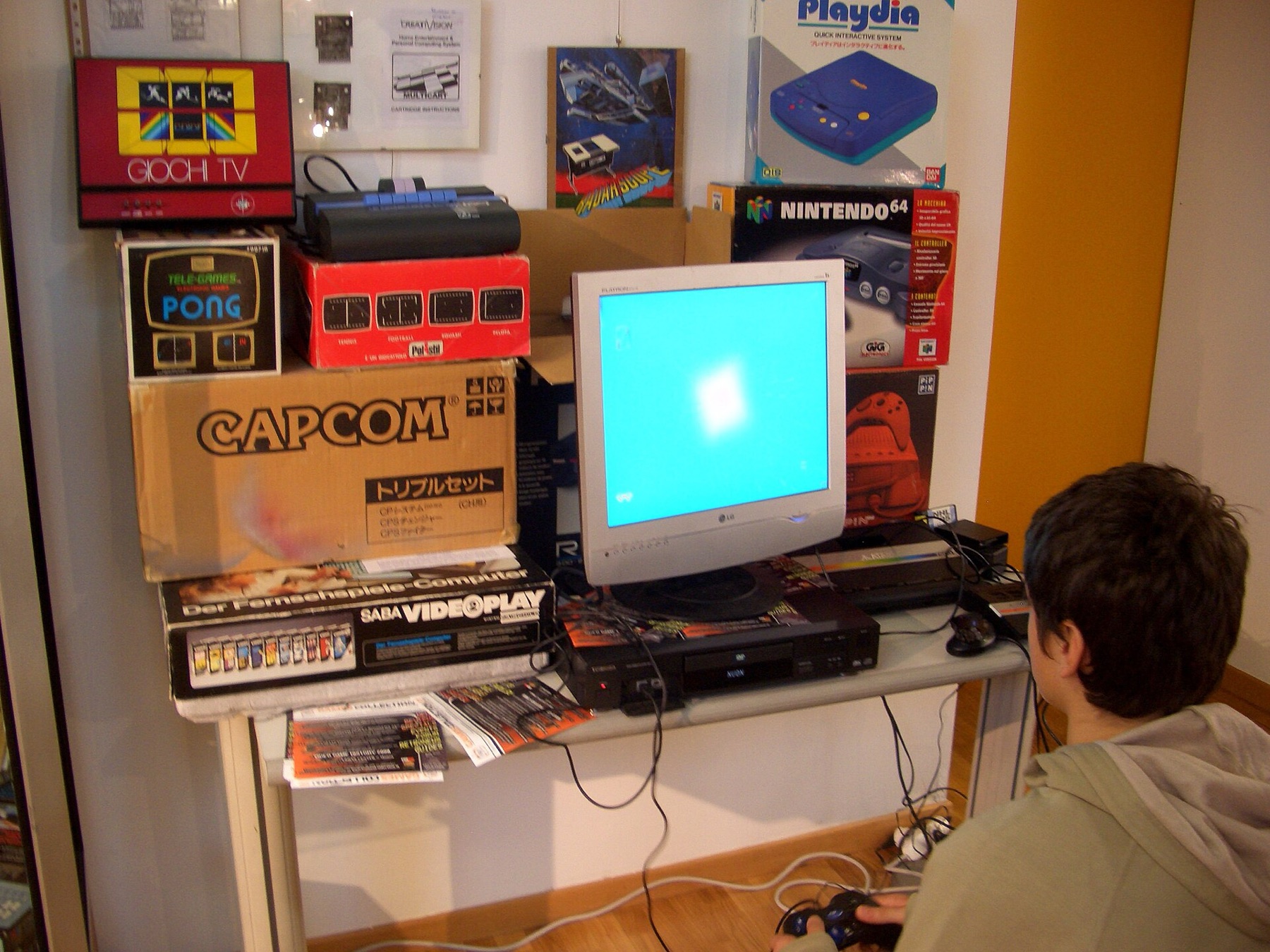
Selecting and Vetting Video Game & Console Suppliers Across Channels
For gaming inventory, vetting is less about generic “check reviews” advice and more about matching the channel to the SKU type and then demanding specific evidence.
1. Brand-authorized and specialist distributors
If you want new, current-generation consoles or new-release titles for major platforms, you’re usually looking at:
- regional wholesalers that openly list gaming as a category (e.g., CD Distribution),
- specialists advertising wholesale console games (e.g., Royal Electronics),
- international game distributors (e.g., Click Entertainment),
- portals that profile multiple distributors (e.g., WholesGame’s catalog).
Concrete checks here:
- Line card and focus: Does gaming look like a core category (multiple platforms, accessories, and titles), or a side category among many unrelated items?
- Business credentials: Look for a physical address, a company name you can search, and clear contact details. Many distributors openly state that they serve retailers and resellers.
- Assortment match: Make sure they realistically stock what you want — for example, modern consoles vs only older-gen or mixed toys.
These suppliers often require accounts, references, or minimum annual spend. That overhead is worthwhile if your model depends on recognizable brands.
2. Liquidators and mixed gaming lots
If you’re running a discount store, flea-market operation, or online outlet focused on value rather than latest releases, liquidation platforms can work. On 888Lots, for example, you’ll see assorted lots of games, consoles, and accessories.
Key questions for this channel:
- Lot composition: Is the manifest detailed enough that you can estimate resale value by SKU count and platform?
- Condition expectations: Are items likely new, shelf pulls, returns, or untested? Liquidation lots are rarely pristine retail-ready stock; build a margin of safety into your bids.
- Operational capacity: Do you have the ability to test consoles, discard failures, and sell used/refurbished gear honestly?
Liquidators tend to be a better fit for entrepreneurs who can absorb variance: you might get a few higher-value consoles mixed with less desirable titles and legacy hardware.
3. Open marketplaces (DHgate, Alibaba-style platforms)
Marketplaces such as DHgate, Alibaba, and others let you buy directly from individual suppliers. DHgate is described in its own editorial materials as a China-based B2B cross-border marketplace connecting international buyers with Chinese wholesalers across categories, including electronics and accessories.
On DHgate and similar platforms, focus your vetting on:
- Product type: Treat brand-name current-gen consoles and new AAA titles as complex to source unless you can verify the supplier’s relationship to official distribution. Generic controllers, cables, and accessories are more realistic.
- Evidence requests: Ask for detailed photos, packaging information, and — for anything claiming to be branded — documentation that shows where the supplier sources the product.
If a marketplace supplier cannot give clear answers on sourcing, stick to unbranded accessories or move back to a distributor or liquidator for brand-oriented stock.
Channel fit for common gaming products
Below is a concise, editorial view of which channels often align with different product types:
| Product type | Common primary channel | Marketplace fit like DHgate |
|---|---|---|
| New current-gen consoles | Specialist or regional distributors | Limited; focus on careful vetting |
| New-release physical game titles | Specialist or regional distributors | Limited; focus on careful vetting |
| Third-party controllers, headsets | Distributors; open marketplaces | Often suitable for generic items |
| Retro/legacy hardware & mixed titles | Liquidators; specialty distributors | Case-by-case; depends on supplier |
| Small gaming gifts, cases, cables | Open marketplaces; general wholesalers | Often suitable |
Using DHgate and Alternatives for Wholesale Gaming Inventory
DHgate’s value for a US gaming reseller is in its structure: it’s a wholesale-oriented marketplace where suppliers can offer tiered pricing, samples, and detailed profiles, and buyers can compare options. DHgate’s own editorial guidance highlights tools for sourcing — filters to narrow searches, supplier ratings and reviews, and the ability to request samples before committing to larger orders.
Where DHgate generally fits for gaming
Realistic DHgate use cases for a US game store or online seller include:
- Third-party controllers and headsets compatible with popular consoles or PC.
- Charging stations, cables, HDMI splitters, and power accessories you can bundle with consoles.
- Storage cases, bags, stands, and display accessories for handhelds and controllers.
- Generic or retro-style plug-and-play consoles where brand licensing is less central and buyers care more about experience than official branding.
For these categories, your decision process on DHgate can look like this:
- Search with specific keywords and filters. Instead of “controller,” search for the form factor and platform you want (e.g., “wireless gamepad for PC” or “charging dock for Switch-style controllers”). Use filters for minimum order quantity (MOQ) and broad price ranges that fit your margin.
- Shortlist 3-5 suppliers per product type. Compare their ratings, the number of completed transactions, and how detailed their listings are. Vague titles and scarce photos are red flags for electronics.
- Order samples first. For any accessory you plan to buy in bulk, request a sample order as DHgate’s editorial guidance suggests. Test build quality, packaging, and compatibility before scaling up.
For this DHgate-focused work, it can help to review marketplace-oriented internal guides like Find wholesale suppliers on DHgate, Find DHgate suppliers, and Choose a DHgate wholesale supplier for step-by-step platform navigation and supplier comparison.
Where DHgate is usually a weaker option
There are scenarios where DHgate and other open marketplaces are rarely the first choice for US gaming resellers:
- Brand-new, current-generation consoles and first-party accessories where your buyers expect official warranties and close alignment with brand policies.
- Digital codes for major platforms where reselling can raise platform and legal questions if not sourced through approved channels.
Pulling it together
For a US game store or ecommerce business, a practical strategy usually looks like this:
- Use distributors for brand-name consoles and new titles.
- Use liquidators for opportunistic buys and secondary-market stock.
- Use DHgate and similar marketplaces for generic accessories and lower-risk devices, with a disciplined sampling and vetting process.
Treat each channel as a different tool rather than trying to force every type of gaming inventory through a single platform. That mix gives you a better shot at maintaining both margins and customer trust.