
This guide focuses on making that sourcing decision, with DHgate treated as one option rather than the default answer.
What Counts as Wholesale Terrarium Supplies and How the Market Works
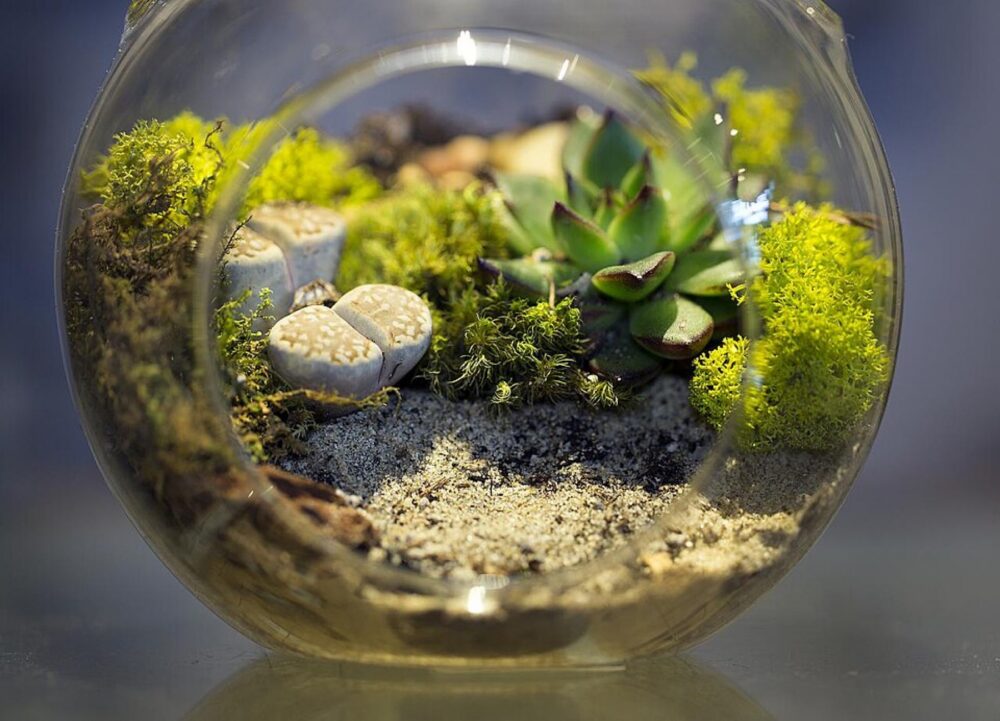
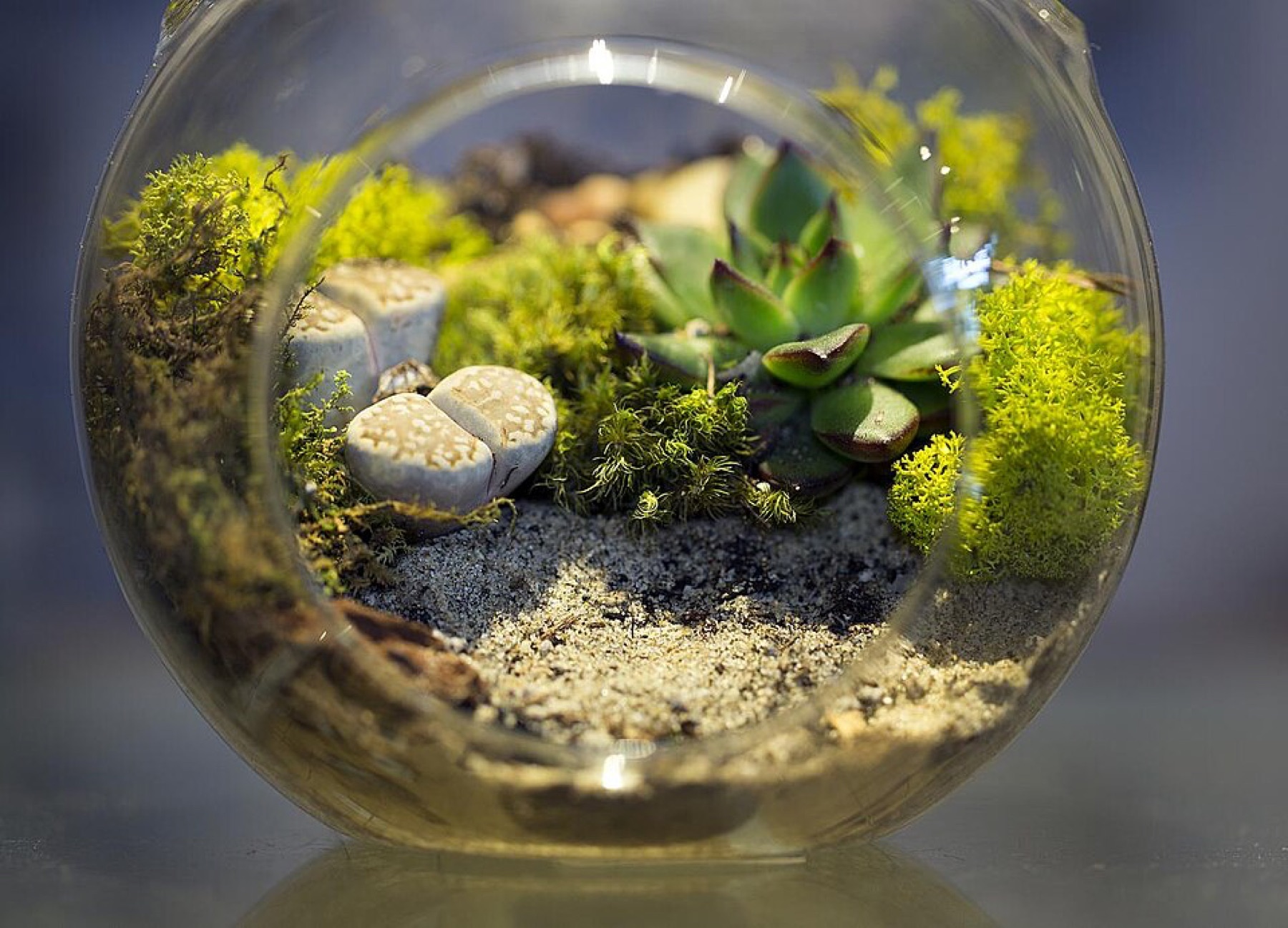
Wholesale terrarium supplies cover almost everything that goes inside or around a terrarium, bought in bulk at a discounted rate. Common categories include:
- Containers and hardware: glass globes, jars, geometric terrariums, hanging holders, lids, and stands.
- Hardscape and decor: stones, driftwood, sand, miniature figurines, background panels.
- Substrates and bioactive materials: soil blends, drainage layers, leaf litter, mosses, and microfauna that support living ecosystems.
- Plant‑focused accessories: air‑plant holders, mounting wire, display bases.
US decorative suppliers tend to focus on glass and accents. For example, Air Plant Design Studio’s terrarium supplies section lists wholesale moss and decorative items alongside glass terrariums and holders for air plants, aimed at retailers that resell pre‑made kits or build their own assortments.Source
On the habitat side, some wholesalers specialize in reptile and bioactive setups. The Bio Dude describes a reptile and terrarium wholesale program that includes substrates and decor for retailers.Source Pink Leaf Wholesale positions itself around bioactive terrarium supplies for North American buyers.Source These businesses typically blend manufactured items (decor, containers) with their own substrate recipes.
Structurally, you’re dealing with two overlapping supply chains:
- Manufactured components (glass, decor, plastics) where cross‑border sourcing via China‑based marketplaces can offer cost advantages and variety.
- Living or habitat‑critical materials (plants, substrates, microfauna) where domestic specialists or regional wholesalers are usually safer and more predictable for US regulations and animal health.
For most terrarium brands, that split becomes the backbone of their wholesale strategy.
Evaluating Terrarium Suppliers and Channels
You’ll usually pick from three broad channel types:
- US niche wholesalers that only deal in terrarium and vivarium products.
- B2B marketplaces connecting brands to retailers (often domestic inventory).
- Cross‑border marketplaces connecting you directly to overseas manufacturers and traders.
Here’s how those play out with concrete examples.
US terrarium and vivarium specialists
US‑based sellers like Air Plant Shop’s wholesale terrarium supplies section focus on mosses, glass, and decorative accents for air plants.Source Habitat‑oriented suppliers such as The Bio Dude offer wholesale reptile substrates and decor to retailers.Source
Signals these specialists can be a good fit:
- They already sell into US retail and pet markets, which implies at least a baseline understanding of US customer expectations.
- Their catalogs are tightly focused: substrates and decor for reptiles, or glass and moss for air plants, not a generic mix of unrelated products.
Trade‑offs: unit costs can be higher than cross‑border imports, but you gain shorter lead times, clearer labeling, and easier communication about animal safety and plant health. You’re still responsible for verifying that any living or habitat‑critical products meet your own standards; no website can guarantee your outcomes.
B2B marketplaces like Faire
Faire runs a B2B marketplace that lists terrarium supplies for retailers, connecting brands and shops under one platform.Source Here you’re typically buying from small brands or makers that wholesale to boutiques.
When this is useful:
- You want curated, giftable products (finished terrariums, kits, branded decor) rather than raw materials.
- You prefer domestic or regional inventory and simpler logistics.
You should still vet each brand: skim their terrarium category, look for consistent product photography and descriptions, and check whether they clearly label materials that touch animals or living plants.
Cross‑border marketplaces and the role of DHgate
Cross‑border marketplaces connect you directly to manufacturers and trading companies, usually in Asia. DHgate is one of these: a China‑based B2B marketplace that connects suppliers with buyers globally across many product categories.
These platforms tend to be strongest for non‑living components—glass vessels, metal stands, plastic decor, packaging—where you can take advantage of lower manufacturing costs. They’re weaker for live plants, microfauna, or complex substrates that must conform to local regulations and husbandry standards.
For a terrarium business, that usually means: consider cross‑border marketplaces for containers and decor; keep living, edible, or habitat‑critical materials closer to home unless you have deep regulatory and husbandry expertise.
Quick channel comparison for terrarium use‑cases
| Terrarium business focus | Best primary channel | Where DHgate‑style sourcing fits |
|---|---|---|
| Decorative glass & air‑plant terrariums | US decorative wholesalers or B2B marketplaces | Cross‑border for glass, holders, non‑living decor |
| Bioactive reptile/vivarium setups | Habitat specialists (Bio Dude, Pink Leaf, etc.) | Limited: non‑living decor only |
| DIY kits for hobbyists | Mix of US wholesalers and marketplaces | Cross‑border for cost‑effective packaging and hardware |
This table is editorial judgment based on the product types these channels publicly prioritize; it isn’t a guarantee of their policies or quality.
Buying Terrarium Supplies in Bulk on DHgate and Alternatives
DHgate’s own editorial describes it as a Chinese e‑commerce platform serving companies of all sizes, notable for allowing low‑quantity orders and using tiered pricing: you can often buy one or a few units, and prices usually get lower at higher quantities.Source That structure is useful for terrarium brands that want to test new glass shapes or decor without committing to full pallets.
Because DHgate is a marketplace, each listing and supplier sets their own terms. There’s no platform‑wide minimum order quantity, but individual sellers will still specify MOQs and price breaks. The practical workflow for a US terrarium brand looks like this:
- Search narrow product types, not “terrarium supplies” broadly. For example: “glass terrarium globe,” “geometric terrarium container,” “miniature resin figurines,” “metal plant hanger.” This narrows you to manufactured components with clearer specs.
- Request samples before a real wholesale order. Order a handful of units to check glass thickness, finish quality, packaging, and how the product actually looks inside your own terrarium builds. That small spend reduces the risk of committing to hundreds of pieces that don’t fit your aesthetic or break too easily.
- Clarify repeat‑order expectations. Ask directly how long they expect to keep a given design in production, and what notice they give before changing molds or discontinuing items. As a small brand, your biggest risk is building a hero product around a vessel or decor piece that quietly disappears.
For structured guidance on finding and narrowing suppliers on DHgate, it’s worth pairing this category‑specific thinking with more general processes covered in Find wholesale suppliers on DHgate, Find DHgate suppliers, and Choose a DHgate wholesale supplier.
Where alternatives still matter
Even if DHgate works well for your glassware and decor, you’ll rarely want it to be your only terrarium supply channel:
- Living plants and microfauna: import rules, transit stress, and husbandry risks make cross‑border sourcing complex. Domestic suppliers such as US air‑plant and bioactive wholesalers are usually more practical for small brands.
- Specialized substrates: habitat‑oriented wholesalers (e.g., The Bio Dude’s reptile wholesale program)Source and bioactive‑focused businesses like Pink Leaf WholesaleSource are designed around animal safety and long‑term enclosure performance. Their mixes, labeling, and support are tailored to that use‑case in a way generic cross‑border bulk soil often isn’t.
A common pattern for US terrarium businesses is: use DHgate or similar marketplaces for containers, stands, and decorative hardware; use domestic terrarium/vivarium specialists and B2B marketplaces for living, habitat‑critical, or heavily branded components. You can adjust that mix as you gain experience, but starting with this division keeps your early inventory bets more manageable.