
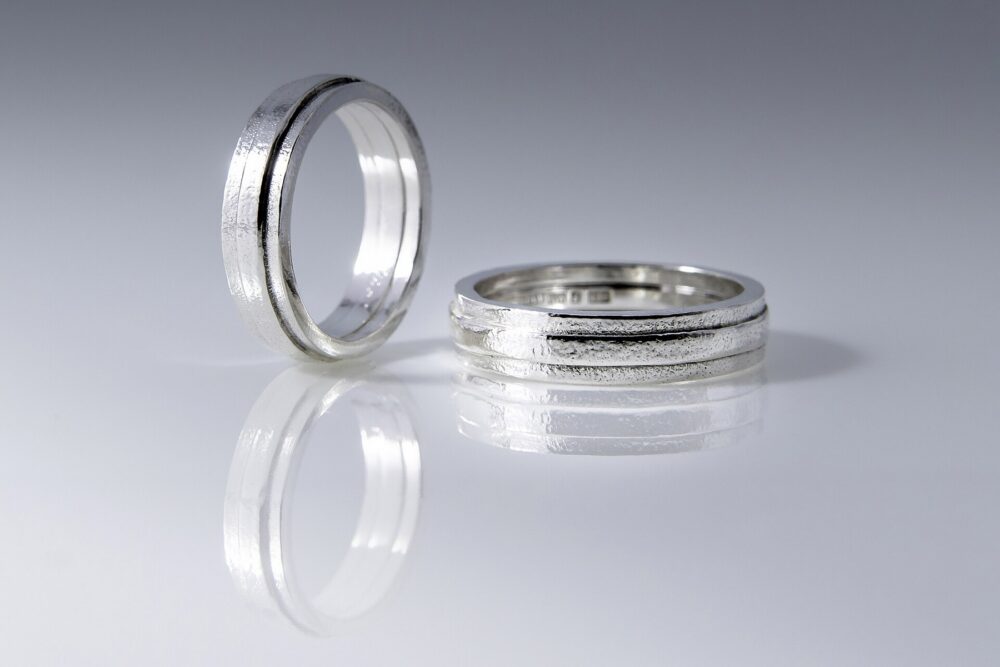
For a US-based ecommerce store, domestic suppliers like Silverdepot, Silver Palace, or Blake Brothers offer faster, simpler buying. Cross-border partners (including DHgate sellers and factory brands like Silverbene) can unlock more styles and lower unit cost, but they require tighter quality checks, sampling, and cost modeling.
How Wholesale Sterling Silver Jewelry and Rings Are Made and Sold
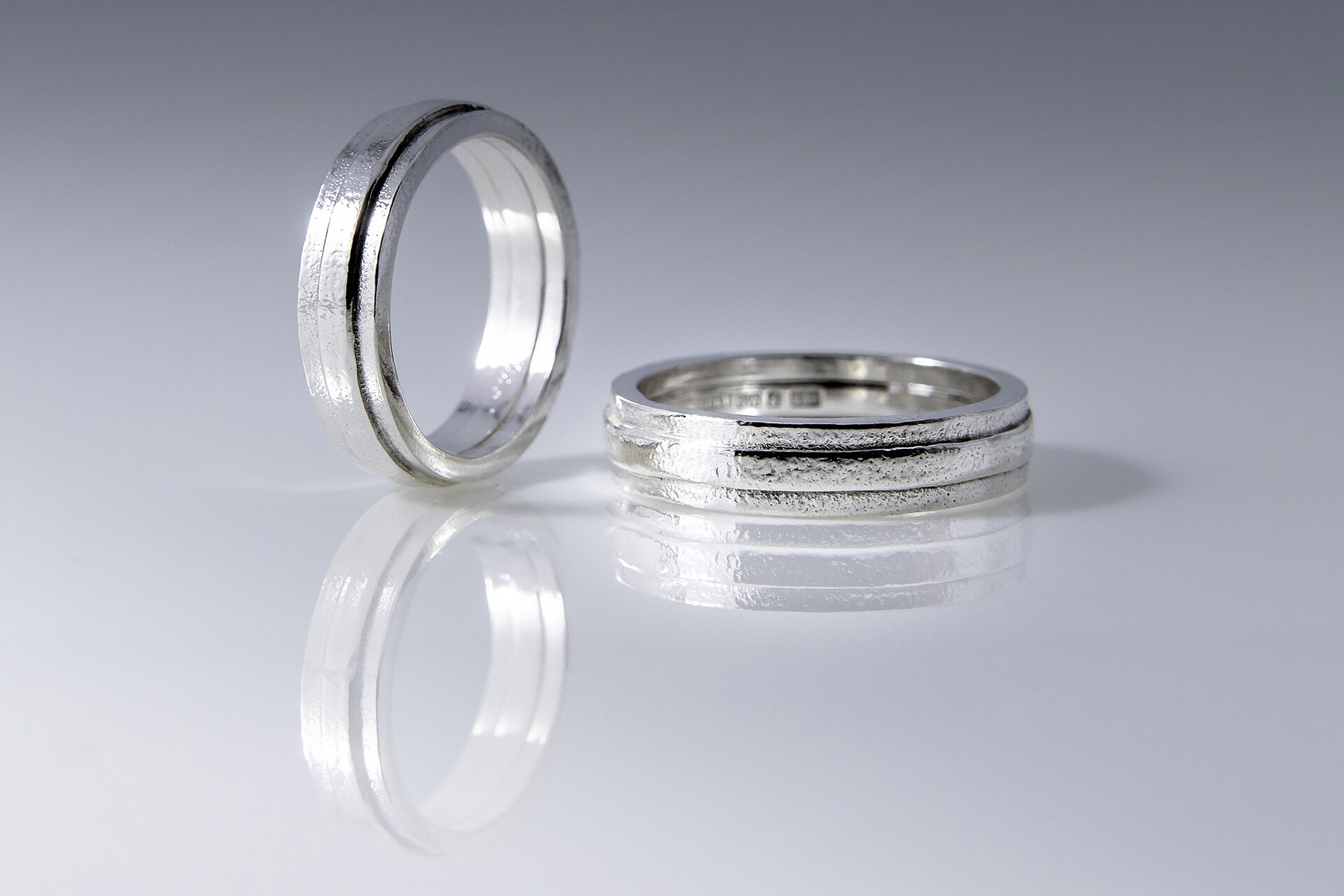
Sterling silver is an alloy: 92.5% pure silver and 7.5% other metals (often copper). That mix keeps the metal strong enough for daily wear while retaining the look and value of silver. Wholesale jewelry and rings in this category typically include plain bands, gemstone or CZ solitaire rings, stacking rings, signet styles, and matching sets with earrings or pendants.
Production is concentrated in a few regions:
- China and Thailand: Large factory clusters producing everything from minimalist bands to fashion and gemstone lines.
- India and Indonesia (Bali): Strong on ornate, hand-worked designs and boho styles.
- US and Europe: Smaller manufacturing plus many distributors importing and stocking foreign-made goods.
A common route is overseas manufacture with distribution through specialized wholesalers. For example, Silverdepot focuses on bulk sterling silver jewelry for retailers and resellers, providing pre-curated assortments. Brands like Silverbene illustrate cross-border setups where ISO-certified factories produce wide ranges of 925 rings that are then sold wholesale.
For you as a buyer, the market breaks into three practical channels:
- US-based wholesale distributors stocking sterling silver for quick reorder.
- Direct overseas brands/factories selling from their own sites or via reps.
- Marketplaces (DHgate, Alibaba, etc.) that list many independent sellers, mostly based in China.
Each channel has a different mix of MOQ, lead time, design depth, and risk.
Choosing and Vetting Sterling Silver Suppliers Across Borders
Silver-specific checks matter more than any generic “good reviews” rule. You’re trying to confirm metal authenticity, alloy quality, and finishing standards—especially when you buy from overseas.
Core authenticity and quality checks
Use these as non‑negotiables:
- 925 hallmarks: Rings and many other pieces should be stamped “925” (or “Sterling”) in a discreet spot. Lack of any hallmark on a supposedly sterling line is a red flag.
- Alloy disclosure: Ask what metals are in the other 7.5%. Copper is typical; nickel can be an allergy issue for US customers.
- Surface treatment: Many better pieces are rhodium plated to resist tarnish and scratching. Clarify whether your wholesale line is plated or plain.
- Documentation or certification: For larger orders, request any available assay reports or metal certifications. DHgate’s own blog guidance for silver jewelry encourages buyers to ask sellers for authentication paperwork and to look for hallmarks; treat that as a good practice across platforms.
On marketplaces like DHgate, carefully read product descriptions, look for close-up photos of hallmarks, and scan user reviews for comments about color changes, green skin, or flaking plating. Those complaints usually indicate weak alloy or base-metal cores.
Supplier behavior and communication
Quality silver wholesalers—whether US-based like Silver Palace or overseas factories like Silverbene—tend to show some common behaviors:
- Detailed product specs (weight, dimensions, metal, plating, stones).
- Consistent photography across SKUs, not random catalog grabs.
- Clear MOQs per style or per mixed order.
- Willingness to provide samples before you commit to bulk.
For cross-border suppliers, your first outreach email should test responsiveness and transparency. Here’s a simple script you can adapt:
Hi [Name],
>
I run a small jewelry business in the US and I’m looking for wholesale 925 sterling silver rings.
>
Can you please share:
>
• Alloy details (925 silver + which other metals)
• Whether your rings are rhodium plated
• MOQ per style and for mixed orders
• Sample pricing and lead time to the US
• Any certification or test reports for silver content
>
I’m most interested in [plain bands / gemstone rings / stacking sets].
>
Thank you,
[Your name]
Any supplier that dodges alloy questions or refuses samples is a poor fit for a brand that cares about repeat customers.
Costs, Channels and Where DHgate Fits for Sterling Silver Wholesale
You’ll only know whether overseas sourcing (and DHgate in particular) makes sense once you model landed cost instead of just unit price.
Here are the big components you need to factor in:
- Product cost: Per‑piece price, often tiered by quantity.
- MOQs: Domestic wholesalers may let you mix styles in small quantities; factories and many marketplace sellers expect higher per‑SKU or total MOQs.
- Import duties and fees: Silver jewelry can incur US customs duties; you should treat these as part of your margin calculation and check current HTS codes or talk to a customs broker.
- Overhead: Currency conversion, payment fees, and your time managing communication and issues.
A simple comparison snapshot (editorial judgment, not exact pricing) looks like this:
| Channel type | Typical MOQ feel | Style breadth | Pros for US buyers | Main trade-offs |
|---|---|---|---|---|
| US silver wholesalers (e.g., Silver Palace, Blake Brothers) | Lower–moderate, flexible mixes | Broad but curated classic/fashion lines | Fast shipping, simpler returns, no customs math | Higher per‑unit cost, less customization |
| Direct overseas brands/factories (e.g., Silverbene) | Moderate–high per style | Very wide, including niche and new trends | Access to manufacturer, potential custom work | Longer lead times, more complex logistics |
| Marketplaces (e.g., DHgate) | Varies by seller | Extremely wide, many independent sellers | Easy browsing of many factories/sellers in one place | Quality consistency varies, more vetting needed |
How DHgate can work in your sourcing mix
DHgate is a China-based B2B marketplace that lists large volumes of jewelry—necklaces, bracelets, earrings, and rings—from independent sellers. Its own editorial content positions the platform as a way for global buyers to connect with Chinese jewelry manufacturers, with some sellers offering samples, bulk discounts, and customization options.
Because DHgate is a marketplace, not a single manufacturer, your experience depends on the individual seller. You should:
- Filter for 925 sterling silver jewelry and rings, then narrow by the styles that fit your brand.
- Read product descriptions carefully for “925” language, metal composition, and plating details.
- Examine product photos for hallmarks and close‑ups of prongs and settings.
- Check buyer reviews for each listing, focusing on comments about tarnish speed, color, and comfort.
- Start with a small test buy or paid samples from 1-2 promising sellers before committing to larger lots.
If you’re new to marketplaces and want additional process help, you can also review guides on how to find wholesale suppliers on DHgate, find DHgate suppliers, and choose a DHgate wholesale supplier.
When to prefer domestic wholesalers instead
DHgate and other cross-border options tend to make the most sense when:
- Your brand is price-sensitive and can tolerate some experimentation.
- You want very specific or trend-forward styles you can’t find from US distributors.
US wholesalers are usually a better fit when:
- You need reliable replenishment for a core catalog (e.g., classic bands, basic gemstone rings).
- Your volume is modest and you can’t meet factory-level MOQs.
If you’re undecided, a pragmatic path is: start with a US silver wholesaler to build your core assortment and test your audience, then experiment with a small DHgate or factory order to extend into higher‑margin or niche styles once you have data on what sells.