
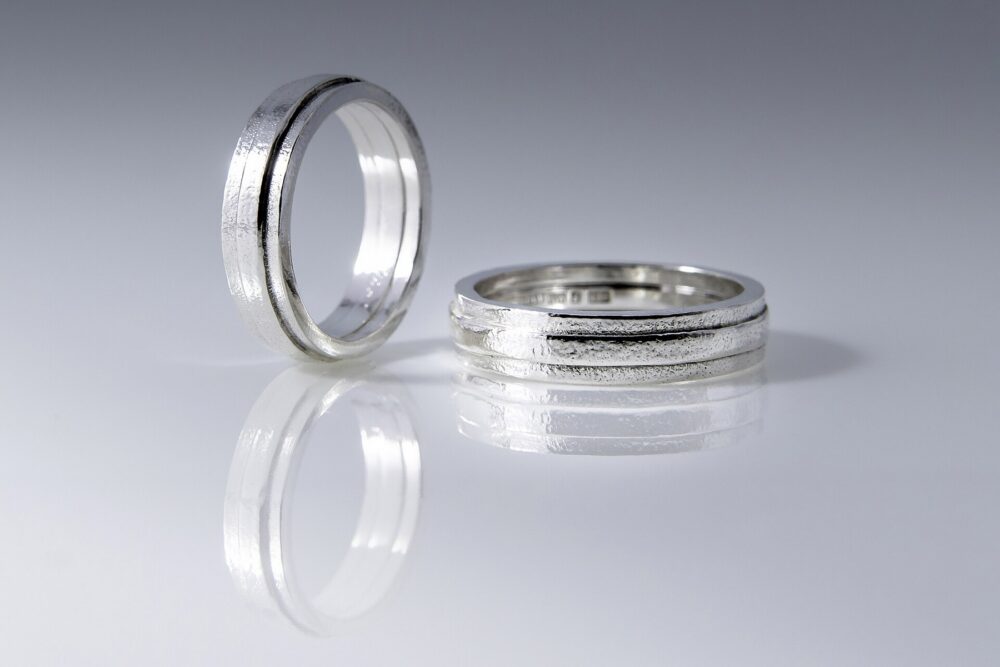
Wholesale sterling silver jewelry and rings means buying 92.5% silver pieces in bulk at discounted prices for resale. As a US boutique or small ecommerce brand, your real decision isn’t “silver or not,” it’s who you trust to supply consistent 925 quality at a workable MOQ and total landed cost. DHgate is one of several major options: a large China‑based wholesale marketplace with millions of fashion and jewelry SKUs, sitting alongside Alibaba factories and specialist 925 wholesalers like Silver Palace Inc and Silverdepot.
For many small buyers, the smartest path is a staged approach: learn the sterling silver basics, compare channels and suppliers, place a tightly scoped test order, then commit to a main supplier only if quality, communication, and reordering all hold up.
How Wholesale Sterling Silver Jewelry and Rings Work in Global Sourcing
Sterling silver jewelry labeled “925” is made from an alloy that’s 92.5% pure silver and 7.5% other metals, typically copper. This mix is widely used because pure silver is too soft for most everyday jewelry; the alloy keeps the look of silver while handling regular wear better.
In wholesale, you’re not just buying a single ring or pendant. You’re purchasing bulk lots—bundles of rings, earrings, necklaces and bracelets—at discounted prices specifically for resale in your store or online catalog. Specialist wholesalers like Silver Palace Inc and Silverdepot explicitly position themselves as 925 sterling silver bulk suppliers, offering assortments of rings and other pieces aimed at retailers, rather than end consumers.
Cross‑border supply dominates this category because a lot of silver jewelry production (casting, stone setting, finishing) is clustered around manufacturing hubs in China, Thailand, and other regions. That’s why you see:
- Huge multi‑category marketplaces (DHgate, Alibaba) listing thousands of jewelry SKUs.
- Dedicated silver wholesalers whose entire business revolves around 925 alloy pieces.
For a US buyer, the decision isn’t usually “domestic vs foreign” but which mix of channel, MOQ, style range, and relationship you can manage.
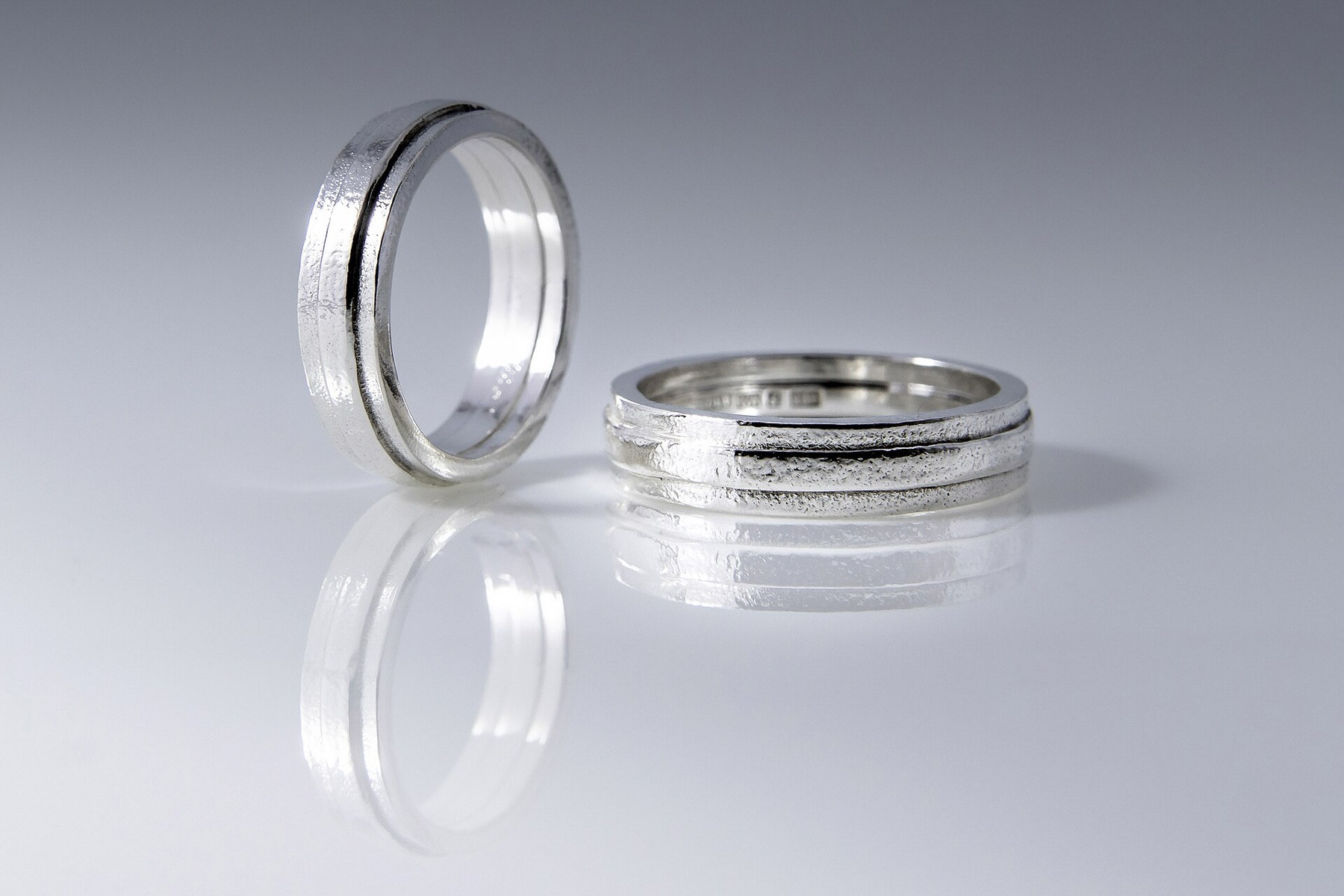
Evaluating Sterling Silver Jewelry Suppliers: DHgate Sellers vs Other Channels
You can buy wholesale sterling silver rings and jewelry through three broad channel types.
1. Marketplace sellers (DHgate, Alibaba)
DHgate is described in its own editorial content as a leading China‑based B2B marketplace connecting global buyers to Chinese manufacturers and wholesalers, with tens of millions of products across categories including fashion accessories and jewellery. Alibaba plays a similar role at larger scale.
On these marketplaces you’ll typically see:
- Multiple sellers offering similar ring styles at different MOQs and price tiers.
- Listings framed for both small buyers and larger wholesalers.
- Seller‑specific terms: some emphasize low or no MOQ; others push bulk only.
Because each listing is its own micro‑business, your evaluation has to be seller‑focused, not platform‑focused. For sterling silver, pay attention to:
- How clearly the seller states “925” or “sterling silver” vs vague “silver color” wording.
- Photos of hallmarks or metal stamps, if provided.
- Consistency of product descriptions across their catalog—do ring, earring, and necklace listings align on alloy claims?
- Order tier structure: DHgate editorial content highlights that many sellers use tiered pricing where the per‑unit cost drops as you buy more.
A practical DHgate tactic is to shortlist 3-5 sellers for the same product style, then compare their descriptions, quantity tiers and communication responsiveness before requesting quotes or samples. Internal pages like Find DHgate suppliers and Choose a DHgate wholesale supplier go deeper on marketplace‑specific filters and signals.
2. Specialist 925 wholesalers
Suppliers such as Silver Palace Inc, Silverdepot and Blake Brothers present themselves as dedicated sterling silver wholesalers. Their catalogs revolve around 925 jewelry, often with structured sections for wholesale silver rings, earrings and chains.
Typical signals here:
- Narrow product focus: almost everything is silver jewelry, which can simplify quality conversations.
- Clear wholesale framing: category pages and marketing copy explicitly talk about bulk buying and resale.
For a US boutique that wants predictable reorders of classic ring styles, a domestic specialist wholesaler can be attractive: you’re dealing with a business built around silver, not a generalist marketplace seller.
3. Factory‑direct sites and brand wholesalers
There are also factory‑direct sites and branded wholesalers that focus on silver jewelry (for example, 925‑focused factories advertising bulk lots on their own domains). These often sit between marketplaces and specialists: more control over production than a pure reseller, but less catalog breadth than a multi‑seller platform.
Compact channel comparison
Here’s how a small US jewelry brand might weigh the three options:
| Channel type | Strength for sterling silver rings | Typical use case |
|---|---|---|
| DHgate / marketplace seller | Wide style range, tiered pricing, flexible MOQs (seller‑specific) | Trend‑testing, small mixed batches, price scouting |
| Alibaba factory | Direct line to producers, potential for customization | Building a proprietary line, larger repeat orders |
| Specialist 925 wholesaler | Focused on silver, curated assortments, clear wholesale positioning | Stocking a stable core assortment of 925 rings |
This isn’t a ranking. It’s a prompt: which profile matches how you plan to sell and restock?
Designing Your First Wholesale Order: MOQs, Pricing and DHgate Sourcing Playbook
The first order is where most of your risk sits. DHgate’s own guidance for sellers stresses understanding pricing structures, requesting samples before large orders, and building relationships with reliable partners. Those same principles work well for you as a buyer.
Step 1: Start with a small, realistic test batch
For a new US boutique:
- Define 3-10 core ring styles you want to test (e.g., simple bands, solitaire stone rings, a couple of statement designs).
- Target a modest quantity per style—enough to gauge sell‑through, but small enough that a quality issue doesn’t hurt too much.
On DHgate, look for sellers whose MOQs per SKU fit this test strategy. Editorial content about the platform highlights that many sellers accept low or even no minimum order quantities and apply wholesale discounts as quantities rise, but each listing sets its own rules. Your job is to find a seller whose MOQ aligns with your test needs.
Step 2: Use tiered pricing to model margins
Because DHgate and other wholesale channels commonly use tiered pricing, you should:
- Identify the price brackets shown in the listing (for example, 10-49 units vs 50+ units, where applicable).
- Map each bracket to your planned retail prices and expected sell‑through.
- Decide at what quantity per style you’d need to order to make your margin acceptable.
Step 3: Insist on samples before committing
DHgate’s market‑research guidance explicitly recommends requesting samples as a quality check before placing larger orders. Make that a non‑negotiable policy for sterling silver:
- Order samples of each style and size range you plan to carry.
- Inspect weight, finish, and any hallmarks claimed in the listing.
- Compare a DHgate seller’s samples against a specialist wholesaler’s pieces if you’re undecided between channels.
If a seller resists sending samples or drastically overprices them relative to the listed bulk price, treat that as a red flag and move on.
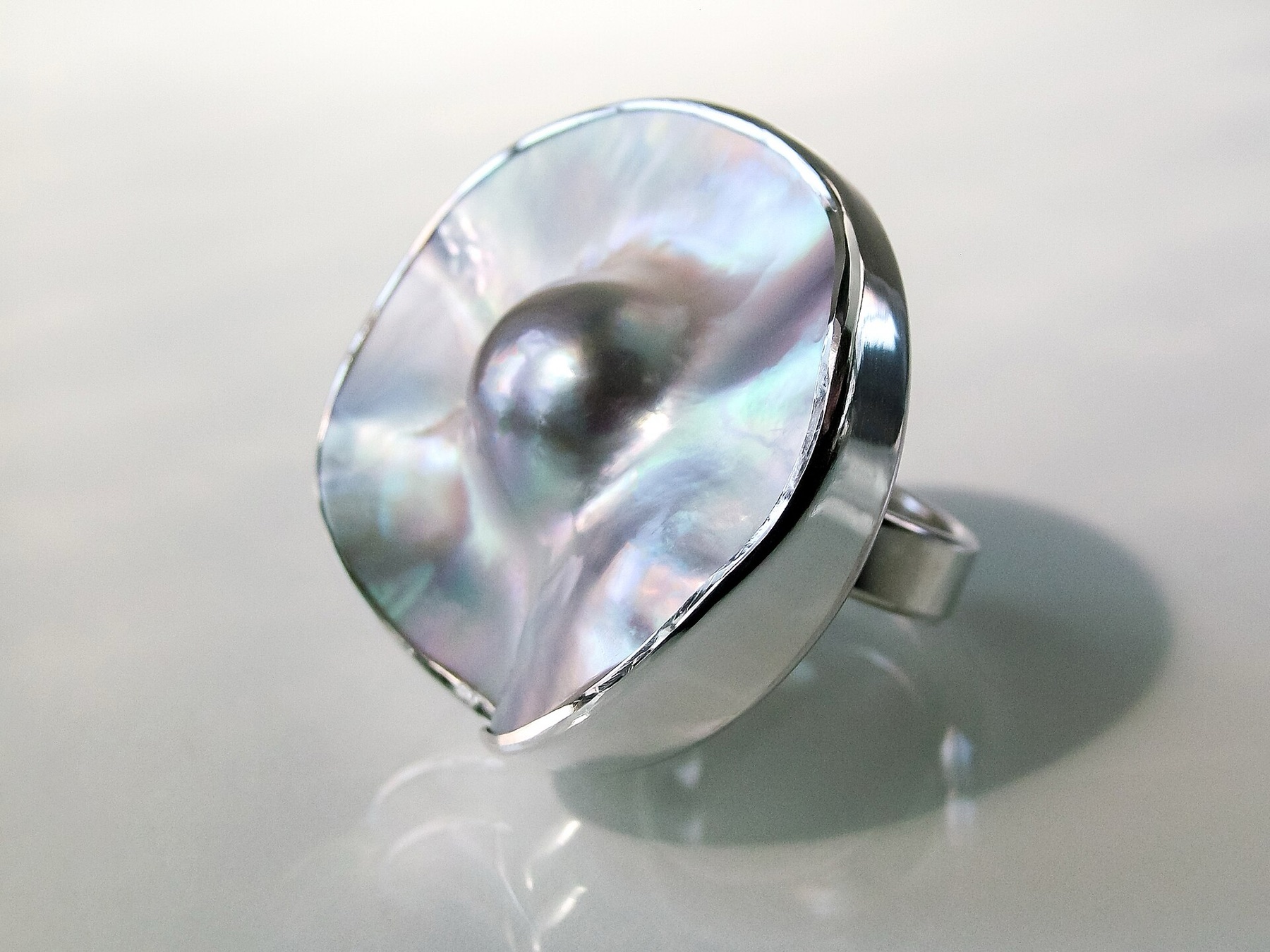
Step 4: Plan for repeat orders and channel mix
Once you’ve tested:
- Use real sell‑through data to decide which styles and suppliers merit a second order.
- For designs that become core to your brand, you might gradually shift from a DHgate seller to a specialist 925 wholesaler or an Alibaba factory if that gives you more control over consistency and future customization.
- For trend‑driven or experimental designs, DHgate’s variety and seller mix can stay useful; you can rotate new styles without over‑committing.
If you want DHgate to be a central channel long‑term, invest in your supplier relationships. DHgate’s editorial advice to sellers notes that strong relationships can lead to more flexible terms and better pricing. As a buyer, that usually looks like clear communication, predictable reorders, and mutual planning around upcoming collections.
For more marketplace‑specific sourcing tactics, you can explore Find wholesale suppliers on DHgate, then apply the same playbook to your sterling silver categories.