
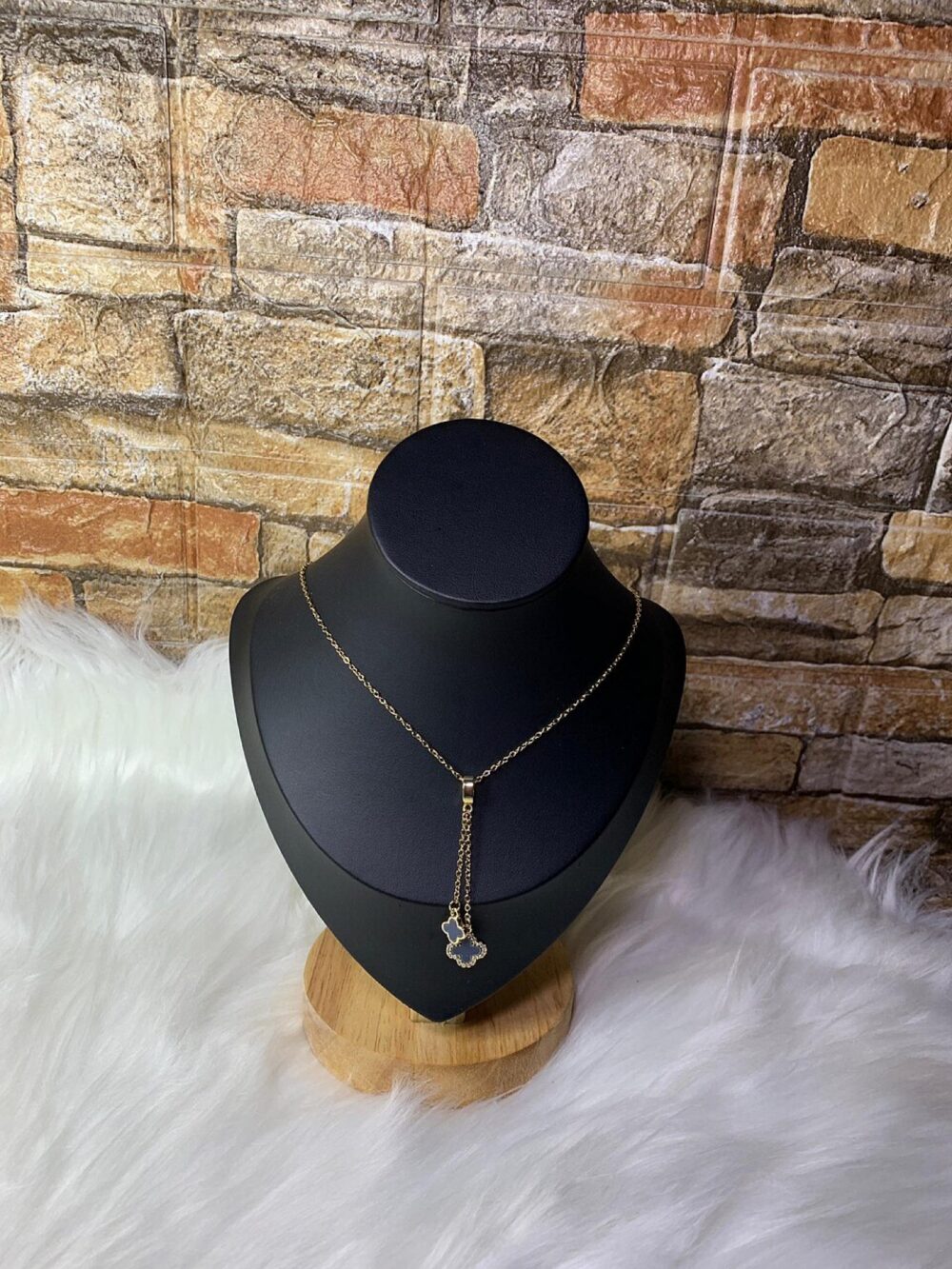
Wholesale stainless steel jewelry means buying rings, chains, bracelets and similar pieces in bulk at discounted rates to resell. For U.S. small ecommerce brands, it’s attractive because stainless steel is durable, low-maintenance and works for “waterproof” or tarnish‑resistant collections that don’t need constant polishing. You can source it domestically from wholesalers like Silver Palace or cross‑border via China‑based B2B marketplaces such as DHgate, Alibaba‑style platforms, and sites like FashionTIY. Your best route depends on MOQs, landed cost per piece, and how much risk you’re willing to manage yourself.
How Wholesale Stainless Steel Jewelry Is Made and Sold
Stainless steel jewelry is usually made from corrosion‑resistant steel alloys formed into cast or machined components, then polished and often plated or coated (for color and extra protection). Common wholesale categories are:
- Chains and pendants
- Rings (plain, signet, CZ‑set)
- Bracelets and bangles
- Earrings and basic body jewelry
Many U.S. wholesalers position stainless steel as an everyday‑wear alternative to silver or fashion alloys. For example, Silver Palace carries stainless steel collections aimed at retailers, and Viva Import describes itself as a long‑running Los Angeles jewelry importer with stainless steel among its product lines. Suppliers like 2H Wholesale and FashionTIY market stainless steel as durable and suitable for waterproof or tarnish‑resistant styles—useful positioning if your brand promises low‑maintenance jewelry, but still something you should verify with your own testing.
Production is concentrated in industrial regions with metalworking capacity. Some U.S. wholesalers import finished goods from China or other manufacturing hubs, then resell from U.S. warehouses. China‑based manufacturers and traders often sell directly via online marketplaces or specialized wholesale sites, which is where cross‑border sourcing options like DHgate enter the picture.
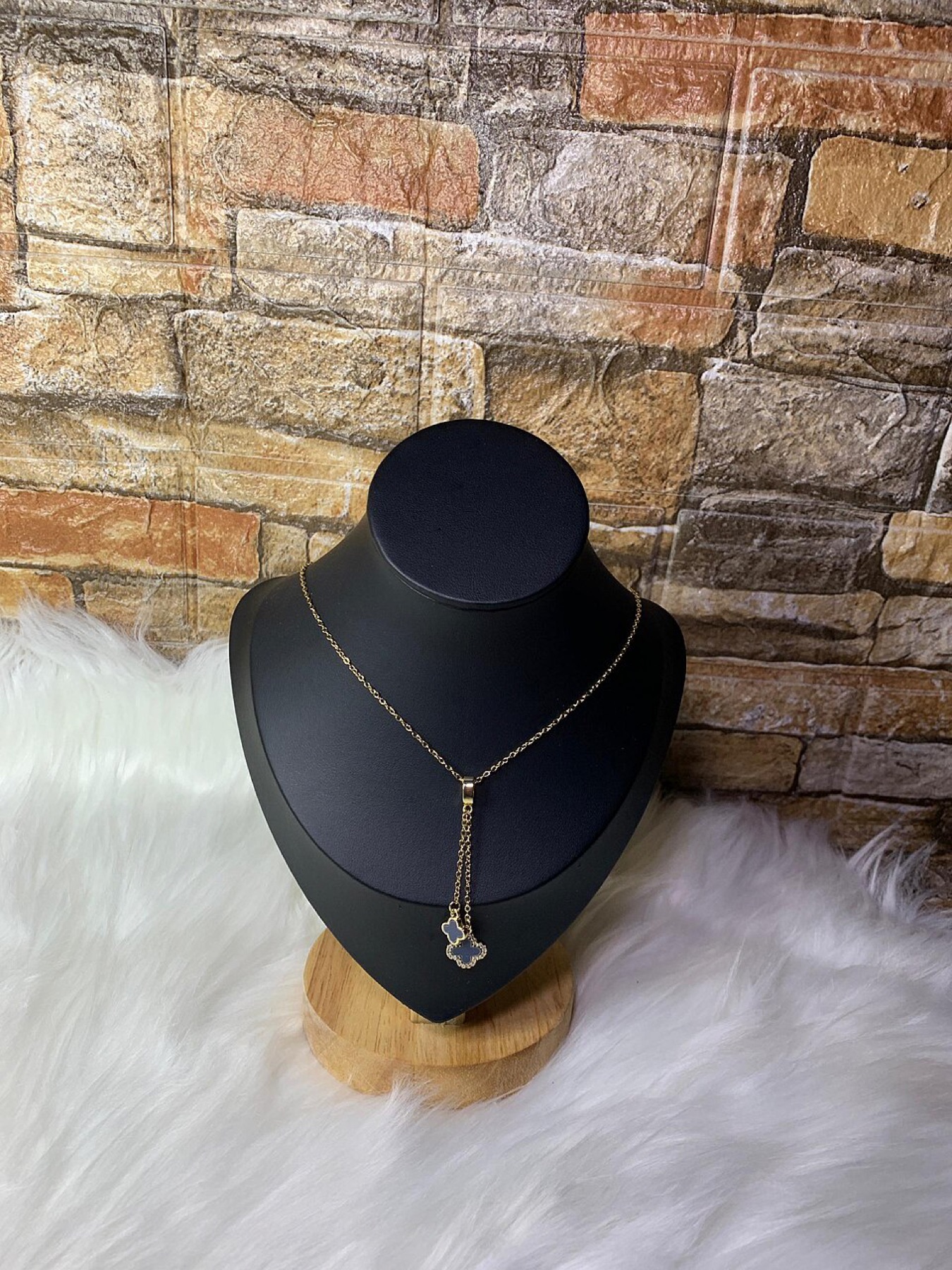
For a small Shopify or marketplace store, stainless steel is popular because:
- It supports entry‑level price points without feeling flimsy.
- Many styles can be sold as “keep it on all day” pieces if quality is genuinely high.
- You can build gender‑neutral and men’s collections (chains, bracelets, signet rings) without leaning on precious metals.
Your main job as a buyer is not just to find low prices, but to filter suppliers by material quality and consistency.
Finding and Vetting Stainless Steel Jewelry Suppliers
You’ll see a few broad supplier types:
- U.S.-based wholesalers/importers – e.g., Viva Import, Silver Palace, 2H Wholesale. They typically import in bulk, then sell smaller wholesale lots to retailers.
- China‑based manufacturers and traders – often selling through marketplaces like DHgate and Alibaba, or through their own sites and listings.
- Hybrid B2B platforms – sites such as FashionTIY and 2H Wholesale that curate designs and sometimes emphasize waterproof/PVD‑coated stainless collections.
Because “stainless steel” can mean different alloys and finishes, your vetting needs to be specific to this material.
1. Ask directly about grade and finish Look for clear statements like “316L stainless” or “surgical steel” on product or category pages, then confirm with the supplier. Platforms such as 2H Wholesale highlight PVD‑coated stainless as waterproof in their marketing, but that’s still a claim you need to test before you build an entire brand promise on it.
Questions worth sending in writing:
- What stainless steel grade do you use for rings vs. chains?
- Is plating (gold, black, rose) PVD or conventional electroplating?
- How do you test for colorfastness and corrosion?
2. Use samples as a gate, not a formality Several editorial sources, including DHgate’s own blog on importing jewelry, encourage buyers to order samples, test quality, and only then move to bulk orders. That’s useful as a mindset: treat samples as the point where you decide if a supplier belongs in your long‑term roster.
For example, if a supplier advertises “waterproof stainless steel” like the collections on 2H Wholesale, wear test a few pieces for weeks—showers, gym, sunscreen—and watch for:
- Discoloration or plating loss
- Green or black skin marks
- Rough edges, weak clasps, or stones dropping out
If quality feels uneven across designs, assume future bulk orders will have the same inconsistency.
3. Read positioning, then look for evidence U.S. wholesalers such as Silver Palace and Viva Import position themselves as suppliers to retailers, often emphasizing variety and wholesale pricing. China‑based platforms and DHgate‑listed sellers may stress low minimum orders or customization. Take the marketing as clues, then look for harder evidence: detailed product descriptions, consistent photography, and clear contact information.
On DHgate specifically, remember it’s a marketplace, not a single supplier. Each seller controls their own listings, so you should treat every store as its own business to vet. The internal guides on finding wholesale suppliers on DHgate and choosing a DHgate wholesale supplier walk through listing‑level checks like catalog depth and communication quality.
4. Watch for red flags tied to stainless steel Generic red flags (no company info, inconsistent photos) still matter, but stainless steel adds a few more:
- Vague labels like “metal” instead of “stainless steel” for pieces marketed as waterproof.
- No mention of skin‑contact testing for heavily plated items that will be worn daily.
- Overly broad claims (“never tarnishes,” “lifetime color”) without any description of coating method.
If a supplier won’t answer basic material questions or push back when you ask for certifications, that’s often reason enough to move on.
Pricing, MOQs and Channel Choices (Including DHgate)
Wholesale stainless steel jewelry pricing varies widely by design, finish and channel, but you can still structure your decisions around landed cost and flexibility rather than chasing the lowest sticker price.
A practical way to compare channels is to sketch how they typically work for a small U.S. brand:
| Sourcing channel | What you’re actually buying | Typical buyer fit | Trade-offs you control |
|---|---|---|---|
| U.S. wholesalers (e.g., Silver Palace, Viva Import, 2H Wholesale) | Pre‑imported stainless steel jewelry, often sold by style or mixed packs from U.S. warehouses | Boutiques and online stores that want faster restocks and simpler logistics | Higher unit cost vs. direct import, but simpler customs and shorter shipping; good for testing styles with less risk |
| Curated cross‑border platforms (e.g., FashionTIY, 2H’s online catalog) | Mixed collections sourced from multiple factories, sometimes emphasizing waterproof/PVD stainless | Small brands building trend‑driven collections without managing factory relationships | Need to validate marketing claims with samples; catalog breadth can help you rotate styles quickly |
| China B2B marketplaces (Cross-border multi-seller, Alibaba‑style sites) | Direct access to many jewelry manufacturers and wholesalers listing their own stainless steel designs | Sellers willing to manage communications, sampling, and import processes themselves | Potentially strong pricing and customization, but more work to vet each supplier and control logistics |
DHgate’s editorial blog describes the platform as a China‑based B2B marketplace that connects global buyers with manufacturers and suppliers offering categories like jewelry, fashion accessories and more. That’s your cue to treat DHgate as one channel among others when you calculate landed cost and risk:
- MOQ and bulk discounts – DHgate blog content on stainless steel jewelry highlights the idea of ordering samples first, then placing bulk orders with discounts if you’re satisfied. That’s common across many marketplaces and suppliers: expect some price relief when you move from dozens of units to larger runs, but don’t rely on any specific discount level until you’ve negotiated with a given seller.
- Sampling and communication – Whether you’re working with a U.S. wholesaler or a DHgate seller, decide your sampling budget up front (for example, enough to test 10-20 core SKUs). Use those samples to refine your quality expectations and to see how responsive the supplier is to questions.
If you’re trying to “back into” a viable landed cost per piece, a simple approach is:
- Decide your target retail price range for stainless steel (for example, entry‑level necklaces vs. more elaborate sets).
- Reserve a margin for marketing, platform fees, and overhead.
A Quick Scenario: Shopify Seller Comparing DHgate vs. U.S. Wholesale
Picture a U.S. Shopify brand planning a 40‑SKU stainless steel launch—basic chains, signet rings, and simple bracelets.
- They order small test packs from a U.S. wholesaler like Silver Palace and a curated platform like FashionTIY, plus samples from two DHgate jewelry sellers they’ve shortlisted using the steps in Find DHgate suppliers.
- Wear testing shows one DHgate supplier’s PVD‑coated chains hold color better than the domestic plated chains, but the domestic wholesaler offers faster, predictable restocks.
That’s a common pattern: many small brands blend channels. You don’t have to crown DHgate or any single marketplace as your main source; you can treat it as a flexible way to access designs and test new suppliers while using domestic wholesalers to stabilize the core of your catalog.
The smart wholesale stainless steel jewelry strategy is less about finding “the best” supplier and more about building a small, tested network across two or three channels, each used for what it does well.