
Sensory pellets and beads are easiest to buy safely in bulk in Australia by going through specialist sensory suppliers and craft/education wholesalers, then adding overseas marketplaces only where you’re comfortable doing extra vetting. For most schools, therapists, and small ecommerce brands, starting with Australian sources of poly pellets, sensory water beads, and craft beads keeps compliance and quality control manageable, and you can layer in cross‑border platforms later for niche products or sharper pricing.
1. What counts as “sensory pellets & beads” in wholesale terms?
In the Australian sensory market, “sensory pellets & beads” usually means one of three material types:
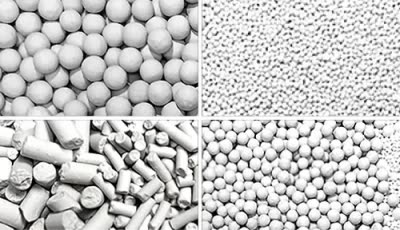
- Poly pellets – small plastic pellets used in sensory bins and inside weighted blankets or stuffed toys.
- Sensory water beads – super-absorbent polymer beads that swell in water and provide a squishy, slippery texture.
- Craft/sensory beads – hard or textured beads used in fidgets, slime, or threading activities (e.g. snap-together beads, bingsu beads).
For example, Sensory Haven sells 1 kg bags of poly pellets specifically marketed for sensory bins and creative play, while Choose Play stocks pre-packed sensory water beads for educational and therapeutic use. Soap-focused brands such as Soapmaid supply bingsu beads as a crunchy filler for slime and sensory crafts.
For wholesale sourcing, your key decision is which of these textures you actually need at scale. Weighted blanket makers and OT clinics will care about consistent pellet size and washability; sensory bin programs might prioritize variety (poly pellets plus water beads); slime and craft sellers lean toward bingsu or decorative beads.
2. How the Australian supply landscape is structured
The wholesale market is fragmented; there isn’t one national distributor for all sensory fillers. Instead, you’ll see:
- Specialist sensory brands that manufacture or import pellets and beads in moderate bulk, often aimed at therapy practices and families.
- Toy and educational wholesalers that carry items like snap beads, threading beads, and water beads alongside broader resources.
- Craft and soap suppliers that treat beads as texture or decor but still sell them in multi-pack quantities.
Poly pellets are strong domestically: sites like PolyPellets.com.au position themselves around Australian-made pellets for weighted blankets and toys, and sensory-focused retailers such as Sensory Pod Australia emphasize non‑toxic, durable pellets used in their own weighted products.
Sensory water bead supply tends to be import-based but filtered through local brands, as with Choose Play’s Zart Art water beads. Snap-together bead sets, like Edushape’s Original Snap Beads sold via New Dimension Oz, often arrive through education-focused wholesalers.
If you’re building an ecommerce range, that means you’ll likely combine sources: one or two domestic suppliers for your main fillers, plus a separate craft or toy wholesaler for fidget and bead accessories.
3. Choosing safe, reliable suppliers
Before you pick a channel, you need a short list of suppliers that actually meet your safety and consistency needs. For sensory pellets & beads, focus on:
- Material disclosure and intended use – Does the product page clearly state the material (e.g. virgin PP plastic, acrylic, polymer) and whether it’s intended for children, weighted products, or crafts? Sensory Haven explicitly frames its 1 kg poly pellets as suitable for sensory bins and play, which is more reassuring than generic “plastic pellets” language.
- Safety framing and warnings – Specialist sensory brands often call out non‑toxicity and durability, as Sensory Pod Australia does when describing poly pellets used in its weighted items as “100% safe” and non‑degrading. That kind of positioning is useful, but still treat it as marketing: check if they mention testing or standards separately.
- Pack format and scaling potential – Retail sensory stores may only list 500 g–1 kg bags online, but can often quote carton or pallet prices if you ask. PolyPellets.com.au, for instance, promotes bulk solutions for weighted blankets and crafts; that suggests they’re used to larger orders even if the main listings are consumer-facing.
From a practical point of view, a good supplier for sensory fillers in Australia will usually:
- Sell at least 1 kg units or multi-packs
- Be willing to discuss repeat wholesale purchasing
- Have an audience beyond casual DIY crafters (e.g. therapists, schools, or manufacturers)
Quick red flags specific to sensory pellets & beads
- Beads or pellets sold only as generic “decor” with no age guidance, but you plan to market them for children.
- No mention of choking hazard or supervision on products obviously small enough to swallow.
- Sellers that cannot confirm whether pellets contain recycled mixed plastics or unknown additives, which is risky for washable, child-facing products.
4. Purchasing mechanics: MOQs, pricing tiers, logistics
Wholesale behaviour for sensory pellets & beads is shaped more by pack format than formal MOQs:
- Retail-leaning sensory suppliers often default to 1 kg bags for pellets or single jars/pouches for beads. You effectively create your own bulk order by stacking units.
- Education/craft wholesalers may have carton quantities for items like snap beads or threading beads but don’t always publish MOQs online; you email or call for a quote.
Because we don’t have hard, current price bands from the sources, treat your first order as a test of:
- Unit economics – Calculate cost per 100 g or per litre of filled bin for pellets and beads from each supplier. Poly pellets have a different density than water beads, so compare by experience: how many bins or products you can fill.
- Lead time and continuity – Ask your shortlisted suppliers how often they restock and whether they can support regular monthly or quarterly orders. Sensory-focused brands that also sell finished weighted products, like Sensory Pod Australia, usually manage ongoing pellet supply for their own manufacturing, which can be reassuring for continuity.
For logistics within Australia, most specialist suppliers ship via standard parcel services. Once your orders start exceeding typical parcel sizes, talk to the supplier about freight options (cartons on pallets, delivery windows) instead of assuming they’ll scale automatically.
5. Matching channels to your use case
Different buyers will get the best results from different sourcing routes. Here’s a practical way to think about it:
| Buyer type / use case | Best primary channel | Why it fits |
|---|---|---|
| Small therapy practice, OT, allied health | Australian sensory specialists (poly pellets, water beads) | Clear child/therapy positioning; manageable order sizes |
| School or childcare sensory program | Education/sensory wholesalers + local sensory brands | Can combine bins, beads, and other resources |
| Slime/craft ecommerce brand | Soap/craft bead suppliers + general craft wholesalers | Access to bingsu and decorative beads in multi-packs |
| Weighted blanket or toy maker (small run) | Poly pellet manufacturers/brands (e.g. PolyPellets.com.au) | Focus on filler consistency and washability |
| Experimental or low-commitment product line | Mix of local suppliers and a few vetted cross-border listings | Lets you test textures and price points cheaply |
Where cross‑border marketplaces (including DHgate) can fit
Global marketplaces are rarely the safest first stop for core sensory fillers used by children, but they can be useful at the margins:
- To experiment with small accessory items such as threading beads, fidget-style toys, or Montessori-inspired sensory pieces.
- To test price sensitivity on complementary products before investing in local inventory.
Around 2026-10-13, DHgate’s listings skewed heavily toward sensory-adjacent toys (threading beads for toddlers, pop‑up sensory toys, silicone teether beads) rather than bulk poly pellets or water beads. Because selection and quality vary by seller, your due diligence has to focus on the individual listing:
- Scrutinize the product title and category to ensure it’s actually a sensory item and not an unrelated bead product.
- Check photos and descriptions for age recommendations and any mention of materials or safety.
- Start with small test orders from one or two sellers, then expand only if the items meet your standards.
If you plan to explore DHgate suppliers more deeply, you’ll benefit from targeted marketplace guidance such as how to find wholesale suppliers on DHgate and how to choose a DHgate wholesale supplier. Use that type of process to keep marketplace experimentation separate from your core, safety-critical sensory fillers.
6. Practical sourcing moves for Australian buyers
To turn this into an actionable plan:
- Lock in your primary texture set. Decide whether your program or product line is driven by poly pellets, water beads, or craft beads, and in what proportion.
- Shortlist 3-5 Australian suppliers per texture. For example, a combination of Sensory Haven or PolyPellets.com.au for pellets, Choose Play for water beads, and a craft/soap supplier like Soapmaid for bingsu beads.
- Request wholesale-oriented quotes. Ask about carton pricing, timelines, and whether they can support ongoing orders rather than one‑off retail sales.
- Run controlled trials. Use the first bulk order to check dustiness, breakage, washability, and how children or clients respond in real sessions.
- Only then layer in cross‑border marketplaces for accessories or niche items, treating each overseas listing as an experiment you verify independently.
Handled this way, sensory pellets & beads become a stable, low-drama part of your supply chain, and you reserve your risk tolerance for higher-margin or more experimental products.