
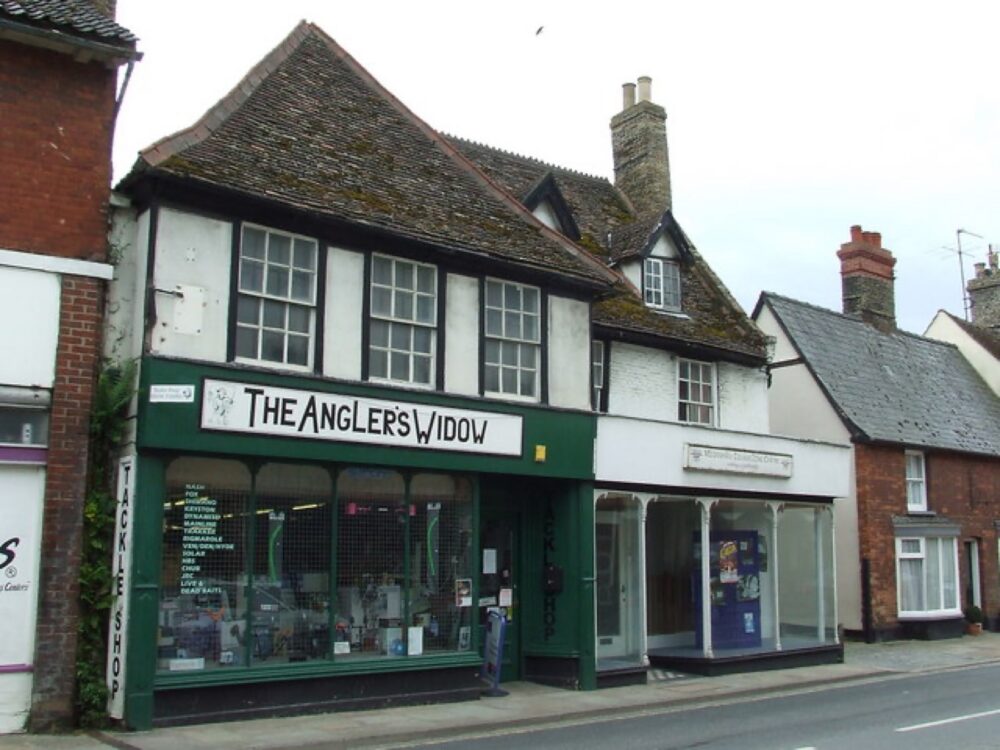
Fishing tackle and bait shops can absolutely use cross-border marketplaces for part of their inventory, but only for hard goods like lures, hooks, tools, and small accessories. Live bait should stay local or regional because of regulations and spoilage, and core brands and critical gear often make more sense from domestic distributors. Treat DHgate and similar sites as large supplier directories: you search, vet individual sellers, run landed-cost math, and only then decide if imported tackle fits your margins and season.
How Fishing Tackle and Bait Shops Typically Source Inventory
A U.S. bait and tackle shop usually has three pillars:
- Live bait – worms, minnows, shrimp, etc.
- Tackle hardware – rods, reels, line, terminal tackle, lures, tools.
- Local advice and services – where fish are biting, rig suggestions, sometimes repairs and line spooling.
Directories like Baitivo’s bait shop listings and shop sites such as Arlington Bait & Tackle show the same pattern: live bait plus a wall of tackle, with product choices tailored to nearby waters and species.
For live bait, your supply chain is almost always local:
- Regional bait farms and wholesalers
- Direct relationships with a few trusted suppliers who deliver multiple times per week
- Compliance with state rules on transport, invasive species, and health
Trying to import live bait cross-border is impractical for a small shop. Transit time, mortality, and regulatory hoops are all deal-breakers.
For hardware, you have options:
- U.S. tackle distributors and reps for big brands
- Regional wholesalers that focus on freshwater or saltwater gear
- Direct orders from brand websites for fill-in SKUs
- Trade shows and rep appointments to plan seasonal assortments
- Cross-border marketplaces (China-based platforms, including DHgate) for generic or low-price items like bulk hooks, swivels, jig heads, or unbranded lures
The realistic pattern for a healthy shop is mixed sourcing: domestic distributors for recognizable brands and critical gear, possibly some imported generic hardware to improve margins on consumables customers buy in volume.

Evaluating Cross-Border Suppliers for Tackle Hardware
If you decide to experiment with imported gear, you’re not just buying “from DHgate” or any other marketplace; you’re choosing one specific seller for one specific listing. DHgate’s own blog on sourcing products encourages buyers to use filters, review seller ratings and transaction history, and request samples before placing large orders, which aligns well with how you should treat fishing tackle.
Here’s a tackle-specific vetting checklist you can adapt.
1. Start with listings that match local fishing reality
Use search filters on any marketplace to narrow by category (e.g., “fishing lures,” “treble hooks,” “jig heads”) and then ask:
- Does this design match what anglers near you actually use?
- Are sizes realistic for your target species (e.g., walleye vs. redfish)?
- Would colors and finishes make sense for your water clarity and season?
This sounds obvious, but importing 500 units of a lure nobody uses locally is one of the most expensive mistakes a small shop can make.
2. Use ratings and reviews as a quality screen, then go deeper
DHgate blog guidance for bulk buyers suggests prioritizing sellers with strong ratings and positive reviews and reading feedback carefully. For tackle hardware, look specifically for:
- Comments about hook sharpness and whether they bend easily
- Notes on paint durability (do lures chip quickly?)
- Mentions of hardware failures (split rings opening, eyes pulling out)
Treat these as signals, not guarantees. If reviews are thin or generic, assume you need more proof.
3. Request samples before committing
DHgate’s ecommerce guide explicitly recommends ordering samples before large purchases. For a tackle shop, a sample order might be:
- 20-50 pieces of a jig head or hook style
- A handful of each lure colorway you’re considering
When samples arrive, check:
- Hook gauge and temper (do they flex too easily?)
- Coating and finish (any rust spots straight out of the bag?)
- Eye alignment and action in water (for lures)
- Packaging quality and labeling (will it hang on pegboard; do barcodes exist?)
If you’re not confident you’d fish the product yourself, you probably shouldn’t put it on your wall.
4. Test communication and reliability before you rely on a seller
DHgate blog articles on bulk buying highlight contacting sellers to discuss bulk pricing and asking questions up front. A few concrete questions for tackle:
- “What is your typical lead time for 500 units of this model in mixed colors?”
- “Have you supplied this item to other fishing retailers? Can you share photos of their packaging?”
- “If we reorder the same SKU in six months, will the spec and finish be identical?”
Slow, vague, or inconsistent responses are a red flag for any marketplace seller, especially if your shop depends on consistent repeat orders.
5. Watch for specific red flags on hardware listings
Avoid or heavily discount any listing where:
- Product photos are obviously copied from a big brand
- Materials are described vaguely (e.g., “good metal” instead of “high carbon steel”)
- Hook sizes or lure weights are missing or inconsistent
- The seller can’t clearly state what’s included per pack (important for your shelf labeling)
It’s better to walk away than try to save a few cents per unit on gear that will earn customer complaints.
Comparing DHgate and Other Channels on MOQ, Pricing, and Logistics
Cross-border marketplaces, domestic distributors, and trade shows all handle quantity and pricing differently. You need a feel for these patterns to know when a DHgate-style order makes sense for a small U.S. shop.
DHgate blog content describes the platform as a large China-based B2B marketplace with millions of listings and the option to buy one piece or bulk, and notes that DHgate is known for having no platform-wide minimum order quantity requirement. Individual sellers set their own MOQs and use tiered pricing: the more you buy, the lower the per-unit price tends to be.
Here’s a simplified comparison to frame your decisions (editorial judgment based on typical patterns, not hard rules):
| Channel type | Typical MOQ pattern | Pricing behavior | Practical fit for a small bait shop |
|---|---|---|---|
| DHgate-style marketplace | Often low or no MOQ at listing level; seller-specific | Tiered: discounts at higher quantities | Good for testing small runs of generic hardware and scaling if it sells. |
| Alibaba / factory sourcing | Often higher MOQs (hundreds+ units per SKU) | Strong bulk pricing, weaker for small orders | Better when you’re ready for larger, more committed buys. |
| U.S. tackle distributors | Case/pack sizes, brand-driven MOQs | Standard wholesale; co-op promotions | Best for branded gear and reliable replenishment. |
| Trade shows / reps | Similar to distributors; negotiated terms | May offer show specials or dating | Useful for assortment planning and relationship building. |
Because DHgate doesn’t impose a platform-wide MOQ, you can, in theory, buy just a few packs of a hook or lure to test. DHgate blog advice for bulk buyers even suggests starting with smaller orders and using filters to research products, which lines up nicely with a bait shop’s need to test before committing shelf space.
The catch is landed cost and timing. A rough, illustrative example:
- Domestic distributor jig heads: $0.30 per unit wholesale, case of 100, delivered within a week.
Once you add:
- Freight and handling (spread across units)
- Any customs or brokerage fees
- Risk of delay near the start of your busy season
For a small shop, this often translates to:
- Using cross-border marketplaces for slow-evolving, high-consumption items (basic hooks, sinkers, swivels, unbranded jig heads)
- Sticking with domestic channels for time-sensitive seasonal gear, branded lures customers ask for by name, and anything where warranty or brand reputation matters
Before choosing a DHgate supplier, use Find DHgate suppliers, and Choose a DHgate wholesale supplier.
If you decide to lean on DHgate as one of your channels, use it like a tool, not a one-stop solution. Start by learning how to find wholesale suppliers on DHgate and then narrow down to a short list of sellers. From there, apply the same hardware-specific scrutiny you’d use for any offshore factory, and compare your real landed cost against quotes from domestic distributors before you place a serious order.