
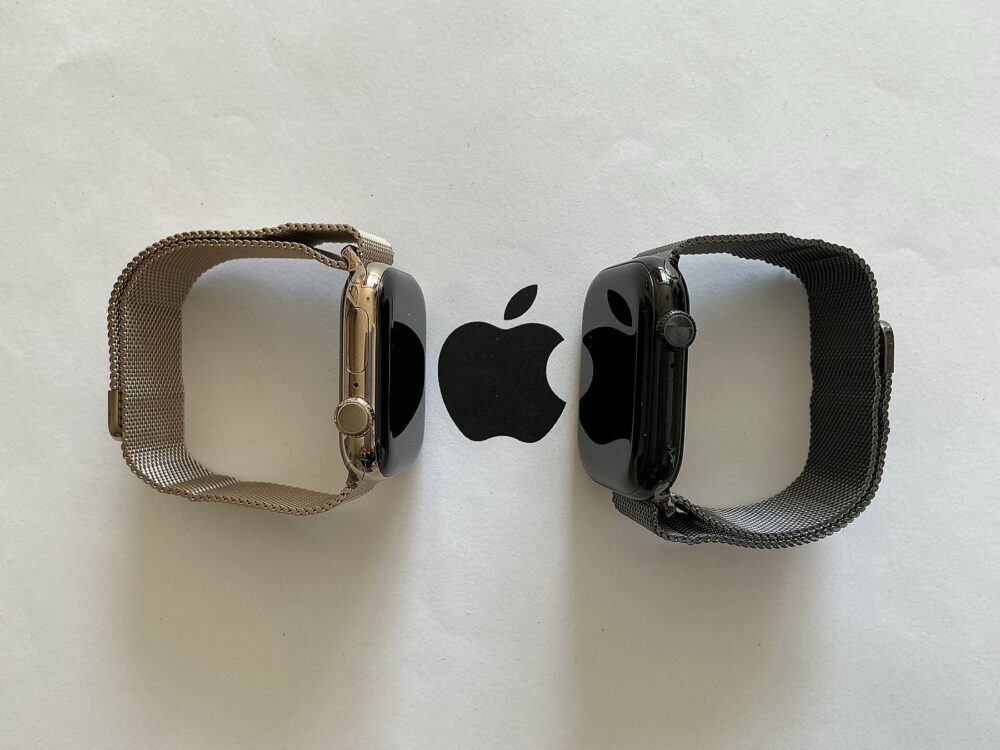
Wholesale smart watches are bulk purchases of wearable devices from manufacturers or distributors, usually for resale. For a US small ecommerce business, buying cross‑border can dramatically cut unit cost, but only if you understand how the supply works, vet suppliers carefully, and model total landed cost. DHgate is one of several large China‑based B2B marketplaces that connect overseas buyers with smart watch suppliers, but it’s just one channel among OEM factories, liquidation lots, and regional EU/US wholesalers.
If you’re deciding whether wholesale smart watches belong in your catalog, start with where these devices actually come from and who controls quality. Then you can choose whether to tap China OEMs for private‑label models, buy mixed‑brand returns from liquidation platforms, or stay with closer‑to‑home distributors.
How Wholesale Smart Watch Supply Works for US Small Sellers
In wholesale, smart watches are typically bought in bulk by retailers and distributors to resell at a margin, not for personal use. European distributors such as Mobile Depot describe smart watch wholesale explicitly as bulk purchasing to secure lower per‑unit costs. That same pattern holds in US and China‑based channels.
For a US seller, your main upstream sources are:
- China OEM and private‑label manufacturers. Shenzhen‑based suppliers like SZJOYTech and KiplingTech offer smart wearables (smart watches, smart rings) with OEM and private‑label options. You can often customize housings, strap colors, UI themes, and packaging, then brand them as your own.
- EU/US wholesalers and distributors. Platforms such as Mobile Depot’s smart watch category or other B2B electronics wholesalers aggregate branded devices and sell cartons or case packs to retailers. This is closer to traditional distribution: less customization, more consistent spec sheets.
- Liquidation and closeout inventory. Sites like 888lots list smart watches as part of surplus or returned inventory lots. These are typically mixed‑brand, mixed‑model batches suitable for bargain resellers, bin stores, and deal sites.
DHgate fits into the first bucket: it’s a large China‑based B2B marketplace that, according to its own editorial blog, connects China suppliers and wholesalers to global buyers across many categories, including electronics and watches. You’re usually buying either directly from a factory or a trading company that bundles inventory from multiple plants.
For a US small business, the practical questions are: do you want control over branding and features (OEM/private label), predictable specs from established distributors, or ultra‑low cost mixed lots where each unit may differ? Your sourcing path should match your selling strategy.
Evaluating Smart Watch Suppliers and Channels
Smart watches are complex electronics with software, sensors, and batteries. Weak suppliers tend to show up in three places: inconsistent hardware quality, unreliable app support, and vague documentation. Instead of generic “check reviews,” focus your supplier vetting on issues that specifically break wearable value.
Core checks for OEM/private‑label factories
When you look at a China OEM supplier through a marketplace like DHgate or directly on an OEM site:
- Product family depth. Sites such as SZJOYTech list multiple smart wearables (watches, rings) with different form factors. A deeper catalog suggests they aren’t a one‑off assembler.
- Firmware and app ownership. Ask who owns and maintains the companion app. If it’s a generic third‑party app that many factories share, updates can lag. Request the app name and check current ratings in app stores.
- Documentation samples. Request PDFs of user manuals and spec sheets. Look for clear Bluetooth version, battery capacity, sensor list (heart rate, step counter, etc.), and supported OS versions. Missing basic specs is a red flag.
For DHgate specifically, you’re evaluating listings and sellers, not the platform itself. Use product‑level evidence:
- Compare several smart watch listings and see whether specs are copy‑pasted or clearly detailed.
- Prioritize sellers who show multiple smart devices in their catalog, not just a single watch.
- Message suppliers with a short list of technical questions and see how precisely they answer.
Checks for liquidation and closeout platforms
Liquidation sites like 888lots describe smart watches as part of surplus or returned inventory lots. That model comes with its own risks and advantages:
- Mixed models and brands. You may receive a batch with several styles, which works for bin stores or mystery boxes but is harder for consistent catalog listings.
- Limited tech support. These lots are usually sold “as‑is.” Plan extra time to sort and test units before resale.
- Resale positioning. Liquidation smart watches tend to fit bargain, outlet, or flea‑market style channels rather than premium DTC brands.
Evaluating EU/US wholesalers
Wholesalers and B2B marketplaces in the US/EU (for example, Mobile Depot’s smart watch category) tend to trade off customization for familiarity:
- You often get known brands or at least devices built for the local market.
- Specs and certificates (CE, FCC markings) are more consistently documented.
- Pricing is higher per unit than OEM direct, but logistics are simpler and lead times shorter.
Taken together, the supplier checks you run should reflect your risk profile: a private‑label brand can justify deep technical vetting and more sampling, while a discount retailer buying liquidation lots accepts wider variation but lower cost.
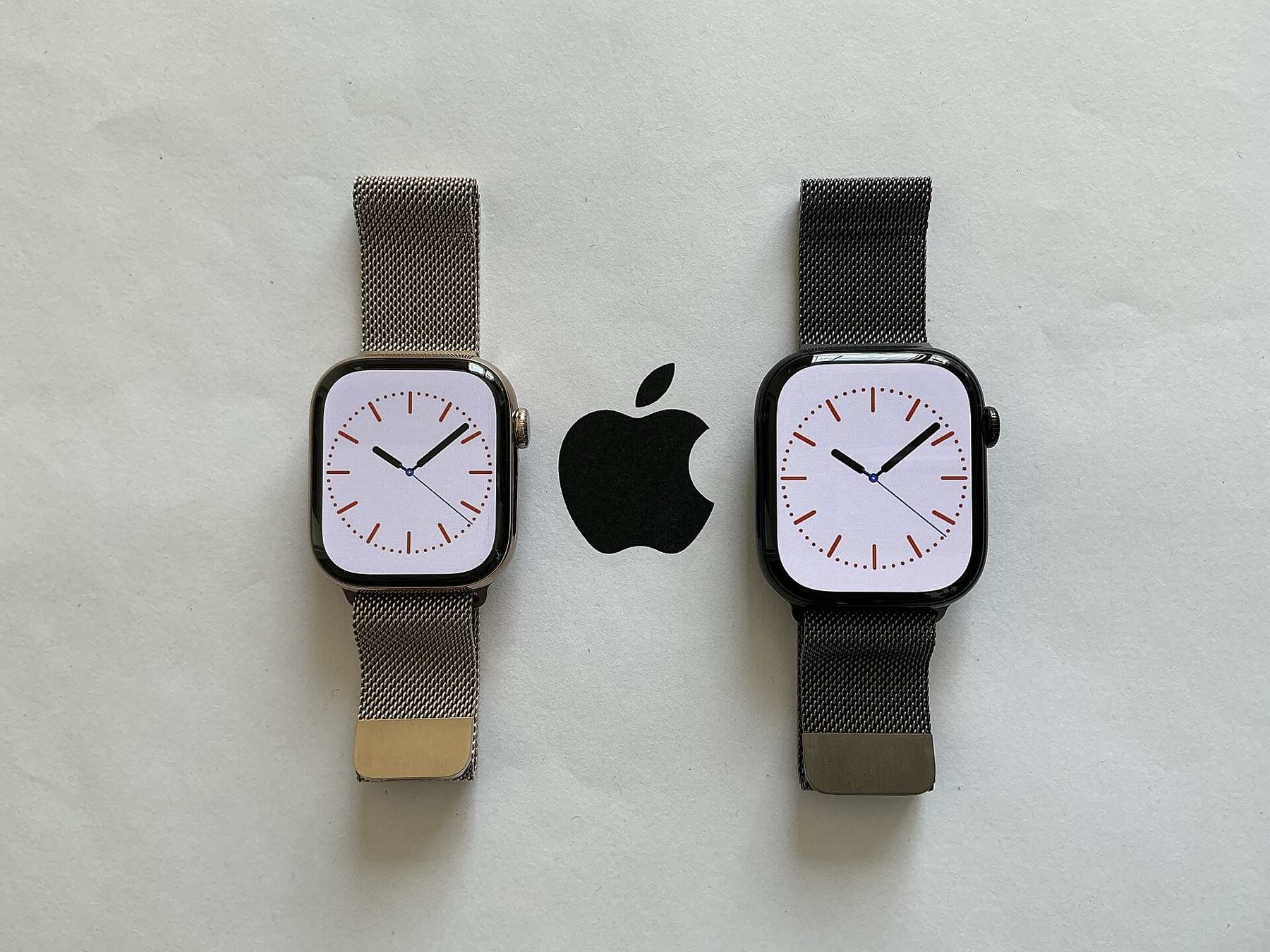
Buying Smart Watches in Bulk: MOQs, Pricing, Logistics and DHgate’s Role
Once you have candidate suppliers, the mechanics of wholesale buying matter more than the product photos. Smart watches have enough moving parts that a sloppy first order can wipe out your margin.
1. Use samples to decide your tier
With OEM and marketplace suppliers (including DHgate or Alibaba), you’ll usually see some form of minimum order quantity (MOQ), even if the exact numbers aren’t advertised in our research. Before negotiating MOQs, pay for a small, clearly labeled sample batch:
- Test battery life, pairing stability, display quality, and strap durability.
- Install the companion app on both iOS and Android if you plan to sell to a general audience.
- Check packaging: does it look retail‑ready or bare‑bones?
Your sampling goal is simple: decide whether you’re comfortable putting your brand and customer service behind this hardware.
2. Model landed cost, not just unit price
For US cross‑border buyers, “cheap” wholesale smart watches can become expensive after logistics. Build a quick landed‑cost view for each channel:
| Channel type | Typical strengths (editorial) | Key cost variables for a US buyer |
|---|---|---|
| China OEM / DHgate‑style | Customization, low ex‑factory pricing | International freight, customs, packaging upgrades |
| Alibaba / similar B2B | Massive supplier pool, direct factory contact | Same as OEM: freight, duties, plus sample iterations |
| EU/US wholesalers | Shorter lead times, clearer specs | Higher unit cost, domestic shipping, smaller discounts |
| Liquidation platforms (888lots) | Very low cost per unit, mixed lots | Sorting/testing labor, higher defect/return risk |
For each option, add up:
- Unit cost
- Shipping or freight and inland transport
- Customs duties and broker fees
- Packaging or rebranding work
Only then compare margins. Some US sellers find that EU/US wholesalers deliver a better effective margin once freight and sorting labor are factored in, even if the sticker price is higher.
3. Where DHgate tends to fit
DHgate, based on its own editorial description, lists millions of products across many categories and connects China suppliers with global buyers for wholesale and dropship orders. In smart watches, it’s most useful when:
- You want multiple low‑ to mid‑priced models to test in your store before committing to a custom OEM relationship.
- You’re comfortable managing conversations with individual China‑based suppliers through a marketplace interface.
- You plan to grow into private‑label or branded offerings once you’ve validated demand.
To keep risk in check on DHgate:
- Start with modest quantities across 2-3 different listings rather than one large bet.
- Document all agreed specs (chipset type, display resolution, battery capacity) in your messages.
- Use independent checks—samples, your own device testing, and app‑store reviews—to validate seller claims.
If you prefer more structured procurement and brand‑name devices, a regional wholesaler or distributor may still be a better fit. If your strategy leans toward ultra‑cheap mixed inventory for bins and discount sales, liquidation platforms like 888lots are more aligned.
4. Planning for repeat orders
Smart watches change quickly. Before you lock in a supplier or channel:
- Ask how long a given model will remain in production.
- Clarify how often firmware or app updates are released.
- Decide whether your store can handle frequent model turnover or needs stable SKUs.
Private‑label OEM paths (through direct factories or marketplace sellers who are OEM agents) suit brands willing to refresh their catalog often. Liquidation and closeout inventory are opportunistic by nature; they’re better viewed as margin‑boosting side bets than a stable core category.
If you choose DHgate as one of your sourcing routes, pair it with disciplined supplier discovery and vetting. Internal guides such as finding wholesale suppliers on DHgate, searching for DHgate suppliers, and choosing a DHgate wholesale supplier can help structure that process.
Smart watches can be a profitable category for US small sellers, but only if the sourcing strategy matches how you sell: OEM and DHgate‑style marketplaces for brand‑building and experimentation, distributors for stability, and liquidation lots for aggressive discounting. If none of those align with your risk tolerance or technical comfort level, it may be wiser to source simpler accessories first and come back to wearables later.