
Silicone bath bomb molds in wholesale quantities are available from domestic craft suppliers, niche mold makers, and global marketplaces. The right source for you depends on how many molds you need, whether you want custom shapes, and how much risk you’re willing to take on cross‑border shipping and quality.
For a small U.S. bath & body brand making a few hundred bombs a month, curated domestic suppliers and specialized mold makers tend to give the most predictable quality and support. If you’re scaling into thousands of units or reselling molds themselves, adding marketplaces and cross‑border options can make sense—but only after you’ve tested samples and nailed the specs.
Wholesale Silicone Bath Bomb Molds: How the Market Works
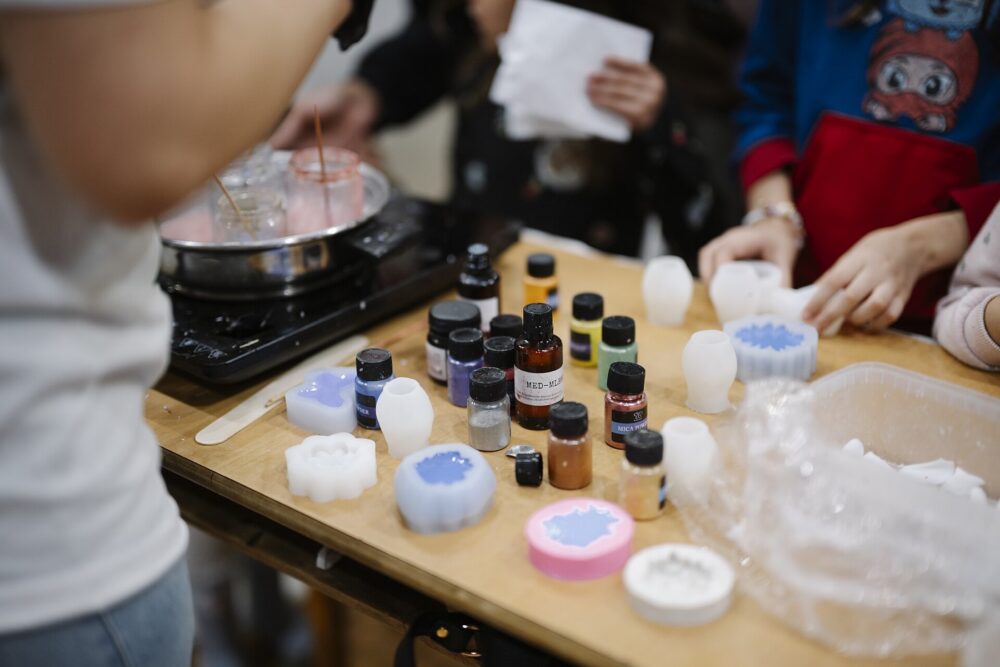
Silicone bath bomb molds are flexible, reusable tools that shape your bath bomb mixture. Their flexibility and non‑stick feel make it easier to release bombs without cracking, and they come in many cavity sizes and shapes—rounds, hearts, florals, geometric bars, and more.
Wholesale for molds doesn’t just mean “big pack on Amazon.” It usually means:
- Multi‑cavity trays that let you press several bombs at once
- Higher durability silicone formulated for repeated production cycles
- Either standardized designs or custom shapes tied to your brand
Domestic craft suppliers such as Bramble Berry’s bath bomb mold section offer silicone and other mold materials aimed at small makers, with product descriptions and curated selections that many U.S. brands use for consistent quality. Multi‑cavity formats and themed shapes (like those in Crafter’s Choice bath bomb & shower steamer molds) are designed for soap, bath bombs, and related crafts, so you can reuse tooling across product lines.
Global mold production is concentrated in regions with strong silicone tooling and consumer-goods manufacturing. Many of the molds you see at U.S. retailers originate from overseas factories, so when you shift from retail packs to wholesale, you’re essentially deciding whether to buy through a U.S. intermediary or work closer to the original producer.
Short scenarios:
- Hobbyist: Buys a few multi‑cavity silicone trays from Bramble Berry or Etsy; no real MOQ, pays retail.
- Local craft brand: Standardizes on 3-5 mold styles from curated suppliers; occasionally orders custom shapes from a niche mold maker.
- Online reseller: Needs hundreds of molds and tests bulk suppliers or marketplaces, because the margin comes from buying lower per‑unit.
Choosing and Verifying Silicone Mold Suppliers
Quality problems with silicone molds show up fast: bombs stick or tear, cavities are inconsistent, or the mold warps under use. That’s why supplier verification needs to be specific to molds, not a generic “read reviews” step.
Key checks and questions:
- Material description: Does the listing clearly state silicone (vs. plastic or mixed materials)? For mixed-use molds (soap, wax, chocolate), confirm whether the silicone grade and temperature range fit how you’ll use it. Don’t assume “food-grade” or “skin-safe” without explicit labeling.
- Cavity detail: Look for clear photos and measurements for each cavity—depth and width matter for fizz strength and drying time. Multi‑cavity trays from sources like Crafter’s Choice list shape categories and dimensions so you can match your recipe to mold size.
- Intended craft: Many silicone molds are sold for soap, candles, resin, or baking. That’s fine—bath bombs can often use the same molds—but ask the supplier how the mold behaves with a dry, compacted powder mixture. Soap or resin-only molds may be too deep or fragile for fast demolding.
- Consistency and production method: Niche brands like Cada Molds use 3D-printed master molds to make consistent bath‑bomb shapes. That type of supplier tends to show detailed photos of finished bombs made with their molds, which is a strong signal of practical testing.
Practical vetting steps:
- Ask for sample units or a small trial batch—especially from cross‑border vendors—before committing to a large run.
- Request unedited photos or short video of the mold flexing, filled, and demolded.
- Clarify tolerance for visual defects: Are slight surface textures acceptable, or do you need a very smooth finish for high-end bombs?
- For shaped molds (flowers, animals, seasonal themes), confirm whether they’re exclusive designs or widely available. Brand differentiation depends on not sharing identical bombs with half your competitors.
Inline checklist to keep nearby when you review a listing:
- Clear silicone material and use-case description
- Dimensions for each cavity, not just overall tray size
- Photos of finished bath bombs or similar products made with the mold
- Stated temperature range and cleaning instructions
- Option to buy 1-2 units first at a reasonable cost
Pricing, MOQs, Logistics, and Channel Tradeoffs
Wholesale economics for silicone bath bomb molds hinge on three things: how specialized the design is, whether you’re buying domestically or cross‑border, and the size of your order.
Typical MOQs and price behavior
Most craft-focused U.S. suppliers operate with low formal MOQs—you can often buy single molds at a higher per‑unit price, and they may offer small discounts on packs. Brands like Bramble Berry and Crafter’s Choice publish retail pricing; you’ll see that complex shapes and larger multi‑cavity trays cost noticeably more than simple round or cylinder molds.
Niche mold makers (like Cada Molds) and custom silicone shops may:
- Charge design or setup fees for custom shapes
- Offer price breaks at volume thresholds (for example, packs of 10, 50, or more)
Marketplace sellers often list packs (e.g., multiple molds or multi‑piece sets) instead of formal MOQs, but the economics are similar: larger packs lower the per-piece cost while increasing your inventory risk.
Channel comparison table
Here’s how major supplier types usually line up for a U.S. buyer:
| Supplier type | Typical scale & MOQs | Pros for bath bomb brands | Watch‑outs specific to molds |
|---|---|---|---|
| Domestic craft suppliers | 1+ per design; small discounts on packs | Curated quality, bath‑bomb‑tested designs, quick domestic delivery | Higher per‑unit cost; limited deep customization |
| Niche mold makers (e.g., Cada Molds) | Often low MOQs; custom runs possible | Brandable shapes, design support, molds tuned for bath bombs | Longer lead times for custom work; higher upfront costs |
| Marketplaces (Etsy) | Typically single units or small packs | Wide variety, semi‑custom options, easy for small tests | Highly variable material quality and durability |
| Cross‑border marketplaces | Packs and multi‑piece sets; informal MOQs | Potentially lower prices on generic shapes; broad selection | Verification burden (design fit, material claims, consistency) |
On Etsy’s silicone bath bomb mold category, many listings are tailored to small‑batch makers and semi‑custom designs. That’s useful for testing themed shapes before you commit to larger production runs.
DHgate as a cross‑border example (snapshot)
- A 6-piece sphere bath bomb mold set titled “6Pcs DIY Bath Bombs Molds Sphere Soap Mold Multiple Sizes Round Ball Molds Supplies for Soap Making Bathroom Soap Make Tools” in the Craft Tools category shows a price range around USD 20.81-21.35 for the set (listing).
- A bee-themed silicone mold marketed for soap, wax melts, and bath bombs (“Bee Silicone Mold For Soap Making Supplies Honeybee Homemade Bath Bombs Wax Metls Beeswax Lotion Bars Chocolate Candle Tools”) sits near USD 15.25-15.64 in Craft Tools (listing).
- A generic silicone soap/craft mold (“Silicone Mold Safe Easy To Use Wide Range Of Applications Safe And Non-toxic Versatile And Durable Resin Mold Silicone Soap Mold”) shows a higher range, roughly USD 62.94-84.73 (listing).
- A pair of aluminum sphere molds for bath bombs (“2PCS Round Aluminium Alloy Bath Bomb Molds DIY Tool Bath Bomb Salt Ball Homemade Crafting Gifts Semicircle Sphere Mold”) is also in Craft Tools, around USD 31.75-32.57 (listing).
These ranges illustrate how generic metal spheres, themed silicone molds, and larger multi‑use silicone tools can sit at different price points. Before using cross‑border marketplaces for ongoing supply, U.S. buyers should:
- Check each seller’s catalog for consistent mold styling and descriptions.
- Order small test quantities to evaluate silicone feel, cavity detail, and demolding.
- Align pack sizes with your production plan so you don’t over‑stock untested designs.
If you decide to pursue DHgate specifically as a sourcing route, you can combine this product view with general guidance on marketplace supplier checks from DHgateWiki pages like Find DHgate suppliers and Choose a DHgate wholesale supplier.
Logistics by buyer profile
- Hobbyist or micro brand: Domestic craft suppliers or Etsy are usually simpler: minimal MOQs, straightforward shipping, and designs proven for bath bombs.
- Growing local brand: Use domestic curated suppliers for core shapes, and test a few custom molds from niche makers. This keeps your risk low while building brand‑specific designs.
- Reseller or high‑volume producer: Mix channels. Lock in dependable domestic or niche suppliers for your flagship designs, and experiment with cross‑border marketplaces for generic molds where minor variation is acceptable.
The goal is not to find the single “perfect” supplier, but to match mold type and order size to the channel that gives you the most control over quality and timing.