
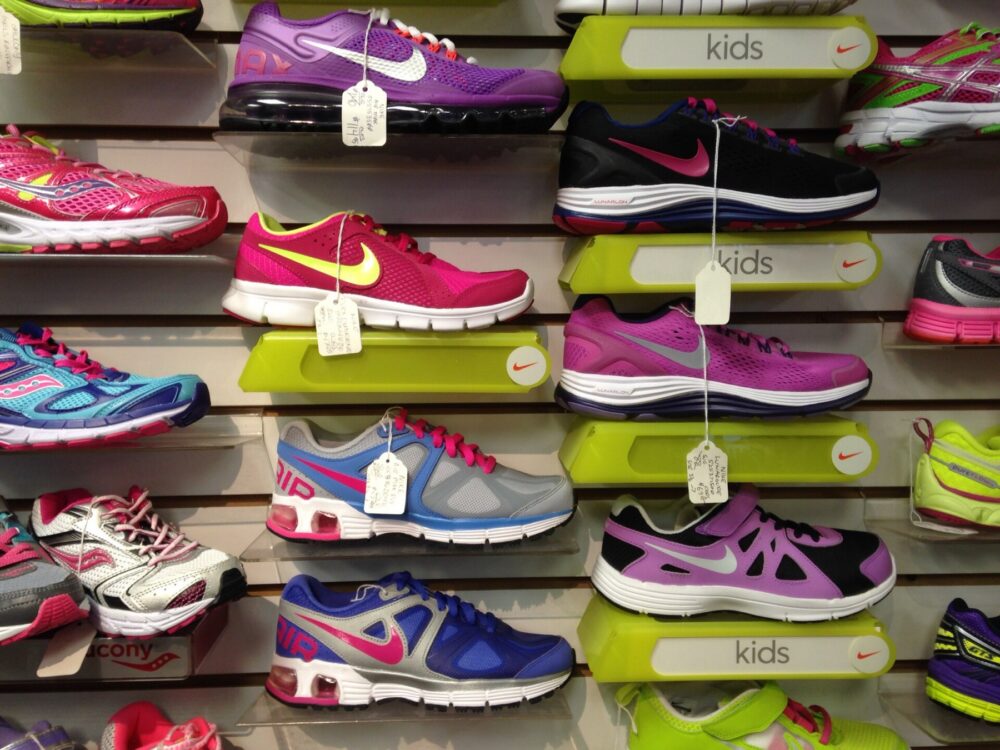
Wholesale shoe and footwear suppliers sell shoes in bulk to retailers and resellers, usually at a lower per‑pair cost than consumer retail. As a US small business, your real choice is less “which supplier” and more “which channel”: domestic distributors, liquidation, or cross‑border marketplaces like DHgate. Each has different risks, MOQs (minimum order quantities), and profit potential.
DHgate’s own blog describes the platform as a cross‑border B2B marketplace where you can source sports, casual, formal and kids’ shoes from many sellers, including Nike‑style sneakers and Jordans, but it’s still just a marketplace: you have to vet each seller yourself and cannot assume uniform quality or authenticity.
How Wholesale Shoe Supply Works for US Small Businesses
Wholesale footwear suppliers are businesses that provide shoes in bulk quantities to retailers and resellers at discounted prices, sourcing from manufacturers, distributors, and liquidation channels and covering everything from basics to fashion styles.CleverWholesale overview explains this broad structure and is a good snapshot of the US market.
For a typical US reseller, inventory arrives through a few main paths:
- Domestic distributors: companies such as Easy USA and RedShoeLover illustrate the classic model—importing or buying large runs of sandals, sneakers, boots, and then breaking them into case packs for US retailers.
- Liquidation and closeouts: overstock, returns, and past‑season styles sold by pallet. Better margins, but sizing and style mixes are unpredictable.
- Cross‑border wholesale marketplaces: platforms connecting you to factories and trading companies in major production regions. DHgate’s blog highlights China as a dominant footwear manufacturing base with a huge range of sportswear, fashion and kids’ shoes, making it a natural origin for many wholesale offerings.
If you’re a boutique or online seller, you’ll usually match channels to product type:
- Trend‑driven fast fashion and unbranded sneakers: often cross‑border.
- Commodity basics (flip‑flops, garden clogs, work boots): often domestic distributors.
- Recognizable big‑brand styles: generally through authorized distributors or carefully vetted cross‑border sellers, with a clear plan to avoid counterfeit risk.
Choosing and Vetting Footwear Suppliers Across Channels
Picking a shoe supplier is part product fit, part fraud filter. For sneakers especially, DHgate’s own sneaker guide recommends checking seller ratings and feedback history and treating extreme price gaps against typical market ranges as a red flag—not as policy, but as editorial advice.DHgate sneaker blog spells this out for buyers.
Here’s how to translate that into a practical vetting workflow for any channel:
- Start with channel‑appropriate suppliers
- Domestic: look for established distributors like Easy USA or RedShoeLover, or lists such as wholesale‑vendor roundups on sites like Fashion Manufacturing. Confirm they really serve B2B (wholesale) and not just retail.
- Cross‑border: use marketplaces where you can see seller histories and reviews. DHgate’s footwear‑focused blog posts emphasize that its catalog spans sneakers, formal shoes, and kids’ footwear, but every listing is tied to an individual seller you need to evaluate.
- Drill into product mix and sourcing story
Ask very specific questions:
- For unbranded fashion shoes: Who designs them? Are size runs US‑converted or native (EU/China)? Are they current production or leftover stock?
- For brand‑style sneakers (Jordans, Nike‑style, Yeezy‑style): Are these licensed products, parallel imports, or lookalikes? How do they describe their relationship to the brand? If the description is vague and the price is far under typical wholesale, treat it as high risk.
- Use real signals, not just star ratings
On marketplaces, combine:
- Longevity: multiple years active selling shoes is more reassuring than a brand‑new account.
- Category focus: a seller that mostly moves footwear is usually more knowledgeable about sizing and defects than a generalist moving random gadgets.
- Photo and description quality: inconsistent logos, blurred brand marks, or stock photos of famous models with no detailed close‑ups are classic warning signs.
On domestic distributors, look for:
- Clear line sheets with style codes and case‑pack details.
- A visible business address and phone number.
- Trade references (other retailers) or at least some industry footprint beyond a slick brochure site.
- Test with samples or micro‑orders
Before committing to a container or a huge pallet:
- Place a small trial order of multiple sizes and colors.
- Check stitching, glue marks, insole comfort, and box/label quality. For sneakers, compare key details (logos, tags, box text) against a pair from an authorized retailer if you plan to position them as branded.
Pricing, MOQs, and When DHgate Makes Sense for Shoes
How MOQs and cost usually behave
Think in rough tiers (conceptual, not exact numbers):
- Domestic distributors: higher per‑pair price, lower MOQs (case packs or mixed‑style orders), faster delivery, simpler returns.
- Cross‑border marketplaces: lower factory‑side pricing potential, but MOQs vary widely by seller; shipping time and import duties add to true cost.
- Liquidation: low per‑pair cost, but you buy by pallet or truckload, and you accept style/size randomness.
A simple mental model: if a domestic supplier offers sandals at a moderate per‑pair cost with a 48‑pair MOQ and a cross‑border seller offers a lower per‑pair cost but needs a much higher MOQ and multi‑week transit, you must factor storage, slower capital turn, and risk of mis‑sized inventory. The “cheapest” sticker price isn’t always the best margin once you account for write‑offs.
Where DHgate’s footwear marketplace fits
DHgate’s blog content positions the site as a broad shoe marketplace: you can find sportswear, casual shoes, ladies’ fashion, kids’ shoes, wedding shoes, and Jordans/Nike‑style sneakers from sellers in China and other regions.DHgate wholesale shoes article and a separate piece on shoe brands and customization optionsDHgate footwear brands post emphasize that breadth.
Because it’s a marketplace rather than a single factory, you can:
- Shop multiple sellers for the same style to understand a realistic price range.
- Filter for MOQs that fit your budget (some sellers will entertain smaller test orders; others expect larger commitments).
- Explore customization for unbranded shoes if your strategy is private‑label fashion rather than reselling famous brands.
However, DHgate is competing with other cross‑border options. One DHgate blog article that surveys “top wholesale shoe websites” mentions AliExpress and dedicated Chinese footwear sites as alternative ways to source Jordans, Nike‑style shoes and fashion footwear.Multi‑platform wholesale shoe article frames DHgate as one of several global options, not the only choice.
Quick scenario guide
This table keeps things grounded in realistic buyer situations; the content is editorial judgment, not platform promises:
| Scenario | Best‑fit channel (editorial view) | Why DHgate might fit | When to avoid DHgate |
|---|---|---|---|
| Launching a US online shop with trendy unbranded sneakers | Cross‑border marketplaces or fashion‑focused wholesalers | Many DHgate sellers offer fashion‑forward, non‑branded styles and can customize colors or logos. | If you need tiny MOQs and same‑week restocks, domestic fashion wholesalers or dropship partners are simpler. |
| Stocking a local convenience store with flip‑flops and garden clogs | Domestic distributors like Easy USA, RedShoeLover | DHgate may still offer bulk basics, but customs and transit add friction. | For commodity footwear where brand and style don’t matter, domestic case packs usually win on simplicity and reliability. |
| Trying to resell big‑brand Jordans/Nike styles at scale | Authorized distributors or carefully verified parallel‑import channels | Cross-border multi-seller’s blog claims you can buy Jordans and Nike‑style sneakers in bulk from the marketplace, but you must do extra due diligence and accept residual counterfeit risk. | If your business model depends on guaranteed brand authenticity and strong brand relationships, marketplaces with mixed sellers are usually too risky. |
| Building a private‑label women’s fashion shoe brand | Cross‑border platforms plus direct factory relationships | DHgate’s editorial describes DIY/custom shoe options and varied factories, a useful starting point for discovering potential partners. | Once you lock in a factory and scale up, you may prefer direct contracts rather than marketplace intermediaries to control terms and QC. |
Simple landed‑cost walkthrough
Here’s how to sanity‑check a DHgate (or any cross‑border) footwear opportunity, with no made‑up numbers:
- List all cost buckets: per‑pair price, shipping, import duties/taxes, packaging, storage, and expected defect/return rate.
- Estimate your selling price range from similar products at US retail (online or offline). Use real examples, not aspirational numbers.
- Run a conservative margin test: assume a chunk of pairs will be slow‑moving or discounted. If your margin only works when every pair sells at full price, your sourcing plan is too fragile.
- Check repeat‑order practicality: ask the seller how often they re‑make styles, whether they change materials, and what the lead time is between order and ship date.
If you discover that your true landed cost from a cross‑border seller is only slightly below a domestic distributor, but you’re adding weeks of lead time and more quality uncertainty, you’re probably better off buying locally.
For cross‑border marketplace sourcing specifically, you can pair this article with DHgateWiki’s step‑by‑step guides on finding and vetting suppliers: finding wholesale suppliers on DHgate, searching for DHgate suppliers, and choosing a DHgate wholesale supplier.