
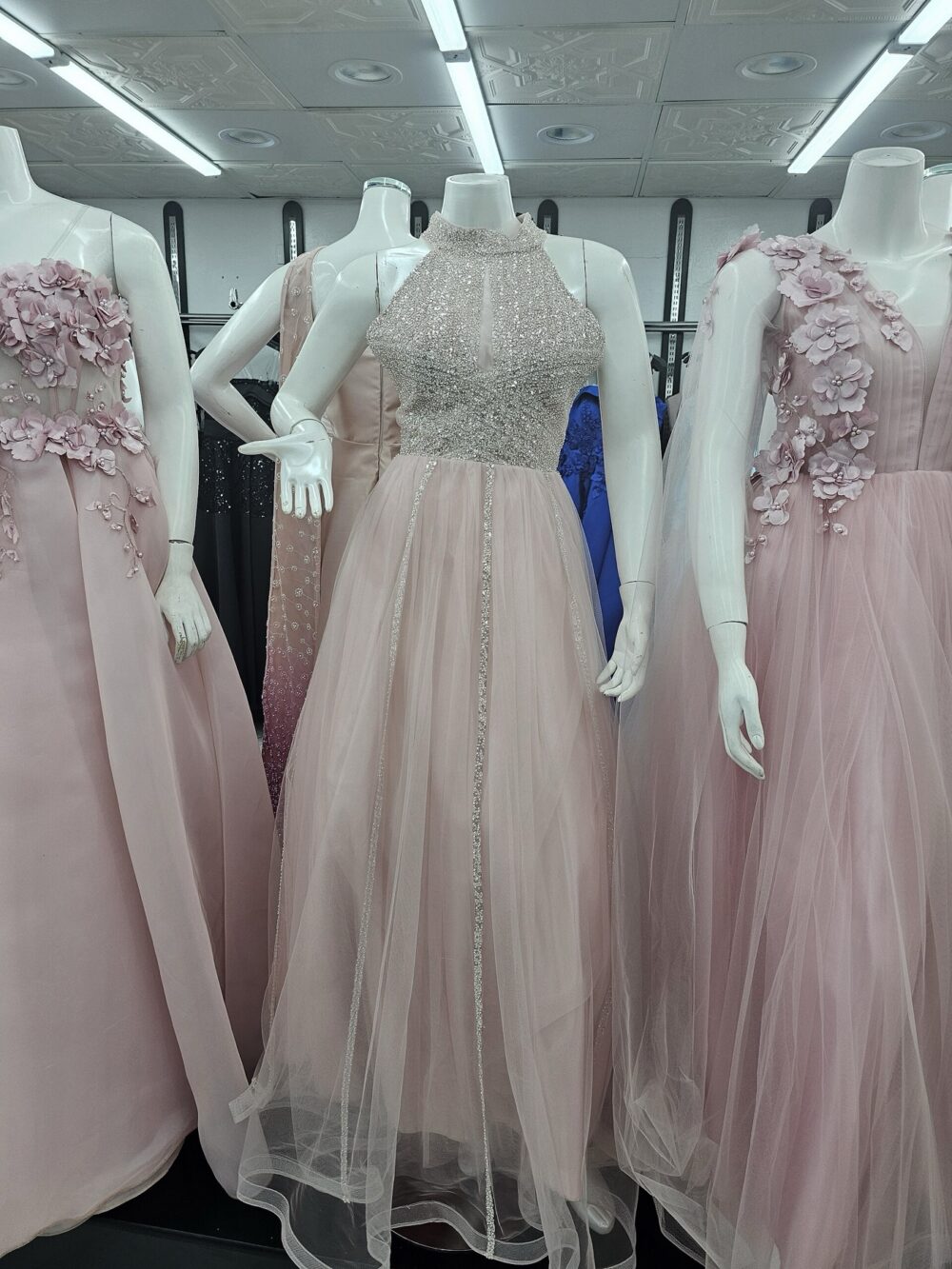
You can source sequin patches and appliques cheaply from Chinese suppliers, including on DHgate, but it makes sense only if you lock down specs, test samples, and compare channels like Alibaba and niche trim sites against your real MOQs and quality needs. For a small US brand, the practical starting point is usually ready‑made designs in moderate quantities; fully custom work or ultra‑cheap bulk is safer once you know your margins and repeat order plans.
This article explains how the wholesale market for sequin patches/appliques works, how to brief and vet suppliers, and where DHgate realistically fits among other sourcing options.
Wholesale Sequin Patches and Appliques: How the Market Works
Sequin patches and appliques are decorative elements made of sequins attached to a fabric base, used to embellish garments, accessories, and decor. Sites like Baariya and specialty trim shops such as Mood Fabrics list them as pre‑made embellishments that can be sewn or glued onto fashion or costume pieces.
In wholesale, you mainly see three forms:
- Pre‑made motifs – flowers, wings, letter sets, logos, etc., often sold by the piece.
- Mirrored pairs or sets – for shoulders, bodices, dancewear, bridal belts.
- Custom sequin patches – produced to a buyer’s design, frequently for logos or branded merch, as illustrated by custom offerings like Prime Promo Gear’s sequin patches.
Production is heavily centered in China for cost reasons, but you’ll also find inventories at US‑based trim specialists and Etsy sellers who either import or do small‑batch embellishment work locally. A typical supply chain looks like:
- Factory or workshop: sources sequins and base fabrics (mesh, felt, organza), runs embroidery/embellishment machines, and may hand‑finish complex designs.
- Exporter or trading company: aggregates SKUs, handles overseas inquiries, and negotiates MOQs.
- Marketplace or trim retailer: lists designs for global buyers (DHgate, Alibaba, Made‑in‑China) or for domestic buyers (specialty trim sites, Etsy).
For a small US business, this usually means choosing between direct cross‑border via marketplaces and buying from domestic inventory that’s already imported. Cross‑border tends to win on price and customization; domestic tends to win on speed, predictability, and simpler returns.
Choosing and Working With Sequin Patch Suppliers
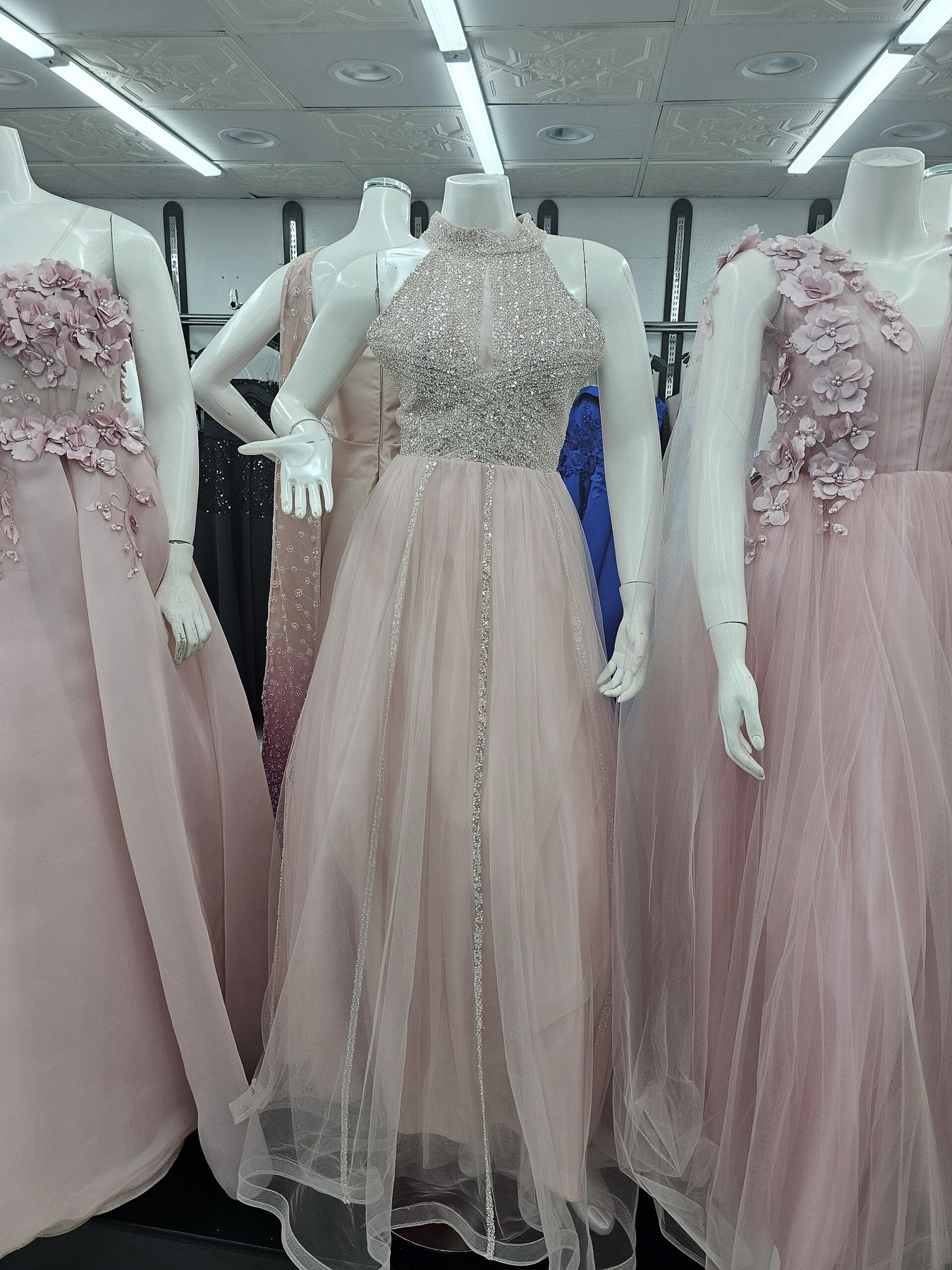
Quality can swing widely in this category: the same flower motif can look luxe from one supplier and cheap from another because of sequin density, stitching quality, and backing. You need to turn those vague concerns into specific, testable requirements.
Lock in specific, testable specs
When you contact a supplier, avoid vague briefs like “sequin patch, 3 inches.” Spell out:
- Attachment type: sew‑on, glue‑on, iron‑on (heat‑activated backing), or sticker‑style. Ask what backing they use and what temperatures iron‑on patches are designed for.
- Base fabric: mesh/organza (for drapey garments) vs felt or twill (for caps and jackets). Request close‑up photos of the backing and edges.
- Size and orientation: exact width/height and whether the design needs to be mirrored for left/right placement.
- Color and finish: solid vs multi‑color sequins, holographic vs flat, matte vs glossy.
- Coverage: insist on dense coverage with no obvious gaps and verify via samples.
For custom patches, send clean digital artwork and clarify any gradient or shading expectations. Suppliers offering custom work, like the ones behind Prime Promo Gear’s custom sequin patches, typically work best from logo files rather than rough sketches.
What to include when you first contact a supplier
Instead of using a form with fill‑in fields, think in terms of the information you need to provide:
- Who you are and how you’ll use the patches (streetwear brand, dance costumes, bridal, etc.).
- The core specs above (use, size, backing, colors, quantity, and whether repeat orders are likely).
- Direct questions about MOQs, price tiers, lead times, sample availability, and customization.
If a supplier replies without addressing these points or dodges backing/attachment questions, treat that as a red flag.
Sampling, MOQs, and controlling quality
Most factories and marketplace sellers will ship paid samples or small test lots. DHgate’s DIY materials blog recommends ordering samples before bulk, checking seller ratings, comparing prices between sellers, and using platform messaging to clarify product details or request customization.DIY materials on DHgate
For sequins, your sample check should include:
- Tug several sequins near the edge; they shouldn’t fall off under light pressure.
- Inspect the back for loose threads or scratchy glue blobs, especially for kids’ garments.
- Test your intended attachment method (iron‑on time/temperature or sewing through the base) on fabric similar to your final product.
Under real conditions, MOQs can range from a few pieces of pre‑made motifs up to hundreds or thousands for custom designs, depending on the seller and channel. In broad strokes:
- Pre‑made designs on marketplaces often allow small test orders.
- Custom shapes and colors typically require higher MOQs because of artwork setup and production runs.
Plan your first order as a controlled experiment: pick one design, a quantity you can sell in a few months, and a budget that still works if you decide not to reorder.
Risk callout: quality and returns
Sequins, backing fabrics, and adhesives vary widely by supplier. If you’re sourcing cross‑border, assume that returning a disappointing batch may be time‑consuming or uneconomical. Your practical protection is tight specs plus samples plus starting small, not an easy return.
Comparing DHgate and Other Channels for Sequin Patches and Appliques
You have several realistic sourcing routes: DHgate, Alibaba/Made‑in‑China, domestic trim specialists, Etsy‑type sellers, and in‑person trade shows. Each has different patterns for MOQs and customization.
Channel patterns for MOQs and customization
The table below summarizes common behavior for this product category (these are patterns, not strict rules):
| Channel type | Typical MOQ pattern | Custom design availability | Best fit for… |
|---|---|---|---|
| DHgate marketplace | Many listings allow relatively small orders; MOQs set per seller | Some sellers offer customization via messaging | Small brands testing multiple designs and DIY resellers |
| Alibaba / Made‑in‑China | MOQs often higher and geared to bulk buyers | Widely available; many factories promote custom work | Larger orders, brand logos, long runs |
| Niche trim sites (e.g., Mood, SequinAppliques) | Sold by piece or pair, no formal MOQ | Usually limited; mostly pre‑made motifs | Fast delivery, costume and bridal projects |
| Etsy‑style studios | Small lots, often made or finished locally | Good for artisanal, small‑batch custom work | Higher‑end, niche or handmade branding |
| Textile/trim trade shows | MOQs negotiated; often mid‑ to high‑volume | Yes, via direct factory relationships | Brands ready for repeat, seasonal programs |
Sites like Mood Fabrics and SequinAppliques keep curated inventories of sequin appliques that can be sewn or glued onto garments, offering quick access and predictable quality. In exchange, you usually pay more per piece and have less control over custom shapes.
Suppliers that promote custom sequin patches, such as those on Prime Promo Gear, highlight that custom branding is widely available — but typically with setup work and minimum quantities.
How DHgate fits into sequin embellishment sourcing
DHgate is described in its editorial blog as a China‑based B2B marketplace connecting global buyers with Chinese suppliers and offering wholesale‑oriented prices.DHgate clothing sourcing overview Another DHgate blog article notes that the platform itself does not impose a universal minimum order quantity; instead, individual wholesalers set their own MOQs and DHgate uses tiered pricing where larger quantities can yield better unit prices.DHgate wholesale products overview
For sequin patches and appliques, that generally translates into:
- Good fit if you want to try multiple motif styles in modest quantities and are willing to vet individual sellers.
- Mixed fit for highly custom, brand‑critical patches: you can find suppliers, but you’ll need to manage artwork, sampling, and communication carefully.
Borrowing from DHgate’s DIY materials guidance, a practical DHgate sourcing workflow for sequin patches looks like this:
- Search with specific terms like “sequin applique” or “sequin patch” plus your use (“dance costume”, “iron‑on”, “bridal”).
- Filter by seller evidence such as ratings and buyer feedback, and compare several sellers listing similar motifs.
- Message sellers before you buy to ask the spec questions covered earlier, confirm MOQs, and ask whether custom work is possible.
- Order samples or small lots first, especially if you plan to resell or use the patches on garments you’ll market under your brand.
To structure your shortlists and communications on DHgate, it can help to pair this article with internal sourcing guides such as find DHgate suppliers and choose a DHgate wholesale supplier.
Worked example: landed cost for a small US brand
Here’s a hypothetical scenario to stress‑test whether DHgate or a domestic trim site makes sense. Any numbers are illustrative only.
- You run a small streetwear brand and want a sequin logo patch for a limited hoodie drop.
- Option A: a domestic trim site sells a similar pre‑made logo‑style patch by the piece. You pay a higher unit cost but low or no MOQ and straightforward shipping; your landed cost per hoodie is predictable, but the design isn’t unique.
- Option B: you commission a custom logo patch from a supplier found via DHgate. You pay for artwork setup and samples, but your per‑piece cost may drop at higher quantities.
If you’re only making 50-100 hoodies, Option A may actually be cheaper and less risky because you avoid surplus inventory and cross‑border complexity. If you’re confident you can sell several hundred pieces and reuse the design for future runs, the DHgate route can improve margin once you spread design and sampling costs over more units.
The key is to run this math before you commit: multiply unit cost, shipping, and any expected import fees by your planned quantity, then compare channels for the same total units — not just sticker prices.
How to decide your best sourcing route
For most US buyers considering sequin patches and appliques:
- Use domestic trim sites or Etsy‑style studios when speed, predictable quality, and low quantities matter more than unit cost.
- Explore DHgate and similar marketplaces when you can invest time in seller vetting, want flexibility on MOQs, and either need variety or are testing designs for future scale.
- Move to Alibaba/Made‑in‑China or trade‑show relationships once you’re ready for larger, repeat orders and tighter factory partnerships.
If you start with DHgate, keep your first project small, insist on samples, and document your specs clearly. If you don’t find a seller who can meet those requirements, or if samples disappoint, that’s usually a sign to fall back to domestic trim inventories for this product instead of forcing cross‑border sourcing to work.
Before choosing a DHgate supplier, you can also consult find wholesale suppliers on DHgate for more platform‑specific sourcing tips.