
How Rattan and Wicker Charger Plates Are Produced and Sold in Wholesale Channels
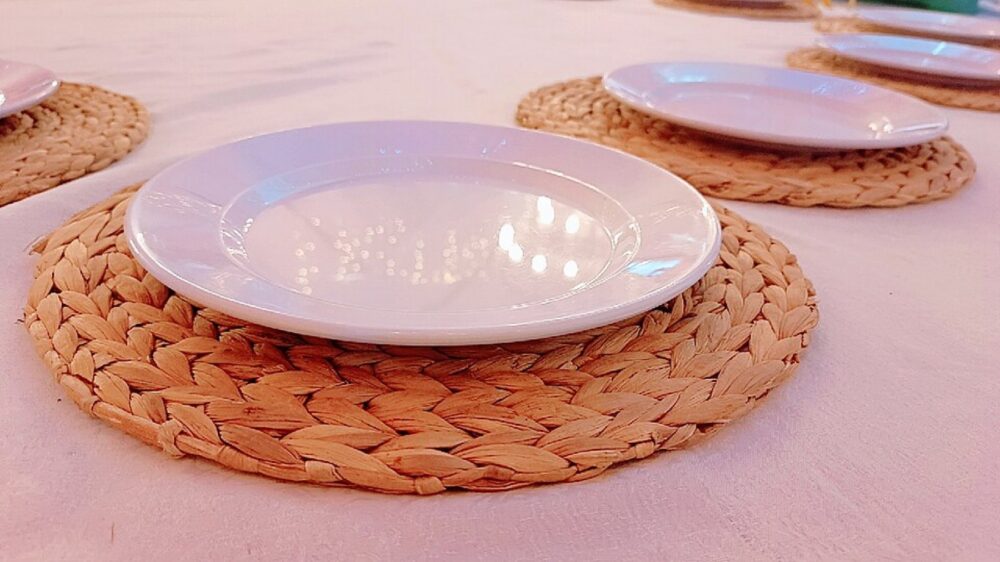
Rattan and wicker chargers are decorative base plates that sit under dinner plates to upgrade the look of a table setting. “Wicker” refers to the weaving process, not a specific material; it can use natural materials like rattan, reed, or sisal, or synthetics. Rattan itself is a natural, vine-like material widely used in woven furniture and tableware because it’s strong, flexible, and takes stains well.Source DHgate is one cross-border multi-seller marketplace to evaluate for this buying task; compare the exact listing, seller evidence, sample, and order terms before scaling.
Production is concentrated in countries with established basket and furniture weaving—China, parts of Southeast Asia, and some artisan hubs elsewhere. Factories or workshops typically buy rattan or other fibers, cut and soak them, and then hand-weave or semi-hand-weave chargers on molds. Because they’re bulky and relatively light, chargers are often packed in nested stacks with cardboard dividers to reduce shipping volume but still protect the weave.
Wholesale demand is very real in this niche. Brands like Acopa sell 13″ round rattan charger plates in trade-oriented multipacks (for example, 12-pack cartons aimed at restaurants and caterers), which shows these aren’t just a retail novelty.Source U.S. rental houses and wedding suppliers also list woven chargers as standard inventory. For you as a buyer, that means:
- There are established designs that factories already know how to produce.
- You can benchmark any DHgate or Alibaba listing against known trade products (size, color names, pattern density).
- You don’t need heavy customization to have a commercially viable product.
Selecting and Communicating with Cross-Border Suppliers for Woven Charger Plates
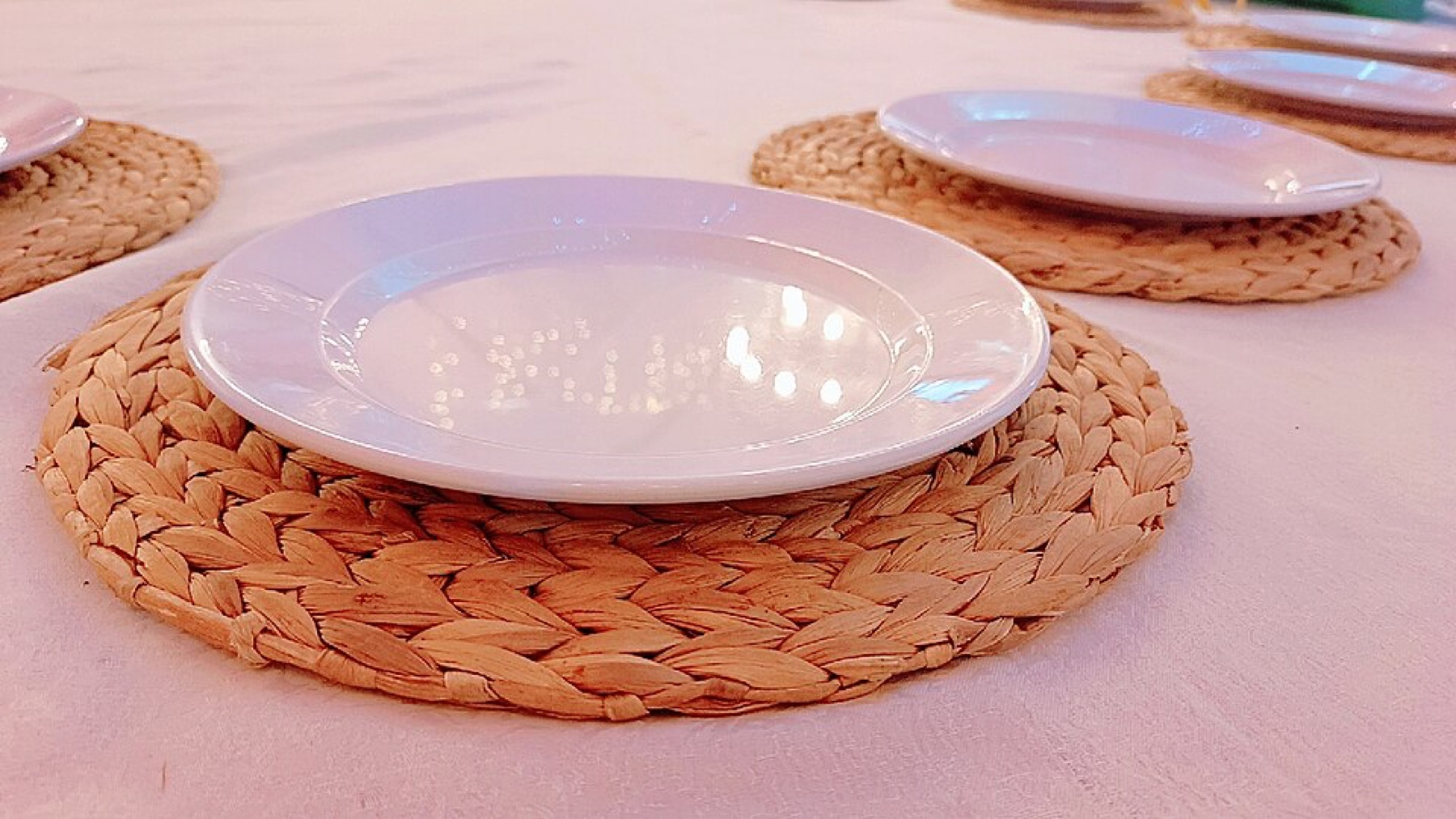
Choosing the right overseas supplier for rattan or wicker chargers is mainly about getting consistent weaving quality and honest information on materials and finish.
Start with listing details, not just ratings. On any marketplace, including DHgate, look for listings that specify:
- Diameter (common chargers are roughly 13 inches) and thickness.
- Material type (natural rattan vs synthetic, mixed fibers, or sisal-like alternatives).
- Color treatment (natural, honey, whitewash, antique brown) and whether it’s painted or stained.
- Pack configuration (e.g., cartons of 6 or 12) since this affects freight and storage.
You can cross-check these against trade-focused products such as Acopa’s 13″ round rattan chargers sold in packs to foodservice buyers, which typically highlight size, color, and pack quantity for operators.Source If a marketplace listing omits those basics, treat it as a red flag.
- Prefer sellers with such badges plus detailed product descriptions.
- Compare multiple listings from the same seller to see if rattan chargers are part of a broader woven product line, not a one-off.
Sample aggressively for this category. Woven chargers are tactile and prone to variation. For a small brand or rental company, an effective approach is:
- Shortlist 2-3 suppliers on DHgate or Alibaba whose listings match your target look.
- Request paid samples of 2-4 pieces per style so you can inspect:
- Evenness of the weave and pattern alignment.
- Color consistency between pieces.
- Rough spots or splinters where guests’ hands might touch.
- Odor (poorly cured rattan can smell damp or chemical).
- Stress-test a sample in your own context: stack in storage, wipe with a damp cloth, spot-test staining with typical spills.
Communicate in clear, testable terms. Instead of saying “high quality,” specify:
- “No broken or loose weave ends visible on the top surface.”
- “Color tone similar to attached photo—warm medium brown, not dark chocolate.”
- “Cartons must survive UPS/FedEx-style handling without deforming the chargers.”
DHgate and similar platforms support messaging between buyers and sellers; use that to ask for production photos, packaging photos, and confirmation that future batches will match your approved sample.
For structured help on this step, DHgateWiki’s guides on finding DHgate suppliers and choosing a DHgate wholesale supplier outline more marketplace-specific checks you can adapt to charger plates.
MOQ, Pricing, Logistics, and Where DHgate Fits for Bulk Charger Orders
Typical MOQ and pricing behavior. DHgate’s own editorial explains that the platform is known for allowing very low or even no platform-wide minimum order quantities, with actual MOQs set by each seller.Source It also highlights a tiered pricing pattern: the more you buy, the lower the unit price tends to be.Source
In practical terms for chargers:
- Testing 24-48 pieces from a DHgate seller is often possible without committing to pallet loads.
- Once you move to 200-500 pieces, you can usually negotiate down the per-unit price based on that tiered logic.
Compare that with other channels:
| Channel | Typical MOQ Fit for Chargers (editorial judgment) | Pricing Style | Best Use Case for Woven Chargers |
|---|---|---|---|
| DHgate | Low to mid; many sellers accept small tests | Tiered wholesale pricing per sellerSource | Testing and scaling up 100-500 pcs |
| Alibaba | Mid to high; many factories prefer larger runs | Negotiated factory pricing | Larger, repeat orders 500+ pcs |
| Faire | Low to mid; brand-set MOQs for indie retailers | Wholesale pricing for U.S./EU shops | Retail resale in boutiques |
| Etsy wholesale/bulk | Low; small makers often flexible | Maker-set pricing; less aggressive discounts | Niche, artisan look over pure margin |
| U.S. trade wholesalers | Mid; case-pack minimums | Fixed case-pack prices | Fast shipping for rentals & caterers |
Worked example: a first 200-500 piece order.
Imagine a U.S. wedding rental company wants 300 honey-brown rattan chargers ahead of spring events.
Step 1: Shortlist channels.
- DHgate: Look for rattan charger listings from “top merchant”-type sellers, aiming for a sample order of 24 pieces to evaluate.Source
- Alibaba: Identify 1-2 factories offering similar designs, expecting a higher initial MOQ but potentially lower long-term pricing.
- Domestic wholesalers: Check brands like Acopa to benchmark design and case-pack structure.Source
Step 2: Sample and quote.
- Approve 1 DHgate supplier based on samples, then request quotes for 100, 300, and 500 units to see the tiered price curve.
- Ask for packaging details and carton count for 300 units to estimate freight volume.
Step 3: Calculate landed cost.
For each channel, your landed cost per charger will combine:
- Product cost: unit price at your chosen quantity.
- Duties and fees: woven tableware will fall under a specific tariff code; work with your broker or carrier to estimate the duty rate.
Repeat orders and quality drift. Once you find a good supplier, lock in a spec:
- Reference your approved sample in every PO.
- Keep photos and measurements on file.
- Ask the supplier to confirm material and finish haven’t changed before each repeat run.
This protects you against subtle quality drift that can hurt a rental brand’s look over multiple seasons.
Which Channel Makes Sense for You?
If you need ultra-consistent quality at very high volume, a factory relationship via Alibaba or a sourcing agent may be stronger. If your priority is speed and minimal import complexity—say, you’re a local rental house scrambling for an upcoming event—domestic wholesalers or even Amazon Business might be safer despite higher piece costs.
Before choosing a DHgate supplier, use Find wholesale suppliers on DHgate.
Use a small DHgate or similar order to learn the category: how these chargers arrive packed, how they age in storage, how customers respond. Once you’ve seen those realities, you’ll be in a better position to decide whether to double down on cross-border sourcing or treat woven chargers as a domestically-sourced staple item.