
Wholesale men’s jewelry usually flows through four routes: domestic wholesalers, factory-direct (often in China), B2B marketplaces like DHgate or Alibaba, and trade shows. You choose among them by three practical levers: how many units you realistically need, how custom your men’s designs are (stainless basics vs branded hip hop chains, for example), and how much supplier work you can personally handle. DHgate tends to sit between domestic wholesalers and factory-direct: you get access to Chinese factories and traders with varied hip hop and stainless SKUs and generally smaller wholesale lots, but you still have to vet sellers, manage sampling, and monitor quality yourself.
For a US small brand doing 50-300 units per style in mixed men’s bracelets and chains, marketplaces like DHgate often feel workable because domestic wholesalers may not carry your exact aesthetic and factory MOQs can be too high. If you’re running a larger, tightly branded men’s line with custom logos, strict plating specs, and seasonal drops in the thousands of units, direct factories or a more traditional wholesale partner usually make more sense. The sections below walk that choice through men’s-specific scenarios and then show how DHgate actually looks using current listings.
How Wholesale Men’s Jewelry Is Typically Sourced and Why Route Choice Matters
Men’s fashion jewelry – stainless steel chains, hip hop pendants, minimalist cuffs – is largely produced in China and other Asian manufacturing hubs, then resold through different channels.
Most small US buyers encounter three main paths:
- Domestic wholesalers and distributors. These are US-based companies that import men’s jewelry in bulk and resell in case packs. For example, a wholesaler focused on men’s sterling and stainless lines might offer curated assortments similar to what you see from specialty players like Silver Palace’s men’s collection.
- China-based manufacturers and trading companies. Here you work directly with the source, often for stainless steel hip hop sets or branded minimalist collections. This route is common when you want your own design or logo and can meet higher minimums.
- Online B2B marketplaces. Platforms like DHgate and Alibaba aggregate many jewelry suppliers in one place. DHgate in particular is described in its own editorial content as a China-based B2B marketplace with a very wide range of jewelry SKUs, including men’s pieces, hip hop styles, and stainless steel items sold in wholesale quantities.
The route you pick changes your economics and workload:
- Domestic wholesalers usually mean higher per-unit cost but far less work: you buy what’s in stock, often with US-level customer service, but you have limited say over design and material tweaks.
- Factory-direct often has lower per-unit cost at scale and more customization, but you shoulder design briefs, sampling, language/time-zone issues, and production risk.
- Marketplaces give access to many suppliers and styles with varied MOQs, but you’re the one sorting out which seller is real, which plating spec matches your brand, and whether the quality is consistent.
For men’s categories like hip hop and stainless steel, this choice is magnified because trends move fast. Buying the wrong route can leave you stuck either with generic designs that don’t fit your audience, or with a production setup that’s too heavy for your real order volume.
Comparing Men’s Jewelry Supplier Routes by Order Size, Customization, and Workload
You can narrow routes quickly if you map your men’s line to these three variables: volume, customization, and how hands-on you can be.
Here’s a men’s-specific comparison using common scenarios:
| Scenario / Need | Domestic US Wholesaler | B2B Marketplace (DHgate, Alibaba) | Factory-Direct in China |
|---|---|---|---|
| 1. Testing a small men’s line (50-150 units/style) | Easiest: buy ready-made stainless/sterling assortments, little admin; limited control over designs | Often workable: many suppliers accept smaller wholesale batches; you handle vetting, samples, and listing details | Usually poor fit: many factories expect higher MOQ or multi-style programs; setup effort is heavy for tiny tests |
| 2. Scaling a proven hip hop men’s collection (500-2,000 units/style) | Good if you accept stock designs; margins may be tight | Strong for finding suppliers and styles; better suited to higher-volume or semi-custom orders on Alibaba or similar | Strong: factories can quote per spec, lock in finishes and plating; higher workload but better control |
| 3. Highly customized branded men’s pieces (logo, special finishes) | Weak: most wholesalers don’t customize beyond engraving | Mixed: some marketplace listings and “source factory” sellers offer custom, but specs and consistency vary by seller | Best fit: direct contract manufacturing with clear drawings and QC plan |
| 4. Very low workload / solo operator | Best: one or two domestic partners cover most needs | Moderate: platforms offer variety, but you must manage supplier communication and listing checks | Hardest: multiple emails, CAD reviews, and factory visits or third-party QC if you go deep |
To make this concrete, imagine three buyers:
- Small Etsy or Shopify brand selling minimalist men’s cuffs and chains. You’re ordering 50-200 units per style, watching cash flow closely, and you can’t spend all week on supplier emails. Domestic wholesalers or marketplaces where you can order small wholesale lots with limited customization are usually workable. You probably avoid fully custom factory programs until your volume grows.
- Streetwear label building a signature hip hop men’s line. You’re more comfortable booking 500+ units per style and you care about specific chain weights, stone colors, and logo placement. Marketplaces like Alibaba are often used to identify factories that can handle this scale, but then many brands move to direct factory relationships for control. DHgate can still be useful for testing individual styles or sourcing accessories around the core line.
- Brand creating premium stainless steel men’s bracelets with proprietary clasp design. You’re demanding on engineering and finish, likely placing fewer styles but more units per style. Direct manufacturers are the natural route; domestic wholesalers and marketplaces are more supplementary for add-on items.
That’s why a generic “platform vs platform” comparison misses the point: your real choice is how much volume and complexity you have relative to your willingness to manage suppliers, not which logo is on the website.
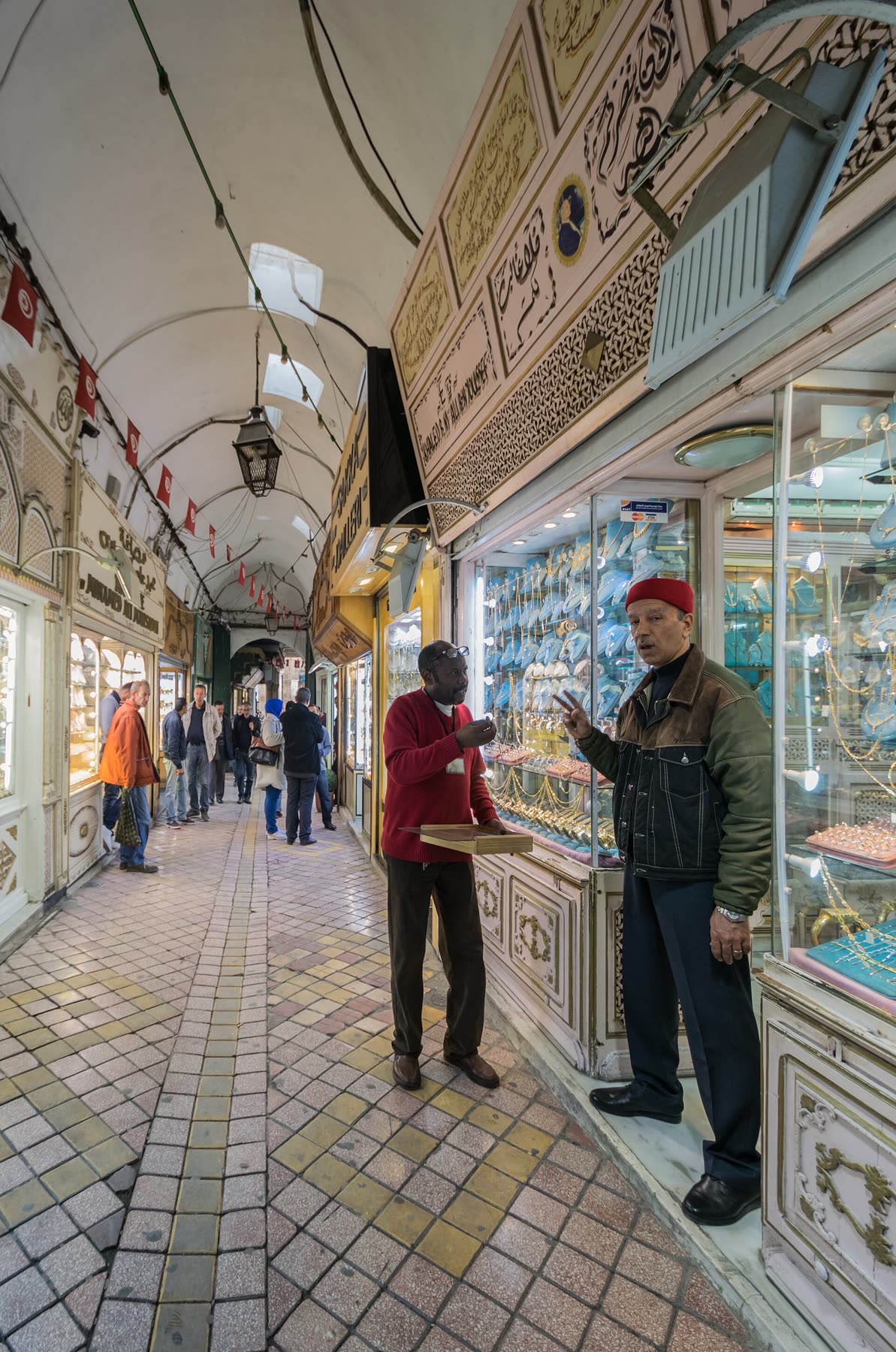
Query-time DHgate listing example
Observed on 2026-10-13, High-end jewelry necklace styles for men, women and gender-neutral appeared in Chokers. This is a time-bound, illustrative listing example, not an endorsement; availability and listing details may change. Verify the specifications, seller evidence, applicable compliance, and any intellectual-property or commercial-use rights required for the intended use. A sample can test the physical product, but it cannot establish legal permission or licensing.
Using DHgate as One Men’s Jewelry Sourcing Option: MOQ, Variety, and Limits
DHgate’s own editorial material describes it as a China-based B2B marketplace with a very large number of jewelry listings, including men’s styles, hip hop collections, and stainless steel pieces. Around the same ecosystem, it’s often positioned as friendlier to smaller wholesale buyers because minimum order quantities for many suppliers tend to be lower than on some traditional B2B sites.
A snapshot of current DHgate listings (retrieved 2026-10-13) shows the kind of men’s jewelry coverage you can expect, with prices given as ranges that can change over time:
- A men’s stainless steel bracelet labeled as “versatile and high-end, trendy popular jewelry, women’s simple retro hip-hop accessories wholesale” in the Other Bracelets category lists around $14.69–$20.19 per lot from one supplier (product page). The description suggests it targets both men’s and unisex hip hop looks.
- A stainless steel chain hollow ring for men described as “trendy and high-end, non-fading jewelry” in the Solitaire Ring category shows pricing around $27.38–$33.74 (product page). That’s typical of statement men’s pieces in steel.
- A 925 sterling silver chain bracelet for men and women noted as “Noble Wedding Gift Party Fashion Jewelry Christmas Gifts” in Wedding Bracelets sits roughly at $10.48–$10.97 (product page), showing that sterling men’s bracelets also appear in mixed-gender categories.
- A listing where “The source factory undertakes custom processing of titanium steel jewelry according to drawings samples for Jewelry bracelets” in the Bangle category is priced around $45.43–$51.63 (product page). This signals that some DHgate sellers explicitly offer custom work off buyer drawings, which can matter for branded men’s lines.
- A “Series luxury jewelry Nail Stainless Steel Bracelet Simple Versatile Style” bangle, with reviews, sits around $19.14–$20.05 (product page), illustrating mainstream stainless bracelet pricing on the platform.
Where DHgate tends to work for US small buyers:
- You want variety in men’s SKUs – hip hop, minimalist, stainless – without committing to very high factory MOQs.
- You’re open to buying from multiple suppliers and are willing to manage sampling and basic due diligence on each listing.
- You might test a style on DHgate, then, if it performs, either stay with that supplier or eventually move into a more formal factory relationship.
Where other routes might be better:
- You need deep customization and tight production control across a full men’s collection; a dedicated factory or brand-focused wholesaler can be easier to manage over time.
- Your brand cannot tolerate inconsistent specs – for example, varying chain thickness or plating quality across batches – and you prefer to lock standards in a single contract manufacturer.
Before choosing a DHgate supplier, use Choose a DHgate wholesale supplier.
If you decide DHgate is worth testing, treat it as one channel in your mix rather than your entire strategy. Start with a few targeted suppliers, use samples to validate materials and plating for your men’s audience, and only then layer in higher-volume or semi-custom work. For more on finding and vetting specific DHgate suppliers, you can look at routes described in Find wholesale suppliers on DHgate or Find DHgate suppliers once you’re ready to go deeper on seller selection.