
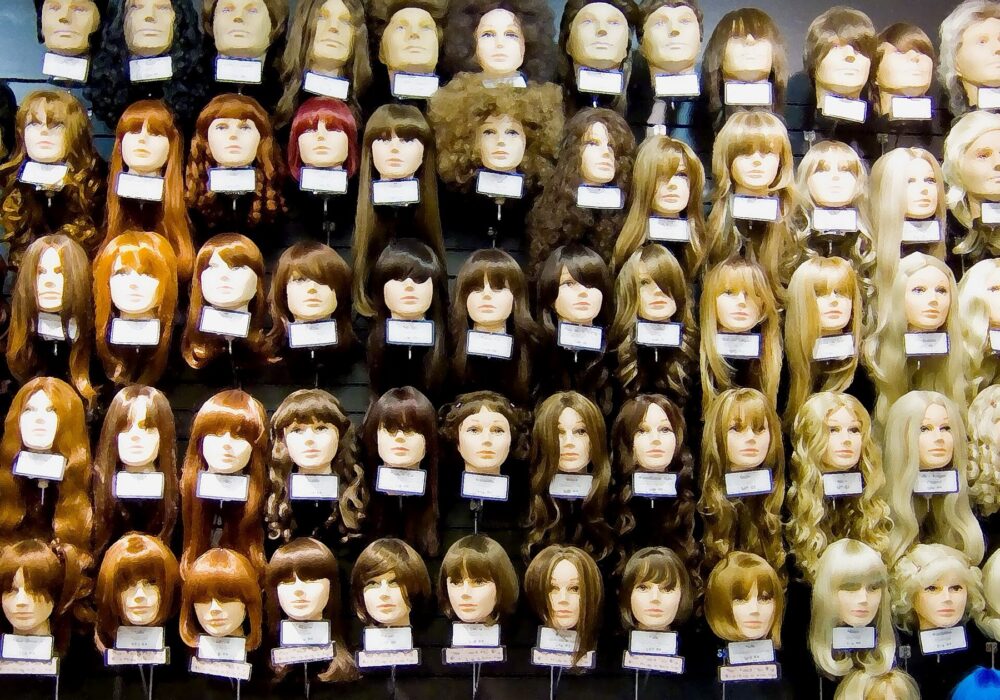
Wholesale lace wigs and hair supplies means buying wigs, extensions, and related accessories in bulk from manufacturers or distributors so you can resell them through a salon, boutique, or online store. For a US‑based business, this often involves cross‑border suppliers in China, Vietnam, or other manufacturing hubs, plus marketplaces like DHgate, Alibaba, and AliExpress. DHgate is one of the marketplaces that editorial sources say carries a broad hair catalog, but it’s only one of several viable channels you should weigh.
How Wholesale Lace Wigs and Hair Supplies Work in Practice
Wholesale lace wigs and hair supplies cover a fairly specific basket of products:
- Lace front and full lace human hair wigs (13×4, 360, HD lace, etc.)
- Bundles and wefts
- Closures and frontals
- Clip‑ins, tape‑ins, and other extensions
- Wig caps, adhesives, tint sprays, and styling products
Industry sources like HobbyBeauty and wholesale.rpgshow.com describe wholesale deals as bulk purchases for resale directly from manufacturers or authorized distributors. You’re not just buying a few units; you’re securing ongoing supply of specific textures, densities, and lengths that match your brand.
Factory‑style vendors illustrate what this looks like:
- APOHAIR positions itself as a factory supplier of human hair wigs with a wholesale program, and it runs dedicated lines for full lace wigs designed for flexible parting and styling. You can see this structure on APOHAIR’s wholesale wigs page and its full lace wig section.
- Dorin Wigs runs a wholesale program for human hair wigs, bundles, and extensions. Access is via a wholesale application, showing that some brands gate their B2B pricing and terms rather than opening them to the public (Dorin’s wholesale application).
- Pure Hair Factory markets itself as a wholesale human hair supplier with wigs, bundles, and extensions under one roof (Pure Hair Factory wholesale).
These examples reflect the broader structure: production happens mainly in Asia; hair is sorted, processed, and ventilated into lace bases; then finished products are sold via factory‑direct websites, B2B programs, and third‑party marketplaces. Your job is to decide whether to buy directly from a factory, via a marketplace like DHgate, or through a US‑based distributor that has already imported and warehoused the hair.
Choosing and Vetting Lace Wig Vendors for a First Wholesale Order
Industry guides such as GlaHair’s overview of global hair vendors stress three core criteria for wholesale buyers: product quality, reliability, and pricing. For lace wigs and supplies, those criteria translate into very specific checks.
1. Assess product quality with targeted samples
Don’t treat a wig sample like a t‑shirt sample. Ask for:
- At least two lace types (e.g., HD lace and standard Swiss lace) so you can check softness, tinting behavior, and how well the lace disappears on different skin tones.
- Different densities and lengths in your core styles (say 18″ and 24″ body wave) to see if the vendor’s density claims feel accurate on the head.
- A closure or frontal from the same hair batch as the wig, which exposes whether they mix hair qualities.
When the samples arrive, do salon‑style tests: light bleach around the hairline, comb‑through to check shedding, and a basic wash‑and‑air‑dry. Treat failures as data. If knots go orange or the lace turns stiff, you have a preview of what your customers will experience.
2. Check reliability and communication before you scale
Reliability isn’t just shipping speed; it’s whether the vendor can repeatedly deliver the same hair. Signals to look for:
- Clear product catalogs with consistent naming for lace types, textures, densities, and cap constructions (factories like APOHAIR and Pure Hair Factory use structured product families; that’s a good sign of process).
- Stable contact channel (email, WhatsApp, or a ticket system) where one person actually owns your account and can answer questions about repeat orders and customizations.
- Honest limits about what they can and can’t do. Dorin Wigs’ use of a wholesale application, for example, suggests they’re selective about which partners they take on and under what terms.
Red flags include evasive answers on hair origin, inconsistent explanations of “HD” lace, or pressure to skip sampling and go straight to a bulk order.
3. Make pricing useful by tying it to your strategy
Price only matters in context. Ask each potential vendor for:
- Tiered unit pricing by quantity (e.g., price per wig at 10, 50, and 100+ units).
- Any mixed‑style allowances (can you combine lace fronts and closures to hit a tier?).
- Quotes that separate product cost from freight, so you can compare landed cost across channels.
Then map those numbers against your business model: a US salon might accept a slightly higher unit cost from a US distributor in exchange for faster replenishment and easier returns, while a pure online store focused on price could lean into factory or marketplace suppliers with lower baseline pricing and more variety.
Purchasing, Channels, and When DHgate Makes Sense
Once you’ve shortlisted vendors, you still have to pick a channel: marketplace, factory‑direct, or local distributor. Each option offers different control and risk.
Here’s a compact comparison so you can see how DHgate fits into the mix:
| Channel type | Typical strengths (editorial judgment) | Common trade‑offs (editorial judgment) |
|---|---|---|
| Cross-border multi-seller marketplace | Large catalog; many hair suppliers; good for variety and testing | Quality consistency varies by seller; cross‑border logistics to manage |
| Alibaba/AliExpress | Deep factory access; B2B tooling; visible ratings/reviews | More negotiation and research overhead |
| Factory‑direct site | Tight control over product lines; direct relationship | Fewer brands per site; may require higher MOQs |
| US distributor | Faster domestic shipping; simpler import and returns | Higher prices; narrower selection of textures/styles |
How DHgate is positioned for hair buyers
DHgate’s editorial blog describes DHgate as a one‑stop marketplace with hundreds of thousands of SKUs, including hair extensions, human hair wigs, and related beauty items. Blog posts highlighting wholesale hair vendors say that DHgate has a broad hair catalog, covering virgin hair products and Brazilian straight and curled wigs, with and without lace, plus extensions and eyelashes.
That makes DHgate a practical option when you:
- Want to test several independent suppliers quickly with small trial orders.
- Need access to different construction styles (lace front, full lace, 360, bundles) without committing to a single factory.
Because we don’t have current listing‑level data in this article, you should treat DHgate like any large marketplace: search for lace wigs and hair supplies using specific terms (e.g., “HD lace front human hair wig”, “full lace wig 180 density”), then scrutinize each seller’s catalog and evidence before ordering. For deeper, DHgate‑specific search and vetting steps, you can use guides such as Find wholesale suppliers on DHgate, Find DHgate suppliers, and Choose a DHgate wholesale supplier.
Worked example: a first cross‑border lace wig order
Here’s how a US salon or ecommerce startup might structure its first wholesale experiment:
- Define a narrow test assortment. For example: 10 HD lace front wigs (body wave, 18″–22″), 10 matching frontals, and basic wig caps and adhesives.
- Pick 2-3 suppliers across channels. One factory‑direct (e.g., APOHAIR or Pure Hair Factory), one DHgate seller, and one US distributor. Request or buy samples first.
- Compare landed cost and performance. For each supplier, calculate total cost (products + shipping + duties/fees) divided by usable units, then weigh that against quality test results and delivery experience.
- Lock in your primary vendor. Use the data to decide whether your main lace wig line should be built on a factory‑direct relationship, a DHgate marketplace supplier you trust, or a US distributor, and keep the others as backup.
If you find that cross‑border sourcing saves money but introduces too much complexity for your team, you can keep DHgate and other marketplaces as “special order” channels while relying on a domestic wholesaler for core inventory.
Making Your Channel Choice
Wholesale lace wigs and hair supplies can absolutely work for US salons and ecommerce brands, but the right sourcing path depends on how much control and risk you’re willing to take on.
- Choose a US‑based distributor if predictable quality and simpler operations matter more than rock‑bottom unit prices.