
If you want the best wholesale kimono suppliers for a U.S. boutique or online store, start by choosing your niche: lightweight boho kimono cardigans and cover‑ups are usually sourced from fashion wholesalers and China‑based manufacturers, while authentic or vintage Japanese kimonos come from specialist dealers in Japan or U.S. importers. Once you know which you need, you can compare boutique platforms, vintage kimono wholesalers, and big B2B marketplaces, then place small test orders with one or two vetted suppliers before scaling.
How the Wholesale Kimono Supply Market Works
“Kimono” in wholesale often means two very different things:
- Fashion kimonos / cardigans / cover‑ups
These are the flowy, open‑front pieces your customers wear over jeans or swimwear. Sites like Wholesale Fashion Square position their kimono category as popular with boutique shoppers, offering cardigan‑length, duster‑length, and vest styles in printed chiffon or lightweight knits. Production is usually in China or other Asian manufacturing hubs, optimized for price and trend turnover rather than cultural authenticity.
- Authentic or vintage Japanese garments
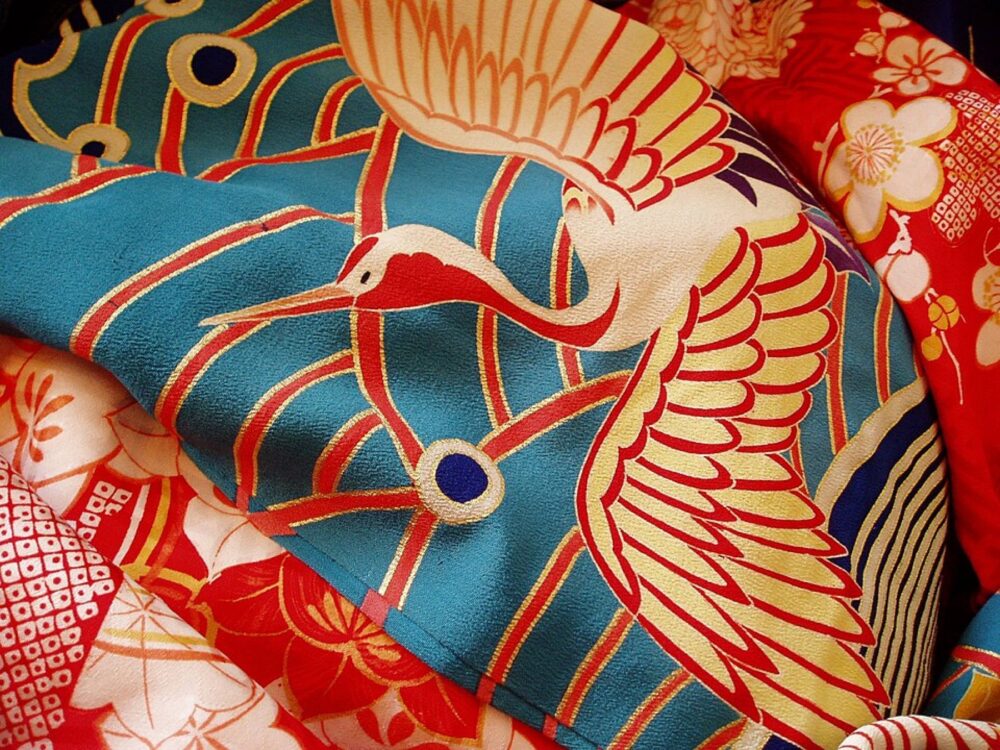
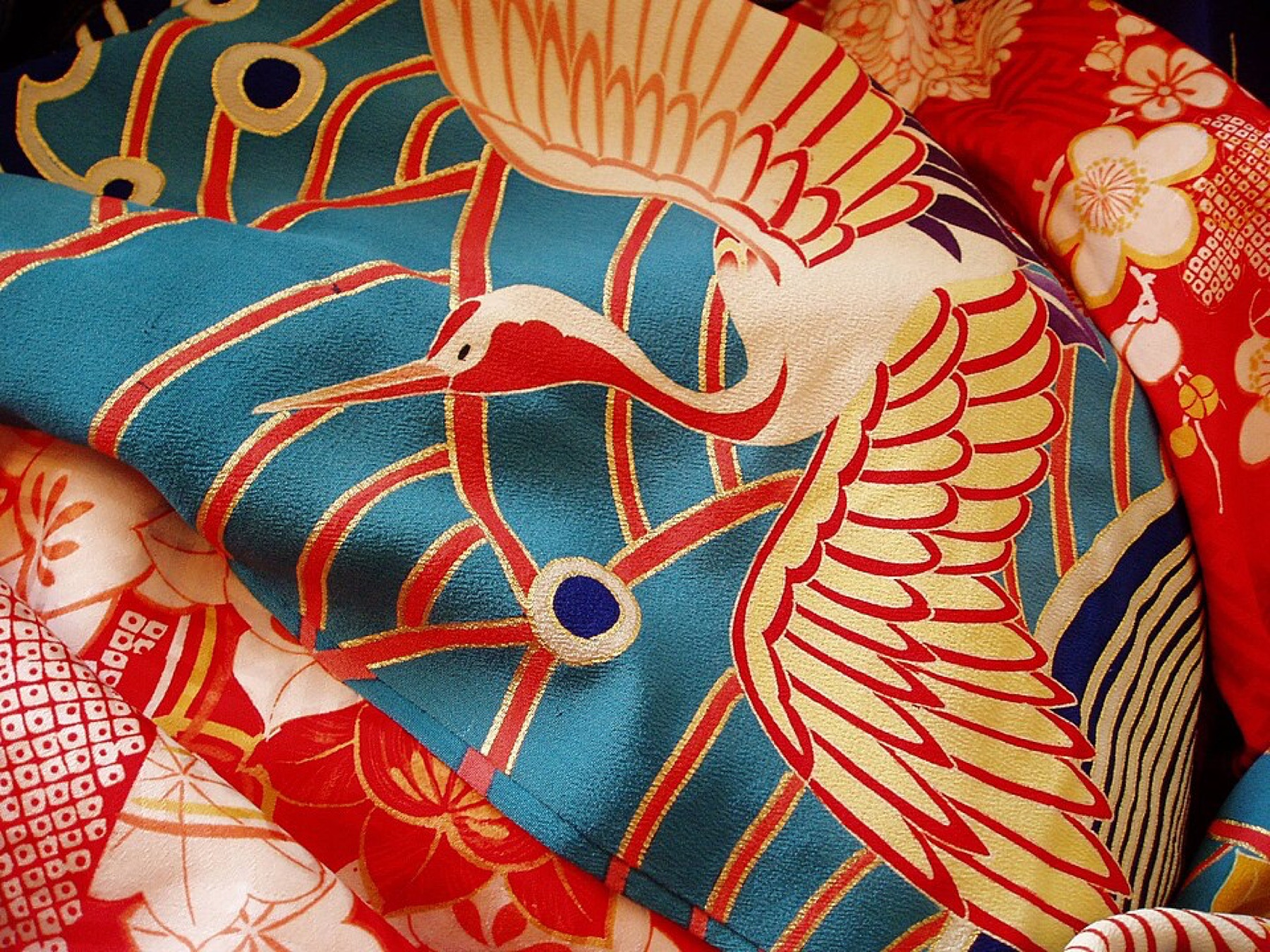
Here we’re talking traditional kimono, haori, juban, and obi, often silk or high‑quality synthetics, sometimes used, sometimes new old stock. Suppliers like Yokodana sell vintage Japanese kimono garments by weight, starting at 10‑pound mixed lots, while Ohio Kimono advertises bulk kimono, haori, juban, and kitsuke accessories with U.S. shipping. These businesses typically import from Japan and then redistribute from within the U.S., which can simplify customs for small buyers.
That split matters. A beachwear boutique in Florida usually needs fashion kimonos that feel like cover‑ups; a cosplay‑heavy store or Japanese culture niche may need garments that are clearly described as Japanese-made or vintage. Decide which segment you’re in before you start hunting suppliers.
Finding and Vetting Wholesale Kimono Suppliers Online
Once you know your niche, you can approach different supplier types in a structured way.
1. Fashion‑forward kimono wholesalers
For trendy cardigans and cover‑ups, look at fashion wholesale platforms and brand‑run wholesale sites:
- U.S‑accessible fashion wholesalers such as Wholesale Fashion Square showcase kimono vests, shawls, and cardigans as a core category. Expect assortments split by length and print, aimed at independent boutiques.
- Wholesale discovery platforms like Faire list many small brands under a “Kimonos & Kaftans” category, giving you a range of aesthetics and price points.
Concrete vetting moves here include:
- Catalog and consistency check: Are kimono styles coherent with your brand (boho, resort, minimalist)? Are fabric content and care labels clearly stated across listings?
- Brand positioning: Does the wholesaler market these as boutique‑quality pieces or as basic imports? That framing often tracks to the materials and finishing you’ll receive.
2. Vintage and authentic Japanese kimono sources
If your store centers Japanese garments, you’ll want suppliers that are explicit about origin and condition.
- By‑weight vintage lots: Yokodana offers 10‑pound+ wholesale lots of vintage kimono garments. This model suits upcycling, fabric resale, or creative boutiques willing to process mixed conditions and styles.
- Bulk authentic garments: Ohio Kimono promotes bulk kimono, haori, juban, and accessories with U.S. shipping. Their focus is on Japanese garments rather than generic cosplay robes.
For these suppliers, vetting should focus on:
- Condition grading: Do they describe typical wear, age ranges, stains, or repairs? Vintage kimono lots can vary widely, so you want realistic descriptions.
- Use rights and cultural framing: They should avoid exaggerating claims like “museum‑grade” or “royal” unless clearly substantiated. You’re buying garments, not historical artifacts.
3. Large B2B marketplaces
Platforms like Alibaba list thousands of “kimono suppliers”—factories, trading companies, and distributors offering fashion kimonos, robes, and cosplay outfits.
Here, you’re not vetting one company but choosing from many. Make your short list using filters and signals such as:
- Narrow by product type (“women’s kimono cardigan” vs “cosplay kimono costume”) and fabric.
- Prioritize suppliers with detailed product photos, clear fabric compositions, and a track record of orders and reviews on that marketplace.
Typical red flags across any online supplier:
- Extremely broad catalogs (everything from phone cases to kimono) with no fashion focus.
- Vague product descriptions like “good fabric” without fiber content or weight.
- No wholesale structure—no mention of case packs, MOQs, or bulk pricing.
Order Sizes, Pricing, and Choosing the Right Channel
Wholesale kimono pricing and logistics vary more by channel than by the word “kimono” itself. Think in terms of what you’re really buying: trend‑responsive fashion, curated boutique pieces, or bulk garments for creative reuse.
How different channels usually work
Here’s a compact view of how the main channels tend to compare for a U.S. buyer:
| Channel type | Typical products | Order style | Who it fits best |
|---|---|---|---|
| Fashion wholesaler (e.g., WFS) | Trendy kimono cardigans, vests, shawls | Case packs or style runs at boutique MOQ | Small boutiques, resort shops |
| Vintage/importer (e.g., Yokodana, Ohio Kimono) | Vintage or authentic Japanese garments | By‑weight lots or bulk assortments | Upcyclers, culture/cosplay stores |
| B2B marketplace (e.g., Alibaba) | Factory‑made fashion, robes, cosplay | Negotiated MOQs, direct from supplier | Price‑sensitive, scaling ecommerce |
These are editorial patterns, not fixed rules; each individual supplier can differ. Use them as guardrails while you compare.
Key cost and logistics questions
Regardless of channel, your real unit cost is shaped by:
- MOQ and assortment: Fashion wholesalers often ask you to buy full packs per style/size. Vintage by‑weight lots lock you into a minimum weight even if styles are mixed.
- Landed cost: Add product cost, international or domestic shipping, customs, and any platform or payment fees. A by‑weight kimono lot may look expensive per pound but provide many resellable pieces; a cheap factory kimono may be eaten up by international freight.
- Lead times: Boutique wholesalers and U.S. importers usually ship faster for in‑stock goods, while factory orders (especially customized ones) can take longer.
Where marketplaces like DHgate can fit
Large China‑based B2B marketplaces can be useful if you want low‑cost, trend‑driven kimono cardigans or beach cover‑ups directly from manufacturers. DHgate, for example, is described in its editorial blog as a leading China‑based B2B marketplace that lists many clothing categories for dropship and wholesale buyers, including apparel similar to fashion kimonos.
If you decide to explore DHgate as one route among others:
- Treat each seller storefront as its own business; evaluate their kimono or cover‑up assortment, product photography, and fabric descriptions rather than relying on the marketplace brand alone.
- Use internal DHgateWiki resources like how to find wholesale suppliers on DHgate, find DHgate suppliers, and choose a DHgate wholesale supplier to structure your seller checks and test orders.
DHgate and similar marketplaces make sense if you’re comfortable doing more vetting and want direct‑from‑factory pricing for fashion‑style kimono pieces. If your concept depends on authentic Japanese garments or curated vintage, boutique wholesalers and specialized kimono importers will be a better fit.
One practical sourcing scenario
- Boho beach boutique in California: Start with a fashion wholesaler or Faire‑listed brand for on‑trend kimono cover‑ups. Order small packs across a few prints, test customer response and quality, then add a second supplier or experiment with a vetted B2B marketplace seller once you’ve dialed in your preferred fabrics.
- Cosplay and Japanese culture store: Begin with a small wholesale lot from a vintage specialist such as a by‑weight supplier, plus a curated selection from a U.S. importer of Japanese kimono. Use those early orders to learn which types (furisode, haori, juban) sell best before scaling into larger bulk purchases.
Starting with one or two carefully chosen suppliers, placing modest trial orders, and expanding only after you see real garments in hand is the safest way to build a kimono assortment that matches your niche and budget.