
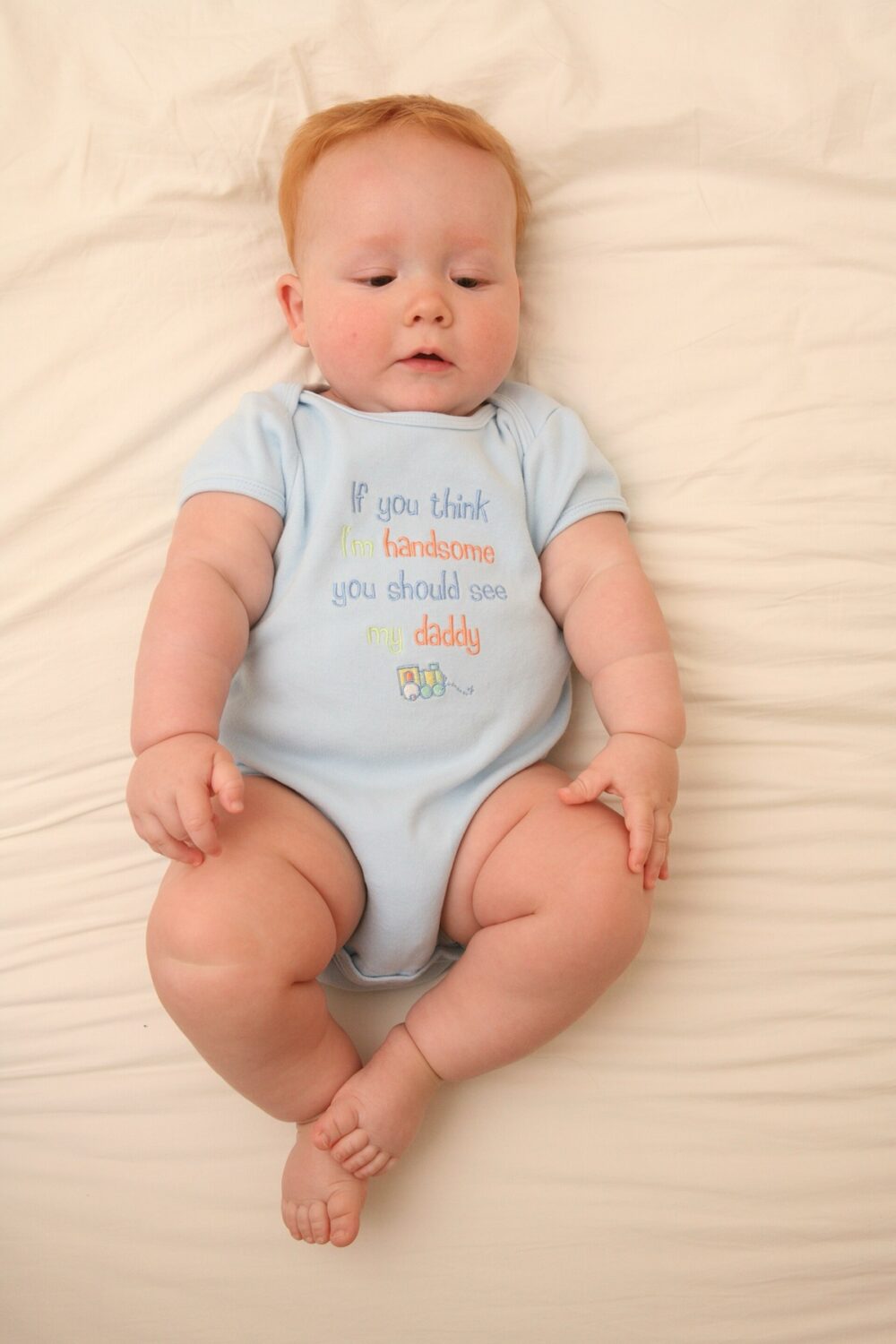
Wholesale infant and baby clothing means buying garments like onesies, rompers, bodysuits and sleepwear in bulk at discounted per-piece prices so you can resell them for a margin. For a small US ecommerce shop, your real decision is choosing a sourcing channel—US wholesalers, cross-border marketplaces like DHgate, or direct factory relationships—and then structuring orders (MOQs, samples, and repeat buys) in a way that protects both your customers and your cash.
How Wholesale Infant and Baby Clothing Works for Small US Sellers
Wholesale baby clothing is simply bulk purchasing of infant garments at trade pricing for resale. Typical products include:
- Everyday basics: short- and long-sleeve onesies, bodysuits, rompers, leggings.
- Sleepwear and loungewear: footed pajamas, sleep sacks, two-piece sets.
- Outerwear and outfits: dresses, cardigans, seasonal sets.
Industry overviews like Apparel Search’s wholesale baby clothing page highlight how common this category is in global apparel. Demand for baby clothing is relatively steady—babies keep being born, and parents keep needing clothes—so manufacturers, wholesalers and distributors in multiple countries offer infant apparel in bulk.
For a US microbrand or Shopify store, the supply-chain options typically look like:
- US wholesalers and brands. Companies such as Royal Apparel or Soft Bebe (via softbebe.com) focus on infant clothing, often emphasizing cotton or organic materials and sometimes made-in-USA production. Many sell blank onesies and rompers you can print or embroider.
- Chinese and other cross-border marketplaces. Platforms like DHgate connect overseas manufacturers and trading companies to international buyers, often with small MOQs and wide style variety. Editorial material from DHgate itself describes the baby-clothes segment as stable and promotes test batches and dropshipping as entry points for new sellers.
- Factory-direct or trade shows. Larger or more advanced sellers may negotiate directly with factories (in the US, China, or elsewhere) or source via trade shows. This usually means higher MOQs but more control over specs and branding.
Your choice depends on your brand promise: if you’re selling “organic, made-in-USA basics,” a niche US wholesaler is logically aligned. If you’re chasing fast fashion prints and low starting capital, a cross-border marketplace like DHgate will feel more flexible.
Evaluating Baby Clothing Suppliers and Channels
Baby clothing is a sensitive product: it touches skin all day, goes in mouths, and must withstand frequent washing. So your supplier checks need to go beyond generic “good reviews” and into materials, construction and documentation.
Product and material checks
When you evaluate a supplier (US or cross-border), make these baby-specific checks:
- Fabric content. Look for clear fiber descriptions (e.g., 100% cotton, cotton/spandex blend). US brands like Royal Apparel position their organic infant lines as cotton-focused; your overseas suppliers should be just as specific.
- Dye and print quality. Ask about colorfastness and washing performance. For cross-border orders, request fabric swatches or finished samples before committing to a larger batch.
- Construction details. Inspect snaps, seams and labels on samples. Loose threads, sharp edges on snaps, or rough neck labels are all customer complaints waiting to happen.
Supplier signals on DHgate vs US wholesalers
On DHgate, you’re not dealing with a single company—you’re choosing among many sellers. DHgate’s own editorial blog describes several marketplace signals:
- Low typical MOQs. Many DHgate sellers allow small orders—even single-piece purchases—though each seller sets its own rules.
- Tiered pricing. Prices drop per unit as your order quantity increases; the blog highlights this as a core feature of the platform.
US wholesalers operate differently. You’ll often see:
- Company-owned sites with clear catalogs and brand positioning (e.g., organic infant blanks, boutique outfits).
- Formal wholesale account setup and possibly resale documentation.
- Less variety per site but tighter control over materials and compliance.
Here’s a compact comparison of what you can expect to manage as the buyer:
| Channel | Typical MOQ behavior | Variety & customization | How you judge suppliers |
|---|---|---|---|
| DHgate marketplace | Often small; set per seller | Wide range of styles; some custom options | Listing details, badges, reviews, direct messaging |
| US niche infant wholesalers | Cartons/case packs more common | Focused niches (organic, blanks, boutique) | Brand site info, terms, samples, B2B references |
| Large factory-direct deals | High MOQs | Full spec control but complex | Contracts, certifications, in-depth sampling |
In all cases, you need to collect written information: product specs, fiber content, any claims around materials (e.g., “organic”), and your agreed quantities.
A practical supplier message template
When you contact a new supplier—especially on DHgate—stay specific. Here’s a lean template you can adapt:
Hi [Name],
>
I run a small baby-clothing shop in the US and I’m interested in your [product link / style code].
>
Can you confirm:
>
1. Fabric composition and available colors.
2. Minimum order quantity and price tiers for 50, 100 and 200 pieces.
3. Whether you offer samples and the cost.
4. Lead time to dispatch after payment.
>
I’m looking for consistent reorders if the quality fits. Please attach any product spec sheets or photos you have.
>
Thank you,
[Your Name]
Send similar messages to a US wholesaler through their contact form; just tweak the quantity ranges to match their pack sizes.
Risk and red flags to watch for
For baby clothing, treat these as warning signs:
- Vague or changing fabric descriptions between messages and listing text.
- Reluctance to provide samples or detailed photos.
- Badly translated listings that contradict themselves (e.g., calling an item both “organic cotton” and “polyester blend”).
- On DHgate, a seller with no clear track record and sparse product information.
If you’re focusing heavily on DHgate, it’s worth reading broader marketplace guidance first. Articles like Find wholesale suppliers on DHgate and Find DHgate suppliers break down how to interpret badges and listing evidence with more detail.
Structuring Orders, MOQs, and Costs: Making DHgate and Alternatives Work
Once you’ve picked a channel, your profit and risk hinge on how you structure orders—starting small without overpaying, then scaling only what sells.
Using low MOQs and dropshipping on DHgate
DHgate’s own editorial describes two main baby-clothing business models for buyers:
- Inventory purchasing. You buy a batch from a seller, import it, and store it yourself. Low seller-set MOQs mean you can test with relatively small quantities.
- Dropshipping-style arrangements. Some DHgate-sourced models let you list products in your store and have a third-party supplier handle inventory and order fulfillment, with you earning a commission per sale.
For a new US shop, a common path is:
- Use DHgate to place very small test orders across multiple styles (or request samples) to learn how fabrics and construction feel in person.
- Keep your initial inventory light—just enough to test demand and sizing feedback.
- If you find a strong seller listing and good customer response, negotiate clearer pricing tiers and consider whether a dropshipping setup is feasible for your fulfillment needs.
If you prefer US-only inventory, you can use a similar testing mindset but through US wholesalers: smaller case packs of blank onesies from a brand like Royal Apparel or Soft Bebe, then larger buys once you see sell-through.
Simple landed-cost example (hypothetical)
To compare channels, you need a rough landed-cost calculation. Here’s a simplified example for 100 bodysuits; numbers here are illustrative only, not actual quotes:
- Unit product price (DHgate seller tier for 50-100 pcs): $X
- Quantity: 100
- Product subtotal: 100 × $X = $100X
- International shipping, duties, and fees: $Y
Your landed cost per unit is:
(Product subtotal + shipping and import costs) ÷ quantity
So if $100X = $250 and $Y = $80, landed cost per bodysuit would be:
($250 + $80) ÷ 100 = $3.30
You’d contrast that with, say, a US wholesaler offering blanks at a higher unit price but lower logistics friction. Even if the US unit cost is, for example, $4.00, you might gain on simplicity, faster replenishment and clearer material claims.
Use this same framework for dropshipping decisions, but factor in:
- The wholesale price you pay per shipped order.
- Any platform or service fees.
- Your retail price and expected conversion rate.
Structuring repeat orders and avoiding inventory traps
Whether you’re using DHgate or a US wholesaler:
- Scale with evidence. Only reorder styles that have sold through and earned positive feedback from parents (fit, softness, wash performance).
- Lock in specs. Once you find a winning product, document fiber content, GSM/weight if possible, and color codes so future batches match.
- Split risk across suppliers. It’s reasonable to source organic blanks from a US brand like Royal Apparel while testing print-heavy fast-fashion styles via a DHgate seller.
If you decide DHgate is a core sourcing channel, read more focused guidance such as Choose a DHgate wholesale supplier to refine your shortlists and messaging.
The smartest baby-clothing sourcing strategies use DHgate for flexibility and experimentation, US wholesalers for clear niche positioning and sometimes better documentation, and structured test orders to keep your exposure low until you have solid, real-world feedback from parents.