
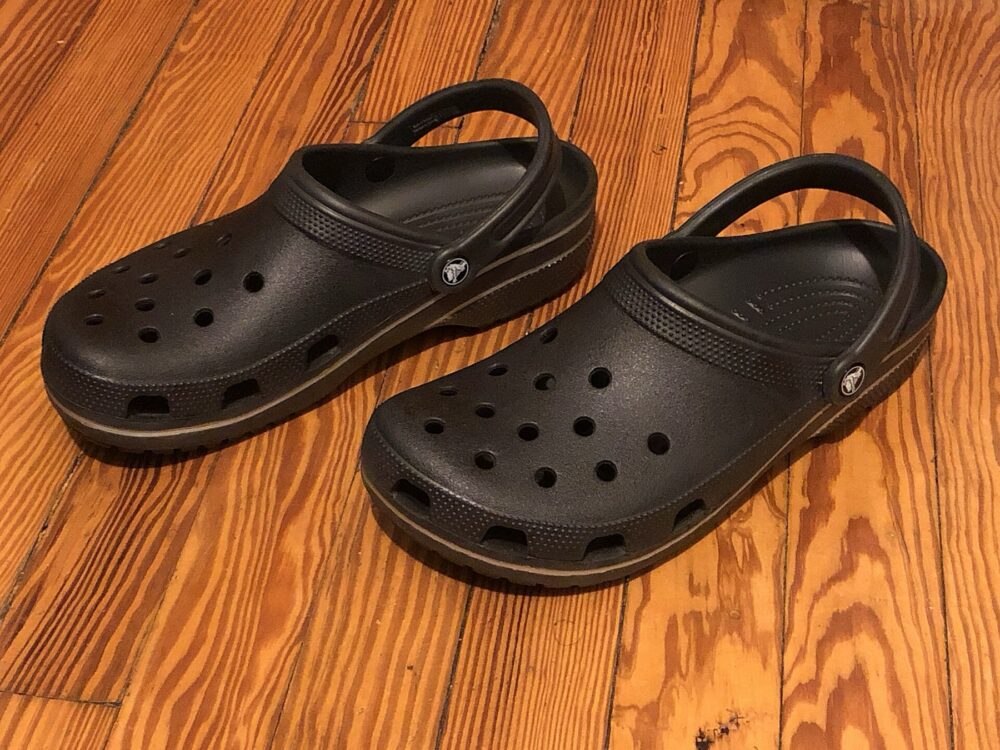
The key decision you face is which kind of clog inventory you want: brand-authorized Crocs, generic EVA clogs that mimic the look, or liquidation pallets of mixed-condition Crocs. Each comes from a different supply chain, with different risks, margins, and order sizes. The sections below walk through how this category is supplied, how to vet suppliers across channels (including DHgate), and where low-MOQ marketplaces realistically fit for US resellers.
How Wholesale Crocs-Style Clogs Are Supplied and Priced
Crocs-style clogs sit in three wholesale buckets:
- Brand-authorized Crocs stock – Crocs, Inc. is a US footwear company known for lightweight molded clogs made from proprietary Croslite material, sold in many colors and styles according to Wikipedia. Wholesale access to true, current-season Crocs usually comes through authorized distributors, regional wholesalers, or brand programs. Pricing is higher, assortments are structured (e.g., size runs across core colors), and you’re expected to follow brand rules on MSRP and presentation.
- Generic EVA clogs – These are Crocs-style shoes produced by independent factories, typically in China or other low-cost manufacturing regions. They use EVA or similar foam and copy the classic vented upper and heel strap. OEM factories often promote “EVA clogs wholesale” or “custom logo EVA clogs” and can supply anything from basic solids to on-trend prints. Assortments are flexible (you can negotiate colors and sizes), quality varies widely, and pricing per pair is lower, especially at container-scale volumes.
- Liquidation pallets and surplus lots – Some US liquidation firms and European surplus sellers offer “Crocs wholesale” or “Crocs pallet” stock: mixed lots of branded clogs, often including returns, shelf pulls, and out-of-season styles. Listings on liquidation sites describe pallets of “Crocs footwear liquidation” or “mixed condition” lots, indicating a blend of new, like-new and damaged pairs. Per-pair cost can be very low, but assortments are unpredictable and you inherit defects and odd sizes.
From a pricing standpoint, you usually see:
- Higher per-pair cost, more predictable sell-through with brand-authorized Crocs.
- Mid-to-low per-pair cost, room for private label margins with generic EVA clogs.
- Lowest headline per-pair cost but highest write-off risk with liquidation pallets.
For a small US business, brand stock is often out of reach unless you already have a relationship or meet volume and compliance requirements. That’s why many retailers start with generic EVA clogs or liquidation lots and graduate to brand programs later if their volume justifies it.
Selecting and Vetting Wholesale Clog Suppliers Across Channels
You’ll encounter four main supplier types: US footwear distributors, liquidation sellers, cross-border OEM factories, and B2B marketplaces like DHgate that aggregate many small suppliers. The practical question is how you pick a few to actually engage.
Here’s a simple checklist you can apply across channels:
- Clarify inventory type: Ask directly whether the clogs are genuine Crocs with traceable paperwork, generic EVA clogs, or liquidation/returns. A liquidation pallet seller’s description may mention “mixed condition” or “customer returns”; a generic factory will talk about materials, molds, and customization rather than brand authorization.
- Request specific product data: For OEM or marketplace sellers, push for material spec (EVA density, strap hardware), weight per pair, available sizes, and colorways. That’s critical because low-grade EVA can compress and crack quickly, leading to returns.
- Demand photos of actual stock: For liquidation, request pallet photos and close-ups of labels to gauge condition and style mix. For generic clogs, ask for production photos or videos, not just catalog renders.
- Start with samples: Before a bulk buy, order a small test batch or sample set. Wear-test a pair, flex the strap repeatedly, and check how the color and texture feel compared with what your customers expect.
On DHgate specifically, the platform is described in its editorial content as a B2B cross-border marketplace connecting China-based manufacturers and suppliers with global buyers, including in shoe categories. Generic clogs there will usually be listed as EVA sandals or garden clogs rather than Crocs-branded footwear. When you browse:
- Filter search results to “shoes” and then narrow to clog-style designs.
- Compare multiple sellers offering a similar design to see who shows more detailed photos and material specs.
- Use DHgate’s seller information (years on platform, transaction history, any editorial badges) as one input while still insisting on samples and clear communication.
Quick channel signals table
This table summarizes how the supplier type often affects your due diligence focus:
| Supplier type | Typical inventory | Your main vetting focus |
|---|---|---|
| Brand distributor | Authorized Crocs stock | Contract terms, MAP compliance, size/color runs |
| OEM factory (China) | Generic EVA clogs | Material quality, mold design, customization, MOQ |
| Liquidation pallet firm | Mixed-condition Crocs | Condition mix, manifest accuracy, return rates |
| DHgate marketplace seller | Generic EVA clogs | Seller track record, listing detail, sample proof |
You don’t need all four in your mix. For many small US merchants, a realistic shortlist starts with one domestic distributor for basic clogs, one cross-border OEM or marketplace seller for more margin, and one liquidation source if your audience can absorb odd lots.
MOQ, Pricing, Logistics and Where DHgate Fits in Your Sourcing Mix
Domestic footwear distributors like Easy USA / Cheng’s Enterprise tend to work with case packs or pre-set assortments. You might buy 24-72 pairs of a clog in a standard size run and color mix. MOQs are moderate, units arrive quickly within the US, and you get relatively consistent quality on generic clogs, but your per-pair cost leaves less room for deep discounting.
DHgate editorial materials position the platform as a China-based B2B marketplace with millions of products and suppliers, including footwear categories. They highlight two tendencies that matter in this clog niche:
- Relatively low MOQs: Many DHgate suppliers allow buyers to purchase in small quantities at wholesale-style prices, which is friendlier for startups testing clogs than factory-direct MOQs.
- Tiered pricing: DHgate articles describe how larger order quantities tend to reduce the per-unit cost, giving you a way to step up volume gradually once you’ve validated demand.
Practically, that means DHgate can fit into your sourcing mix in three scenarios:
- Boutique or niche online shop – Use DHgate to test a few on-trend clog designs in small quantities, then switch to either larger DHgate orders or direct OEM once you see a clear winner.
- Discount or dollar-style store – Pair a domestic generic distributor for steady supply with periodic DHgate orders for novelty clogs you can sell at higher margin, while avoiding pallets that swamp your storage.
- Online-only reseller experimenting with private label – Start with non-branded EVA clogs via DHgate to gauge your customers’ appetite for certain shapes and colors, then negotiate logo printing or move to factory-direct contracts when your volume justifies the complexity.
Because DHgate is a marketplace and not a single supplier, your success with clogs depends on how rigorously you treat each seller: insist on samples, compare material quality, and be ready to walk away if communication is poor or specs are vague.
If you want more structured help on how to search and shortlist suppliers there, you can dig deeper into DHgateWiki’s coverage of marketplace sourcing: