
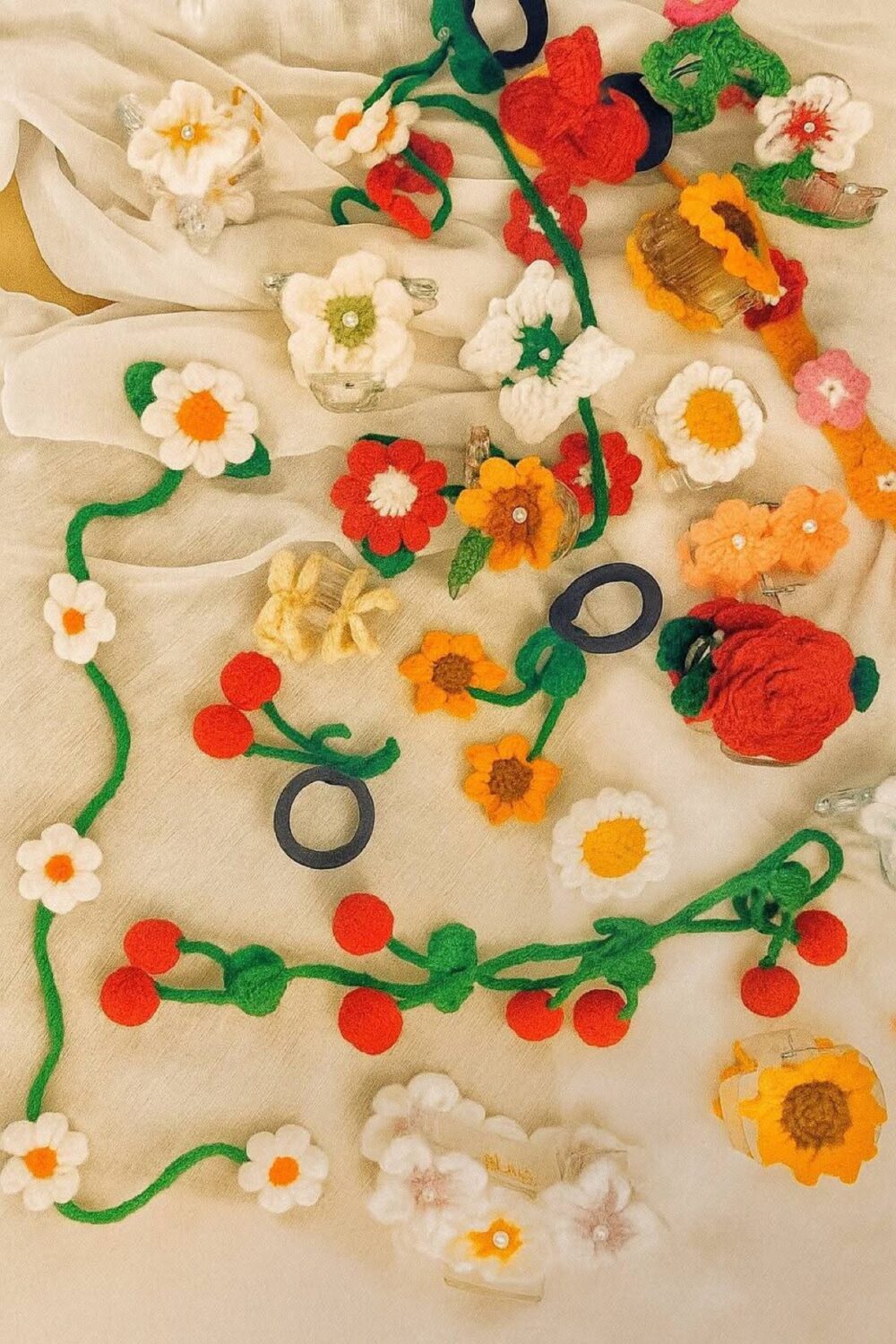
Wholesale crochet supplies and accessories are bulk materials, tools, and finished crochet goods sold at business-friendly prices—think cones of yarn, sets of hooks, stitch markers, and ready‑made blankets or amigurumi. As a US buyer, you can source these from domestic craft wholesalers, niche B2B marketplaces like Faire or CREOATE, and cross‑border platforms such as DHgate. DHgate connects international buyers with Chinese wholesalers and can be a useful channel for low‑cost tools and accessories, but it’s not automatically the best fit for every crochet business; the right mix depends on your product focus, volumes, and risk tolerance.
This guide focuses on three practical questions: how the crochet wholesale market is structured, how to vet suppliers (especially overseas), and where DHgate realistically fits against craft‑focused marketplaces and wholesalers.
How Wholesale Crochet Supplies and Accessories Are Produced and Sold
Wholesale crochet supplies and accessories cover the materials and tools crocheters need, sold in bulk to retailers or small brands at discounted per‑unit prices. That usually includes:
- Yarn (cotton, acrylic, wool blends) on skeins, cones, and large packs
- Hooks and sets, from basic aluminum to ergonomic and specialty sizes
- Notions: stitch markers, tapestry needles, tape measures, row counters
- Storage and display: project bags, yarn bowls, hook cases
- Finished goods: scarves, hats, blankets, toys, and kits built around crochet projects
Specialist craft wholesalers focus on this space. For example, AA Crafts offers sewing and crochet craft supplies to business buyers, and Everful Wholesale lists knitting and crochet supplies for wholesale purchase. Platforms like Hobium Yarns also carry yarn and related products for bulk buyers. These companies typically buy from mills and factories, then resell to small shops and online sellers on wholesale terms.
On the marketplace side, B2B platforms like Faire and CREOATE host crochet supplies and finished crochet products from many brands. You’re buying from independent vendors but through a common interface tailored to retailers—often with curated catalogs and brand stories.
Typical sourcing patterns by business type
- Yarn shops and fiber‑focused stores usually prioritize color consistency, fiber content, and predictable restock. They often lean toward specialist yarn wholesalers or platforms like Hobium and craft‑focused B2B marketplaces.
- Gift shops and online crochet boutiques may combine finished goods from small makers (via Faire/CREOATE or direct deals) with imported accessories like hooks, bags, and kits from cross‑border platforms.
- DIY and kit sellers might buy yarn domestically for reliability, then source tools, packaging, and extras like stitch markers from DHgate or similar marketplaces to keep kit costs down.
Understanding where you sit on that spectrum helps you decide how much you want to rely on cross‑border suppliers.
Vetting Crochet Suppliers and Managing Cross‑Border Purchasing
For crochet products, quality problems show up fast: squeaky hooks, yarn that sheds or bleeds dye, poorly finished toys, or inconsistent hook sizing. When you’re buying overseas, you can’t afford to discover these issues only after a large shipment lands.
Borrowing from sourcing guidance on DHgate’s editorial blog, plus general craft‑category practice, a practical approach looks like this.
Use samples as a non‑negotiable step
DHgate’s blog recommends requesting samples before larger wholesale orders, both to test quality and to avoid expensive mistakes. Treat this as mandatory for crochet:
- For yarn, check feel, weight, fiber content labeling, dye stability (simple hand‑wash test), and how it works up in common hook sizes.
- For hooks, verify size markings, smoothness, handle comfort, and whether the metal bends or chips under normal use.
- For finished goods, inspect stitching, stuffing, safety eyes or attachments, and whether small parts feel secure enough for your audience (especially children’s items).
Order enough variety (a few colors, sizes, or SKUs) to see consistency, not just one “hero” sample.
Evaluate suppliers using platform signals and direct questioning
DHgate’s own blog suggests checking seller ratings, reviews, and transaction history as core safe‑sourcing practices, plus communicating clearly with suppliers and monitoring orders. Applied to crochet:
- Ratings and reviews: Look specifically for mentions of yarn softness, color accuracy, hook quality, or durability rather than generic “good seller” comments.
- Order history: A supplier with repeated orders in “knitting/crochet” categories suggests they have ongoing demand from craft buyers.
- Targeted questions: Ask about fiber composition (and whether it’s tested), hook material and plating, safety standards for toys, and packaging options. See how precise and consistent the answers are.
Red flags specific to crochet products
- Yarn with vague fiber descriptions (“premium material” without content or care instructions).
- Hook sets that list inconsistent or non‑standard sizes.
- Amigurumi or toys with unsecured small parts shown in photos (eyes, beads) and no mention of age suitability.
- Listings that recycle identical product photos used across multiple unrelated sellers.
If you encounter these, either push for clearer information and updated samples or move on.
Structuring cross‑border orders to control risk
Start with smaller, diversified orders:
- Test 2-3 suppliers in parallel for a given product type (e.g., hooks) instead of betting everything on one.
- Keep early orders modest and treat them as extended sampling, even if you’re technically buying wholesale.
- Once a supplier proves consistent over a few cycles, increase quantities and consider limited customization (e.g., logo‑printed hook cases or branded stitch marker tins).
This mirrors DHgate blog advice to negotiate prices for larger orders—your leverage goes up once you’ve proved you’re a repeat buyer and the supplier has delivered solid product.
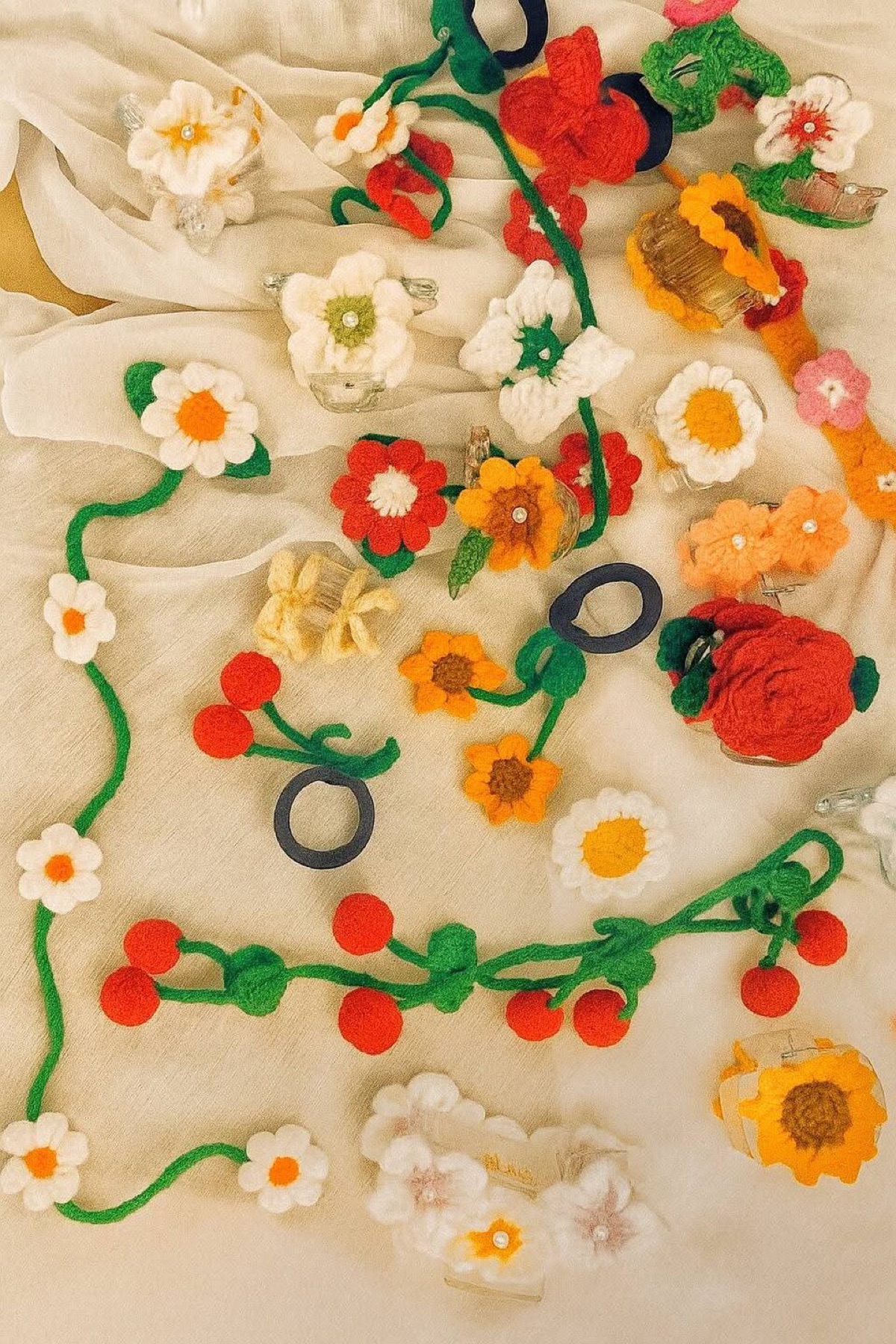
DHgate and Other Channels for Wholesale Crochet: When Each Makes Sense
You’re not choosing between “DHgate or nothing”. Most crochet businesses end up mixing channels. Here’s how DHgate compares to a few common options, based on their public positioning and catalogs.
Channel comparison by typical use case
| Channel type | Examples | Best for | Trade‑offs |
|---|---|---|---|
| Craft wholesalers | AA Crafts, Everful Wholesale, Hobium Yarns | Reliable yarn and standard notions with craft‑specific focus | Usually higher unit cost than direct import; catalogs may be narrower on accessories |
| B2B marketplaces | Faire crochet supplies, CREOATE crochet, Daiz Crochet wholesale | Finished crochet goods, branded kits, small‑maker products | Less suited for very low‑cost generic hooks/notions; per‑brand terms vary |
| Cross‑border marketplace | Cross-border multi-seller | Generic tools, accessories, packaging, some finished items at aggressive pricing | More legwork on vetting, sampling, and logistics; product quality can vary widely between sellers |
Where DHgate tends to fit
DHgate’s editorial blog describes it as an online marketplace connecting buyers with Chinese wholesalers, with tools like filters, supplier ratings, reviews, and transaction history to help evaluate sellers. In crochet, that usually translates to:
Strengths
- Wide variety of hooks, accessories, storage, and packaging from multiple suppliers.
- Potentially lower per‑unit costs for generic items once you’ve validated quality.
- Ability to request samples and negotiate prices for larger orders, as DHgate blog guidance suggests.
Trade‑offs
- Less craft‑specialist curation than yarn‑focused wholesalers; you must define your own quality bar.
- Yarn and fiber products may require more testing and QC than buying from a yarn‑specific wholesaler.
- You manage cross‑border communication and expectations directly with each seller.
Scenario callouts: when DHgate is primary vs secondary
- Yarn‑centric shop in the US: You care deeply about fiber consistency and repeatable colorways. You might use AA Crafts, Everful, Hobium, or similar wholesalers for yarn, and treat DHgate purely as a secondary source for hooks, markers, bags, and display accessories after sampling.
- Online gift store selling finished crochet toys and accessories: You may find distinctive finished pieces from small makers on Faire, CREOATE, or Daiz Crochet wholesale, and then use DHgate for low‑cost add‑ons (keychain hardware, gift boxes, storage pouches). Your margin on the imported accessories supports more premium handmade goods.
- Ecommerce brand building crochet kits: You assemble yarn from a craft wholesaler, plus printed patterns and your branding, but source tools and packaging via DHgate after careful sampling. You negotiate pricing on repeat tool orders once you’ve proven quality, following the negotiation advice in DHgate’s blog.
If your budget and brand depend on artisan yarn and storytelling, a craft‑focused channel should lead. If your edge is price on accessories and kit components, DHgate can play a larger role—as long as you invest the time upfront in supplier screening, samples, and realistic lead‑time planning.
For help with DHgate‑specific supplier search and selection, you can also read guides like Find wholesale suppliers on DHgate, Find DHgate suppliers, and Choose a DHgate wholesale supplier, then apply the principles to crochet tools and accessories.