
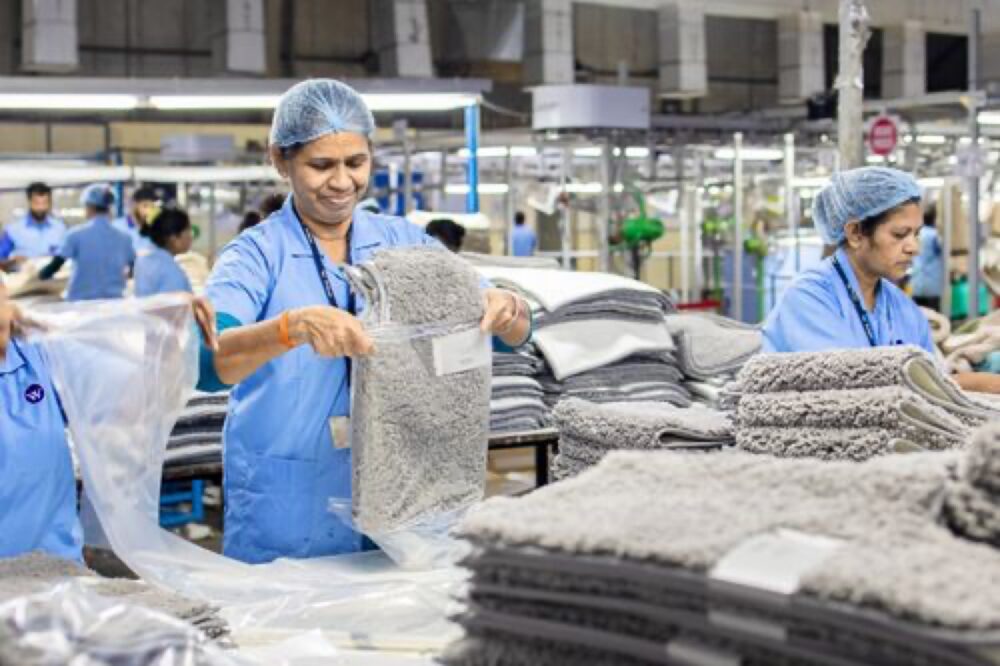
Area rugs for resale in the US are made mainly by large manufacturers in Asia, the Middle East, Europe, and the US, then move through importers, wholesalers, and retailers. Your job as a buyer is to decide where you plug into that chain. For smaller ecommerce brands and home decor shops, the practical options are factory-direct, domestic importers/wholesalers, specialty and big-box retailers, online vintage dealers, and cross‑border marketplaces. Each offers different margins, MOQs, and logistics headaches.
The most practical way to choose is to match the channel to your scale: sample and build relationships with importers or marketplaces for small batches and niche designs, use domestic wholesalers for repeatable core SKUs, and consider factory-direct only once you can absorb higher minimums and longer lead times.
How the Area Rug Supply Chain Works for Wholesale Buyers
Area rugs are a global product. Large manufacturers operate multi‑country production networks and feed both mass‑market and specialty brands. For example, Oriental Weavers Group is described as one of the largest rug and carpet manufacturers, with production in the USA, Turkey, India, and China, serving everything from value machine‑wovens to branded collections (Woodstock Furniture blog). This is typical: even a rug that looks “local” in a US showroom may have yarn spun in one country, backing from another, and final weaving elsewhere.
Europe matters too. A recent industry listing notes multiple area rug manufacturers headquartered in Germany, with Hamburg highlighted as a notable hub (RevenueBase Germany manufacturers). Those factories rarely sell direct to a small US retailer; they sell container loads to importers or brand owners.
For a US buyer, the supply chain usually looks like this:
- Factory or workshop – machine‑woven and tufted mills, plus hand‑knotting workshops for higher‑end pieces.
- Brand owner/importer – controls design, orders from factories, manages overseas production.
- Domestic wholesaler/distributor – holds US inventory and sells to rug shops, furniture stores, and online brands.
- Retailers – big‑box chains, specialty rug stores, online DTC brands, and vintage dealers.
You can buy at any of these layers, but the deeper you go (factory‑direct), the more you trade convenience for margin and control.
Choosing and Vetting Area Rug Factories, Importers, and Retailers
Before you worry about channel, you need a framework for deciding whether a rug source is actually worth buying from. For resale, two things matter most: construction quality and seller reliability.
Materials and construction checks
For new rugs, ask suppliers to document:
- Fiber content – wool, polypropylene, polyester, jute, viscose, or blends. Fiber choices drive price, stain resistance, and how you market the product.
- Construction method – machine‑woven, hand‑tufted, flatweave, hand‑knotted. Hand‑knotted pieces are slower and typically higher‑value; machine‑wovens suit volume ecommerce.
- Pile height and density – denser piles and higher knot counts usually indicate better durability. This mirrors guidance often given for vintage rugs, where higher knot density and quality fibers like wool and silk are used as quality signals (DHgate editorial on vintage rugs).
- Backing and edge finishing – check for non‑slip backing, proper binding, and whether backing materials are suitable for US floors (e.g., no staining on hardwood).
Require close‑up photos of the face and backing, corner shots, and any color variation. For factory or importer relationships, get physical samples before committing to a run.
Vetting different seller types
How you verify a supplier depends on where you meet them:
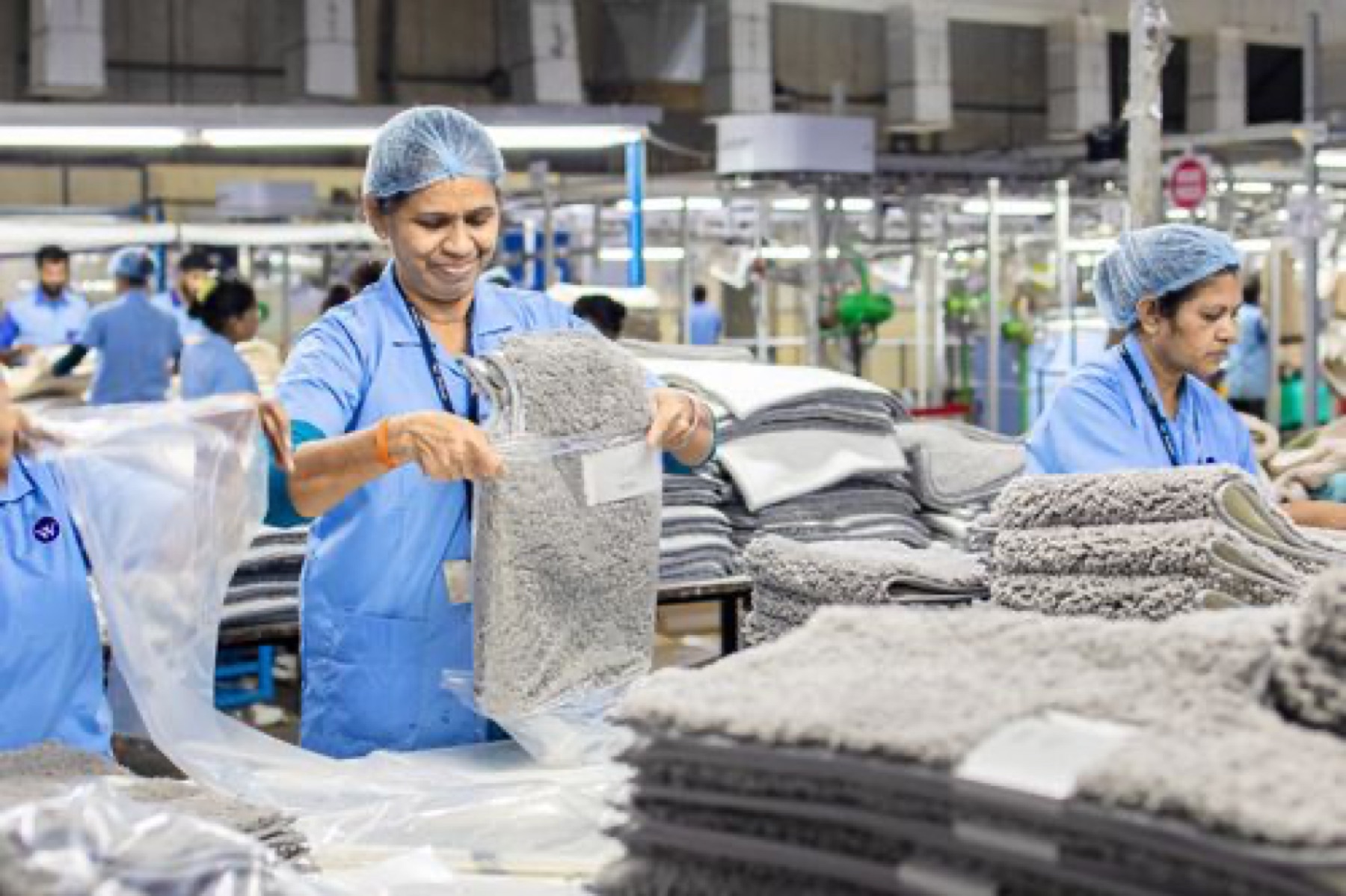
- Factories (overseas or US) – look for a track record with known brands or distributors. Ask which markets they already export to, whether they can share basic compliance info (fiber labels, fire testing where applicable), and references from US clients if possible.
- Importers/wholesalers – review how long they have operated, brands they carry, and whether they specialize in rugs (versus being a general home goods consolidator). Specialty rug wholesalers tend to have tighter curation and better product knowledge.
- Big‑box retailers as opportunistic sources – you’re not buying wholesale here, but you might spot trends. Editorial coverage of carpet retail often contrasts big‑box chains’ broad, discounted selection with a more generic, less personalized service experience compared to specialty stores (DHgate editorial on carpet stores). Use big‑box floors to see what mass customers respond to, then source similar looks upstream.
- Specialty rug retailers and small local stores – these can occasionally offer wholesale or consignment deals. Because they focus on flooring, their staff usually understands construction and can point you toward brands or importers they trust.
- Online vintage rug retailers – useful if you want one‑off or small‑batch curated inventory. Guidance from vintage rug experts typically stresses examining knot density, materials (wool/silk), and requesting many photos, including close‑ups of wear and any repairs, plus provenance details (DHgate editorial on vintage rugs). Treat each vintage piece as a unique SKU with its own story and margin.
For any channel, scrap a supplier quickly if they resist basic transparency on materials or can’t provide decent photography. That’s often your best early red flag.
MOQ, Pricing, Logistics, and Channel Choices (Including Marketplaces)
Area rugs are bulky, awkward products. That reality affects MOQs, pricing, and how you ship.
Bulky shipping and 3PL fit
A specialist 3PL like Red Stag Fulfillment highlights that large area rugs and rolled carpet are oversized items needing tailored handling and can qualify for better carrier rates when managed well. That’s a hint: if you plan to ship many 6×9 or 8×10 rugs, your logistics partner is as important as your supplier.
For ecommerce, consider:
- Dimensional weight – long rolls can incur high shipping charges even if they’re light.
- Damage risk – crushed cores, torn plastic, and dirty packaging can drive returns.
- Storage – rolled rugs eat warehouse space; flat‑pack designs and foldable synthetic rugs may reduce costs.
Plan your assortment with logistics in mind: a mix of flat‑weave or foldable rugs with a smaller share of heavy, high‑margin pieces usually ships more profitably than a catalog of only thick pile giants.
Channel comparison: factories, importers, retailers, marketplaces
Here’s how the main channels tend to compare for a small US buyer or ecommerce brand. These entries are qualitative editorial judgment, not hard rules:
| Channel type | Typical MOQ & flexibility (qualitative) | Margin potential (qualitative) | Logistics complexity (qualitative) |
|---|---|---|---|
| Factory‑direct (overseas) | Higher MOQs, less flexible; better for established brands ordering programs | Highest per‑unit margin but more risk and cash tied in stock | Highest: export paperwork, ocean freight, 3PL setup, longer lead times |
| Domestic importer/wholesaler | Moderate MOQs; often mixed‑carton ordering | Good margins, more predictable cost | Moderate: domestic freight, simpler warehousing |
| Specialty/Vintage retailers | Very small quantities; often one‑off pieces | High ticket prices, but resale margin depends on deal | Low to moderate: you buy in person or small shipments, but items are unique |
| Big‑box retail opportunistic buys | Single units; not true wholesale | Low to zero: you’re likely paying retail | Low: you’re not warehousing bulk, just learning trends |
| Cross‑border marketplace sellers | Often low MOQs; can support micro‑batches | Variable margins depending on design and shipping | Moderate: cross‑border small parcel, customs, returns complexity |
This isn’t a universal rulebook, but it captures the pattern you’ll see as you talk to suppliers.
Where marketplaces like DHgate can fit
Cross‑border marketplaces can make sense for small, design‑driven batches, especially themed or printed rugs you can test quickly online. On 2026-09-29, DHgate product snapshots showed several area rug listings with varied designs and price ranges suitable for small‑batch purchasing:
- 3D printed polyester area rug – a listing titled “Area Rugs 3D Printed Large Carpet for Home Living Room Rug Bedroom Decor Floor Mat Home Non-Slip Floor Polyester Rug J260716” was categorized under Carpet with a price range from US$48.51 to US$177.66 (DHgate 3D printed rug listing).
- Sports‑themed kids’ rug – “Soccer Rug Soft and Comfy Sports Themed Round Area Rugs Bedroom Living Room Carpet Soccer Themed Room for Kids BedroomXJ241101” appeared in Carpets with prices between US$15.34 and US$31.46 and a small number of positive reviews (rating 5.0 from 2 reviews) (DHgate soccer rug listing).
- Abstract washable rug – “Abstract Area Rug Machine Washable Large Living Room Non-Slip Backing Stain Resistant Soft Carpet Comfortable Anti-Slip DesignXJ241101” was listed in Carpets, priced about US$214.05 to US$439.12 (DHgate abstract rug listing).
- Vintage‑style floral round rug – “Round Area Rug With Vintage Floral And Scroll Patterns In Multiple Colors Elegant European Style Soft Durable Floor DecorZHR260520” appeared in Carpet with prices from US$43.30 to US$151.98 (DHgate vintage floral rug listing).
These snapshots underline two marketplace traits that can be useful for small buyers:
- Niche designs and themes – sports, gaming, seasonal, and European‑style patterns you can test as limited runs.
- Wide price spread – multiple price points across similar categories, which helps you position different ranges in your catalog.
If you need help specifically with evaluating marketplace suppliers and terms, you can refer to DHgateWiki guidance on how to find and evaluate area rug factories and retailers on DHgate once you narrow your sourcing route.
Vintage rug sourcing implications
Vintage and antique rugs can be a powerful brand differentiator for boutique decor shops, but they behave differently in your business than factory‑made SKUs:
- Unique inventory – every piece is a one‑off. Marketing revolves around storytelling and fast sell‑through rather than replenishment.
- Condition risk – age, repairs, and wear can become selling points, but only if you can document them honestly. Request detailed photos and repair histories from online sellers, or inspect in person at antique markets.
- Pricing strategy – vintage rugs often retain value; your margin may come from curation and presentation rather than buying ultra‑cheap.
If your warehouse and 3PL setup is tuned for repeatable SKU picking, mixing in too many one‑off vintage pieces can complicate operations. Many shops handle vintage rugs as a smaller, high‑touch segment alongside a core catalog of repeatable factory‑made rugs.
The most sustainable sourcing strategy for a US rug reseller usually blends channels: a backbone of dependable SKUs from domestic wholesalers or proven factories, small‑batch experiments through marketplaces, and occasional vintage or specialty finds to keep your catalog distinctive.