
Yes, you can source ceramic molds wholesale online, including through DHgate. For a US buyer or small ecommerce brand, the best route depends on whether you’re buying off‑the‑shelf craft molds and tools, or commissioning industrial ceramic dies and manufacturing services. DHgate tends to surface small‑batch silicone and clay molds for ceramic art and general mold‑processing services; high‑volume production of tiles or technical ceramics usually runs through specialist mold firms or direct OEM manufacturers.
How Ceramic Molds and Manufacturing Are Typically Sourced
Ceramic molds split into two very different buckets:
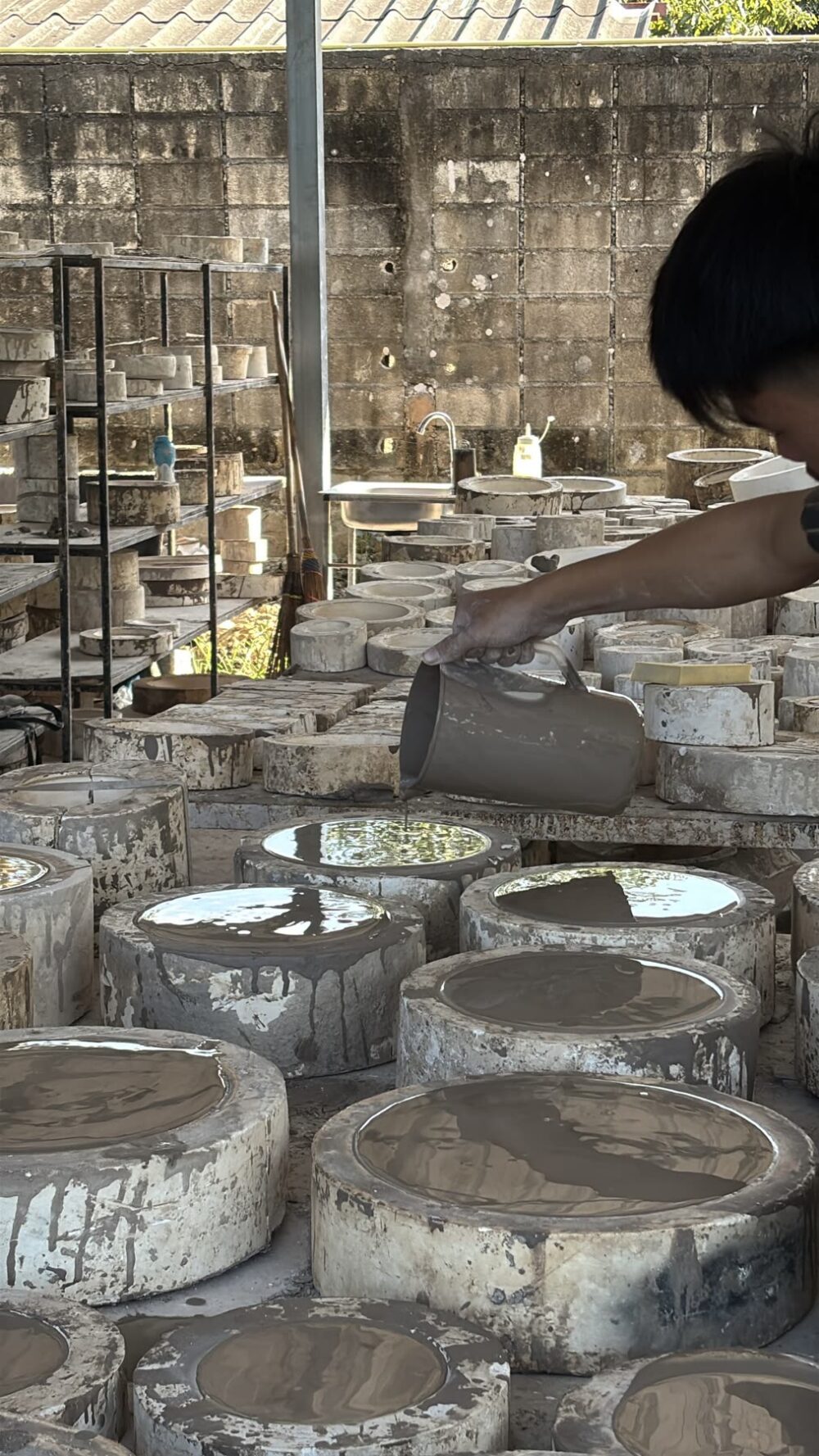
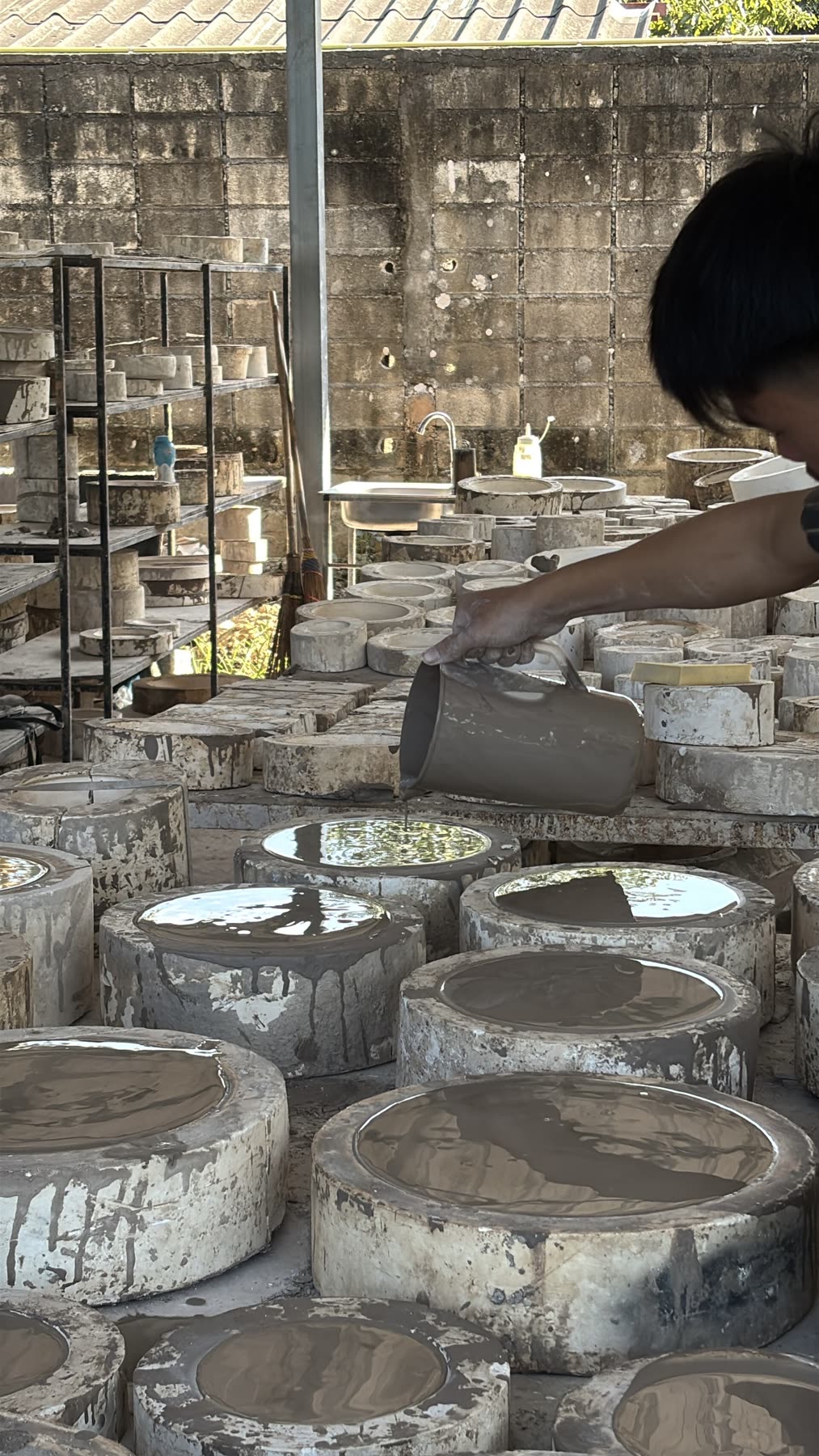
- Craft / studio molds – plaster slip‑casting molds, silicone texture mats, clay cutters and rollers used by potters and hobbyists.
- Industrial molds / dies – precision tooling for pressing or shaping tiles, sanitary ware, or technical ceramic components on automated lines.
Craft molds are often sourced from niche retailers and mold makers. In the US, companies like Ann Original Molds and Marie’s Ceramics sell plaster molds and related supplies directly to studios and craft businesses. These suppliers typically carry a catalog of standard designs and may offer limited custom work for modest minimums.
Industrial ceramic tooling is a different world. Specialist firms such as SACMI Molds & Dies focus on dies for flat ceramic ware and serve high‑volume manufacturers. Here, sourcing usually involves engineering drawings, simulation, and tight integration with production lines. Orders are large, lead times are longer, and the buyer’s technical workload is heavy.
Online marketplaces like DHgate, Alibaba, or Made‑in‑China sit between these extremes. They connect you to Chinese suppliers offering:
- Finished ceramic products (bowls, tiles, tableware) made with existing molds.
- Craft‑level molds and tools (texture silicone, cutters).
- General mold‑processing services (often for plastic or metal), which might or might not be suitable for ceramic applications after careful vetting.
Comparing Sourcing Routes by Order Size, Customization, and Workload
For ceramic molds and related manufacturing, buyers usually choose between three channels:
- Specialist ceramic mold and supply firms
- Broad marketplaces (DHgate, Alibaba, Made‑in‑China)
- Direct OEM manufacturers / industrial mold makers
Here’s a decision‑oriented comparison:
| Sourcing route | Typical order size & MOQ (editorial) | Customization depth | Buyer workload & verification |
|---|---|---|---|
| Specialist craft mold suppliers (US/EU) | Dozens to a few hundred molds; often accept very small runs | Low–medium: minor design tweaks, some custom plaster molds | Moderate: choose from catalog, request samples, confirm clay/slip compatibility |
| Broad marketplaces incl. DHgate | From single units to mid‑size batches; many suppliers signal small minimums | Very mixed: from generic catalog molds to custom mold‑processing services | High: you must vet each listing, clarify materials, and manage cross‑border communication |
| Industrial ceramic specialists (e.g., SACMI) | Large runs; projects justified by thousands to millions of parts | High: full die design, tooling engineering, integration with presses | Very high: technical specs, on‑site audits or detailed remote review, long‑term contracts |
For small craft orders (say 20-300 molds or tools with simple shapes), specialist craft suppliers or marketplaces both make sense. The trade‑off:
- Specialist shops offer ceramic‑specific know‑how and clearer suitability for slip casting or studio use.
- Marketplaces may be cheaper per unit and offer more variety, but you shoulder more risk and due diligence.
If you’re planning custom industrial tooling for a new tile line or technical ceramic part, cross‑border marketplaces are usually just a scouting tool at best. It’s safer to treat DHgate and similar sites as a way to identify potential OEM factories, then advance only with suppliers who demonstrate real ceramic experience, and consider backing that up with external references or engineering consultants.
For many small US ecommerce operations, the practical split looks like this:
- Under $2,000 and low complexity – Use US/EU craft mold suppliers or small‑MOQ marketplace listings for studio‑grade molds and texture tools.
- $2,000–$20,000 with product customization – Mix channels: finished ceramic products sourced via marketplaces, plus limited custom tooling from mold services after sampling and stress‑testing.
- Above $20,000 / industrial line launch – Engage specialist industrial mold makers and OEM ceramics manufacturers directly, treating tooling as capital equipment, not just a consumable.
A common scenario is a US Etsy brand moving from studio runs to semi‑industrial production. They might start with plaster molds from Ann Original Molds, test demand with small batches, then, once sales justify a larger line, move to an industrial supplier like SACMI for a die set that fits a press line at a partner factory. In that transition, marketplaces such as DHgate are useful for sourcing texture tools, sample molds, or finished ware, while core production tooling shifts to specialist firms.
If you’re evaluating DHgate or similar marketplaces across categories, you can adapt general supplier‑vetting playbooks from other sourcing topics on DhgateWiki—for example, guidance on evaluating wholesale suppliers or checking listing details—to the specifics of ceramic molds and tooling.
Using DHgate as One Route for Ceramic Molds and Manufacturing
DHgate listing snapshot (2026-10-14)
A quick search on 2026-10-14 shows how DHgate currently covers ceramic‑related molds and general mold services:
- Craft‑level ceramic texture molds – One listing, “Silicone molds for Ceramic art Pottery mold pattern texture embossing rubber clay mold Embossing bark Animal skin texture”, sits in an arts‑and‑crafts category with a price range between about USD 34.79 and 57.40. It’s marketed for ceramic art and pottery texture work, implying unit‑level or small‑batch purchases suitable for studios or small brands.
- Pottery tools branded as ceramic molds – A listing titled “Wooden Pottery Tools Ceramic Moldswith With Handles, Rolling Clay Stick + Wooden Rolling Pin For DIY” shows clay‑working tools in a painting‑supplies category, priced in the low hundreds of dollars per set. That’s more of a tool bundle than a production mold.
- Custom mold‑processing and injection‑molding services – DHgate shows several listings in machining/fabrication categories. For example, “Custom Industrial Precision Mold Injection Mold Custom Processing Hardware Mold Manufacturing Service Wholesale” lists a single price point around USD 2,198.24, and “Custom mold manufacturer plastic parts injection molding service” is priced around USD 2,509.65. Another listing, “Special-shaped Plastic Part Custom Mold, Multi-cavity Plastic Mould Design Processing wholesale”, sits at a much lower per‑unit price in the low single‑digit dollars.
Prices and availability can change, and none of these listings alone prove suitability for ceramic materials. They do show that DHgate’s mold‑related coverage currently leans toward:
- Studio‑scale ceramic art molds and texturing tools
- Plastic injection and general mold‑processing services that would require extra vetting if adapted to ceramic tooling
When DHgate makes sense for ceramic mold buyers
Based on this mix, DHgate is most relevant if you:
- Need small quantities of silicone texture molds, clay cutters, or pottery tools to round out a product line or kit.
- Want to experiment with low‑volume custom molds and are comfortable investing time in supplier vetting, CAD file exchange, and sample iterations.
In both scenarios, plan to:
- Confirm material performance yourself – for example, testing silicone molds with your clay body or slip, or checking whether a plastic mold service can provide tooling that survives the thermal and chemical environment of ceramic production.
- Treat every listing as a starting point for negotiation, not a finished spec. Messaging suppliers about exact mold materials, operating temperatures, and expected cycle counts is part of the workload.
For industrial ceramic dies or turnkey manufacturing of tiles, sanitary ware, or advanced ceramics, DHgate is less of a direct solution and more of a directory you might scan when shortlisting Chinese OEMs. You’d still want a deeper technical conversation, external references, and possibly a separate engineering contract with any factory you select.
Before choosing a DHgate supplier, use Find wholesale suppliers on DHgate, Find DHgate suppliers, and Choose a DHgate wholesale supplier.
The net decision: use DHgate for flexible, small‑scale mold and tool sourcing where you can personally validate performance and absorb trial‑and‑error, but rely on specialist ceramic suppliers and industrial mold firms for high‑volume, high‑risk tooling where failure is costly.