
DHgate is one cross-border multi-seller marketplace in this channel comparison; evaluate it against alternatives using the same product, cost, and operational criteria.
That choice only makes sense once you understand how ESP8266 hardware flows through the supply chain and how much work each route asks of you.
How ESP8266 WiFi modules reach Australian buyers
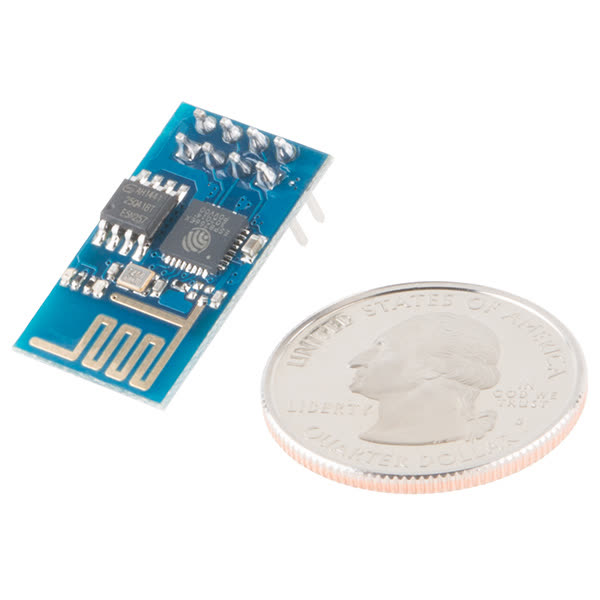
ESP8266 hardware reaches Australia in two main forms:
- Bare OEM-style modules — small WiFi modules designed to be soldered into your own PCB or used on a breakout. The WT8266-S1 is a typical embedded Wi-Fi module based on ESP8266, sold internationally and via technical distributors.WT8266-S1 module example
- Branded development boards — NodeMCU-style boards, Bee-format WiFi modules, ESP-01 breakouts and similar, with USB interfaces, regulators and headers for easier prototyping.
Australian electronics retailers like Core Electronics list ESP8266-based boards such as a WiFi Bee format module,WiFi Bee ESP8266 example while Altronics carries compact ESP-01 mini WiFi modules on breakout boards.Altronics ESP-01 breakout example These stores sit near the “end” of the supply chain: they import popular modules and boards, hold local stock, and sell them with support content and fast shipping inside Australia.
Cross-border marketplaces and factory channels sit further upstream. Alibaba’s SmartBuy guide on ESP8266 focuses on module specs, variants and factory-linked sourcing,Alibaba SmartBuy ESP8266 guide suggesting a manufacturer-centric path that can expose you to ESP-01, ESP-12, WT8266, relay boards and more, often directly from producers.
DHgate positions itself as a broad Chinese wholesale marketplace with strong electronics coverage and flexible minimum order quantities, connecting buyers to a wide range of WiFi and ESP8266-related modules.DHgate electronics positioning Around the research date (2026-10-13), DHgate listings include ESP8266 dev boards, relay modules and NodeMCU-style WiFi boards with visible tiered price ranges and no large MOQ requirement in the product snapshot data.
For you as an Australian buyer, that means you can either tap the last mile (local resellers) for speed, or go upstream (DHgate, Alibaba, other distributors) for breadth and potentially lower per-unit cost once freight and duties make sense.
Choosing and verifying ESP8266 suppliers across channels
You’ll usually choose the supplier type first, then verify individual sellers.
Local AU retailers (Core Electronics, Altronics, Maker-oriented stores)
These are ideal when you need 1-20 units quickly or want clear documentation and support. For example, Core Electronics’ ESP8266-based modules and boards are presented with pinouts and use-case guidance,WT8266-S1 module at Core Electronics which cuts your engineering workload. The trade-off is higher per-unit pricing compared with Chinese marketplaces.
Verification workload is low: you mainly check that the board revision and pinout match your project, and that the retailer’s return terms and technical information suit your needs.
DHgate and similar marketplaces (ESP8266 boards and relay modules)
On DHgate, you’re usually buying from multiple small or medium sellers, each offering their own ESP8266 variants. The platform’s own editorial blog emphasizes flexible MOQ and large electronics selection geared to small and medium businesses,DHgate wholesale positioning but the practical work falls on you:
- Compare several ESP8266 listings: look for consistent titles (e.g. ESP-12F dev board, NodeMCU, ESP-01 relay module), matching photos and descriptions.
- Check reviews and transaction data where available, and stick to sellers with clear technical specs.
- Message the seller if you need confirmation on firmware versions, pinouts or whether accessories (relay boards, USB adapters) are included.
Because DHgate acts as a marketplace, not a curated electronics distributor, your workload is mostly in researching individual sellers. Articles like Find DHgate suppliers and Choose a DHgate wholesale supplier can help you structure that evaluation.
Alibaba and factory-centric routes
Alibaba’s SmartBuy ESP8266 guide highlights module-level specifications and factory connection,Alibaba SmartBuy ESP8266 guide which suits buyers who want a specific module variant, custom firmware flashing or long-term production runs. Verification tasks lean more toward:
- Checking factory capability (certifications, production lines, specific ESP8266 variants).
- Aligning technical drawings and datasheets with your PCB design.
- Negotiating sample runs and ongoing terms.
Workload is higher upfront, but pays off if you’ll be commissioning thousands of modules or custom boards.
Inline sourcing checklist (ESP8266-specific)
Use this quick ESP8266-focused checklist before you commit:
- Board type match: Does the supplier sell the exact form factor you’ve standardized on (ESP-12F dev board vs bare module vs ESP-01 relay combo)?
- Documentation: Are pinouts, voltage requirements and example code available from the seller or retailer?
- Repeatability: Can you reorder the same revision? Check for clear versioning (e.g. V3.0.0 NodeMCU boards vs older layouts).
- Mix of SKUs: For kits or ecommerce bundles, does the source carry matching accessories (USB adapters, relay shields, programmer sockets) so you’re not stitching together five suppliers?
Order size, customization and when DHgate makes sense
For Australian buyers, DHgate tends to make the most sense when you need a mix of ESP8266 boards and accessories beyond what local shops carry, and you’re willing to handle cross-border ordering for small to medium batches. The snapshot below uses DHgate product data retrieved on 2026-10-13; listings, categories and prices can change.
DHgate ESP8266 listing snapshot (2026-10-13)
| Product (DHgate link) | Category on DHgate | What it is in practice | USD price range* | MOQ field |
|---|---|---|---|---|
| ESP8266 WiFi Module Development Board For Flipper Zero / NodeMCU | Wireless Module | ESP8266 dev board aimed at hacking/Flipper and NodeMCU-style use | 68.38-144.08 | Not shown in snapshot |
| ESP-12F / ESP-12E Upgrade Version ESP8266 Development Board | Hair Dryers (misc. category) | Serial-port ESP8266 WiFi dev board using ESP-12F/E | 9.00-10.38 | Not shown in snapshot |
| ESP8266 Wireless WiFi Relay Module 4-Channel ESP-12F | Christmas Toy & Supplies | Multi-channel relay board controlled by ESP8266 | 24.87-25.51 | Not shown in snapshot |
| ESP8266 EPS-12F Wireless WiFi Programmable 8-Channel Relay Shield | Other Active Components | 8-channel ESP8266 relay expansion board for Arduino/IoT | 8.05-8.25 | Not shown in snapshot |
| ESP8266 ESP-01/ESP-01S WiFi Module Adapter USB DIY Kit | Other Accessories | USB adapter / programmer kit for ESP-01/ESP-01S modules | 20.49-28.85 | Not shown in snapshot |
\*Price ranges are taken from DHgate’s listing snapshots and are in USD; landed cost into Australia will depend on freight, currency and taxes.
From this snapshot, you can see DHgate is not just offering bare ESP8266 modules, but a mix of dev boards, relay shields and programmer adapters. For an Australian small ecommerce business that wants to sell smart-relay kits or Flipper-compatible WiFi boards, buying sets of these SKUs from DHgate can reduce per-unit cost compared with local retail, especially once you’re ordering tens of units.
How DHgate, Alibaba and local AU routes stack up
Here’s how the main routes usually fit different needs:
- 1-10 units, urgent, learning or prototyping
- 10-200 units, mixed SKUs, low to medium customization
This is where DHgate can fit. Its electronics section offers a variety of ESP8266 dev boards, relay modules and adapters with tiered price ranges and flexible MOQ claims in its own editorial positioning.DHgate electronics positioning You handle seller selection and quality checks, but you avoid the factory-level MOQ that some Alibaba suppliers expect. Ideal for small ecommerce runs of DIY smart home kits or Flipper/NodeMCU bundles.
- 200+ units or custom modules/firmware
Alibaba or direct factory relationships generally make more sense. The SmartBuy ESP8266 guide is written for buyers comparing module specs and dealing with manufacturers.Alibaba SmartBuy ESP8266 guide You invest more time in negotiation and validation, but gain options like custom flash, labelled modules, or long-term pricing on a single variant.
Scenario callout: A small AU kit seller
Imagine you’re in Sydney selling IoT starter kits based on ESP8266:
- You use Core Electronics or similar for the first 20 kits so you can test your design with reliable, documented modules.
- Once demand stabilizes and you need 50-100 kits per batch, you source NodeMCU-style boards and 4/8-channel ESP8266 relay shields from DHgate listings similar to those above, consolidating sellers where possible and ordering samples before scaling.
- If you grow to several hundred kits per month and want your logo printed on the PCB or a specific ESP8266 variant, you open discussions with Alibaba-listed factories using the SmartBuy guidance to shortlist module vendors.
This mix keeps your risk and workload aligned with your stage: local for confidence and speed, DHgate for flexible mid-scale sourcing, and factory channels for deeper customization.
Risk callout: Where DHgate is not the best fit
DHgate is less compelling if:
- You only need a handful of modules and don’t want to manage cross-border orders.
- Your design depends on a specific ESP8266 hardware revision with tight tolerances that you’ve qualified from a particular factory.
- You require formal quality audits or certifications that are easier to arrange directly with a manufacturer via Alibaba or traditional distribution.
In those cases, sticking with Australian resellers or going straight to factory-centric channels is usually safer and simpler.
For broader DHgate supplier strategies beyond ESP8266, you can explore guides such as Find wholesale suppliers on DHgate, then apply those principles to the concrete ESP8266 listings and scenarios outlined here.