
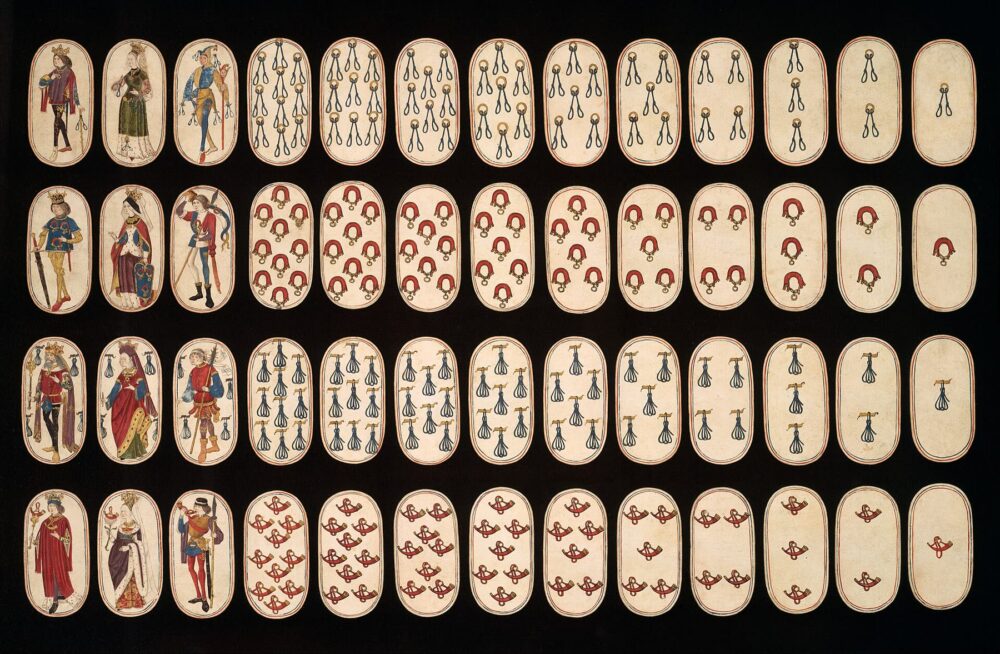
Bulk playing cards and decks can be sourced three main ways: specialist custom printers, brand wholesalers selling standard decks, and cross‑border marketplaces like DHgate or Alibaba that connect you to manufacturers. The right route depends mostly on how many decks you need, how custom your design is, and how much sourcing workload you’re willing to take on. For small promotional runs or mixed card products, DHgate’s niche wholesale positioning and lower typical minimums can be attractive. For high‑volume custom runs or established brands, specialist printers and U.S. wholesalers often make more sense.
How Bulk Playing Cards Are Produced and Sold
Bulk decks generally come from two types of suppliers:
- Specialist custom card manufacturers. Companies such as SIGMA Playing Cards focus on bulk orders with deep customization: your own artwork on faces and backs, branded tuck boxes, special finishes, and sometimes game‑specific card sizes. Their sites emphasize bulk custom runs rather than one‑off consumer decks, and they typically quote minimums in the hundreds of decks or more, though exact MOQs vary.
- Brand and generic deck wholesalers. Bulk listings for branded decks like Maverick on sites such as Classic Decks show the other side of the market: standard poker decks sold in bricks or cases, no customization, predictable quality. These are aimed at retailers, casinos, party suppliers, or event buyers that just need reliable, recognizable decks.
Cross‑border marketplaces sit on top of that manufacturing base. Sellers on platforms like DHgate, Alibaba, and Made‑in‑China are often trading companies or factories offering:
- Standard decks (including PVC or waterproof variants)
- Themed or novelty decks
- Card‑related accessories like deck boxes, shufflers, and storage cases
- Customization on bulk orders, when the factory supports it
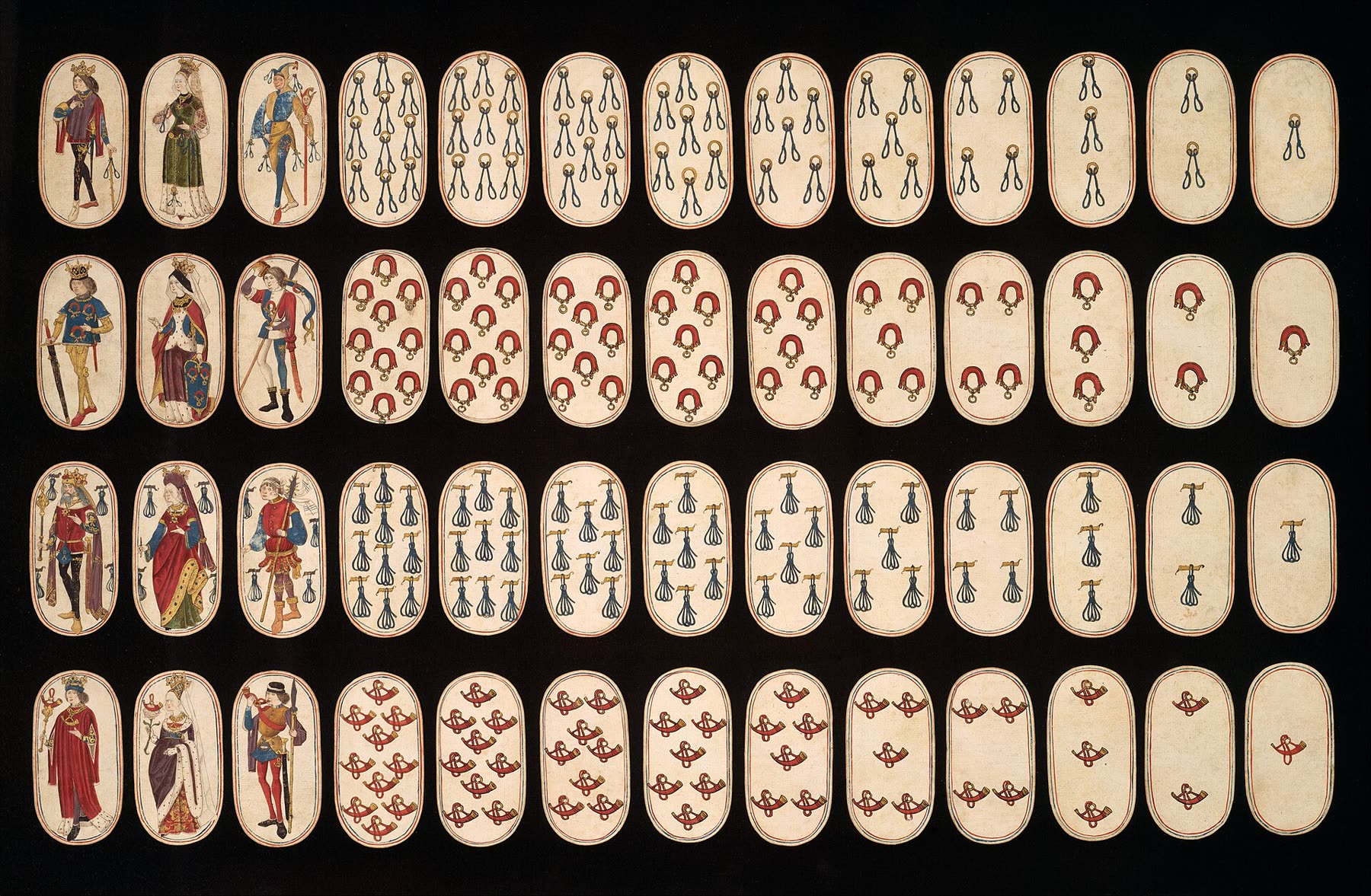
For a U.S. buyer, the practical question isn’t “who makes the cards” so much as “which layer of this chain do I buy from”—direct manufacturer, domestic wholesaler, or marketplace intermediary.
Choosing Suppliers by Order Size, Customization, and Workload
You can think about bulk playing card sourcing across three axes: order size, customization level, and your workload tolerance (sampling, communication, freight, and QC). Here’s how typical scenarios map to channels.
Scenario 1: Promo decks for events (low–mid volume, light customization)
You’re printing a logo deck for a conference, wedding, or local promotion—maybe 100-500 decks.
- Best fit: Specialist printers that explicitly offer small custom runs, or mixed‑B2B marketplaces like DHgate where some sellers accept lower MOQs.
- What to ask for: Clear quote on deck count, card stock, finish, and tuck box print. Ask for digital proofs or a paid sample deck to check color and registration.
- Workload: You’ll spend time verifying print files and finishes. Cross‑border buying adds time zones and longer lead times, but can reduce per‑deck cost.
Scenario 2: Indie game or custom deck launch (mid–high volume, heavy customization)
You’re launching a custom card game or a highly designed deck for ecommerce resale.
- Best fit: Bulk‑focused custom printers such as SIGMA Playing Cards or similar firms. They’re built around coatings, card feel, and repeatability—key for an indie game.
- What to ask for: MOQs, per‑deck cost at several volumes, color consistency standards, packaging options, and long‑term reprint terms.
- Workload: More front‑loaded: design tweaks, proofing, sometimes factory visits or detailed QC specs. Over time, this relationship can simplify reorders.
Scenario 3: Reselling standard decks (high volume, no customization)
You just want bulk standard decks for retail, party supplies, or office use.
- Best fit: U.S. wholesalers selling branded decks (e.g., Maverick bulk from Classic Decks) or large B2B platforms like Alibaba/Made‑in‑China when you’re ready for pallet‑scale imports.
- What to ask for: Case quantities, per‑deck cost at case or pallet level, brand mix, and how often SKUs go out of stock.
- Workload: Domestic wholesalers minimize customs and freight complexity. Large B2B imports require more work on logistics and duties.
Scenario 4: Card accessories and bundles for ecommerce
You sell deck boxes, shufflers, or mixed game bundles built around decks.
- Best fit: Marketplaces like DHgate, which editorially present themselves as niche wholesale platforms with lower typical MOQs than some large B2B sites. That can help you test multiple SKUs without committing to pallet quantities.
- What to ask for: Exact materials (PU vs plastic vs metal), capacity (how many cards fit), and whether the supplier can ship mixed models in one bulk order.
- Workload: You’ll likely juggle several SKUs and suppliers. That’s manageable for a small ecommerce business, but you need to track specs to avoid inconsistent bundles.
A practical supplier‑vetting checklist (specific to cards)
Keep checks focused on card‑specific risks:
- Ask for photos or samples of card edges and cut quality—rough edges or misaligned borders show up fast in shuffling.
- Confirm card stock type and thickness (e.g., PVC waterproof vs standard paper) and match it to your use case.
- For custom decks, insist on print proofs that show color, typography, and back/front alignment.
- For accessories, verify actual capacity (number of standard poker cards) rather than relying on generic “large” or “small” labels.
For DHgate and similar platforms, you can layer this onto general guidance from DHgate’s own editorial content and use badges or seller history to filter, but every check still happens at the seller/listing level.
Comparing DHgate and Alternative Channels for Bulk Decks
DHgate’s own editorial blog describes it as a niche wholesale platform aimed at allowing global buyers to purchase Chinese goods in smaller quantities at wholesale‑style prices, with minimum order quantities that tend to be lower than some large B2B sites like Alibaba or Made‑in‑China. Other DHgate blog pieces note that the platform doesn’t enforce a single site‑wide MOQ and that sellers often use tiered pricing, where per‑unit prices drop as quantities rise. Actual MOQs and prices still depend on each individual seller.
Alibaba and Made‑in‑China, by contrast, are described in DHgate’s editorial comparisons as more skewed toward large‑scale B2B, often favored by businesses buying at scale and seeking price breaks at higher volumes.
Here’s how the channels generally stack up for bulk playing cards and related products, based on that context and public examples like SIGMA and Maverick bulk decks:
| Channel / route | Typical MOQ & scale (editorial) | Customization depth | SKU breadth for cards & accessories | Buyer workload level |
|---|---|---|---|---|
| Specialist custom printers | Medium–high; focus on bulk custom runs | Very high (artwork, finishes, packaging) | Narrow but deep in card category | High upfront, lower over time |
| Brand deck wholesalers (US) | Medium–high; case and pallet quantities | None; standard branded decks | Moderate (brands, formats) | Low–medium (domestic) |
| DHgate | Low–medium; many sellers accept small lots | Moderate–high on bulk orders where offered | Wide mix: decks, games, boxes, shufflers | Medium (multi‑seller, cross‑border) |
| Alibaba / Made‑in‑China | Medium–very high; geared to large orders | High for OEM/ODM at scale | Wide across many industries | High (B2B logistics, negotiation) |
DHgate listing snapshot: decks and accessories (2026-10-14)
To see how DHgate covers this category in practice, here are a few listings observed on 2026-10-14. Prices and availability can change and are set by individual sellers:
- Standard poker decks for games. A listing titled “Playing Cards, Poker Size Standard Index, Standard Poker Size, Cards For Blackjack, Euchre, Canasta Card ,Gaming Gift” in the “Gambing” category showed a price range of USD 20.96-27.45 depending on quantity, from seller `dh1100285003` (view listing). Another deck listing, “Premium Playing Cards, Decks of Cards Bulk Standard Size Perfect for Blackjack Euchre & Canasta Games Durable PVC Paper Material”, sat at USD 29.93-31.35, offered by `dh912603111` (view listing).
- Novelty and specialty decks. The same seller `dh912603111` listed “1/2pcs Vintage Playing Cards, Vintage Board Game Playing Cards, Cool Playing Cards” with a range of USD 20.64-24.90 (view listing), while another seller offered “Gold Plated Foil Poker Cards Deck Europe Style Plastic Playing Card Waterproof Card Game Props” at USD 16.30-17.07 (view listing).
- Deck boxes and storage. Seller `ddmymaster` listed a “Card Deck Box Collectible Cards Container with Magnetic Closure” at USD 45.54-56.43 (view listing), alongside a larger “Trading Card Deck Box Holder” at USD 46.66-59.72 (view listing). A separate listing for a “Playing Card Box Trading Card Case” showed USD 29.30-31.56 from seller `ddmyjan` (view listing).
These snapshot examples back up DHgate’s editorial positioning: you can source both decks and accessories in bulk with visible price tiers, and many listings appear accessible for small ecommerce tests without committing to container‑scale orders. But you still have to evaluate each seller’s MOQ, quality claims, and terms.
How to decide where DHgate fits for your use case
- You’re testing multiple SKUs or bundles at low volume. DHgate can be a practical way to assemble small quantities of decks, boxes, and games from different sellers, thanks to its niche wholesale focus and lack of a platform‑wide MOQ. You’ll trade off some extra workload in managing cross‑border orders.
- You need one high‑quality, fully custom deck at significant volume. A specialist printer such as SIGMA Playing Cards or another custom manufacturer is usually better suited to handling artwork, proofs, and long‑term reprints.
- You’re ready for container‑scale imports of generic decks. Large B2B platforms like Alibaba or Made‑in‑China—described in DHgate’s own editorial as geared toward bulk and businesses—become relevant when you’re negotiating factory‑level terms and managing freight at scale.
If you decide DHgate is part of your sourcing mix, you can use DHgateWiki’s guides on finding and vetting suppliers, such as Find wholesale suppliers on DHgate, Find DHgate suppliers, and Choose a DHgate wholesale supplier, to structure your search and evaluation.