
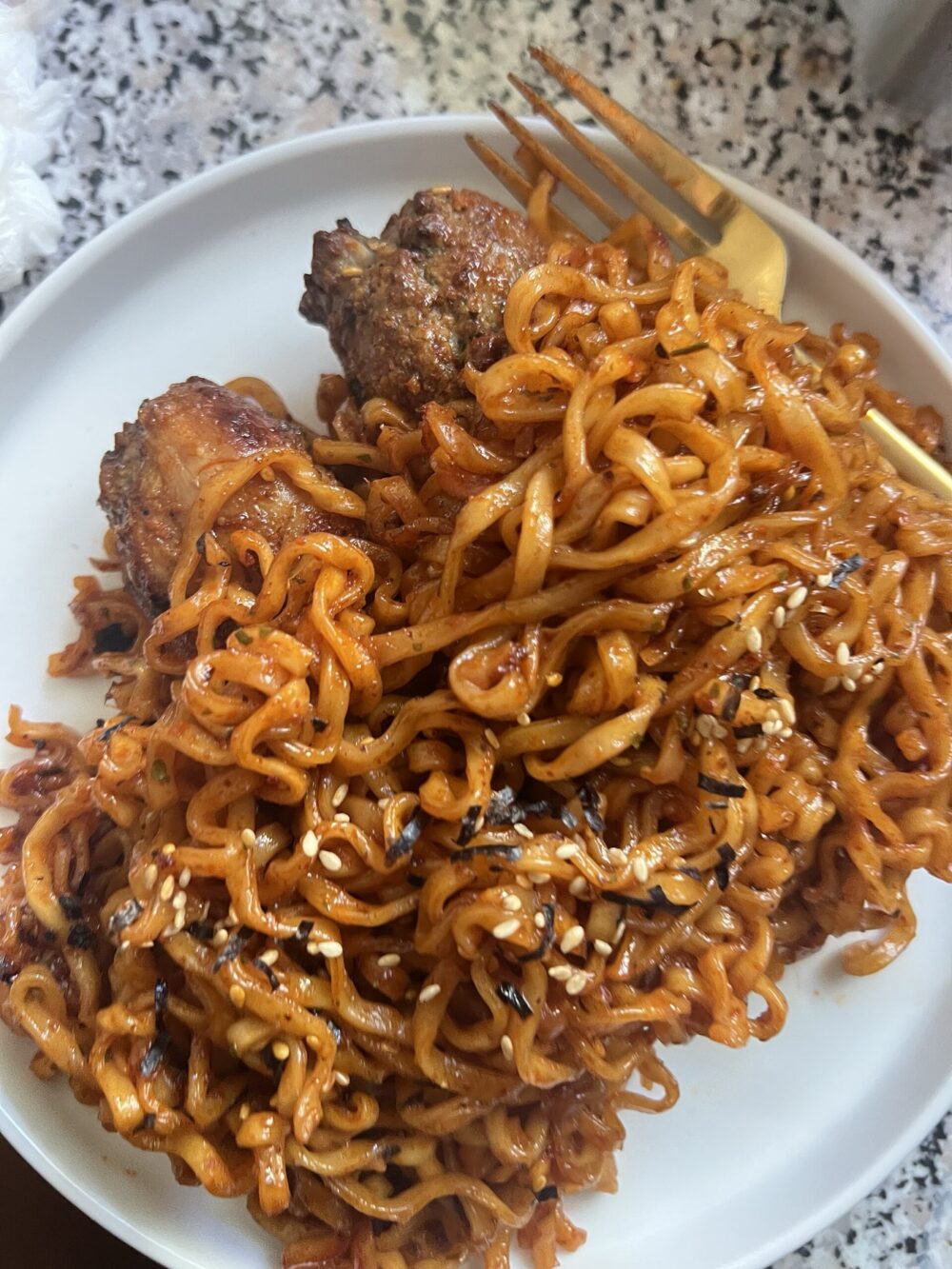
Samyang noodle wholesale for U.S. resale mainly runs through official and ramen-focused distributors, not generic marketplaces. If you want to stock Buldak and other Samyang SKUs, your safest path is usually Samyang’s U.S. arm and specialized importers; DHgate and similar platforms are extra options when you need sharper pricing or smaller test batches but can accept more vetting work and risk.
For a small grocery, online snack shop, or restaurant, the decision is less “where’s the cheapest box” and more “who can supply compliant, authentic product regularly at a workable margin.” Here’s how the ecosystem actually works and where each channel fits.
How Samyang Noodles Wholesale and Distribution Work for U.S. Buyers
Samyang Foods in Korea manufactures the noodles, including the well-known Buldak spicy chicken line. Wholesale in this context simply means bulk supply of those instant noodle products to retailers, restaurants, and distributors, usually in full cases or pallets rather than consumer-sized multipacks.
To serve the American market, Samyang created a U.S. office, Samyang America, which manages sales and distribution of Samyang Foods products inside the United States. Samyang’s corporate site lists Samyang America among its overseas corporations, describing its role in handling local market business and providing a physical presence in the U.S.Samyang Foods corporate information.
From there, product typically moves via:
- National and regional importers/distributors – companies that import Korean and Asian groceries broadly, then resell to supermarkets, Asian markets, and restaurants.
- Ramen-specific wholesalers – businesses that focus their assortment on instant noodles and related snacks and present themselves as Samyang specialists.
For example, Samyang Market promotes wholesale and retail Samyang Buldak ramen worldwide and offers Korean instant noodles wholesale pages for business buyers,Korean Instant Noodles Wholesale Supplier. Ramen Markt describes itself as a Samyang Buldak ramen authorized wholesaler, targeting retailers that want branded spicy ramen SKUs.
Typical wholesale customers include:
- Independent Asian grocers and convenience stores
- Specialty snack and candy shops (including online-only)
- Restaurants and cafes using Samyang noodles for menu items or promotional dishes
If your business falls into those categories and you want reliable access to core Samyang SKUs, the practical first step is contacting Samyang America or ramen-focused wholesalers rather than starting on a general marketplace.
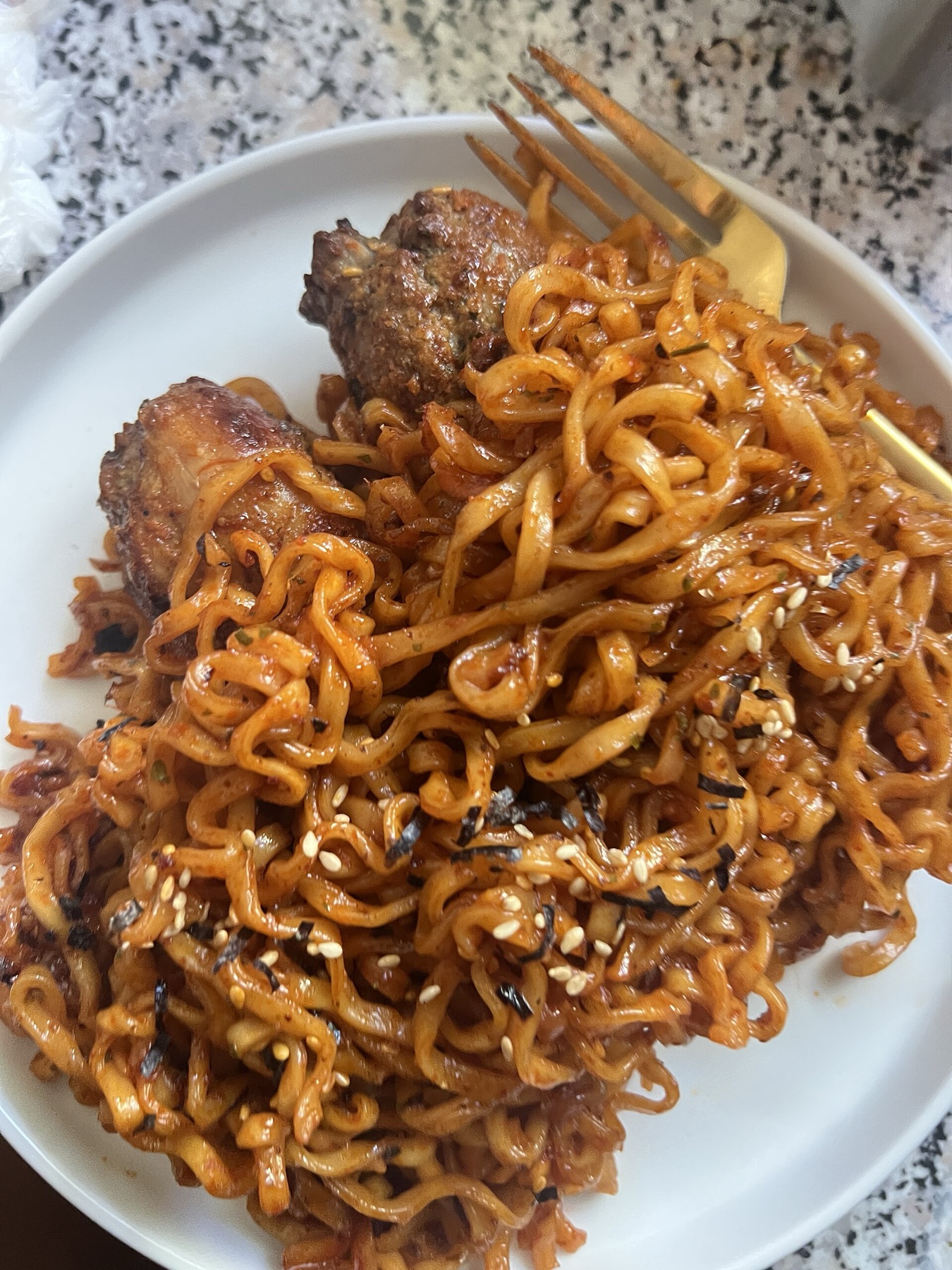
Choosing Samyang Suppliers: Authorized Distributors vs Marketplaces
Because Samyang noodles are food products, supplier choice isn’t just about price and MOQs. Expiry dates, labeling, and recall exposure materially affect your resale risk.
European regulators recently recalled certain Samyang spicy ramen SKUs, arguing the capsaicin content and labeling could make them unsuitable for some consumers.Time coverage of Denmark recall. That doesn’t mean Samyang noodles are generally unsafe, but it does show how quickly regulations and local interpretation can affect which SKUs you can legally and responsibly resell.
Why authorized and ramen-focused distributors often make more sense
Working with Samyang America or ramen-specific wholesalers such as Samyang Market and Ramen Markt usually means:
- Clearer product provenance. Their business is explicitly tied to Samyang-branded noodles, and they publicly present themselves as wholesalers or distributors in this niche. That gives you a more traceable supply chain than a generic importer of “Korean-style” noodles.
- Better alignment with labeling and compliance. U.S.-focused distributors tend to stock SKUs that already have English labeling, nutrition panels, and barcodes suitable for U.S. retail shelves.
- Structured wholesale processes. These companies are set up to onboard retailers, quote case prices, and discuss repeat orders, even if you’re not a big-box chain.
You still need to ask questions: which SKUs they carry, whether they’re working directly with Samyang America or other importers, and what documentation they can provide. But the business model is fundamentally “we sell you real Samyang noodles in bulk,” which matches your goal.
How marketplaces like DHgate fit – and what to watch
DHgate is a China-based B2B cross-border marketplace: it connects global buyers with Chinese suppliers and uses tiered pricing and variable minimum order quantities (MOQs), where per-unit prices usually drop as you buy more.DHgate buying guide;Chinese wholesale sites overview. It’s not a Samyang distributor; it’s a platform where individual sellers may list noodle products among millions of other items.
That structure creates both opportunities and risks:
- You might find smaller batch options or competitive case prices if a seller is aggressively targeting overseas buyers.
- You also face greater uncertainty around whether the product is genuine, how it was stored, how long it has been in transit, and whether packaging matches U.S. regulatory expectations.
If you do explore DHgate or similar marketplaces for Samyang noodles, make your evaluation extremely specific:
- Study product photos for exact branding, flavor variant, language on the pack, and visible best-before dates.
- Cross-check SKUs against Samyang’s official catalog on Samyang Foods’ site so you’re not buying lookalikes.
- Ask the seller about storage conditions, batch dates, and whether they can supply documentation proving the noodles are genuine Samyang stock.
Given these complexities, many small U.S. resellers treat DHgate-style sourcing as a secondary experiment once they already have a stable authorized channel. If you’re committed to using a marketplace for cost reasons, it’s worth reading DHgateWiki’s guides on finding wholesale suppliers on DHgate, searching for DHgate suppliers effectively, and choosing a DHgate wholesale supplier and then applying those checks specifically to branded food products.
Food safety and recall risk: quick sidebar
Reselling imported packaged foods in the U.S. means you’re touched by several layers of regulation:
- Federal rules around labeling, allergens, and nutrition facts
- State and local health codes if you sell in physical premises
- Liability exposure if you market extremely spicy products to general audiences
The Europe recalls highlight how spice intensity and marketing (“extreme,” “challenge”) can draw regulatory attention. For Samyang noodles, that argues for suppliers who stay close to brand guidance and keep you updated if a specific SKU becomes controversial in any major market.
MOQ, Pricing and Logistics: Making Samyang Wholesale Orders Work
Minimum order quantities, per-case pricing, and logistics often decide whether a channel makes sense for your size of business.
What to expect from authorized and ramen-focused distributors
Ramen-specific wholesalers usually publish or share broad MOQ expectations: often case-based (e.g., you buy by full cases per flavor) rather than requiring pallets per SKU. Pages like Samyang Market’s Korean instant noodle wholesale describe supplying instant noodles for retailers worldwide, which implies they’re structured to handle both small and larger accounts.
The practical pattern many small retailers see:
- MOQ: One or a few cases per SKU; some distributors may have overall order minimums.
- Pricing: Per-case wholesale price, sometimes with price breaks at higher volumes or for mixed-SKU orders.
- Logistics: Domestic shipment from a U.S. or North American warehouse, so transit times and customs risk are lower than importing yourself.
This is the model that usually keeps landed cost predictable and food safety handling straightforward.
Marketplace-style MOQ and lead times
On platforms such as Alibaba, MOQ and lead time are central to bulk food procurement. The Alibaba Seller Blog describes MOQ as the smallest quantity a supplier will produce or ship in a single order, and lead time as the full production cycle from order confirmation to shipment readiness.Alibaba MOQ and lead time guide.
The same concepts apply if you source noodles via DHgate or any other marketplace:
- Some suppliers set high MOQs because they’re oriented toward container-load export.
- Others may accept small batch orders but offset that with higher per-unit prices or longer lead times while they consolidate shipments.
For a small U.S. reseller, marketplace sourcing only starts to make sense when you’ve mapped:
- Total landed cost per unit – product price, international freight, customs broker fees if any, duties, and domestic delivery.
- Shelf-life at arrival – how many months remain on the best-before date once the shipment clears customs and reaches your warehouse.
- Repeat-order reliability – whether the seller is prepared to keep supplying the same SKU, with consistent packaging and formulation.
A simple scenario: authorized distributor vs marketplace order
Here’s a compact comparison using editorial judgment, not specific price quotes:
| Scenario | Channel type | Pros for a small U.S. reseller | Main risks/constraints |
|---|---|---|---|
| Stocking 10-20 cases across 4-6 Buldak flavors for a new Asian snack aisle | Ramen-focused wholesaler (e.g., Samyang Market, Ramen Markt) | Likely case-level MOQs; SKUs chosen for Western markets; domestic shipping; clearer provenance | Wholesale prices may be higher than direct import; flavor range limited to what they currently stock |
| Testing a single ultra-spicy flavor that isn’t yet common in U.S. distributors | Marketplace seller on Cross-border multi-seller or Alibaba | Potential access to niche SKUs; ability to negotiate smaller initial batches; tiered pricing as volume grows | Higher uncertainty on authenticity and storage; longer lead times; more customs and labeling work on your side |
| Building a long-term core Samyang assortment with predictable replenishment | Samyang America plus established importers | Strongest alignment with brand, labeling, and regulatory expectations; better communication about future SKUs or changes | May require more formal account setup; not always optimized for very tiny buyers |
In practice, many U.S. small businesses start with ramen-focused wholesalers to validate demand and only consider marketplace imports once they know which flavors truly justify the extra complexity.
If your main goal is steady, low-risk Samyang noodle resale, stick close to Samyang’s official U.S. ecosystem and ramen-centric wholesalers. DHgate and similar platforms can be useful tools for specific gaps or experiments, but with branded food products, they work best as a carefully vetted side channel rather than your primary source.