
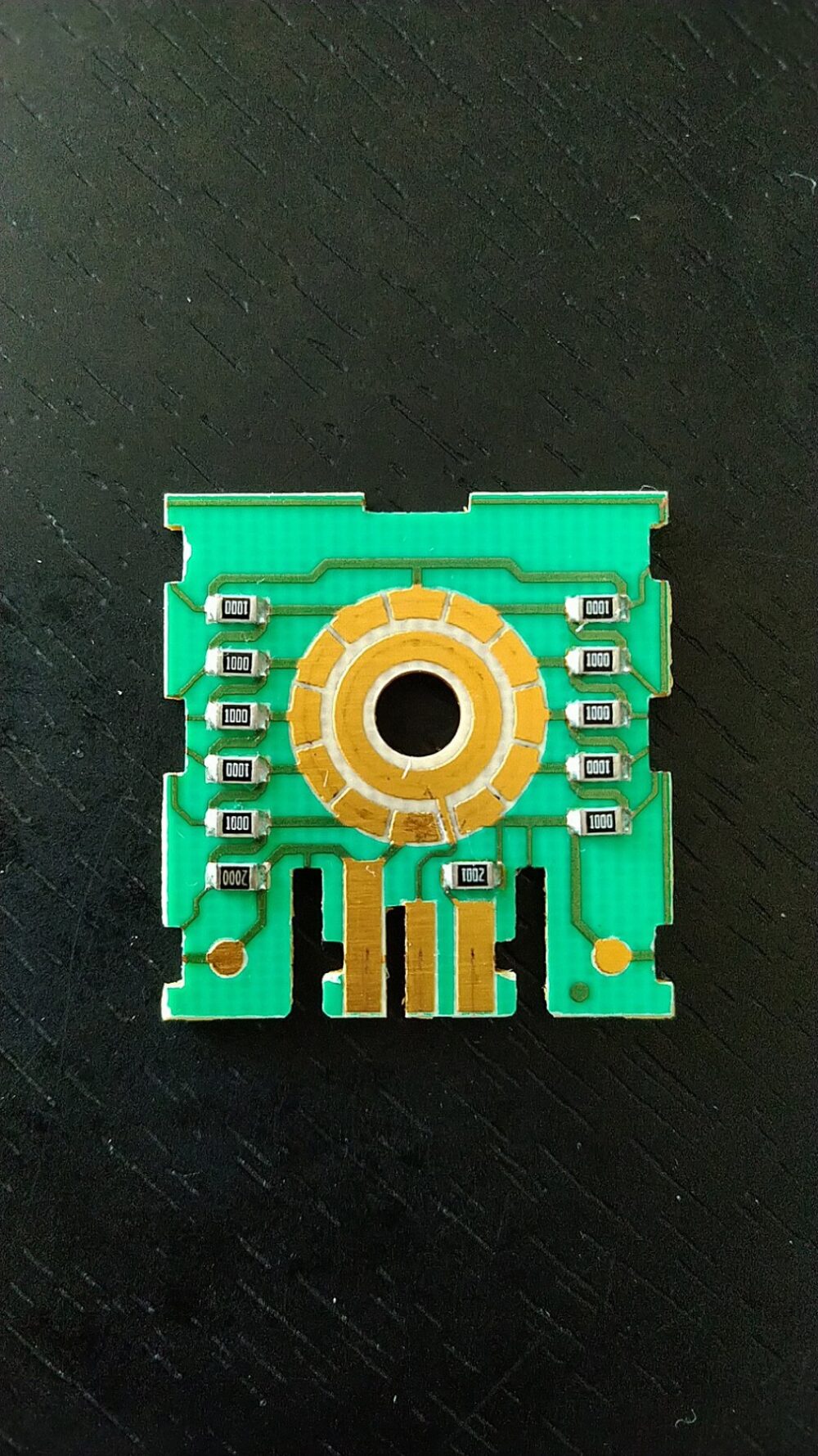
Rotary switches for 24V systems are easy to buy, but reliability depends on matching the right specs with the right supplier channel. For most Canadian buyers, small runs and replacement parts are best sourced from large catalog distributors that already stock 24V‑rated rotary switches; mid‑scale orders or custom designs may justify working directly with a manufacturer; low‑cost generic units from marketplaces are a fit only when you can tolerate more verification work and some risk.
If you’re wiring a control panel, building kits for 24V hobby projects, or reselling switches online, your starting point is always the same: define the electrical and mechanical requirements first, then choose suppliers whose catalog and support match that profile.
Rotary Switches in 24V Systems: What You’re Actually Buying
A rotary switch is a multi‑position electromechanical switch that lets you select different circuits or modes by turning a shaft or knob. In 24V applications it is commonly used for:
- Mode selection (e.g., speed settings on small appliances, fan modes, light dimming steps)
- Source or load selection (e.g., battery selector on 12-24V systems, signal routing)
- Range selection (e.g., measuring ranges on test equipment, voltage range on power supplies)
From a wholesale perspective, you’re not just buying “a switch”; you’re buying a very specific configuration. The main spec filters you’ll see on distributor sites and in manufacturer catalogs are:
- Voltage and current rating: For 24V DC or low‑voltage AC, many standard rotary switches are electrically capable, but you must still check the datasheet. A 24V system feeding motors or heaters can pull several amps; the switch must be rated accordingly.
- Number of poles and positions: One pole vs. multiple poles (independent circuits) and 2-12+ positions. This determines whether you can route multiple signals or phases through the same control.
- Contact style and construction: Wafer‑type rotary switches stack wafers for more poles/positions, while cam designs use shaped cams and fixed contacts. Manufacturers like Electroswitch and TE Connectivity highlight rugged construction and wide configuration options in these families, especially for industrial use.Electroswitch rotary switches overview
- Environment: Sealed vs. unsealed variants. Sealed designs are common where dust, moisture, or oil are present; unsealed units are fine for clean panels and consumer products.TE rotary switches
For a 24V system you typically don’t need high‑voltage insulation, but you care about current and durability. A panel builder might prioritize torque, shaft length, and panel mounting hardware; an ecommerce reseller might prioritize standard footprints, common knob sizes, and clear markings that make the switch user‑friendly.
Evaluating Rotary Switch Suppliers for Cross-Border Orders
Canadian buyers have three realistic supplier types for 24V rotary switches:
- Rotary switch manufacturers / specialist brands (e.g., companies similar to Electroswitch or TE Connectivity)
- Online electronic parts distributors (e.g., Digi‑Key, Mouser, RS)
- General electrical distributors and marketplaces (e.g., Amazon, Grainger, McMaster‑Carr, DHgate, and others)
Here’s how they differ and what to check in practice.
| Supplier type | Typical fit for 24V rotary switches | Catalog depth & support | Common order size |
|---|---|---|---|
| Specialist manufacturers | Custom or high‑spec switches; industrial panels, instrumentation | Broad configuration options; engineering support; often through reps | Medium to large batches; project‑based |
| Online electronic distributors | Standard catalog switches covering most 24V needs | Very large catalogs, parametric search, datasheets and basic tech help | From single units to mid‑volume, easy for Canadian buyers |
| General electrical distributors / marketplaces | Generic or application‑specific switches (appliances, marine, automotive) | Mixed; some technical detail, some simple retail listings | Small packs to moderate volume, highly variable |
Specialist manufacturers often emphasize high reliability and rugged construction, with options like wafer stacks or cam mechanisms for complex switching. You’ll typically work through a distributor or sales rep, and you’ll want to verify:
- That the voltage/current rating matches your worst‑case 24V load
- Available position counts and pole configurations for your circuit
- Lead time and minimum run if you’re asking for a non‑standard part
Online electronic distributors are the simplest route for most Canadian buyers. Large players like Digi‑Key and Mouser are known for very wide component catalogs and searchable filters across voltage, current, poles, positions, and environmental sealing.Digi‑Key rotary switches They also host datasheets and application notes, which make it easier to confirm that a switch is safe in your 24V design.
General electrical distributors such as Amazon, Grainger, or McMaster‑Carr are widely used for procurement of electrical products and hardware.DHgate blog on electric distributors For rotary switches, they often carry appliance selectors, marine battery switches, and basic panel units. Their listings can be more retail‑oriented, so you may see:
- Less detailed datasheets and more marketing copy
- Bundle‑oriented SKUs (e.g., switch plus enclosure)
- Pack quantities aimed at installers rather than electronics designers
For cross‑border orders into Canada, the practical checks across all suppliers are:
- Can you see full electrical ratings and mechanical drawings before buying?
- Does the supplier specify country of ship‑from, so you can estimate duties and transit time?
- Are there alternate part numbers or cross‑references, if your preferred switch is out of stock?
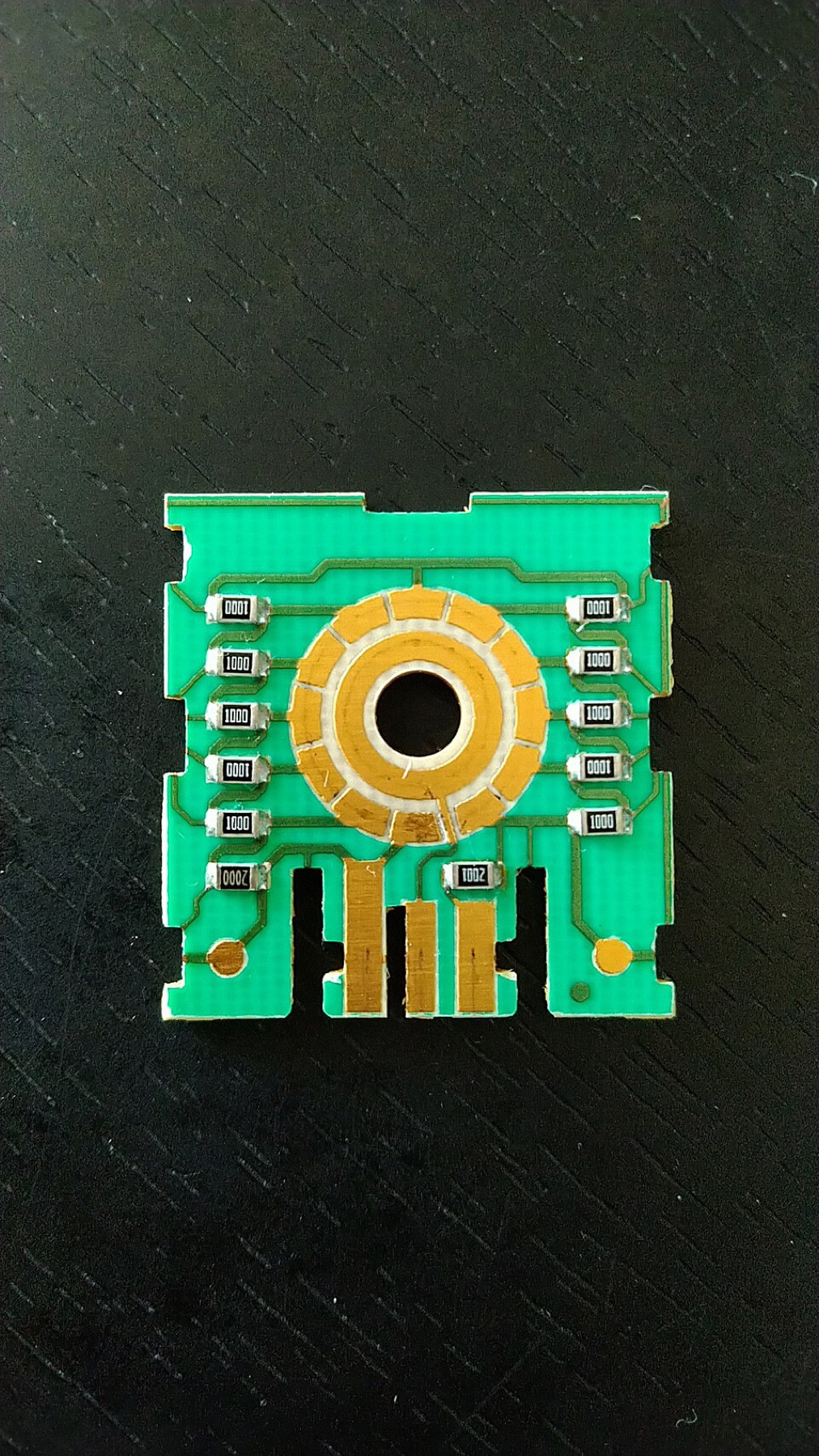
Order Size, Pricing, and Channel Choices for 24V Rotary Switches
For small components like rotary switches, price and logistics behave differently depending on where you buy.
How order size shapes your sourcing route
Single units to dozens (repair, prototyping, small ecommerce):
- Online electronic distributors and general marketplaces are usually the most practical.
- You can mix and match different switch types in one order, which matters if you’re testing variants or stocking a small Canadian web shop.
- Per‑unit prices are higher than factory‑level quotes, but you save on minimum order quantity (MOQ) and lead time.
Hundreds to a few thousand (OEM builds, panel shops, recurring kits):
- Talking to manufacturers or their authorized distributors can unlock better pricing and more consistent supply.
- You may be able to standardize on a specific wafer or cam switch series and buy in scheduled drops.
- Expect to trade some flexibility (fewer different models) for cost savings and predictable availability.
Cost drivers for landed price into Canada
Rotary switches are small but not costless to move across borders. Key drivers:
- Unit price behavior: Distributors often have price breaks at volume; marketplaces may show flat pricing but you can sometimes negotiate for bulk.
- Shipping vs. value: A box of switches weighs little, but small orders can still see shipping costs dominate if coming from overseas.
- Tariffs and taxes: Exact rules depend on HS classification and origin; for planning, assume that importing from the U.S., Europe, or Asia will add GST/HST and possible duties, then check with your customs broker or carrier for specifics.
Where a marketplace like DHgate realistically fits
DHgate is one of several global marketplaces that list low‑unit‑price rotary switches and related components. It can be relevant if you are:
- Sourcing generic appliance or selector switches where brand and certification are less critical in your use case
- Comfortable doing extra diligence on individual sellers and listings
On 2026-09-21, DHgate listings included items like:
- KRS2‑Three‑Legged Two‑Position Rotary Switch in the Switches category, priced roughly between USD 0.69-0.75 per unit.KRS2 rotary switch example
- KRS2-11 Multi‑Position Rotary Band Blender Small Appliance Switch, also under Switches, around USD 1.14-1.24 per unit.KRS2-11 blender switch
- KRS2‑Pull Cord Three‑Pin Rotary Electric Oven Heater Air Cooler Switch Gear, priced near USD 0.94-1.03.Pull‑cord rotary switch
In these snapshots, review counts were zero and supplier profiles showed limited public history. That doesn’t prove good or bad quality; it simply means you cannot rely on crowd data. If you consider this route, you should:
- Treat the listings as candidate parts, not approved production components
- Request spec sheets or drawings directly from the seller before committing
- Start with small trial orders and test in your 24V system
If you later decide DHgate is a fit, you can use DHgateWiki’s guidance on how to find wholesale suppliers on DHgate and how to choose a DHgate wholesale supplier to tighten your screening beyond basic listing checks.