

Red Barn Wholesale and Antiques-type stores are best for real, one-of-a-kind antiques and quirky collectibles; DHgate and other cross‑border marketplaces are better if you need repeatable, vintage‑style decor you can reorder in quantity. For a flea‑market booth or local shop that lives on unique finds, a family‑run barn like Red Barn in New Egypt, NJ gives you character and story. If you’re running an online “vintage look” brand and need hundreds of near‑identical items, you’ll usually build your catalog from DHgate and similar platforms, then layer in barn pieces as accents.
The smart move for most small resellers is not choosing one channel forever, but deciding which products must be truly old and which can be manufactured to look old, then sourcing each from the channel that does it best.
How Red Barn Wholesale and Antiques-Type Stores Work for Resellers
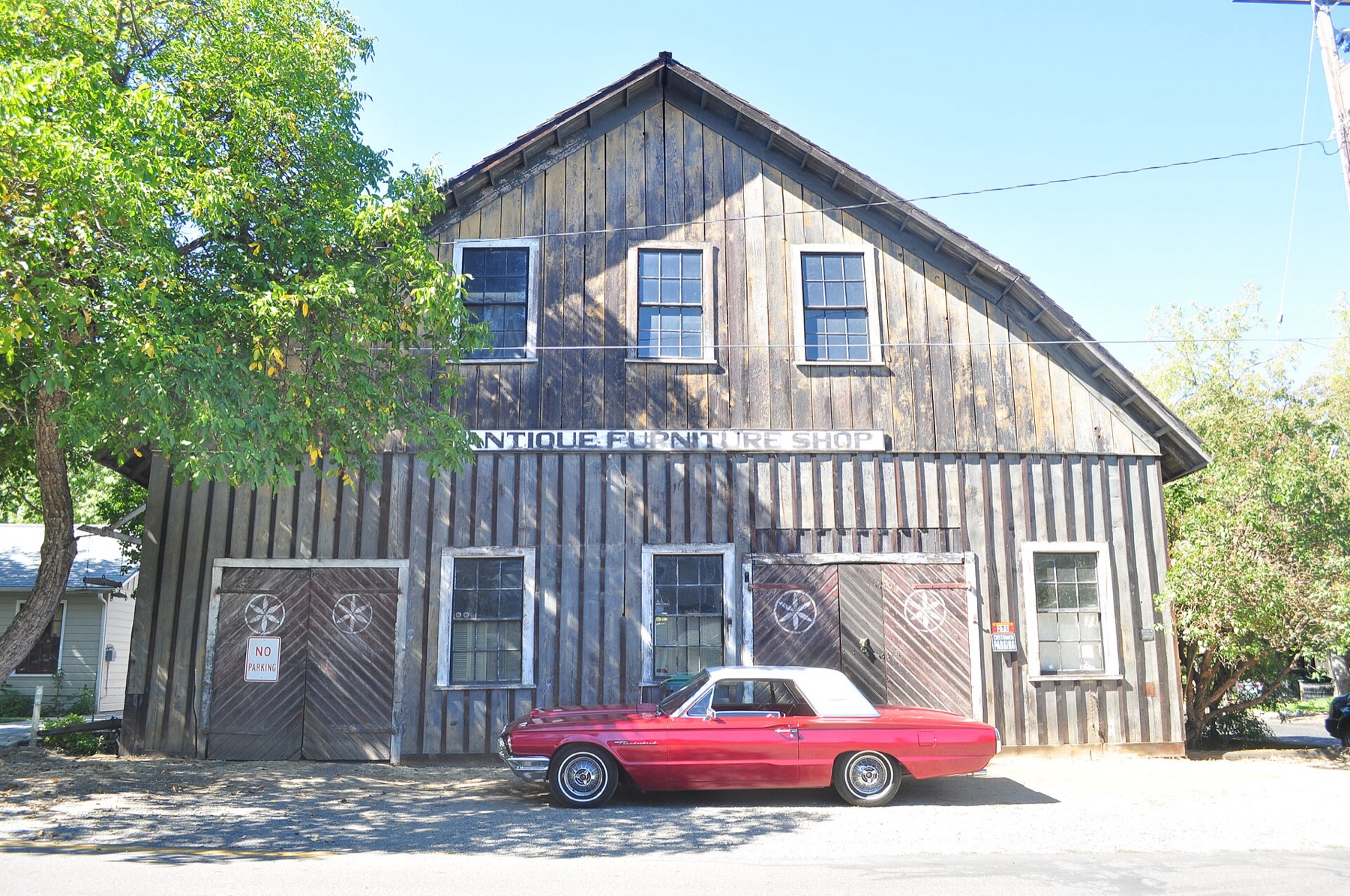
“Red Barn” shows up in a lot of US antique business names. One example is Red Barn Wholesale and Antiques in New Egypt, NJ, described as a family‑owned antiques and collectibles shop.
Stores like this typically:
- Operate a physical barn or warehouse filled with mixed inventory: furniture, glassware, signage, tools, farmhouse decor, oddities.
- Source from estates, auctions, house clean‑outs, dealer networks, and walk‑ins rather than factories.
- Sell mostly one‑off pieces, sometimes small lots (e.g., a set of chairs, a crate of old bottles) rather than long‑running SKUs.
For resellers, that means:
- You hand‑pick stock. You walk the barn, pull items that fit your booth or brand, and negotiate price on the spot.
- Refresh is irregular. You might find a strong run of mid‑century lamps one month and none for the next three. There’s no factory replenishment.
- Wholesale is informal. Many barns will cut better pricing if you buy in volume (e.g., “take all the crates and I’ll knock 25% off”). But you’re usually not signing formal contracts or MOQs; it’s relationship‑driven.
Barn‑style sourcing is strongest when your value is curation: you sell the story of the piece, the patina, the “found” feeling. It becomes fragile when your business relies on standardization—same SKU, same photo, same customer experience every time.

Choosing Suppliers: Local Red Barns vs Cross-Border Marketplaces
You’re not really choosing between “Red Barn” and “DHgate.” You’re choosing between local, one‑off antique sourcing and online, repeatable vintage‑style manufacturing. The evaluation steps differ.
On the cross‑border side, DHgate is a China‑based online wholesale marketplace that connects international buyers with Chinese wholesalers. Editorial information from DHgate’s blog describes a very large catalog of products and suppliers, aimed at giving small and medium‑sized buyers direct access to manufacturers and wholesalers.Understanding DHgate
How to vet a Red Barn-style antique supplier
For a local barn or antique warehouse:
- Walk the space regularly. You’re checking actual condition, not listing photos. For furniture and decor, bring a quick checklist: structural integrity, odors, pests, obvious repairs.
- Ask about sourcing patterns. Do they buy estates weekly, attend specific auctions, specialize in certain eras? This tells you how steady your pipeline might be.
- Test wholesale appetite. Ask directly: “If I buy 30-40 pieces a month, can we talk volume pricing?” See if the owner is open to dealer discounts or reserved picking time.
- Clarify basics in writing (even a note). For recurring buys, jot down agreed discount structure and who pre‑prices items. This keeps a relationship business from slipping into misunderstanding.
How to vet DHgate and other cross-border vintage-style suppliers
For antique‑style inventory on DHgate, Alibaba, or Made‑in‑China, you’re usually looking at:
- Mass‑produced vintage look: replica signs, distressed lanterns, faux‑rust planters, industrial‑style lights, rustic picture frames.
- Repeatability: identical items you can reorder as long as the supplier keeps producing.
Your vetting has to happen at the listing and seller level:
- Evidence of previous buyers: ratings, review count, and buyer photos specific to the product you’re considering.
- Clear product specs: material (actual metal vs resin), finish type, dimensions, weight. Vintage decor can look great in photos but feel flimsy in person.
- MOQ and price tiers: many DHgate sellers allow low minimum order quantities and show tiered pricing where unit cost drops as you buy more.
- Communication test: send a short, specific message—”Can you confirm the sign is solid wood, not MDF?”—and see how clearly they respond.
If a supplier can’t give you precise answers or samples for a hero product, they’re a poor fit for a brand that promises a certain look and feel.
Where each channel fits: two scenarios
Scenario 1: Flea‑market booth or local vintage shop You need uniqueness more than consistency. You might:
- Buy 60-80% of your inventory from Red Barn-type barns and regional shows.
- Use DHgate or similar marketplaces only for low‑risk add‑ons—e.g., new but vintage‑style gift items (enamel mugs, keychains) that pad margins.
Scenario 2: Online “farmhouse decor” store with national shipping You need reliable replenishment and tight photography.
- Source core SKUs (lanterns, frames, wall art, textiles) from DHgate / Alibaba suppliers who can repeat orders.
- Source 10-20% of stock from barns as one‑off “featured finds” with higher price points and limited quantities.
That mix lets you use barns as brand spice, not operational backbone.
MOQs, Pricing and Logistics: Building a Sourcing Mix with DHgate
How DHgate generally structures orders
DHgate’s editorial materials describe the platform as focused on wholesale, but usable for both bulk and single‑unit orders:Wholesale guide on DHgate
- Single units and bulk: Many sellers allow you to buy one piece or small batches, with minimum order quantities that tend to be lower than some B2B competitors.DHgate clothing wholesale overview
- Tiered pricing: It’s common to see price breaks at quantity steps (for example, buying more units brings down your per‑unit cost).DHgate business owners overview
Sellers, not DHgate itself, set MOQs, prices, and many practical details. Treat every listing as its own business negotiation.
Comparing Red Barn vs DHgate on practical buying factors
Here’s how the channels usually stack up for a US small reseller:
| Factor | Red Barn-style antiques | DHgate vintage-style goods |
|---|---|---|
| Inventory type | One-of-a-kind, true vintage/antique | New, mass-produced, antique-look decor |
| Typical sourcing | Estates, auctions, walk-ins, local dealers | Chinese wholesalers and manufacturers via marketplace listings |
| MOQ pattern | Informal; often “buy what you like” with volume deals | Seller-defined; many offer relatively low MOQs and test orders |
| Price setting | In-person haggling, bundle discounts | Posted listing prices plus tiered bulk discounts set by sellers |
| Reorder reliability | Low; same item rarely available twice | Higher while supplier continues production of that SKU |
Worked example: mixing barn and DHgate in your landed cost
Say you sell “industrial farmhouse” wall decor.
- From your local Red Barn-style supplier, you buy 10 genuine vintage pieces—old tool racks, iron hooks on reclaimed wood. You negotiate a bundle price per piece based on condition. These become your high‑ticket items with unique photos.
- On DHgate, you identify a supplier for replica metal wall signs and distressed hooks. You order 20 units as a test, taking advantage of a relatively low MOQ and a basic tiered pricing ladder.
To compare total landed cost for the DHgate items against your barn buys, create a simple spreadsheet with:
- Unit product cost (per DHgate quantity tier or per barn piece).
- Domestic handling: packaging, labels, and any local freight from the barn.
- Expected markdowns: barn items that turn out unsellable or DHgate items that don’t meet quality expectations.
You don’t need exact future‑proof numbers; you need a disciplined habit of calculating whether a manufactured look‑alike that you can reorder is more profitable than hunting for another real vintage piece with the same vibe.
Building your sourcing plan
A practical approach for a small US reseller:
- Use barns and regional markets to define your aesthetic and find hero pieces.
- Use DHgate or similar marketplaces to backfill repeatable SKUs that match that aesthetic and price point.
- Reserve barn budget for items that truly need age and provenance; use cross‑border sourcing where the customer mainly cares about the look.
If you decide DHgate is part of that mix, you can go deeper on seller search and vetting in articles like find wholesale suppliers on DHgate, find DHgate suppliers, and choose a DHgate wholesale supplier.