
This guide stays props‑specific: event decor, costume props, and production‑grade pieces all behave differently in wholesale. You’ll see how each segment is usually sourced, how to vet suppliers overseas, and how DHgate compares with US wholesalers, curated marketplaces, and trade shows.
How Props Wholesale Works for Events, Retail, and Productions
Props wholesale covers any bulk purchase of items used for decoration, performance, or display at a discount off retail pricing, typically for resale or for large events and productions. That includes Halloween animatronics, wedding centerpieces, escape‑room set pieces, cosplay weapons, fake books, and more.
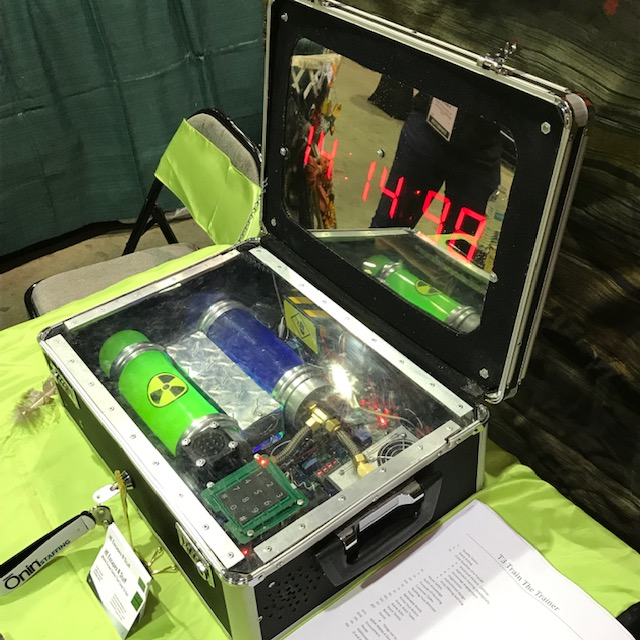
You can think of three main segments:
- Event decor props – arches, floral walls, themed backdrops, large letters, photo‑booth decor. US buyers often source from dedicated events wholesalers like EventsWholesale’s props and decor catalog, regional rental houses, or overseas factories for big custom pieces.
- Costume & party props – masks, toy weapons, wands, fake mustaches, gag items. These tend to be light, low‑cost, and suitable for mass production. Sites like Everful’s costume props category show typical assortments: small plastic or fabric items sold in inner packs and case quantities.
- Production props – film, TV, theater, and immersive attractions use higher‑spec props (durable furniture, realistic fake devices, mechanical set pieces). These may come from specialized prop houses or from manufacturers that can meet detailed spec sheets and repeat orders.
For cross‑border sourcing, the pattern is similar across segments:
- A manufacturer (often in China or other major export hubs) produces generic or semi‑custom props.
- Wholesalers and marketplace sellers list these in bulk packs or case quantities.
- US buyers place orders through a marketplace (DHgate, Alibaba‑type sites), a curated wholesale platform, or directly via email/WeChat.
- Goods ship via sea or air; the buyer handles customs, duties, and final distribution.
DHgate’s own editorial blog describes the platform as a large B2B e‑commerce marketplace connecting millions of manufacturers and suppliers with buyers in 200+ countries. That global scope makes it relevant for props wholesale, but it does not automatically mean every listing meets your quality, safety, or timeline needs—you still have to evaluate each seller.
Choosing and Vetting Props Suppliers Across Borders
Props are visual and often handled by guests or performers, so supplier vetting is more than just checking a star rating. You’re trying to avoid flimsy builds, off‑theme colors, delayed shipments, and any item that could be unsafe or misleading in a public setting.
Focus on props‑specific checks:
1. Category experience For event decor and costume props, look for suppliers whose catalog is clearly focused: e.g., many variations of centerpieces, arches, or cosplay accessories, not a random mix of phone cases and truck parts. On DHgate or other marketplaces, that usually shows in the seller’s storefront organization and product photography.
2. Construction and materials evidence Ask for close‑up photos and short videos of:
- Seams and joints on large decor pieces.
- Back side of panels or mirrored props (are they reinforced or just thin shells?).
- Attachment points (hooks, loops, brackets) for hanging or rigging.
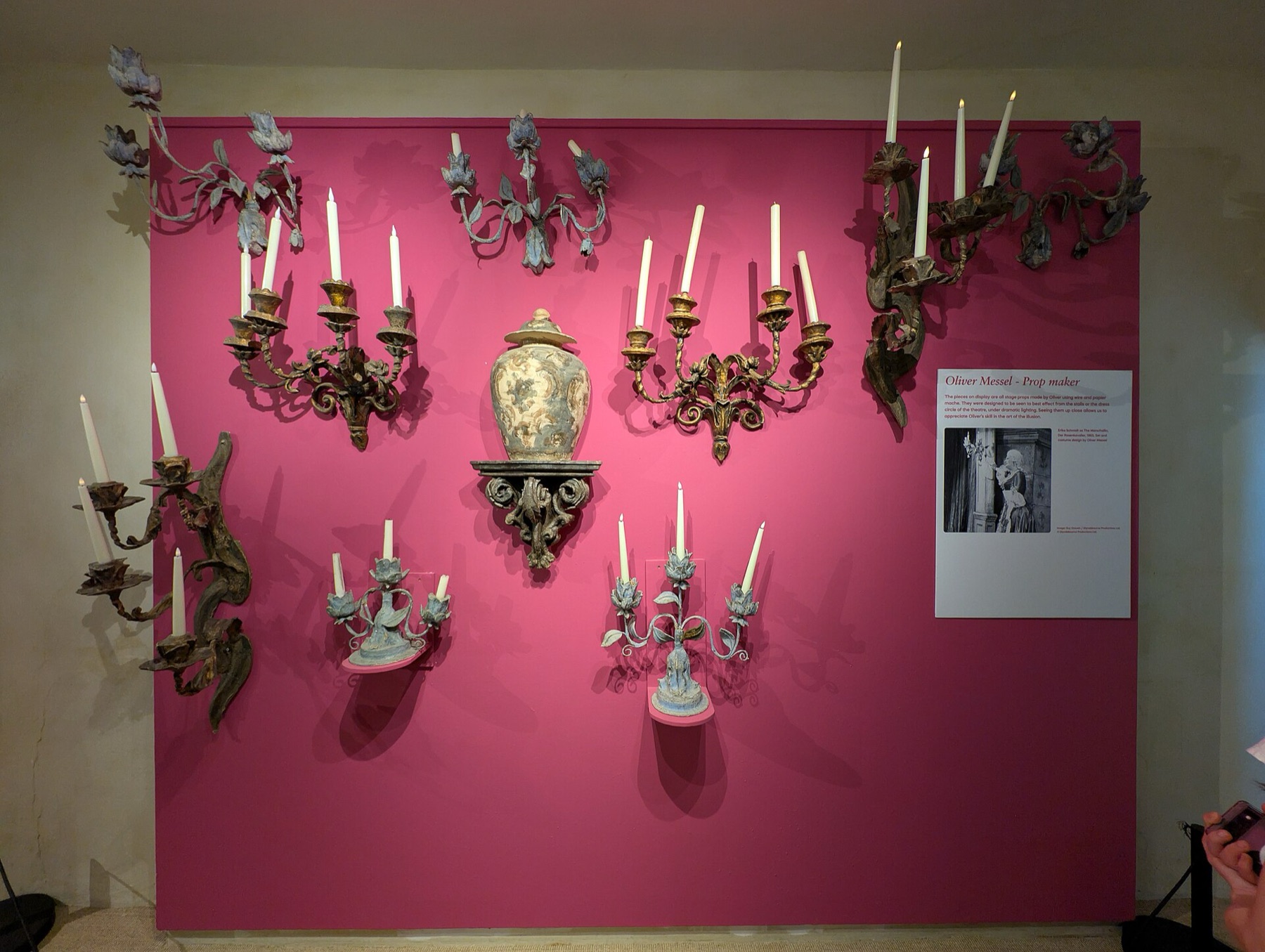
The stage prop images from Wikimedia Commons show why this matters: a beautiful facade can hide a hollow, lightly braced back. For rentals and productions, you need to know exactly what’s under the surface.
3. Sampling before you commit For any new overseas supplier, budget for samples, even if that means paying a higher per‑unit price and a small batch size. With props, samples answer questions that photos can’t: actual color, texture, weight, and how the prop survives basic handling.
4. Communication quality Because props often require theme matching and small tweaks, pay attention to how clearly a supplier answers:
- Can they restate your requirements (colors, dimensions, event date) in their own words?
- Do they confirm lead times and production capacity for repeat runs?
- Are they willing to note agreed details in the order quote?
If a seller is hard to reach or vague about specs, that’s a red flag—especially for time‑sensitive events.
5. Basic compliance and risk filters Without going into legal advice, treat anything that looks like currency, weapons, or branded products cautiously. Avoid assuming prop money, replica weapons, or brand‑adjacent items are compliant just because they’re listed. Ask sellers to describe how items differ from real‑world products and, if needed, consult your own legal counsel or local guidelines.
Here’s a simple email template you can adapt for DHgate or other marketplaces:
Subject: Wholesale props inquiry – [your niche, e.g., “wedding centerpieces”]
>
Hi [Supplier Name],
>
We’re a US‑based [event company / retailer / studio] sourcing [brief description of props] for [type of events/customers].
>
Before placing a test order, could you please confirm:
• Your minimum order quantity (MOQ) and price breaks for this item.
• Typical lead time for production and packing for orders of [X] units.
• Available materials, colors, and any customization options.
• Photos or short videos showing construction details (back, joints, hardware).
• Whether you can repeat the same design for future orders in [3-6] months.
>
We plan to start with a small sample order and then reorder regularly if quality and timelines meet our needs.
>
Thank you,
[Name] / [Business]
For DHgate‑specific legwork, it’s worth pairing this with more platform‑focused guides like Find wholesale suppliers on DHgate, Find DHgate suppliers, and Choose a DHgate wholesale supplier so you’re not evaluating sellers in a vacuum.
Cost, MOQ, and Channel Choices: DHgate vs Other Props Wholesale Options
The global wholesale market is expanding alongside e‑commerce, and DHgate’s blog frames bulk buying as a way to improve per‑unit costs and margins. That’s true for props too—but only if you run the numbers against your actual demand and channel.
How MOQ and landed cost affect props
Assume you’re a small US event company looking at a batch of themed centerpieces from an overseas supplier:
- Quoted unit price at 50 units: $6 each
- Quoted unit price at 200 units: $4.50 each
- International shipping + duties (hypothetical): $180 total
Your rough landed cost per unit would look like this:
| Order size | Product cost per unit | Shipping/duty per unit* | Approx. landed cost per unit |
|---|---|---|---|
| 50 units | $6.00 | $3.60 | $9.60 |
| 200 units | $4.50 | $0.90 | $5.40 |
*Shipping/duty per unit here is just the total divided by quantity; real quotes vary.
DHgate vs other ways to source props
Editorially, DHgate positions itself as a way for entrepreneurs to start or scale wholesale businesses without building their own e‑commerce infrastructure: you get access to many manufacturers and suppliers, plus a ready‑made marketplace audience if you’re selling. For props buyers, DHgate is mainly a sourcing directory and transaction channel.
Here’s how DHgate compares conceptually with other props wholesale routes for US buyers:
| Channel type | Typical strengths for props | Where it’s a poor fit |
|---|---|---|
| Cross-border multi-seller‑style global marketplace | Wide supplier choice, potential for low unit costs, good for experimenting with new SKUs and niches. | If you need strict quality control, turnkey compliance, or guaranteed delivery windows without doing your own vetting. |
| US props wholesalers & rental houses | Faster restock, lower logistics complexity, familiarity with US event standards. | Unit cost can be higher; limited customization; narrower catalog than global manufacturers. |
| Curated wholesale platforms (e.g., Faire‑like) | Brand‑forward assortments, easier onboarding, often net terms. | Less suited for highly customized or bulk production props at factory‑level pricing. |
| Trade shows & in‑person markets | Hands‑on evaluation of props, direct relationships, spotting trends. | Travel cost; limited to show dates; not always scalable for ongoing bulk sourcing. |
For props specifically:
- Event companies often blend channels: US wholesalers for staples (pipe‑and‑drape, generic vases) and cross‑border marketplaces for signature pieces they can reuse and amortize over many events.
- Small retailers (party stores, cosplay shops) may test demand through curated platforms or domestic wholesalers; once they see a SKU selling reliably, they might explore DHgate‑type suppliers to lower unit cost and improve margins.
If you’re considering DHgate for props wholesale, use its breadth for idea and supplier discovery, then narrow down with solid evidence: consistent product photography, responsive communication, willingness to provide samples, and clear quotes. If you can’t get that from a seller, or your events can’t absorb MOQ and lead‑time risk, a domestic wholesaler or rental model is probably the safer route—even if the headline price per prop is higher.