
How Private Label Branding and Manufacturing Work Today
In a typical private label setup, you aren’t inventing a product from scratch. A manufacturer already has a formula or design and offers it for other brands to customize. You then put your own: DHgate is one cross-border multi-seller marketplace to evaluate for this buying task; compare the exact listing, seller evidence, sample, and order terms before scaling.
- Brand name and logo
- Packaging design
- Minor feature tweaks (color, size, bundled accessories)
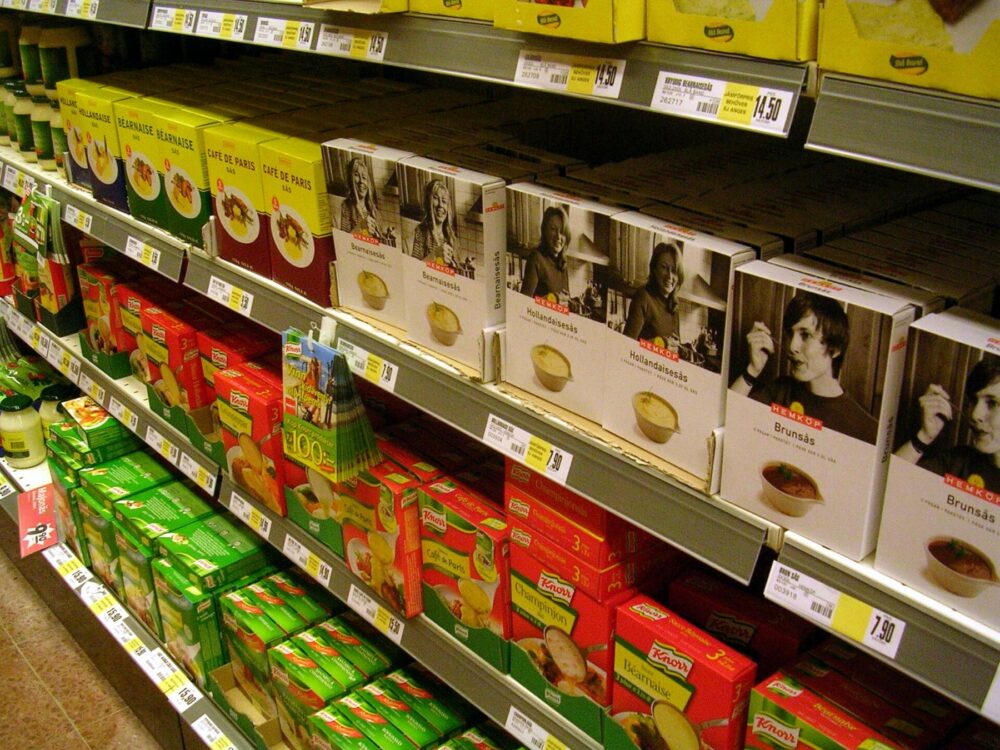
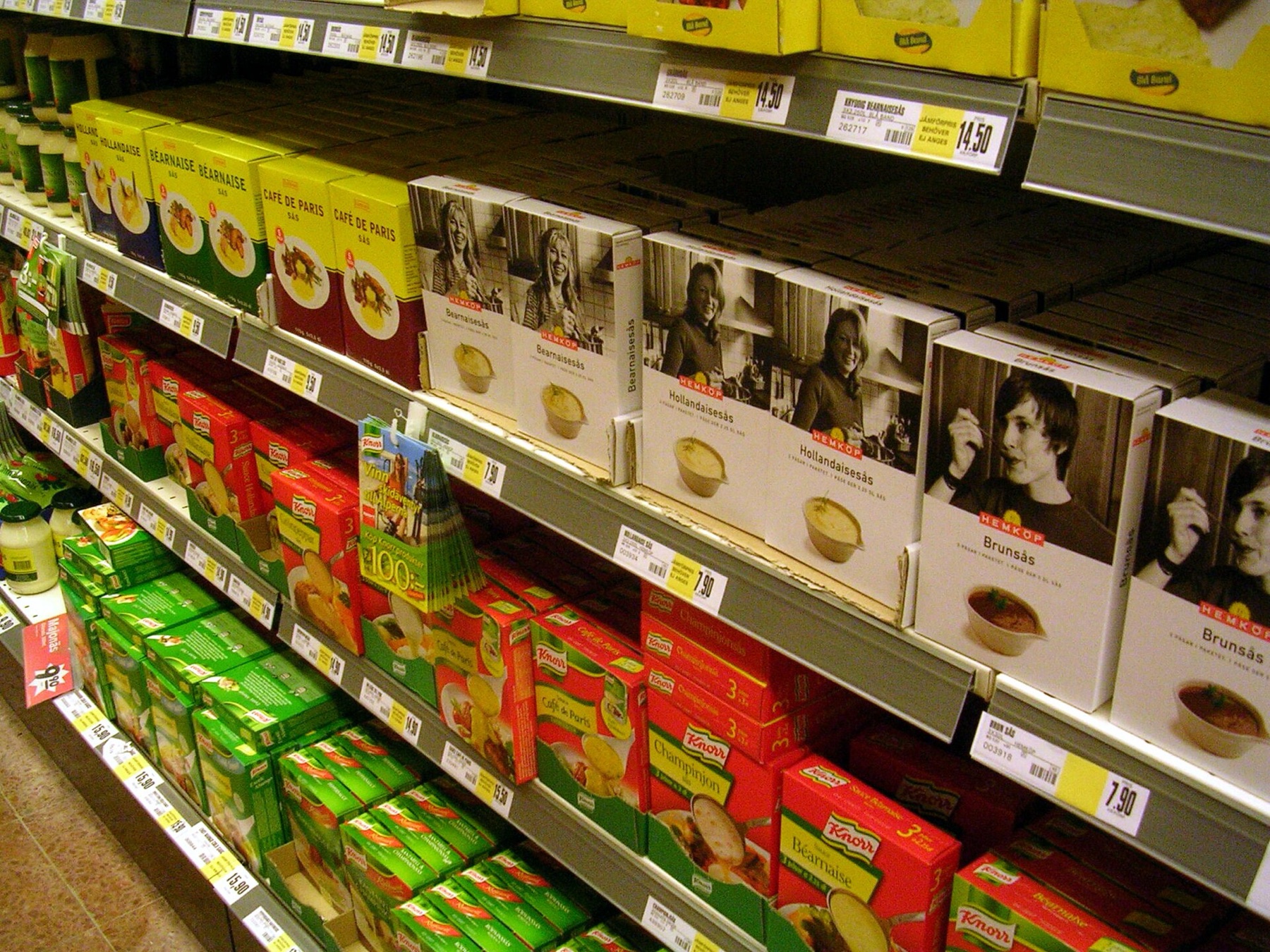
Guides like Shopify’s overview of private label describe this as a way to launch a brand without owning a factory. You get exclusivity on your brand, but the underlying product is usually shared across multiple sellers.
Manufacturers can be in the U.S. or overseas. Platforms like Alibaba’s private label guide show how many factories in China are set up for this model: they maintain standard product lines, then print your logo and package it to your spec.
DHgate fits into this as a marketplace, not a manufacturer. It connects global buyers to Chinese suppliers listing millions of products across categories. Some of these suppliers are OEM factories (Original Equipment Manufacturers) that can produce or customize goods specifically for your brand; others are trading companies reselling factory output with limited customization.
A typical private label supply chain using a marketplace looks like this:
- You pick a product type and target price range.
- You search listings and shortlist suppliers who mention OEM, customization, or logo/packaging services.
- You request samples with your logo or at least blank products to test quality.
- You place a branded production run once you trust the supplier and the sample.
- You handle import, storage, and selling (Amazon, Shopify store, social channels, etc.).
Choosing and Working With Private Label Manufacturers on Marketplaces
On DHgate, private label work starts with finding suppliers who both (a) can actually customize and (b) have some evidence of reliability.
1. Use the right search signals
Instead of searching only for the product (“wireless earbuds”), layer in customization intent, e.g.:
- “wireless earbuds OEM”
- “skincare private label”
- “custom logo tumbler”
On DHgate and other marketplaces, listings or storefronts often mention “OEM” or “logo printing” in titles or bullet points when the supplier is open to branding.
2. Read supplier evidence, not just product photos
DHgate’s own editorial guides encourage buyers to look at:
- Supplier ratings
- Reviews from previous buyers
- Transaction history
Taken together, these show whether the supplier has completed many orders and how past customers felt about quality and service. For private label, prioritize suppliers with substantial transaction volume rather than brand‑new accounts—there’s simply less risk they’re experimenting on your order.
On marketplaces like Alibaba, you’ll see similar signals plus badges like “Verified Supplier” or factory audit summaries. None of these are guarantees, but they help you gauge who’s real and who’s thinly established.
3. Ask concrete customization questions
Once you’ve shortlisted 3-5 suppliers, message each one with very specific questions:
- Can you print my logo? On product, packaging, or both?
- What file format do you need (usually vector: AI, EPS, or high‑res PDF)?
- What is the MOQ for logo printing and for custom packaging?
- Do you have existing dielines for boxes or labels, or do I need to supply a full design?
- How much does customization add per unit at different quantities (e.g., 50, 200, 500)?
On DHgate, some OEM factories are accessible directly, according to the platform’s wholesale sourcing guide, but the level of customization varies. Some will only offer logo printing at modest MOQs; others may redesign product features but expect much larger orders.
4. Request samples and treat them as a mini audit
DHgate’s blog recommends requesting samples before committing to larger orders. Treat sample orders as your quality audit:
- Compare product specs in the listing to what arrives (materials, finish, dimensions).
- Inspect printing quality: crisp edges, color accuracy, durability.
- Note lead time: how many days from payment to your door.
If a supplier struggles to deliver a clean, small sample run, they are unlikely to manage 500 branded units flawlessly.
5. Spot red flags early
For private label, these issues are especially serious:
- Supplier pushes you to skip samples and “go straight to bulk.” That’s risky.
- Messaging is inconsistent: different answers about MOQ or price from different reps.
- No clear pricing for customization; everything is “we’ll tell you after payment.”
If you keep seeing these patterns, use a different supplier. Marketplaces have enough options that you don’t need to gamble on poor communication.
For more DHgate‑specific supplier evaluation tactics, you can dive into guides like Find DHgate suppliers and Choose a DHgate wholesale supplier.
MOQ, Pricing, Logistics and When DHgate Makes Sense
How MOQs and pricing usually behave
Private label factories typically set higher MOQs for customization than for generic stock. A supplier might:
- Sell unbranded units in lots of 10-50
- Require 100-500 units to print your logo
- Require even more if you want fully custom packaging
DHgate is known, via its own editorial content, for allowing low MOQs—sometimes even down to single units—and for using tiered wholesale pricing, where you pay less per unit as quantity increases. That makes it attractive for “test runs”: you might order 20-50 unbranded units first, then step up to 100+ private label units once you confirm demand.
By contrast, many direct private‑label manufacturers described by firms like Northridge Industries work on larger MOQs from day one (hundreds or thousands of units) but may deliver deeper customization and more consistent long‑term pricing.
Quick cost example for a U.S. Amazon seller
Imagine a hypothetical seller testing a private label insulated tumbler sourced cross‑border:
- Base product cost from a DHgate supplier at low volume: say $4–$5 per unit (editorial assumption, not an actual listing).
- Logo printing surcharge: perhaps $0.20–$0.50 per unit once you hit the supplier’s MOQ.
- Custom packaging (simple printed box): roughly $0.30–$0.60 per unit.
Even with aggressive marketplace pricing, that seller might be all‑in at $6–$8 landed cost per unit, before Amazon fees or marketing. The business decision becomes: can I sell at a high enough retail price and volume to justify scaling up, or should I stay at small test runs for now?
DHgate vs. Alibaba and direct manufacturers: where each fits
Here’s a simple editorial comparison of how channels tend to fit different private‑label stages:
| Channel type | Best use case | Typical MOQ behavior |
|---|---|---|
| DHgate‑style marketplace | Testing products, low‑risk first runs, variety | Often low MOQ; tiered discounts |
| Alibaba‑style B2B platform | Scaling proven products, deeper factory relationships | Often medium to high MOQ; negotiable |
| Direct private‑label factory | Mature brand, stable demand, custom formulations | Usually higher MOQ; more customization |
On DHgate, you often see greater SKU variety and the ability to buy in small quantities, then step up into wholesale pricing tiers. Alibaba tends to skew more toward direct factory negotiations and larger, more structured orders. A direct private‑label manufacturer might be ideal if you have a stable product line, need unique formulas (e.g., cosmetics), and can commit to bigger runs.
Where DHgate is a good fit—and where it isn’t
DHgate makes the most sense if:
- You’re in the idea‑testing or early launch phase.
- You want to experiment with a few product types without locking into 1,000‑unit MOQs.
- You’re comfortable piecing together branding (design files, packaging specs) yourself.
It’s less ideal if:
- You already have strong, predictable demand and are ready for large, recurring orders.
- Your product requires strict regulatory compliance or unique formulations (think certain food, supplements, or complex cosmetics); specialized private‑label manufacturers may offer better documentation and controls.
A practical path for many small U.S. sellers is hybrid:
- Use DHgate to source existing products, test demand with small or modestly customized batches.
- Once you hit consistent volume, start parallel conversations with higher‑MOQ factories on Alibaba or with dedicated private‑label manufacturers.
- Gradually migrate your best‑selling SKUs to more customized, larger‑scale production while keeping DHgate or similar marketplaces for trend testing.
If you decide DHgate is a fit for your first step, start by tightening your search and vetting process. The more work you do upfront—on supplier evidence, samples, and realistic cost modeling—the less likely your “private label” experiment turns into expensive unsellable inventory.
To go deeper on DHgate‑specific sourcing mechanics, you can explore Find wholesale suppliers on DHgate, which focuses on building that initial shortlist and screening it effectively.