
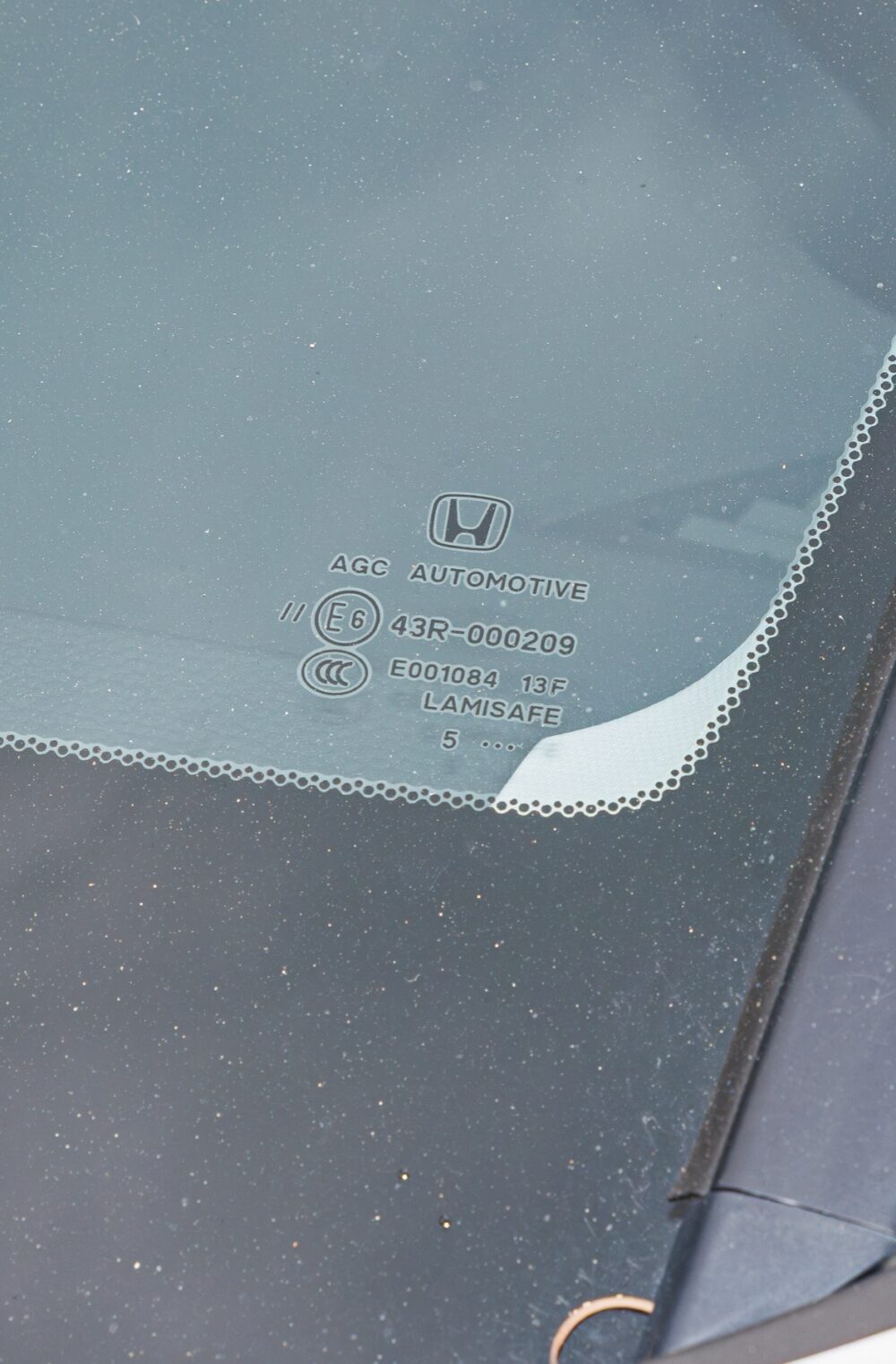
Custom-fit windshield sunshades for the Honda Pilot absolutely exist, including for the 2023-2026 generation. Retail listings show patterns cut specifically for Pilot windshields all the way from early 2000s models up through 2026, while big-box and online auto retailers stock both Pilot-specific and universal shades. For wholesale buyers, your choice is usually between licensed, brand-aligned products sold via distributors and generic custom-fit or universal shades produced by factories in Asia.
This guide looks at the market, then gets into supplier selection and channel choices so you can decide whether cross-border sourcing makes sense for your Honda Pilot customers or fleet.
How the Honda Pilot Sunshade and Windshield Accessory Market Works
For Honda Pilot owners, “sunshade and windshield accessories” mainly means front windshield sunshades (and sometimes side-window shades or winter covers). The key split is:
- Vehicle-specific, custom-fit shades – cut to the exact outline of the Pilot windshield.
- Universal shades – sized to fit many SUVs, often with some compromise on coverage.
Custom-fit Pilot shades exist for 2003-2026
On marketplaces like eBay, you can find listings described as a “Windshield Sun Shade for Honda Pilot 2003-2026” with explicit mention of model years in the title and description, indicating patterns designed around those windshields rather than generic rectangles.Windshield Sun Shade for Honda Pilot 2003-2026 is one example of this type of targeted listing.
Similarly, mass retailers list products labeled for specific recent generations. Walmart carries a “Front Windshield Sunshade Sun Shade for 2023-2025 Honda Pilot SUV” that’s advertised as computer-cut to fit the vehicle’s windshield.Front Windshield Sunshade Sun Shade for 2023-2025 Honda Pilot SUV shows how mainstream channels treat Pilot patterns as a distinct SKU.
Auto accessory specialists like AutoAccessoriesGarage’s Honda Pilot sunshade section group multiple Pilot-specific shades alongside broader universal products. That’s the retail reflection of what factories are actually cutting and exporting.
Who makes these shades and what materials they use
Most vehicle-specific shades for the Pilot are made by aftermarket accessory brands (some US-based, some importing from Asia). Common materials across both custom-fit and universal products include:
- Reflective films like Mylar – used as a shiny layer to reflect sunlight.
- Polyester foam cores – lightweight, flexible, and easy to cut to pattern.
- Woven polyester fabrics – often used in foldable or umbrella-style shades.
DHgate’s editorial coverage of sunshades points out custom-fit shades made from woven polyester or aluminum foil-type laminates, and foldable shades using accordion designs.Maximize Comfort and Save Energy with Custom Sunshades for Cars describes Mylar and polyester foam as typical materials, which matches what you see across Pilot listings from major retailers.
For wholesale, you’ll see those same constructions repeated under different brands: silver-faced accordion shades, rigid laminated panels, and newer umbrella-style shades that pop open under the glass.
Universal vs. Pilot-specific in practice
Universal shades sold for the 2026 Pilot on sites like AutoZone’s 2026 Honda Pilot sunshade page are sized by generic SUV dimensions. They can work, but they rarely cover right to the edges and around the mirror and sensor pods.
Custom-fit shades marketed for 2023-2026 Pilots emphasize precision cut and “zero gaps.” That is more than marketing copy—fit around the camera/sensor cluster and sloping corners is a real design constraint for the current generation. For a reseller, the decision is whether you want to carry:
- Pilot-specific SKUs that require keeping track of generation and trim (better user experience, higher price), or
- Universal sizes that reduce inventory complexity but may deliver a more generic fit.
Selecting and Vetting Suppliers for Pilot-Fit Sunshades
Once you decide whether you’re chasing perfect Pilot fit or broad SUV coverage, the supplier question becomes very concrete: you’re not just buying fabric, you’re buying a pattern that has to match a complicated windshield.
Make fit a documented requirement
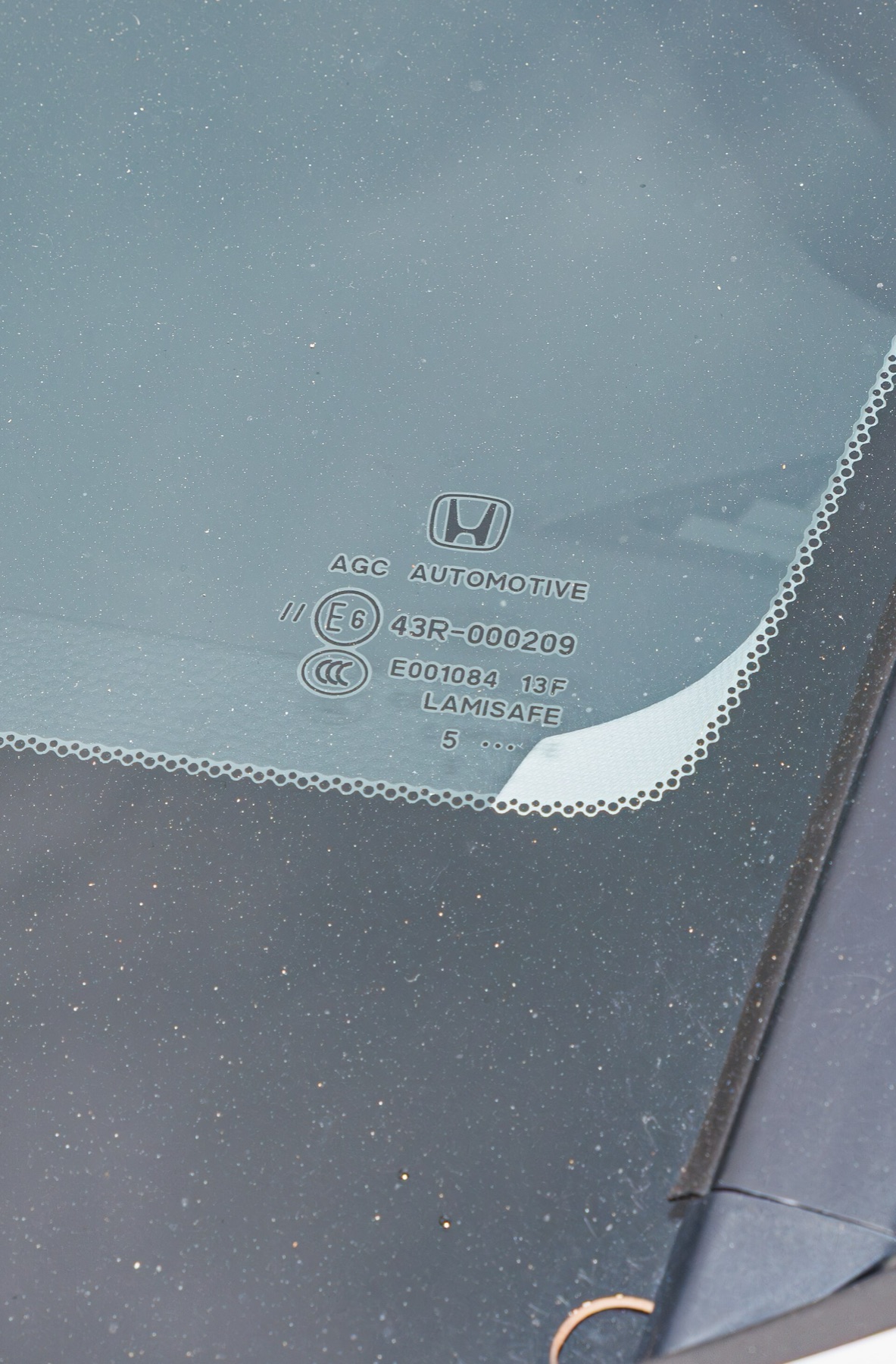
DHgate’s sunshade guidance stresses that the sunshade should match the size and shape of the windshield and sit snugly to avoid light gaps.Choosing the right custom sunshade recommends treating size and shape as the first spec. When you talk to a factory or wholesaler, that translates into some specific asks:
- Request CAD drawings or pattern outlines for the Pilot windshield they cut to (ideally with generation noted, e.g., “2023-2026 Pilot”).
- Ask how they accommodate curvature and sensor housings—do they notch around the mirror area, or is it a straight rectangle?
- Clarify coverage intent: edge-to-edge including the black frit band, or a smaller footprint.
For universal SKUs, your vetting shifts to dimensions. You want the shade’s height and width compared against published Pilot windshield size, and ideally a test-install photo, so you can judge how much glass is exposed at the corners.
Drill into materials and construction
Sunshades may look similar in photos but behave very differently in use. Based on typical constructions described in industry coverage and DHgate’s editorial, ask suppliers to specify:
- Face material – Mylar-like reflective film, woven polyester, or other.
- Core material – polyester foam thickness and density, or multi-layer laminate.
- Edge finishing – stitched binding, heat-sealed, or raw cut.
- Folding mechanism – accordion, roll-up, or umbrella frame.
You don’t need lab data; you need enough description to position the product on your site (premium laminated custom-fit vs budget folding universal) and to compare quotes from different factories on the same footing.
Sampling before any serious volume
For Honda Pilot sunshades, sampling should be treated as non-negotiable if you’re claiming vehicle-specific fit:
- Order at least one sample per claimed model range (e.g., one for 2016-2022 Pilot, one for 2023-2026) and test against an actual vehicle or a dealer/fleet partner.
- Check for installation friction—does the shade interfere with the dash camera, rear-view mirror, or A-pillar trims?
- Inspect stitching, delamination risk, and how rigid the shade is when rolled or folded.
A single bad pattern can turn into returns and bad reviews very quickly, so you want the supplier relationship to start with a test that both sides agree is the pass/fail gate.
Wholesale Terms, Logistics, and Channel Choices (Including DHgate)
From a sourcing standpoint, Honda Pilot sunshades live at the intersection of automotive accessories and generic car-care products. Your route changes based on order size, branding, and tolerance for fit variation.
Typical channels you’ll be choosing between
Here’s a compact view of how different channels line up for Pilot sunshades:
| Channel type | Product fit, order size, buyer benefit, and trade-off |
|---|---|
| Brand/distributor (WeatherTech-type, Intro-Tech via NAPA, etc.) | Branded custom-fit Pilot shades, sometimes licensed; best for small batches or store-level replenishment. Packaging and marketing may already be handled, but unit cost is higher and custom-logo or design flexibility is limited. |
| General retail/marketplaces (Amazon, Walmart, eBay) | Mix of Pilot-specific and universal shades for small tests, dropship, or micro-wholesale. Access and SKU benchmarking are easy, but retail resale margins and wholesale terms can be weak or inconsistent. |
| Cross-border marketplaces | Mainly generic or universal shades and umbrella-style designs for trial runs and small-to-mid-size batches. They expose many factories and designs, but you must verify each seller and own fit-checking and quality control. |
| Direct factory (China and other Asian manufacturing hubs) | Custom-fit or universal shades, including private-label runs, for mid-to-large ongoing orders. This route offers the most control over pattern, branding, and long-term cost, but demands sourcing experience and longer development cycles. |
This isn’t about one universally “best” route. It’s about aligning how much risk you can take on pattern accuracy and QC with how much margin and differentiation you need.
What MOQs and prices look like in cross-border marketplaces
To ground this a bit, we can look at DHgate listings as of 2026-10-12. These are generic examples, not Pilot-specific products:
- A foldable universal windshield shade titled “Car Sunshade Covers Cover Universal Windscreen Folding Visor Reflector Windshield Auto Side Window Sun Shade Cover Protector” lists in the car sunshade category with an indicative price range around USD 2.84-7.66 per unit, and shows a 5.0 rating across 13 reviews from one seller.Universal Windscreen Folding Visor Reflector
- Umbrella-style shades such as “Car Sunshade Umbrella Car Sun Shade Protector Parasol Summer Sun Interior Windshield Protection Accessories For Auto Shading” sit in the mid-20s USD per unit band.Umbrella Car Sun Shade Protector is one example.
- More conventional folding parasol-style shades like “Car Windshield Sun Shade Car Sunshade Cover Visor Protector Interior Anti UV Sun Windscreen Folding Parasol Auto Accessories” show price ranges in the low-20s USD per unit.Folding Parasol Auto Accessories
Prices and availability change, and these listings are not guaranteed to fit the Honda Pilot. But they illustrate how umbrella-style and universal folding shades from cross-border sellers often sit in the low- to mid-double-digit USD range per unit, with some very low-cost options at the budget end.
If you go this route for Pilot owners, you’re usually:
- Buying universal sizes and positioning them as “fits most SUVs including Pilot,” or
- Working directly with a seller to adapt their pattern to the Pilot and brand it for your shop.
In either case, you need to verify dimensions, ask for real photos, and run your own sample tests—platforms like DHgate are marketplaces, not fit-certification bodies.
For larger runs or true OEM-style fit, many US retailers and niche brands appear to be sourcing from dedicated pattern houses (some domestic, some offshore) rather than generic marketplaces. That’s where a direct-factory relationship or a branded distributor may be a better match.
Matching channel to your business model
A few practical scenarios:
- You run a local tint/detail shop and want 20-50 high-quality Pilot shades per year. A branded product via an automotive distributor or buying from Pilot-focused listings on Amazon/NAPA may be simplest. Margin is lower, but you avoid pattern headaches.
- You operate an online accessories store targeting Honda owners nationwide. Custom-fit shades for the main generations (2003-2008, 2009-2015, 2016-2022, 2023-2026) sourced from a factory with pattern capabilities give you a differentiated product and room for logo printing. Sampling and a slightly higher MOQ are the trade-off.
- You sell general car-care bundles on marketplaces. Universal folding or umbrella-style shades from cross-border marketplaces can be attractive, especially at the low- to mid-double-digit price points shown in DHgate’s listings. Just be transparent in your product copy about universal sizing and avoid over-claiming Pilot-specific fit.
If you decide cross-border marketplaces belong in your mix and want more structured guidance on finding and vetting DHgate sellers specifically, pages like Find wholesale suppliers on DHgate, Find DHgate suppliers, and Choose a DHgate wholesale supplier walk through seller selection and communication in more detail—use them as an overlay on the sunshade-specific fit and sampling checks described here.