
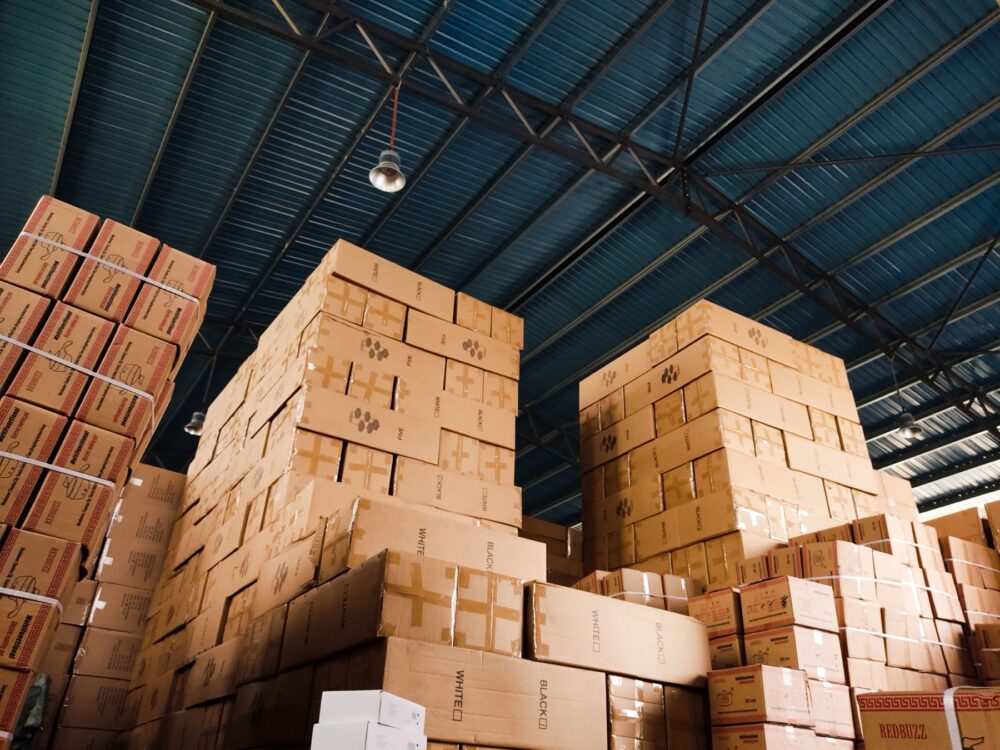
Flipping and reselling on marketplaces is a simple idea that gets complicated fast. At its core, you’re buying items below what buyers are willing to pay, then relisting them on a marketplace for more. Flipping usually emphasizes speed—like grabbing a cheap tool on Facebook Marketplace and reselling it the same week—while reselling can be a slower, brand-based business built around repeat customers and curated inventory.
The moment you stop relying on random local “scores” and start thinking like a business, you need three things: a reliable sourcing strategy (local vs wholesale, domestic vs cross‑border), a way to pick and manage suppliers, and a habit of actually doing the math on each deal. This guide is written for US‑based sellers who might start with thrift store finds but are wondering if bulk purchases, liquidation pallets, or importing goods to resell on platforms like eBay, Facebook Marketplace, Whatnot, or Poshmark‑type sites make sense.
How Marketplace Flipping and Reselling Actually Work
Flipping is usually defined as buying something below market value and reselling it for a profit, often quickly. Many flipping guides emphasize that you can flip almost any consumer good if there’s a gap between what one buyer will accept and what another buyer will pay. Typical categories include used electronics, furniture, clothing and accessories, tools, and similar household goods.
Reselling is broader. You’re still buying to sell at a higher price, but you may:
- Hold inventory longer.
- Build a recognizable store or brand.
- Focus on a niche (streetwear, spices, tech accessories) instead of random one‑offs.
Thrift store flipping is the classic entry point: buying underpriced items at thrift stores and reselling them for profit. Thrift stores often misprice items because they sort quickly and don’t research every SKU. That gap is what flippers exploit.
From a business perspective, both flipping and reselling boil down to:
- Finding underpriced supply. Garage sales, local marketplaces, clearance racks, wholesalers.
- Knowing where demand lives. Facebook Marketplace for bulky local items, fashion resale apps for clothing, Whatnot for live auctions, eBay for collectibles and long‑tail.
- Managing risk. You’re paying money upfront for inventory with no guarantee it will sell at the price you expect.
A casual flipper accepts that risk with a few items. A serious reseller tries to systematize how they find inventory and how they evaluate each buy, often by graduating from local arbitrage into repeatable wholesale or cross‑border sourcing.
From Thrift Stores to Cross‑Border: Where Flippers Source Inventory
Marketplace flippers and small resellers usually move through sourcing stages as they grow.
1. Local, one‑off arbitrage
- Thrift stores and charity shops. You scan racks for mispriced clothing, shoes, household goods, small electronics. The upside is ultra‑low cost per item; the downside is it’s time‑heavy and unpredictable.
- Garage sales and estate sales. Good for tools, furniture, collectibles, and bulk purchases of household goods.
- Local online marketplaces. Facebook Marketplace, Craigslist, OfferUp. You buy underpriced items from locals and relist either locally or on national platforms.
This stage works well for categories that are easy to inspect and reship individually: clothing, shoes, small furniture, tools, basic electronics—exactly the types of items often highlighted in beginner flipping guides.
2. Liquidation and return pallets
Once you want more volume, liquidation becomes attractive:
- Store closeouts: Regional chains clearing seasonal inventory.
- Customer returns and overstock: Pallets from big‑box or e‑commerce returns.
These sources can be cheaper per piece than thrift, but you take on more risk: unknown defect rates, mixed categories in each pallet, and capital tied up in bulk buys. They suit sellers with space, time to test items, and comfort selling “open box” or used goods.
3. Domestic wholesalers and distributors
Here you move from opportunistic finds to predictable inventory. You buy new products in bulk at wholesale prices with the intent to resell.
Categories that often work in this model include:
- Spices and dry grocery items (cumin, chili powder, black pepper, paprika).
- Vitamins and supplements (subject to regulatory and labeling rules).
- Fashion (clothing, jewelry, accessories, kids’ apparel).
- Tech accessories (smartphone cases, chargers, cables).
- Skincare (creams, serums, masks) with clear ingredients and compliance.
Reselling advice frequently highlights these categories because they’re consumable or frequently replaced, so demand repeats. You’ll still need to watch trends—colors, form‑factors, ingredients—because a product that sold well last year can stall if consumer preferences shift.
4. Cross‑border wholesale and manufacturing platforms
The internet made it much easier to source low‑priced products from overseas suppliers without manufacturing your own. Instead of developing a new product, you:
- Pick a niche (e.g., swim accessories, minimalist jewelry, budget phone accessories).
- Find a supplier willing to sell below US retail prices.
- Buy in bulk and resell on US marketplaces.
Cross‑border marketplaces give you direct access to factories and trading companies, often with:
- Lower per‑unit costs vs domestic wholesalers.
- The ability to customize or white‑label in some cases.
- A wider breadth of SKUs in niche categories.
The trade‑off is longer shipping times, potential duties, communication across time zones, and more complex returns. For categories like fashion, tech accessories, and some home goods, cross‑border sourcing is now common even for small resellers.
Matching category to sourcing type
A practical way to decide your sourcing lane:
- Bulky, local‑value items (furniture, large tools): thrift, garage sales, local marketplace.
- Branded apparel and sneakers: thrift, consignment, specialized resale platforms; wholesale only if you’re authorized or focused on unbranded styles.
- Spices, vitamins, skincare: domestic wholesalers first (easier compliance), then cross‑border only after researching regulations and labeling.
- Tech accessories and generic fashion: domestic or cross‑border wholesale—these lend themselves to bulk imports and private labels.
The more regulated or safety‑sensitive the product, the more conservative you should be about jumping straight into cross‑border sourcing.
Choosing and Managing Suppliers for a Flip Business
Once you’re buying wholesale—domestic or cross‑border—your suppliers become the backbone of your business. You’re no longer just hunting for one‑off bargains; you’re committing to ongoing relationships.
Here’s a practical checklist to evaluate and manage them.
Supplier vetting checklist
1. Pricing and discount structure
You need prices low enough to support your resale margin after fees and freight.
- Ask for pricing tiers by quantity: how does price change at 50, 100, 500 units?
- Compare against actual marketplace sale prices for your target platform.
2. Consistency and product quality
Reselling guides stress that ignoring consumer expectations leads to unsold inventory. Quality that varies from batch to batch makes it hard to keep buyers happy.
- Request samples before committing to a full order, especially for fashion, tech accessories, and skincare.
- Check stitching, materials, packaging, and any labeling.
3. Reviews and market reputation
Many platforms show buyer ratings and reviews for sellers.
- Read reviews for complaints about quality, shipping delays, or misrepresentation.
- Look for repeat buyers mentioning long‑term consistency.
4. Communication
Strong supplier relationships are a recurring theme in reselling advice: they help you negotiate, solve problems, and secure better deals.
- Evaluate how quickly and clearly a supplier answers specific questions.
- Ask about lead times, customization options, and how they handle mistakes.
5. Red flags
Common warning signs include:
- Hesitation to provide basic product details (materials, origin, certifications where relevant).
- Pressure to place large orders immediately or bypass platform messaging.
- Refusal to send even paid samples.
Managing the relationship once you start ordering
Successful resellers often treat suppliers like partners rather than one‑off vendors:
- Share basic sales feedback. Let them know which SKUs move and which don’t; you may get suggestions or pricing flexibility on slower lines.
- Negotiate as volume grows. Once you prove repeat orders, ask about discounts or better payment terms.
- Document agreements. Keep written records of pricing, quantities, and any customizations to avoid disputes.
These habits are especially helpful if you’re importing or dealing with cross‑border suppliers, where time zones and language differences make clear communication crucial.
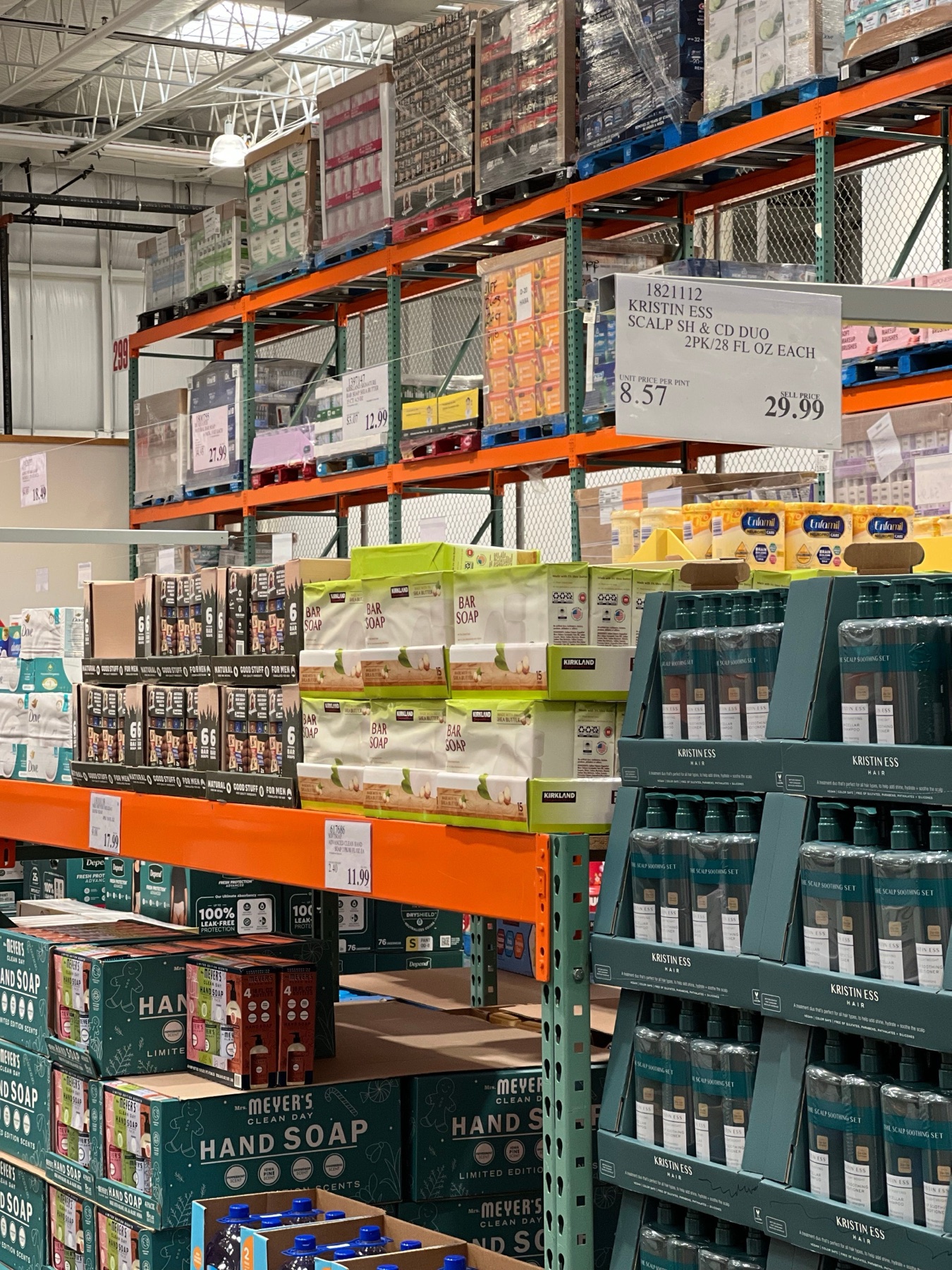
MOQs, Pricing, and Landed Cost: Is a Wholesale Flip Really Profitable?
Retail arbitrage—buying one or two items locally and flipping them—makes it easy to see the margin. Wholesale and cross‑border sourcing don’t. You have to account for minimum order quantities (MOQs), tiered pricing, freight, duties, and marketplace fees.
Key concepts
MOQ (Minimum Order Quantity)
Most wholesalers and factories won’t sell just one unit. MOQs can range from a few dozen pieces to hundreds. MOQs matter because they lock in how much capital you must risk per SKU.
Tiered wholesale pricing
Suppliers generally drop the unit price as your order size rises. The trade‑off is more inventory risk.
Landed cost per unit
This is the total cost to get one unit ready to sell:
- Product cost (including any bulk discount).
- Freight and handling (domestic shipping, import freight).
- Duties/taxes, where applicable.
- Packaging and prep.
- Marketplace selling fees and payment processing.
A simple rule of thumb: if you can’t roughly estimate landed cost per unit before you buy, you’re gambling, not flipping.
Example: Hypothetical cost breakdown for a flip
Imagine importing a batch of smartphone cases to resell on eBay.
- Product: $1.10 per unit at 200 units from a wholesaler.
- Freight and handling: $80 for the shipment.
- Packaging/prep: $20 in supplies.
- Marketplace and payment fees: a percentage of sale price (varies by platform).
Landed cost before marketplace/payment fees:
- Product: 200 × $1.10 = $220
- Freight: $80
- Packaging: $20
Total: $320 → $1.60 per unit
If an average sale price is $8 and total marketplace/payment fees are assumed at 13% in this hypothetical:
- Gross sale: $8
- Fees: $1.04
- Landed cost: $1.60
Approximate margin: $5.36 per case before overhead (time, tools, unsold units).
This kind of back‑of‑envelope math is what separates sustainable wholesale flips from “I hope this works.” It becomes even more critical in categories with tighter margins, like basic fashion or generic home goods.
How returns and trend risk factor in
Resale guides consistently warn that ignoring trends leads to dead stock. If you buy 500 units of a style that goes out of fashion, your landed cost per unit doesn’t matter—you’re stuck.
Mitigation steps:
- Start with smaller MOQs, even at slightly higher per‑unit cost.
- Test several styles or variants instead of betting everything on one.
- Track sell‑through speed: how long it takes to sell through a batch.
Treat each wholesale buy as an experiment until you have data that justifies scaling.
Picking the Right Channels for Your Flip Strategy
Your sourcing decisions only make sense in the context of where you plan to sell. Different channels favor different product types, price points, and risk profiles.
Channel roles for flippers and resellers
Here’s a compact view of how common selling channels align with strategies:
| Selling channel type | Best suited for | Typical inventory source |
|---|---|---|
| Local marketplaces (Facebook, etc.) | Bulky items, furniture, tools, quick flips | Thrift, garage sales, local arbitrage |
| Fashion resale apps (Poshmark, Depop) | Clothing, shoes, accessories, vintage | Thrift, consignment, curated wholesale |
| Auction & long‑tail (eBay, Whatnot) | Collectibles, niche gadgets, live selling | Thrift, liquidation, domestic & cross‑border wholesale |
| Own site + social storefront | Branded lines, recurring consumables | Domestic wholesale, cross‑border sourcing |
Coverage of the resale and secondhand market, such as this DHgate editorial overview, points to platforms like Poshmark, Depop, and eBay using tools like AI and machine learning to help sellers with pricing and help buyers discover relevant listings. That growth matters for you: the more specialized a platform is, the easier it is to find the right buyer for specific categories.
Practical channel selection by scenario
Scenario 1: Part‑time Facebook Marketplace flipper
You focus on local furniture, tools, and baby gear. Your best sourcing channels will be thrift stores, garage sales, and local online marketplace arbitrage. Wholesale or cross‑border sourcing isn’t necessary unless you start specializing in new products (e.g., new mattresses or assembled furniture).
For selling, general best practices include:
- Research which items are popular locally so you don’t list dead categories.
- Use clear, multi‑angle photos to show real condition.
- Follow marketplace rules around prohibited items and honest descriptions (official policies live on each platform’s site).
This mirrors common advice about Facebook Marketplace: strong photos and rule compliance build trust and reduce the risk of listings being removed.
Scenario 2: Small resale brand focused on fashion and accessories
You want a repeatable line, not just one‑off flips. Here’s a common mix:
- Sourcing: thrift for unique or vintage pieces; domestic or cross‑border wholesalers for your in‑house line of basics (tees, polos, simple jewelry).
- Selling: fashion‑specific apps (Poshmark, Depop), plus your own site or Instagram shop.
You’ll care more about supplier relationships, consistency, and branding. Trend research and customer service matter a lot; poor communication or falling behind on styles directly hits your reputation.
Scenario 3: Marketplace seller importing new goods to flip
You operate primarily on eBay or Whatnot and want to import small, new items (tech accessories, generic fashion, home goods) in bulk.
Cross‑border wholesale marketplaces can be one option here. A site like DHgate, for example, is a sourcing marketplace that connects buyers to overseas suppliers offering categories such as fashion pieces, tech accessories, and home products at wholesale‑style prices. If you consider using a cross‑border marketplace as a sourcing channel:
- Treat each seller and listing as its own decision: read reviews carefully, ask detailed product questions, and request samples when feasible.
- Run landed‑cost math including freight and potential duties before placing a bulk order.
- Start with smaller orders to validate quality and demand on your selling platform.
Legal and policy considerations at a high level
Some flip strategies touch regulatory and policy issues:
- Used cars and vehicles: Flipping cars can be legal if you comply with applicable state regulations, which may include licensing requirements. Always check your state’s official rules before listing vehicles regularly.
- Supplements, cosmetics, and foods: Labeling, ingredient restrictions, and import rules apply. Review FDA and state guidelines before importing or reselling these categories.
- Platform policies: Each marketplace has its own prohibited items list, listing rules, and fee structures. Rely on official help centers—not social media tips—for current requirements.
If your flip business starts to look less like a side hustle and more like a full‑time operation, investing time in compliance research is as important as hunting for deals.
Running a profitable flip or resell operation isn’t about finding a magic marketplace. It’s about matching the right sourcing strategy to your product categories, choosing suppliers carefully, and doing enough math and trend research that your “buy low, sell higher” actually works after fees, freight, and unsold inventory. Local arbitrage can stay your core model for years—but wholesale and cross‑border options are available when you’re ready to systematize and scale, as long as you respect the extra risks they introduce.