
Bulk Father’s Day programs work best when you treat them like a small product launch: define the event, lock in one or two scalable gift types, then choose sourcing channels and suppliers with clear MOQs, timelines, and unit economics. For US buyers, that might mean case-pack mugs from a domestic wholesaler, handmade keychains in bulk from Etsy sellers, or cross‑border orders via marketplaces like DHgate. The right answer depends on your date, budget, and risk tolerance.
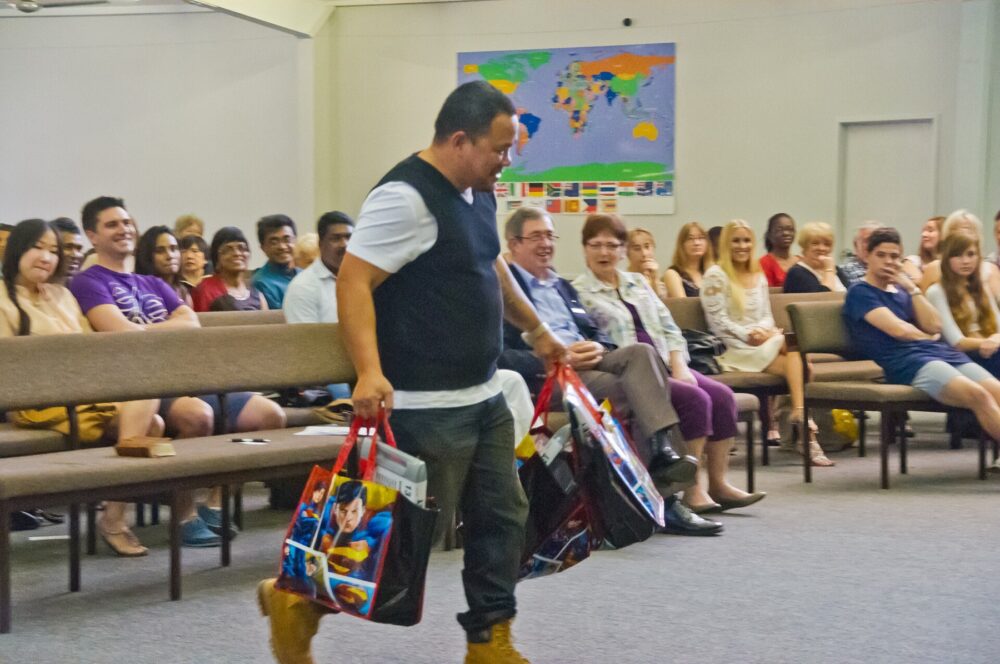
Father’s Day in the United States falls on the third Sunday in June and is often marked with group celebrations and coordinated activities in churches, workplaces, schools, and neighborhood events. Many of those groups buy the same themed gift for 50-300 fathers at once—things like mugs, keychains, snack sets, or small tools—which has created a clear wholesale niche. You’ll find curated bulk gift lists that lean heavily on these items, such as the ideas highlighted on Flat Iron Bike.
How Father’s Day Bulk Gifting Works for US Groups and Small Brands
For bulk gifting, think in scenarios rather than products:
- Church or faith community. US church-focused sites sell Father’s Day items in bulk specifically for congregations, often geared to volumes like 50-200+ gifts for men in the church. The Father’s Day collection at Christian Book and Toys shows how common that use case is—simple, themed items that can be handed out after a service.
- Office or employer events. HR teams and office managers may need 100-500 identical gifts for employees who are dads. Popular items here include branded drinkware, desk accessories, or snack packs that can be distributed during a lunch or happy hour.
- Small ecommerce brands. A US-based brand might run a Father’s Day promotion with a free or discounted gift bundled into orders (e.g., a keychain, card, or novelty item) and needs a few hundred units sourced cheaply.
Supply chains are typically straightforward:
- Domestic wholesalers like DollarDays sell Father’s Day merchandise in pre-set case quantities with US shipping.
- Specialty gift companies and candy or balloon suppliers run Father’s Day collections with pre‑packed sets.
- Marketplaces such as Etsy offer handmade or semi‑custom bulk items.
- Cross‑border marketplaces like DHgate connect US buyers to China‑based manufacturers and traders across broad categories, including gifts, with the ability to place small wholesale orders rather than full-container loads.
Gift types that scale well include:
- Small imprintable items (mugs, keychains, bottle openers)
- Snack or candy packs
- Simple apparel (caps, T‑shirts) with generic themes like “Best Dad Ever”
- Practical gadgets (flashlights, multi‑tools) that don’t require sizing
Your first decision is matching gift type to event style and budget, then choosing whether domestic or cross-border sourcing makes sense for the lead time you actually have.
Choosing and Managing Suppliers for Father’s Day Bulk Gifts
Once you know your scenario and rough quantity, your supplier work starts. Here’s a focused process tailored to bulk Father’s Day items.
- Define your spec in writing.
- Product type and materials (e.g., 11 oz ceramic mug; metal keychain).
- Design needs (fully custom logo, generic “Happy Father’s Day,” or no print).
- Quantity range (e.g., 120-180 units) and target unit cost.
- Required arrival date in the US (backward from the third Sunday in June).
- Shortlist suppliers by use case.
- For churches and community events, look at US bulk gift sites or church‑oriented sellers like Christian Book and Toys, where product themes match the setting.
- For unique or handmade pieces, search Etsy for “Father’s Day gift bulk” to find makers offering volume discounts.
- For price-sensitive, generic gifts where minor variation is acceptable, consider a cross‑border marketplace like DHgate, which the company’s editorial blog describes as a B2B platform connecting China manufacturers with global buyers across dozens of categories, including gifts.
- Vet suppliers using Father’s Day–specific signals.
When you review listings or supplier pages, look for:
- Past seasonal experience. Do they mention Father’s Day or other holiday bulk programs? Domestic sites such as DollarDays explicitly group products under Father’s Day, which suggests they understand seasonal timing.
- Real photos and print examples. For printed items, study photos closely: are the designs crisp, centered, and consistent across units shown?
- Volume clarity. Do they clearly state case quantities or bulk-pack structure? US case-pack wholesalers usually do; many marketplace sellers will instead describe MOQs.
- Use targeted outreach, not generic messages.
For marketplaces (DHgate, Etsy, others), send a specific inquiry. A simple script:
“Hi, I’m planning a Father’s Day event in the US on [date]. I’m interested in [product name] with [design details] and need around [quantity] units delivered by [deadline]. Can you confirm the total cost for that quantity, the production time, and what shipping options you offer to [state]?”
For US wholesalers with preset cases, you may just need to confirm inventory and transit estimates:
“Hi, we’d like to order [number] cases of [Father’s Day product] for delivery to [ZIP] by [deadline]. Is that quantity currently in stock, and what is your typical transit time to this location?”
- Lock in samples or small test orders when possible.
- If timing allows, ask for a sample or minimal order run to check print quality, materials, and packaging.
- For simple, low-risk items (e.g., candy or generic cards from a domestic vendor with clear photos), you might skip sampling and rely on reviews and your experience with the brand.
- Track communication and commitments.
Keep a simple sheet noting supplier name, contact person, agreed specs, quoted price range, and any promised dates. Father’s Day is fixed; you want to see at a glance which suppliers can realistically hit your schedule and which are a risk.
Pricing, MOQs, and Channel Choices: DHgate and Alternatives
Here’s a compact comparison of common channels for a 150-300‑unit Father’s Day gift run:
| Sourcing channel | Typical MOQ / volume style* | Customization fit for Father’s Day | Lead-time profile (editorial judgment) |
|---|---|---|---|
| Cross-border multi-seller (China-based marketplace) | Small wholesale orders; seller-set MOQs | Good for generic printed gifts, simple logos | Needs cross-border production + shipping; plan more calendar time |
| US case-pack wholesaler (e.g., DollarDays) | Fixed case quantities (e.g., boxes of themed items) | Mostly pre-designed Father’s Day products | Domestic shipping; usually faster than cross-border for in-stock items |
| Church/faith gift sites (e.g., Christian Book and Toys) | Bulk packs tuned to congregations | Designs tailored to church Father’s Day use | Domestic shipping; timelines tied to inventory |
| Etsy bulk listings | Maker defines bulk thresholds; often flexible | Strong for unique or handmade designs | Depends on individual maker; domestic but small-batch production |
DHgate’s own editorial blog describes the platform as a leading B2B marketplace connecting China manufacturers with global buyers, with more than 40 categories such as clothing, accessories, appliances, health, beauty, toys, and gifts, and support for small wholesale orders at competitive prices. That structure can work well if:
- You need generic, price-sensitive items (e.g., “World’s Best Dad” mugs, simple gadgets) and can live with designs that aren’t US‑specific.
- You’re willing to spend effort comparing multiple sellers and reading user reviews to judge product quality.
US bulk gift sites and wholesalers tend to be better fits when:
- Your timeline is tight—for example, you’re within 3-4 weeks of Father’s Day and need predictable domestic transit.
- You want group‑ready themes out of the box (church messages, office‑appropriate slogans) with minimal design work.
Etsy bulk listings are attractive when:
- You want a distinctive brand or event look that will stand out, even at higher cost per unit.
- You’re ordering moderate quantities (say, 50-150) where handmade production is realistic.
A simple landed-cost and timing exercise
Before you commit to a channel, do a quick mental model for your event. Suppose you’re planning 200 gifts for a church Father’s Day lunch:
- Domestic case-pack scenario (DollarDays-style wholesaler). Multiply the per-unit estimate from a Father’s Day category like DollarDays’ collection by 200, add a rough domestic shipping budget, and check whether in‑stock items can arrive a week before the service.
- Hybrid scenario. Use a small DHgate order for online-store bundles and a domestic supplier for the physical church event, spreading risk across channels.
For offices and ecommerce brands, the calculus is similar but may tolerate longer timelines if gifts are shipped directly to individuals or bundled with future orders.
Before choosing a DHgate supplier, use Find wholesale suppliers on DHgate, Find DHgate suppliers, and Choose a DHgate wholesale supplier.
If, after this exercise, you can’t comfortably hit Father’s Day with a cross‑border order, treat DHgate as a research channel for next year and rely on US wholesalers or Etsy this time. Seasonal events reward timing and reliability more than squeezing every last cent out of unit cost.